 Places to see
 Top Destinations
  Things to do






































































































People Also Ask
Greek culture is known for its ancient heritage, hospitality (philoxenia), and vibrant traditions. Greek cuisine is healthy and delicious, featuring olive oil, feta cheese, fresh seafood, souvlaki, moussaka, and Greek salads. Dining in Greece is a social experience — often enjoyed outdoors with family and friends.
Absolutely, Greece is pretty safe for people who travel. It ranks among the most tourist-friendly countries in Europe. However, petty crimes may happen in crowded places such as Athens or famous islands, thus it is advisable for travelers to be attentive to their valuables. Greeks are very cordial, hospitable, and open to tourists.
Due to its membership in the Schengen Area, Greece allows visa-free entry for travelers from Schengen nations. A number of other nations’ citizens alsowill be able to stay without a visa for up to 90 days. The rest will have to get a Schengen tourist visa for their trip beforehand.
The most favorable period for visiting Greece is from April to June and September to October because of the warm weather, which is not too hot yet, and the smaller crowds. The summer period (July–August) is perfect for island hopping and beach holidays but it can be very crowded and costly as well.
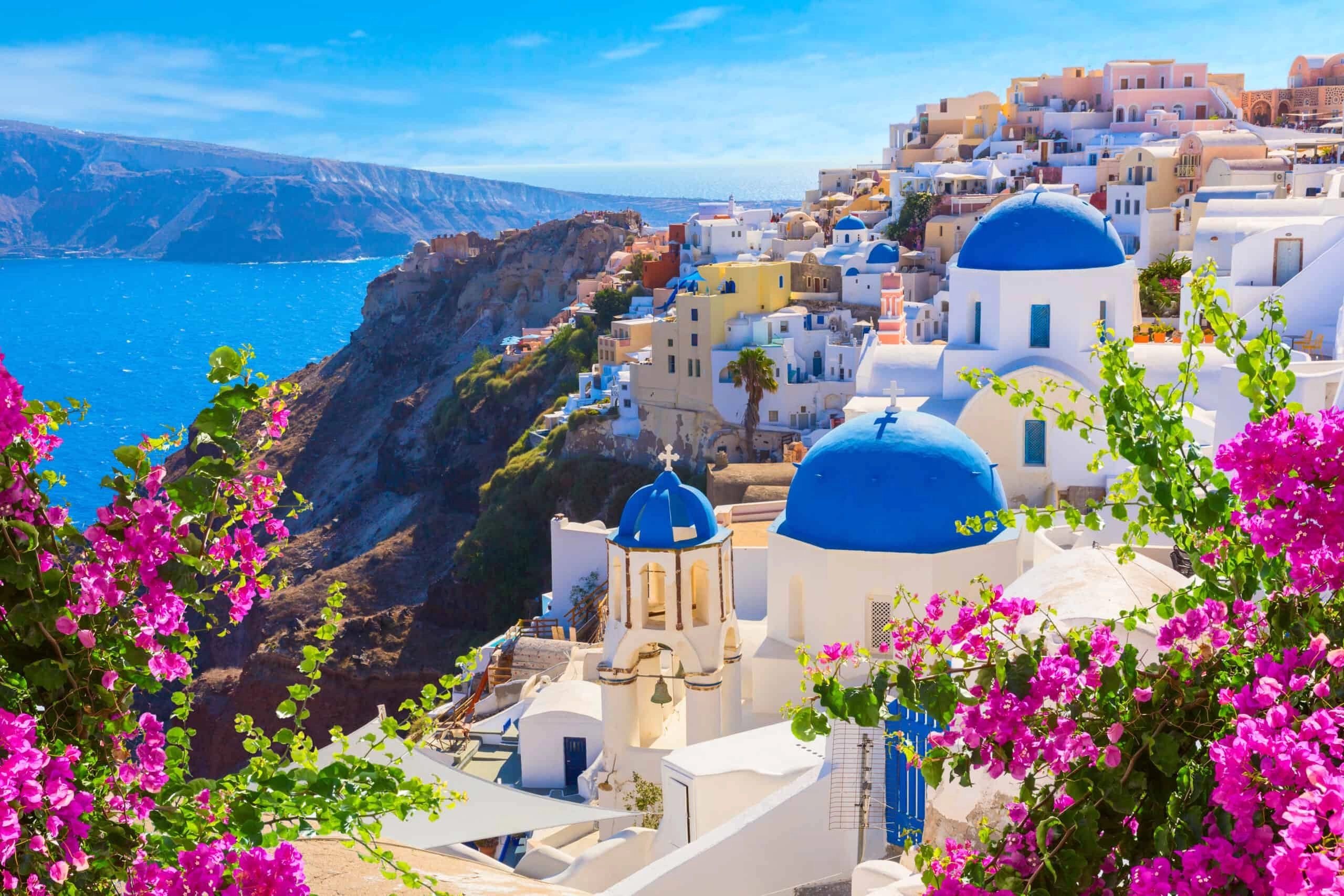
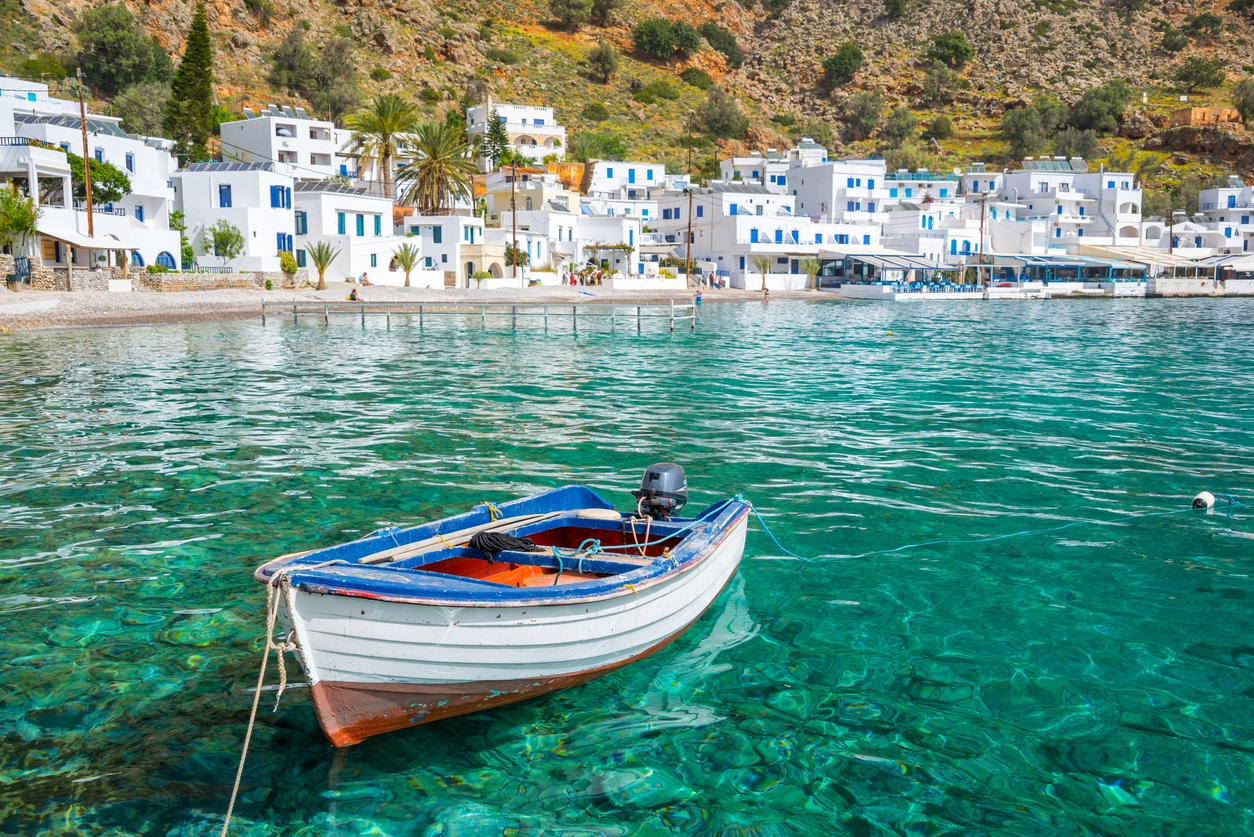
Greece is a great destination for travelers who love to see the ancient world, to rest on beautiful islands, and to enjoy the Mediterranean lifestyle. The most remarkable places are the Acropolis of Athens, the whitewashed towns of Santorini, the beaches of Mykonos, the archaeological site of Delphi, the Palace of Knossos in Crete, and the rock monasteries of Meteora. Also, the islands of Greece with their numerous and beautiful beaches are very attractive to the tourists.