 Places to see
 Top Destinations
  Things to do


























People Also Ask
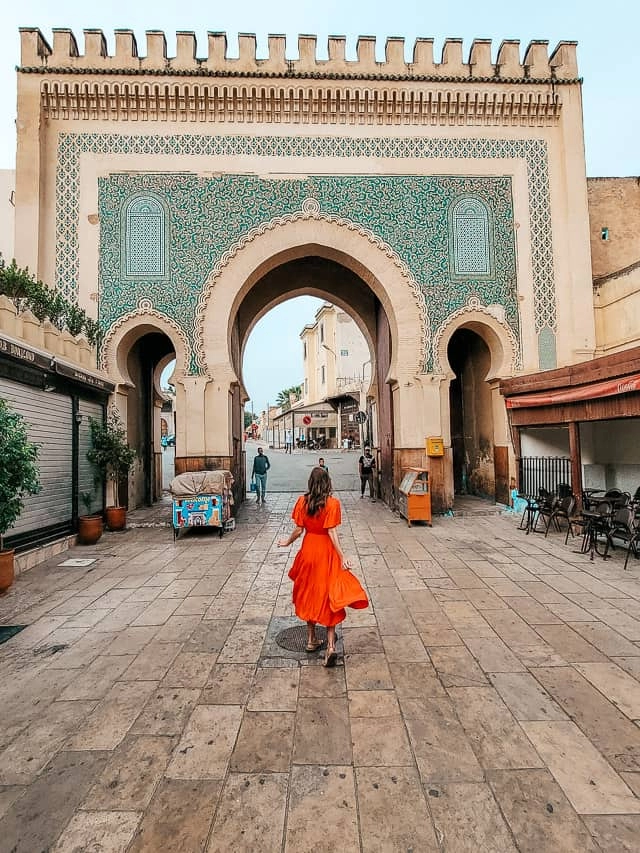
Moroccan culture is a very diverse mixture of the Arab, Berber and French influences which can be seen in its architecture, art, and customs. The food has a really good reputation worldwide — for example, tagine, couscous, pastilla, and mint tea are the must-try. The souks are overflowing with beautiful handicrafts, aromatic spices, and artisanal products that reflect the lively and colorful character of Morocco.
Absolutely, Morocco is quite safe for tourists, mainly in the touristy areas such as Marrakech, Fes, and Casablanca. In congested places, petty crimes such as pickpocketing might happen, hence it’s a good idea to be vigilant. The Moroccans are nice and hospitable to those who come to their country.
Your nationality will tell if you need a visa or not. Most travelers coming from Europe, North America, and the Middle East can stay for 90 days without a visa. The rest need to secure a visa from a Moroccan embassy or consulate prior to their travel. It is prudent to verify the current entry requirements.
The optimal period for traveling to Morocco is in spring (March-May) and autumn (September-November), when the climate is mild and nice. These months suit very well to the visiting of cities, the desert, and mountains without the unbearable heat.
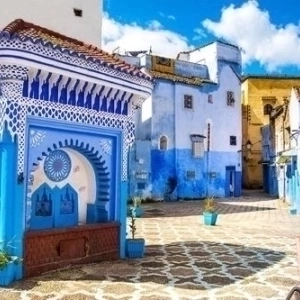
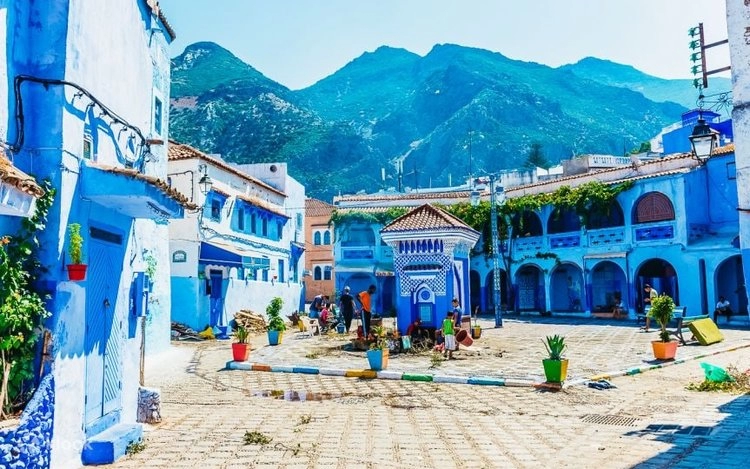
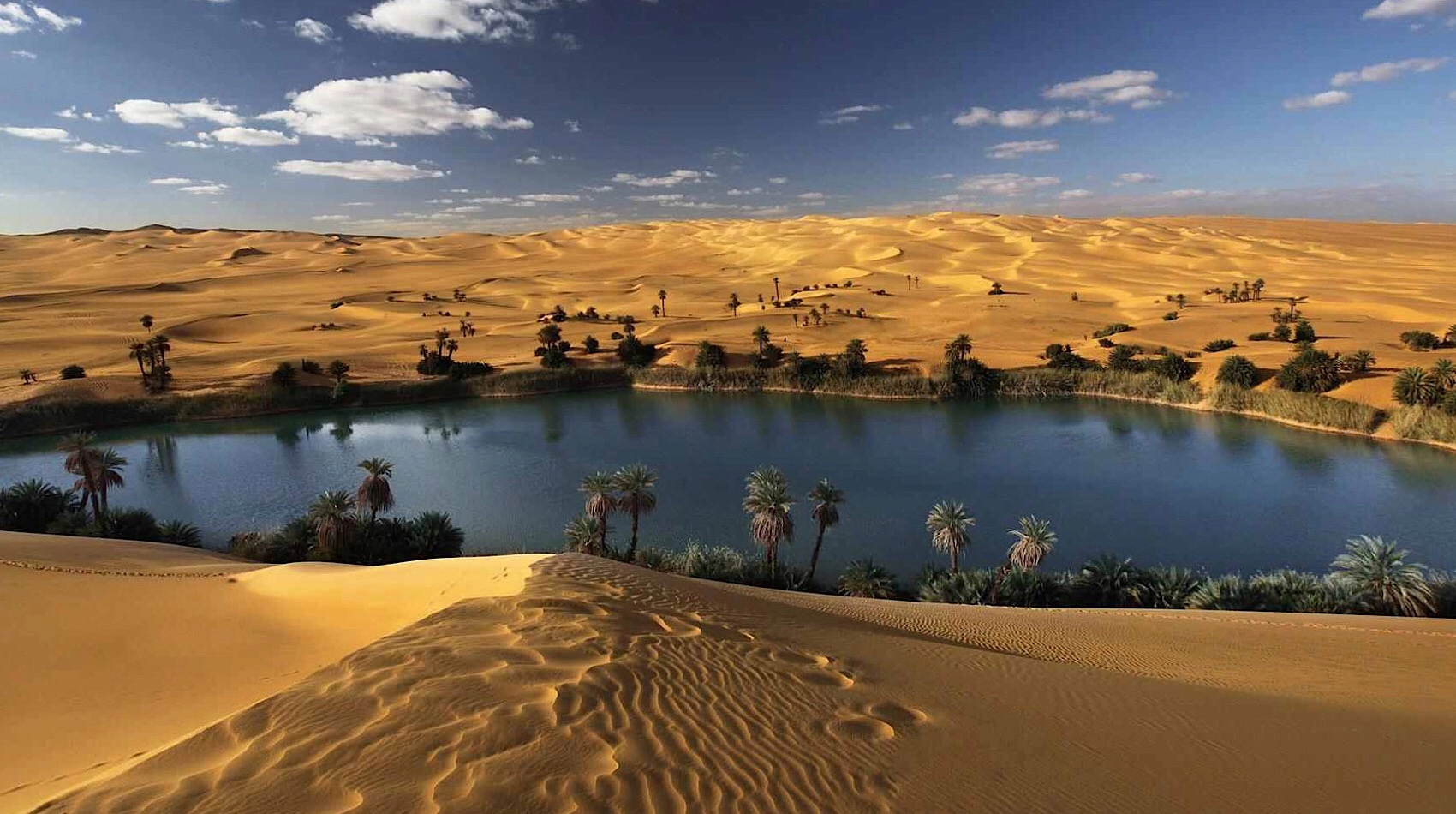
Morocco is a gem of a country that combines in a single destination culture, history, and nature. Some of the highlights are the Medina and souks of Marrakech, the blue city of Chefchaouen, the old tanneries in Fes, the Sahara Desert, the Hassan II Mosque of Casablanca, and the Atlas Mountains which offer not only stunning views but also great trekking.