 Places to see
 Top Destinations
  Things to do










































People Also Ask
The Omani culture has its origin in Arab and Bedouin customs which stressed the importance of hospitality and respect. Guests can participate in Omani coffee (kahwa) with dates, visit local markets selling Omani goodies, and partake of the aforementioned dishes such as shuwa (slow-cooked lamb), majboos, and halwa. Oman's combination of contemporary convenience and classical enchantment provides a very rare travel opportunity.
Without a doubt, Oman is the absolute safest place to go in the Middle East. It has a serene atmosphere, kind-hearted people, and excellent hospitality as some of its characteristics. Nonetheless, travelers need to take normal precautions and be aware of and adhere to the local customs and laws.
A tourist visa is required for the majority of people visiting Oman. The majority of people belonging to several nationalities can get an e-Visa through the internet application, which is very fast and simple. Visa-free entry is granted to certain residents of the Gulf Cooperation Council (GCC) and particular countries.
The period from October to April comes out on top for an Oman trip thanks to the nice weather conditions that allow the adventurers, sightseers and desert safaris to engage in outdoor activities without any worries. Summer months are extremely hot, however, the southern city of Salalah enjoys a nice and cool monsoon season called Khareef during June to September.
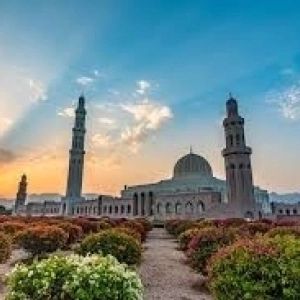
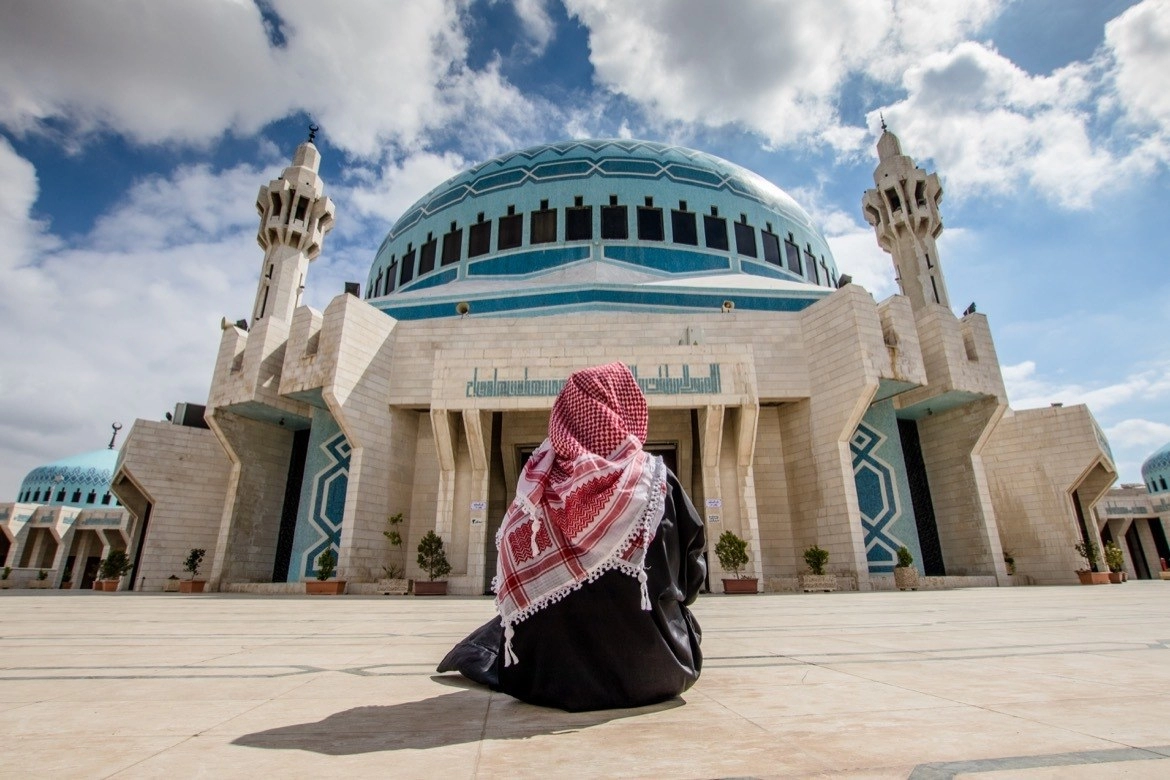
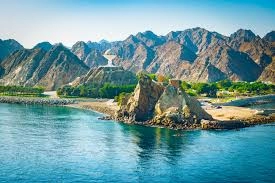
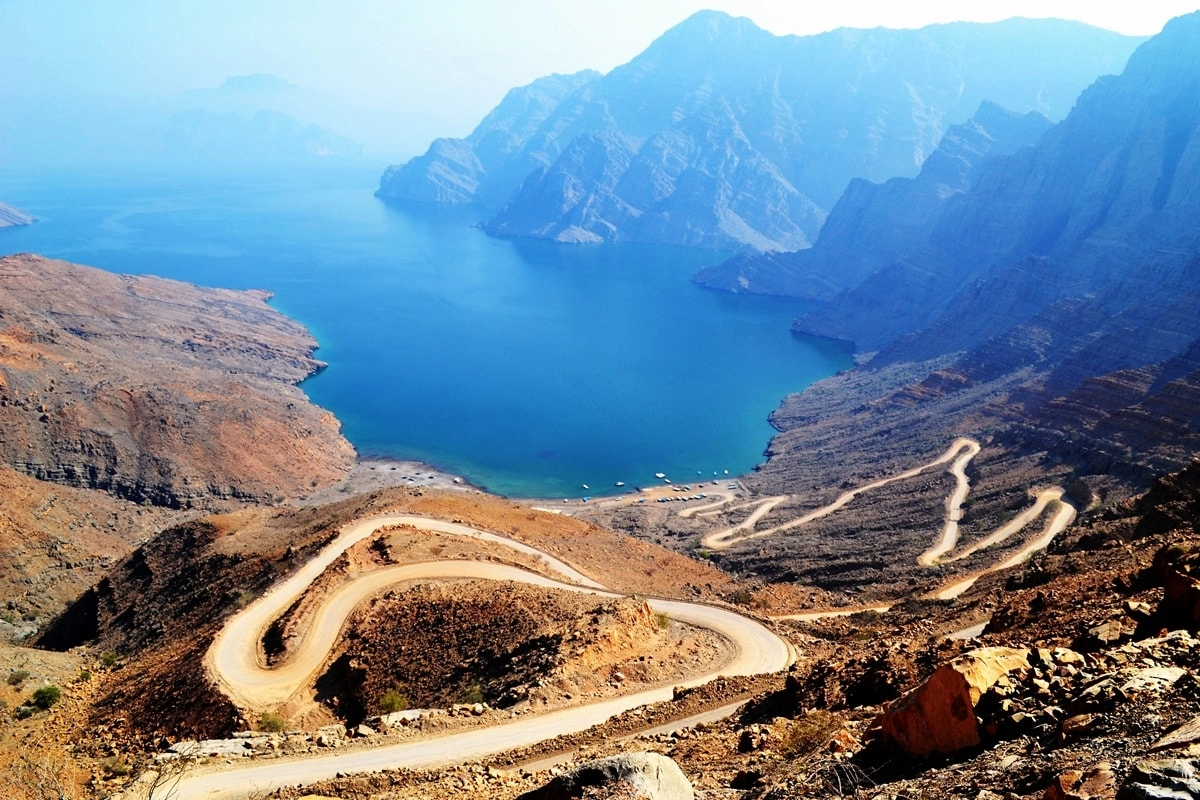
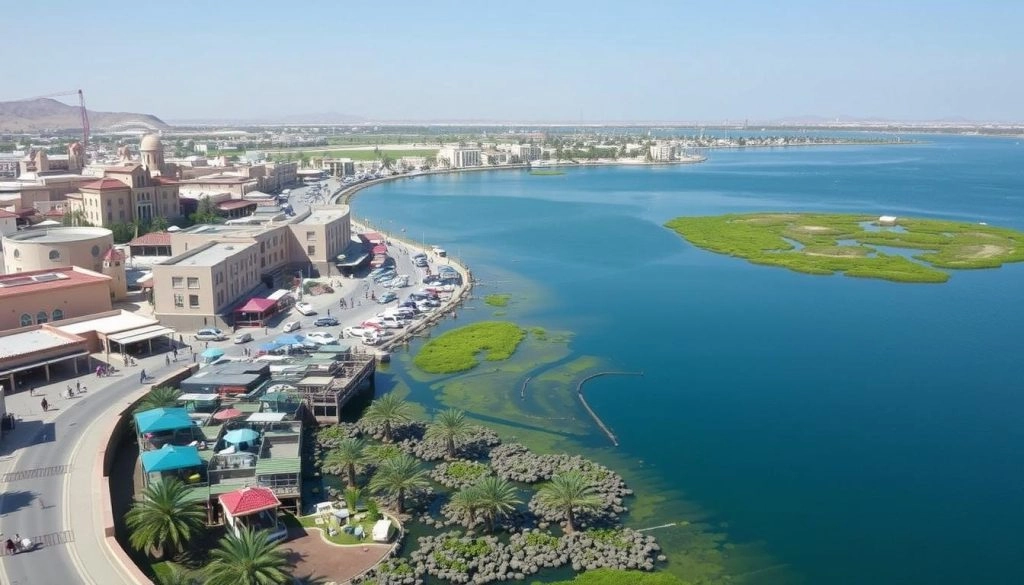
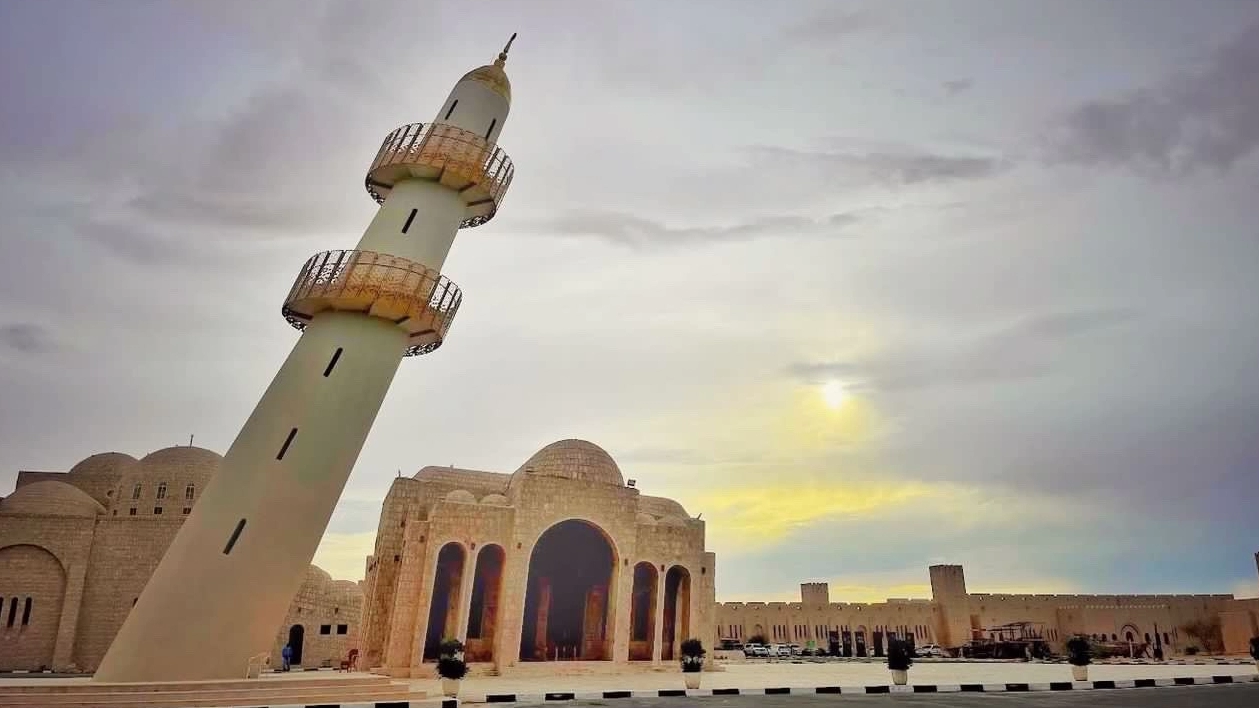
Oman is like a two-sided coin, one side nature and the other side culture, both captivating and irresistible. The foremost places are the Sultan Qaboos Grand Mosque of Muscat, the ancient fort of Nizwa, Wadi Shab and Wadi Bani Khalid, Wahiba Sands Desert, Al Hajar Mountains, and the picturesque beaches of Salalah. Besides, visitors can frequent traditional markets and experience the real Arabian lifestyle.