 Places to see
 Top Destinations
  Things to do
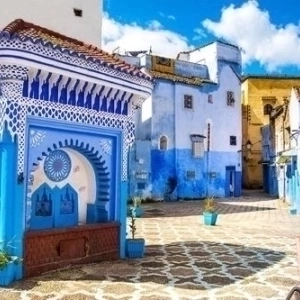


















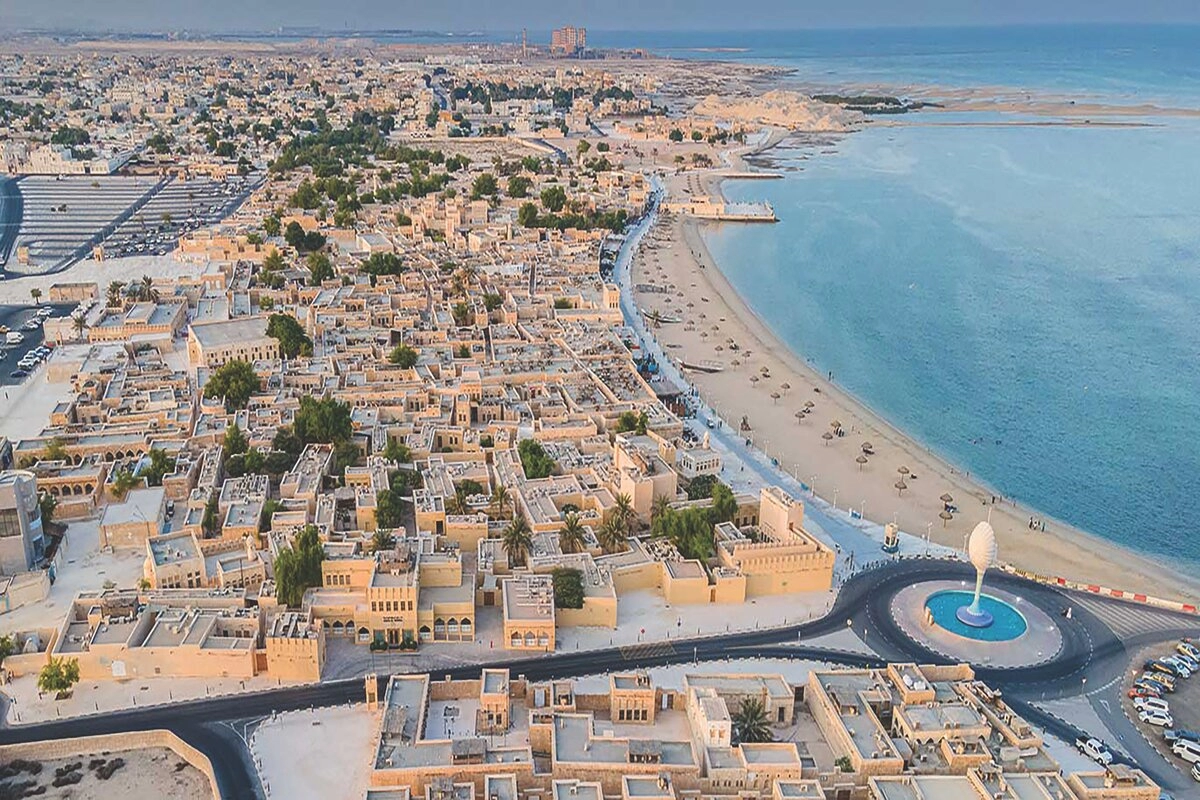
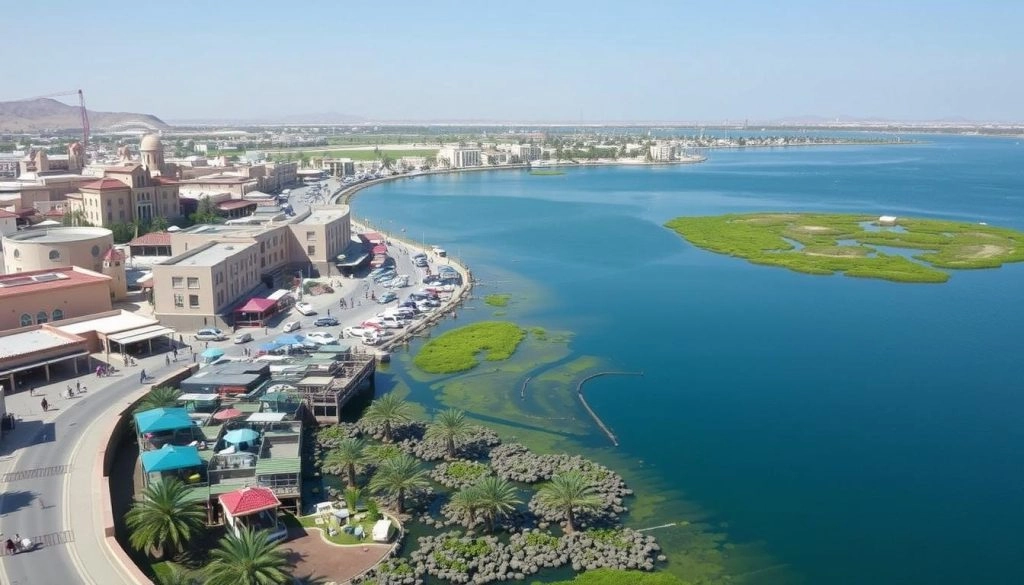
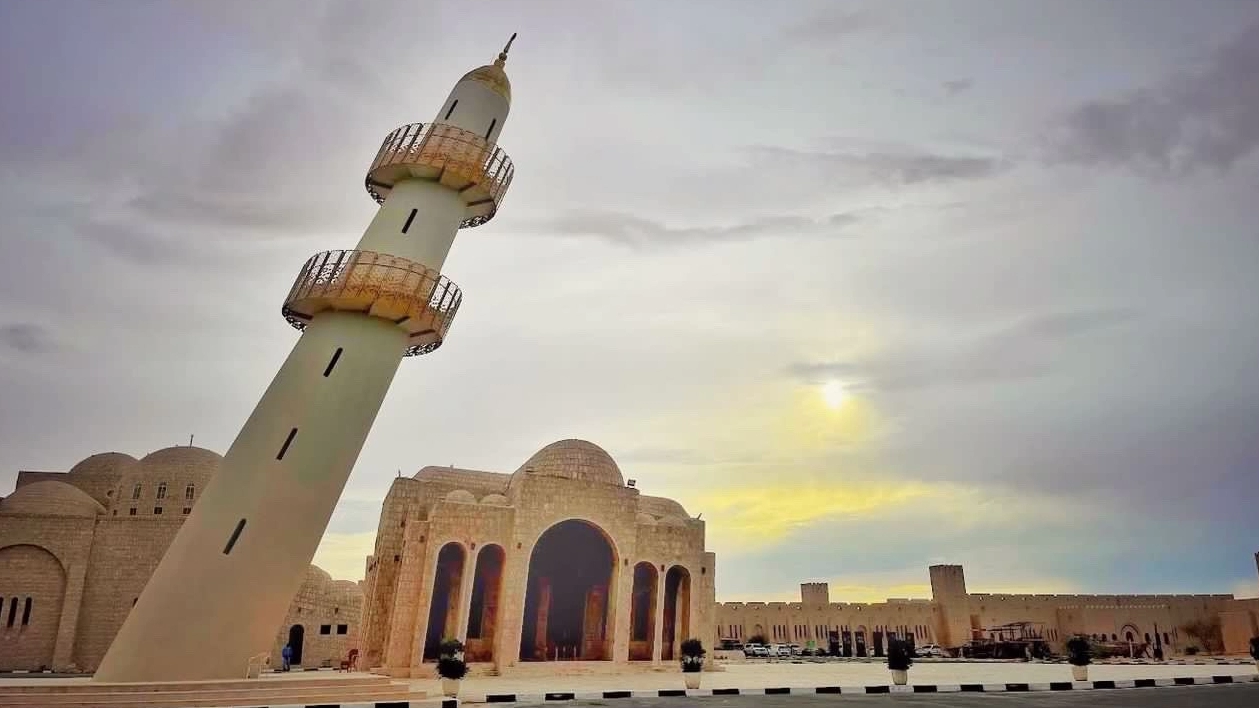




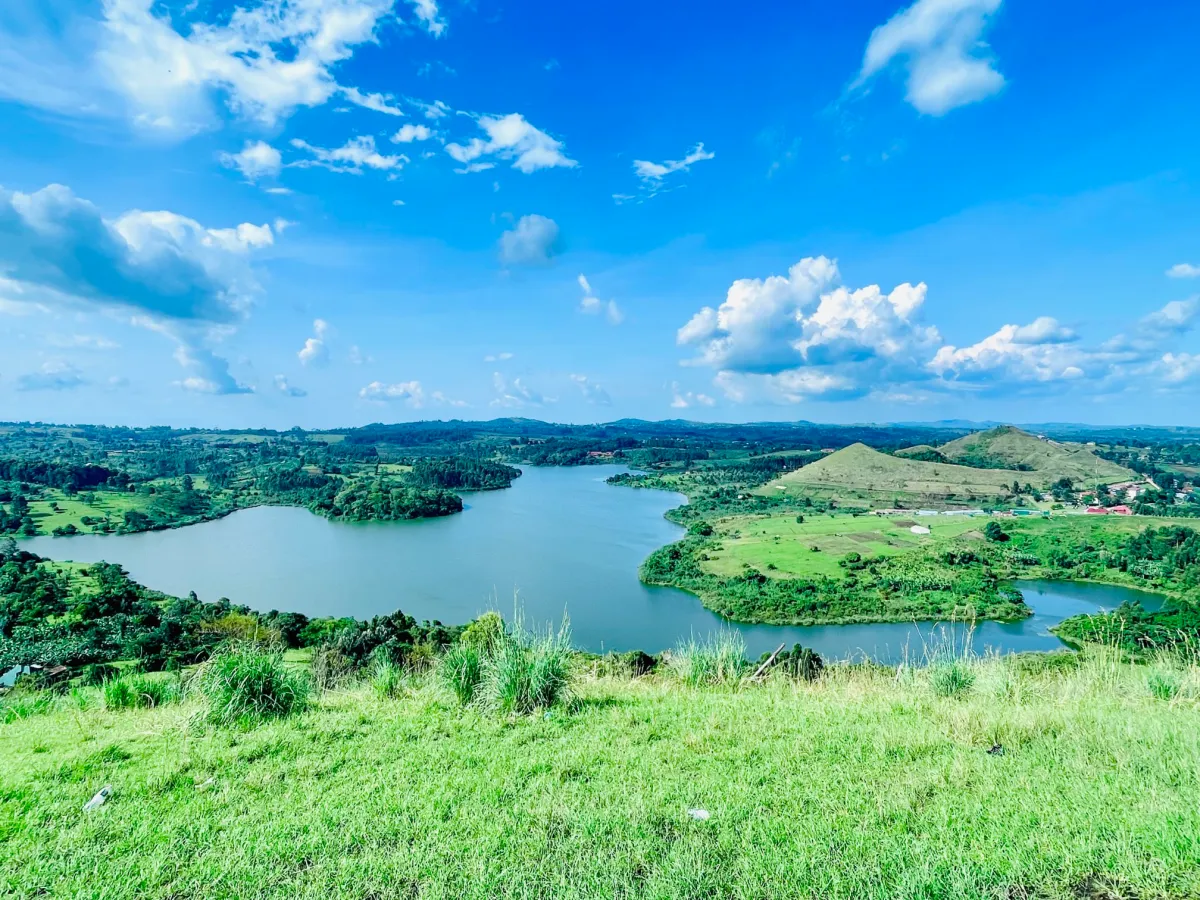
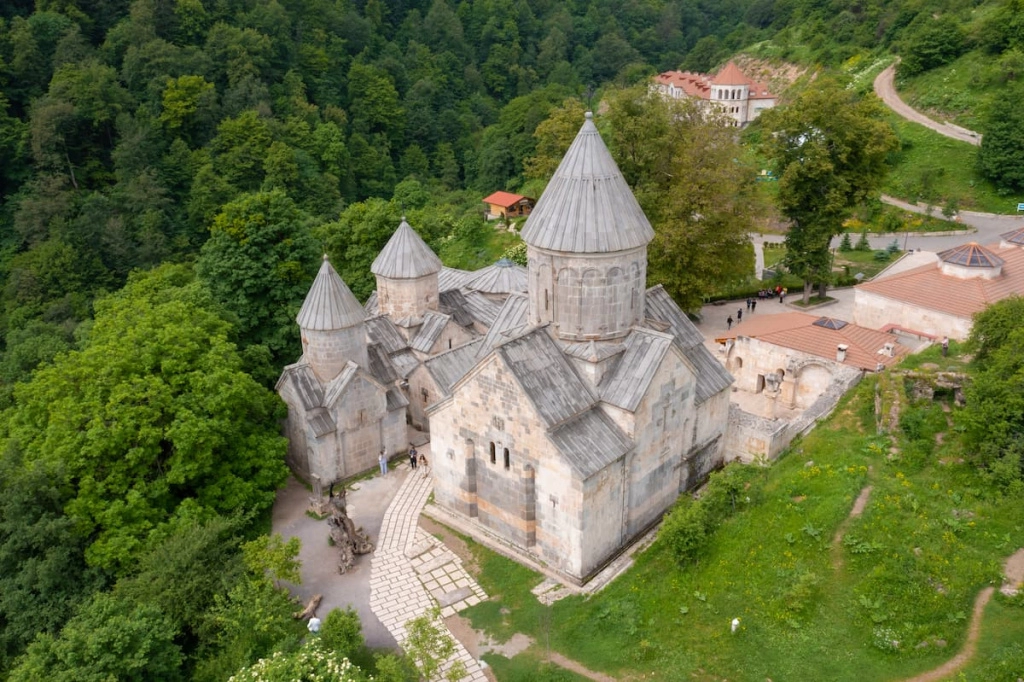
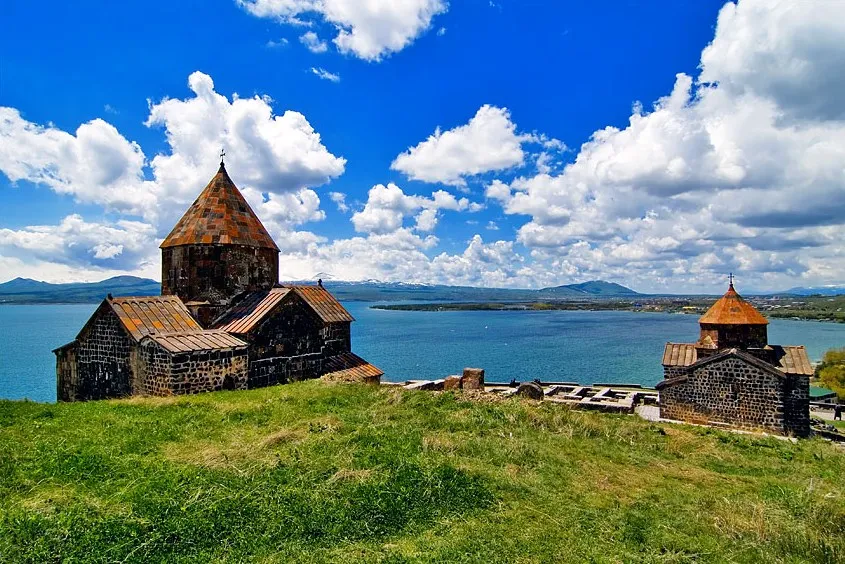
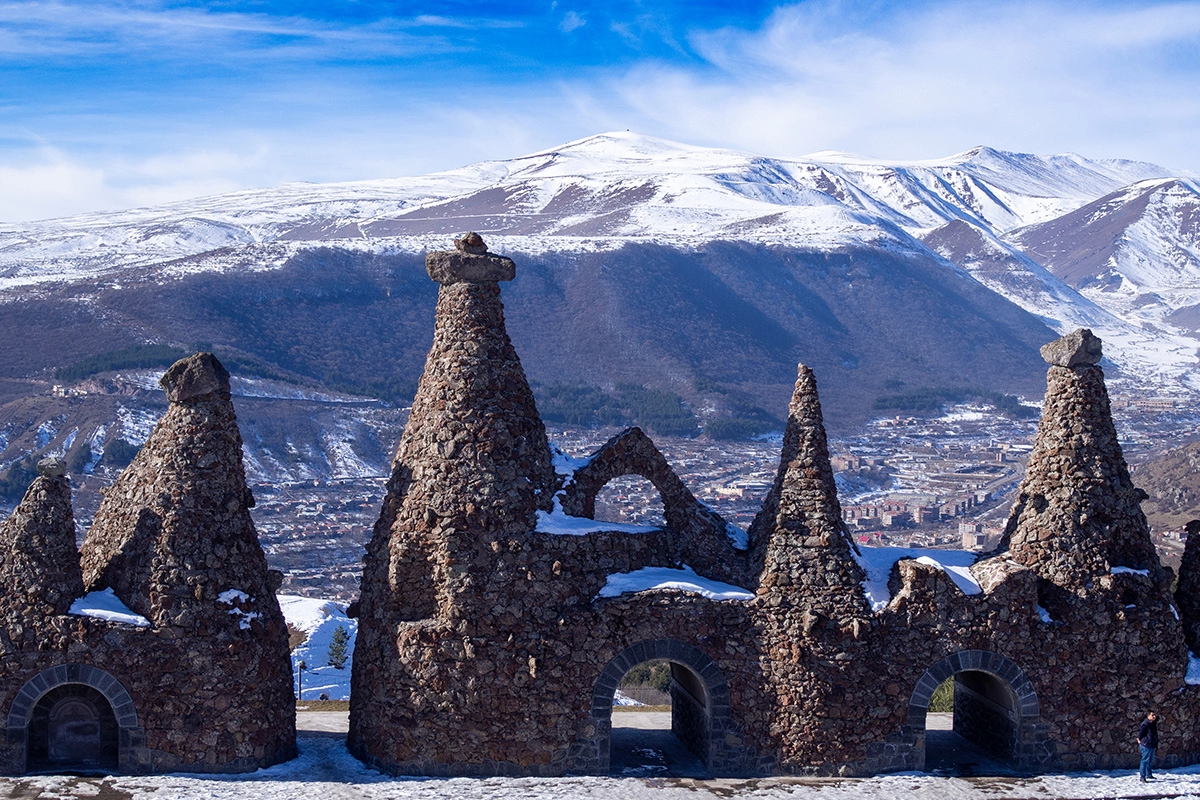
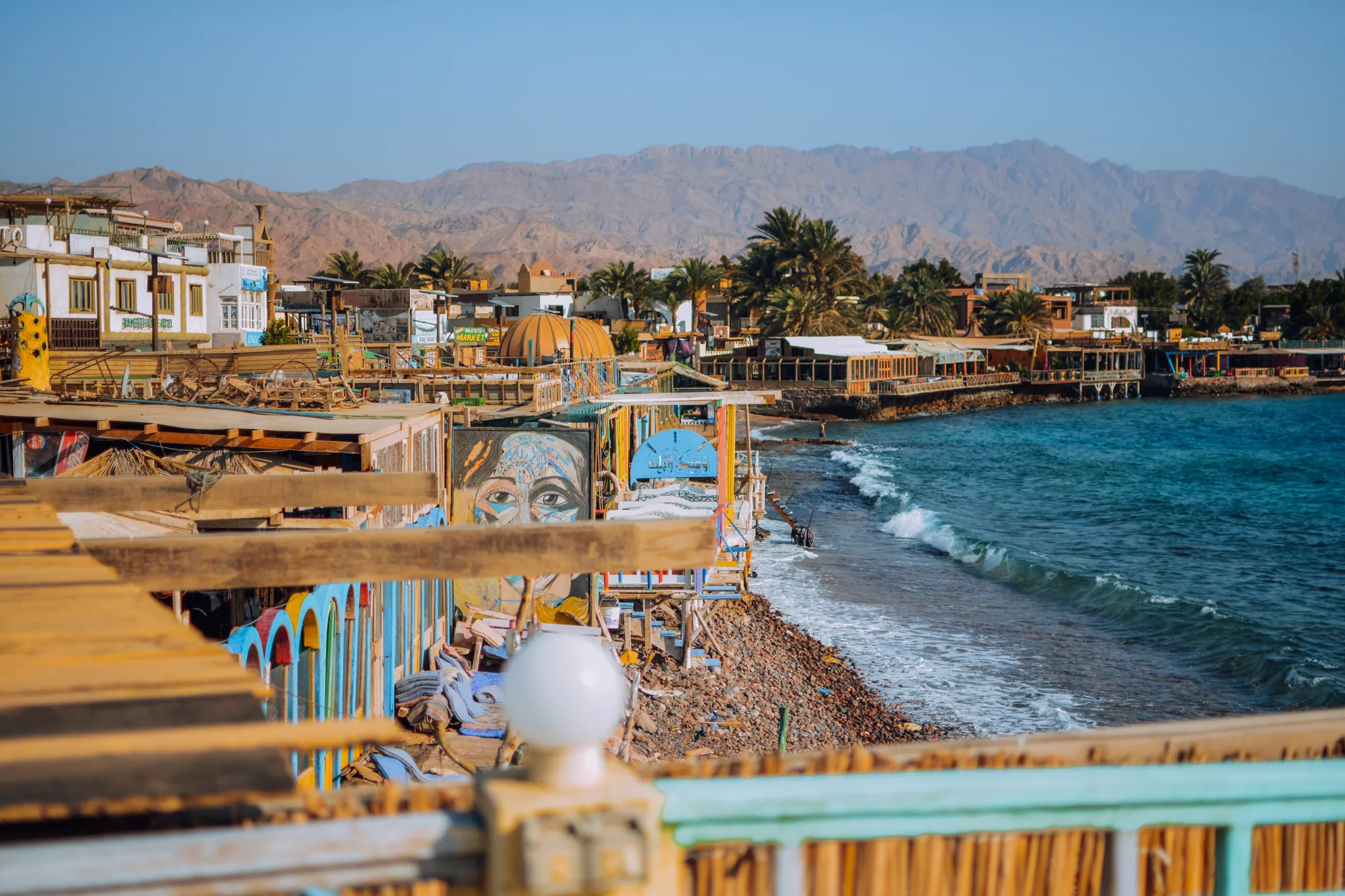
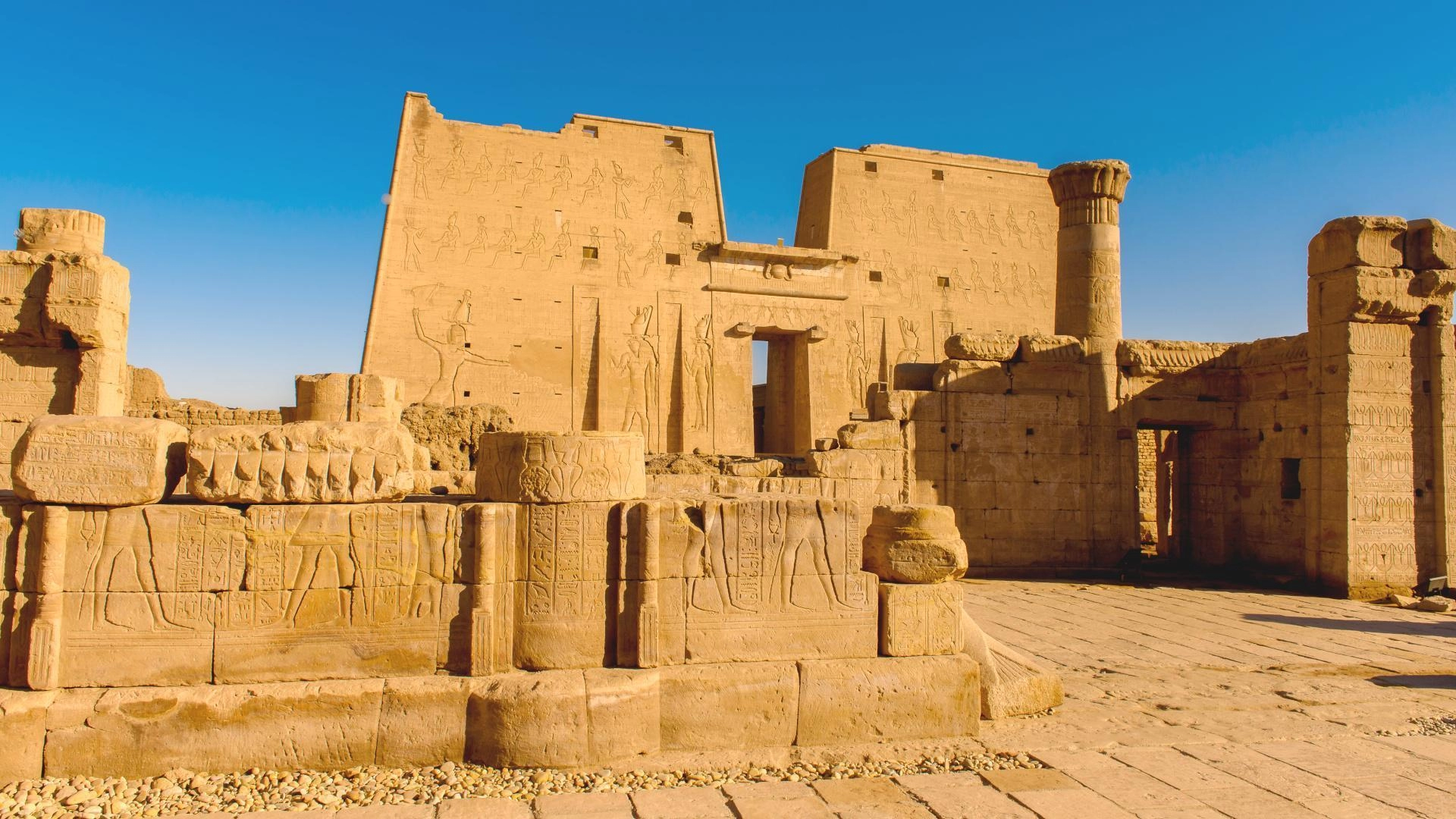

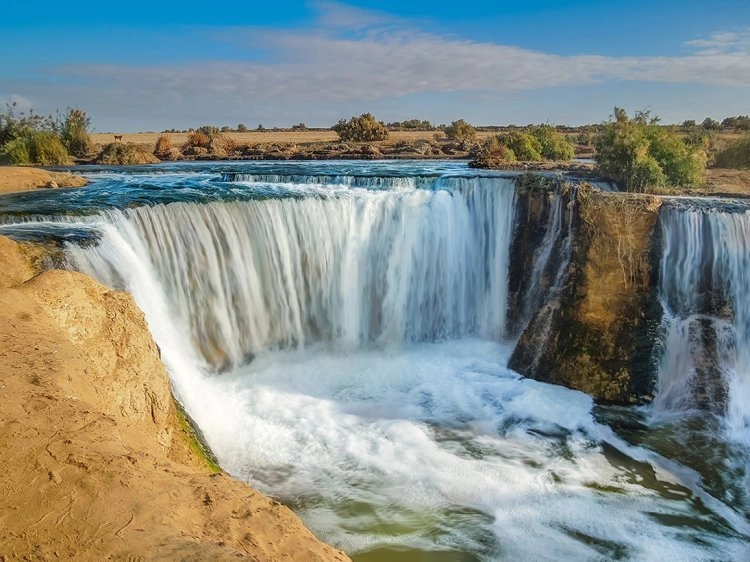
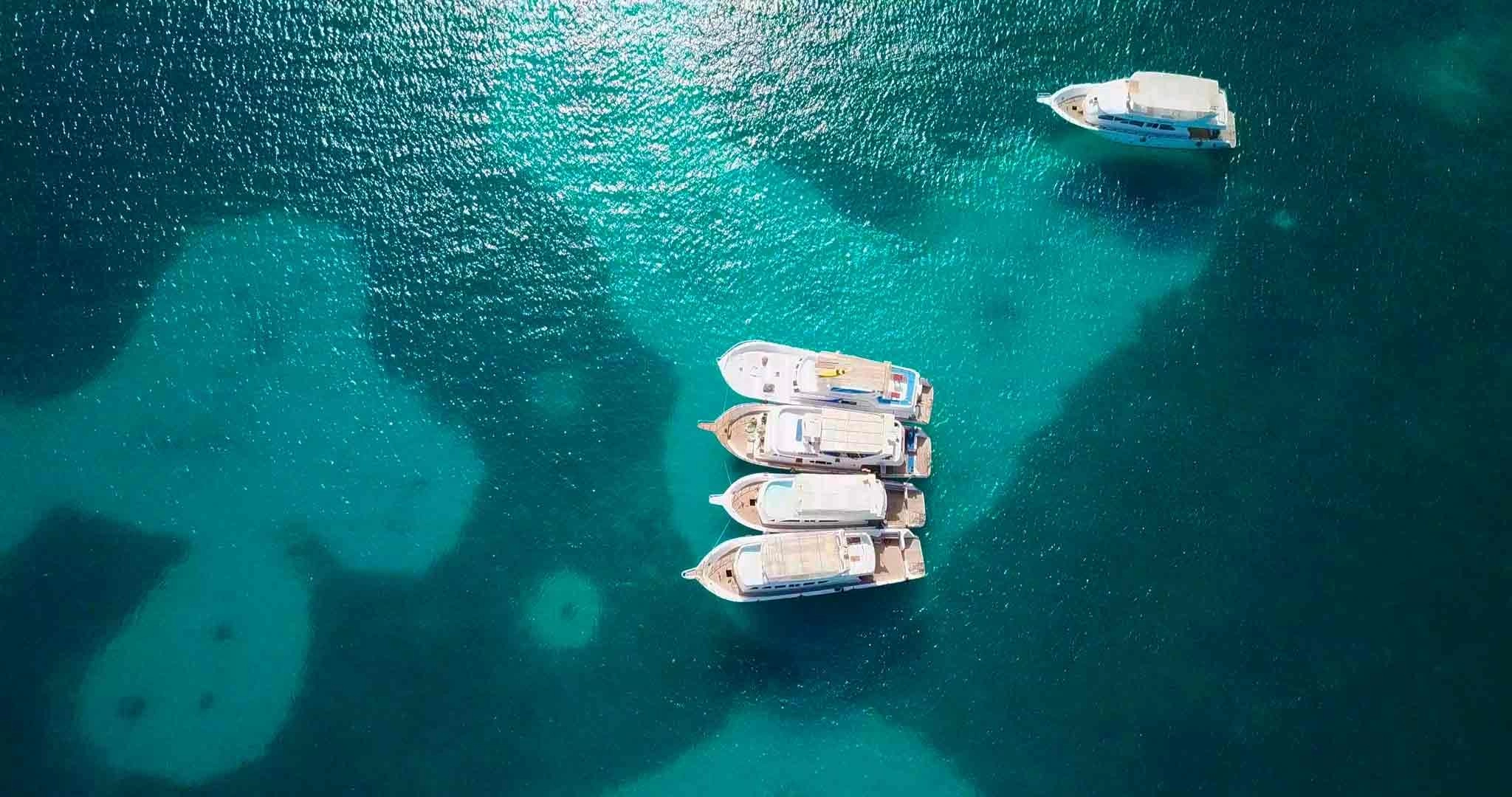
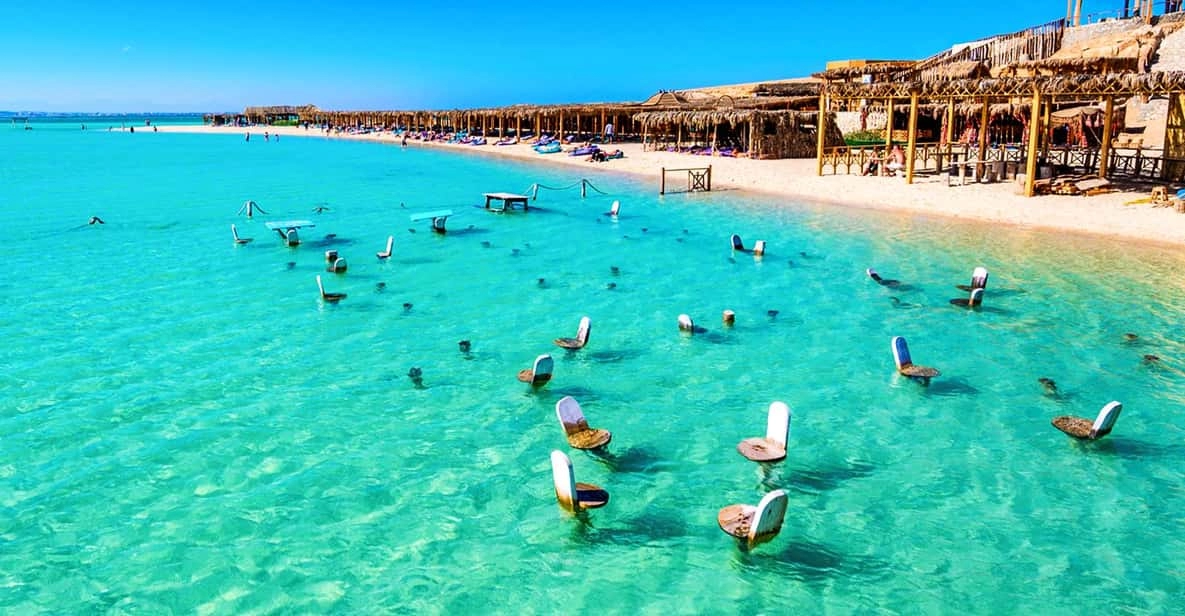
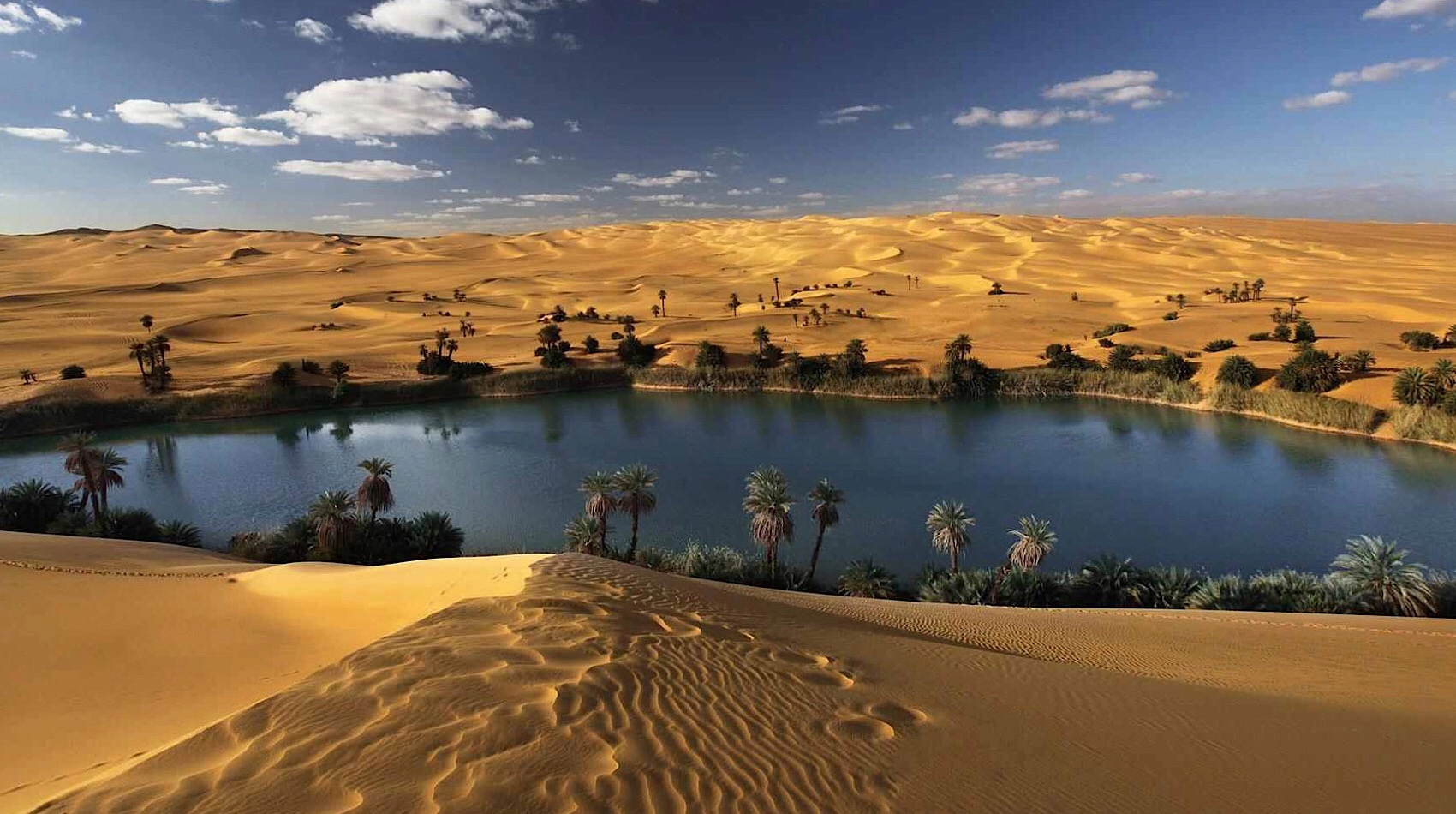
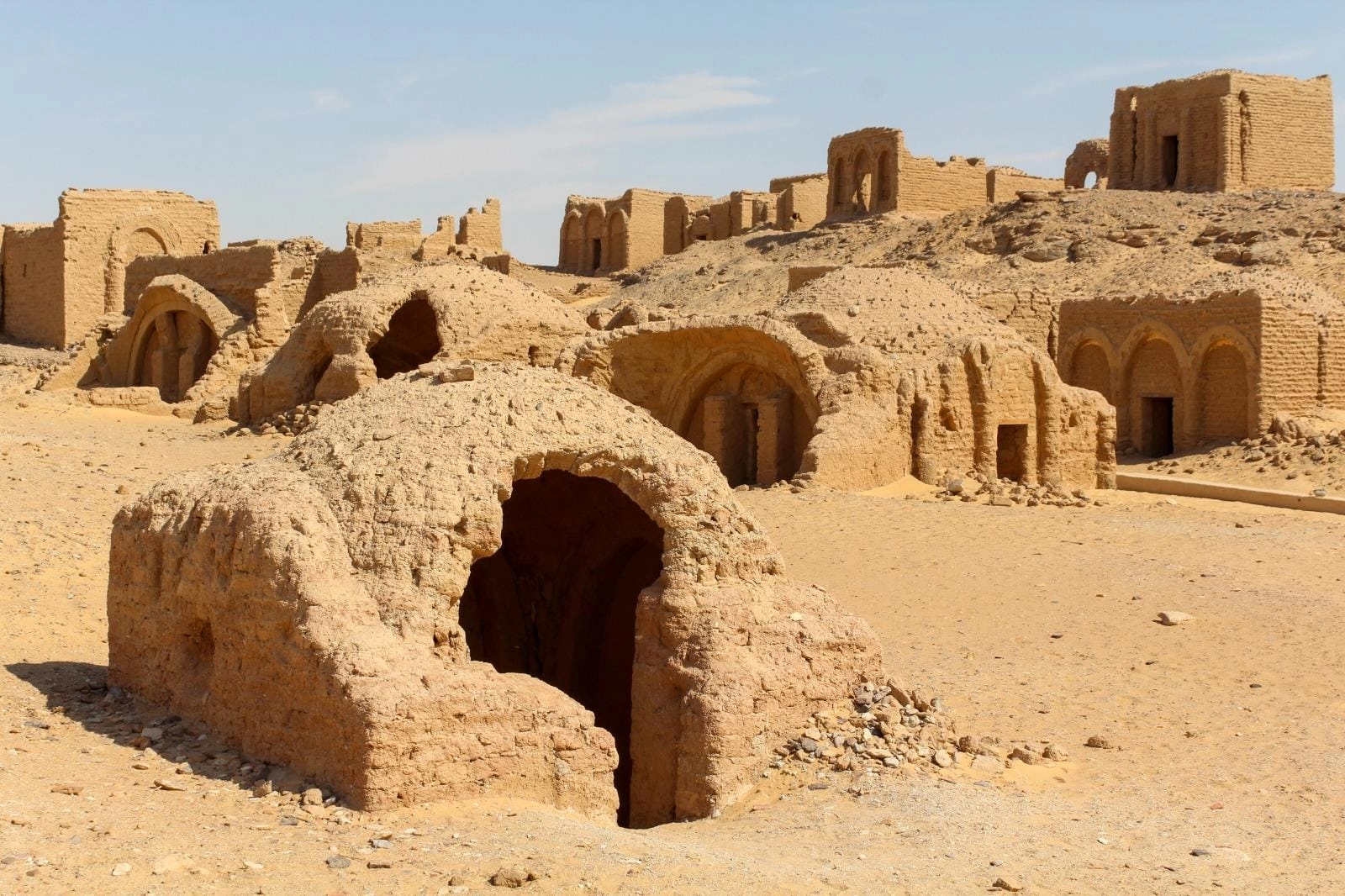

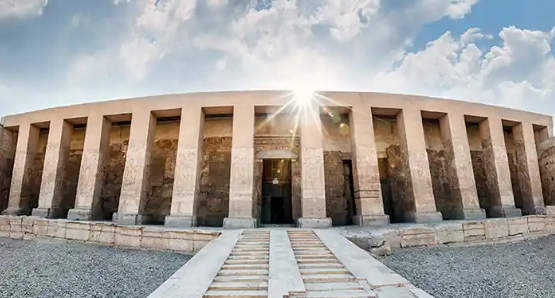
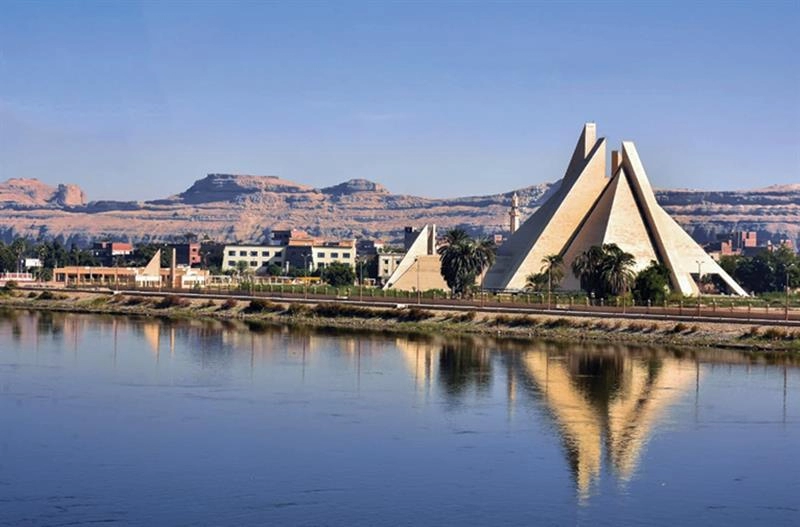
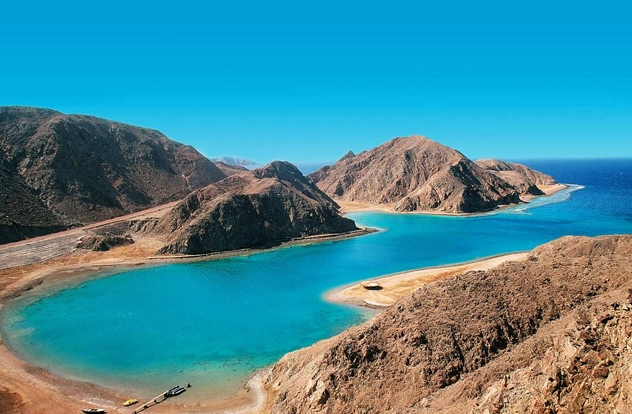
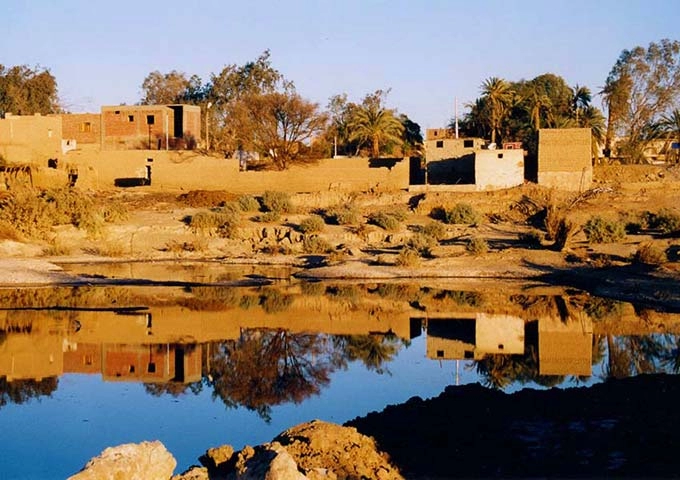

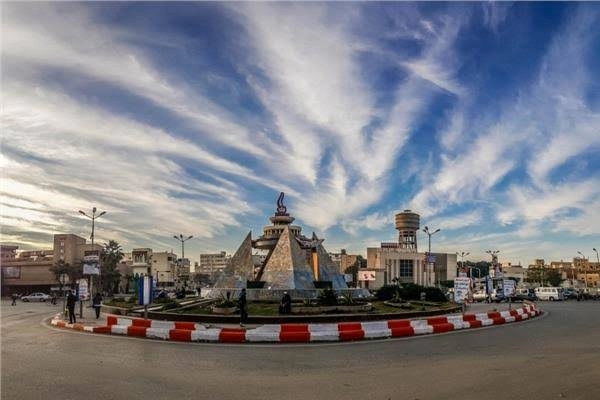
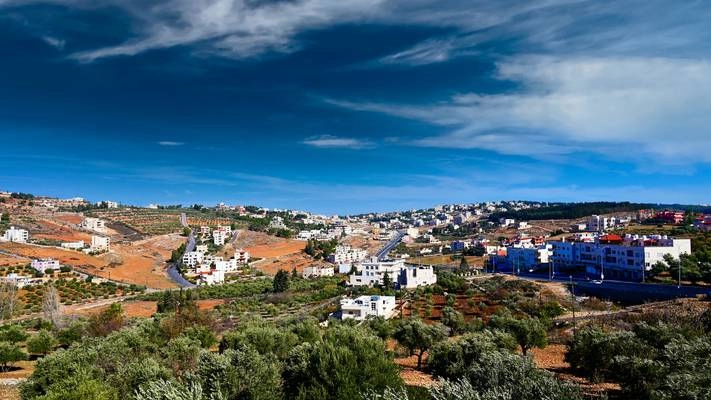
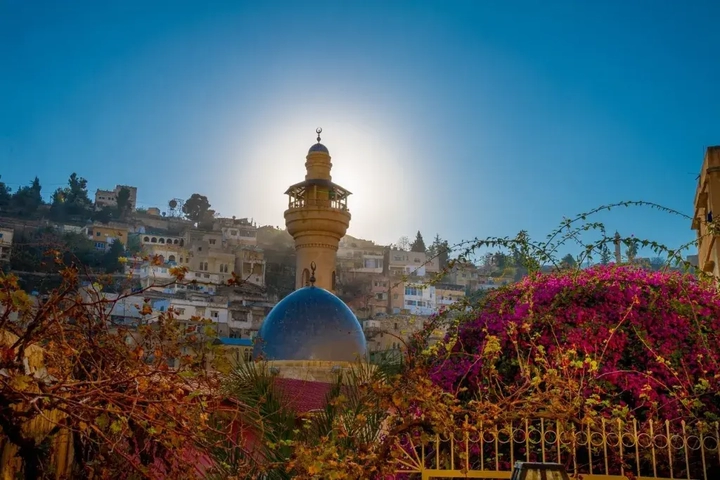
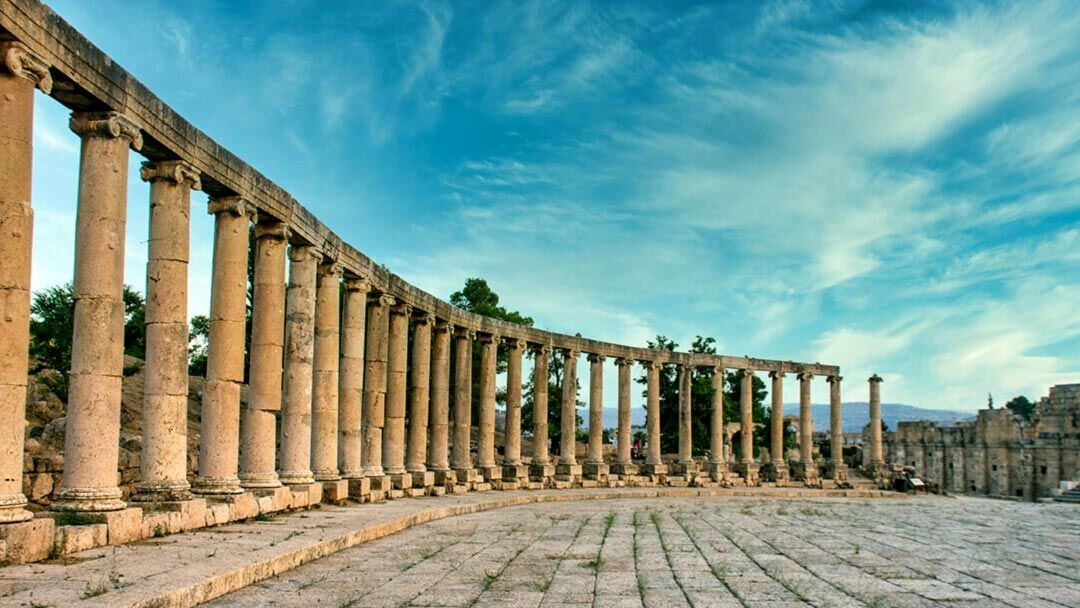

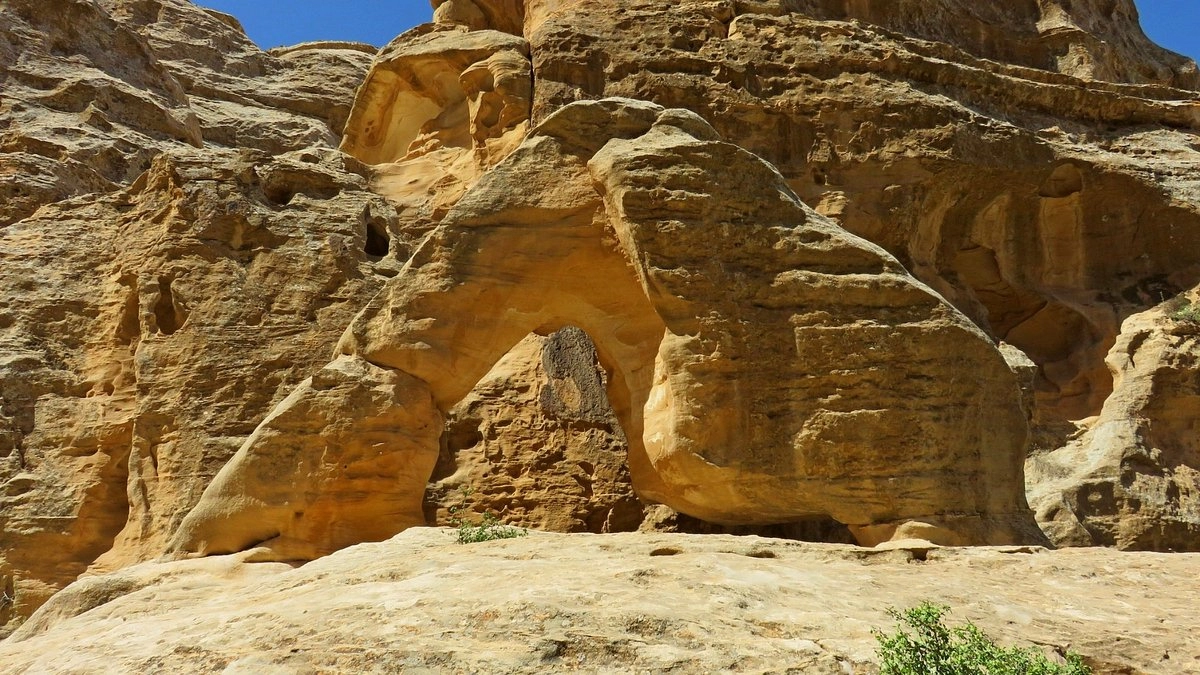
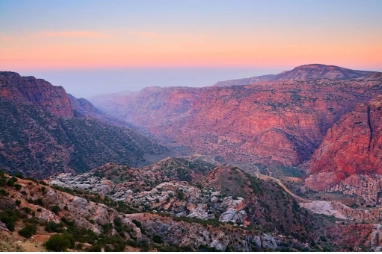
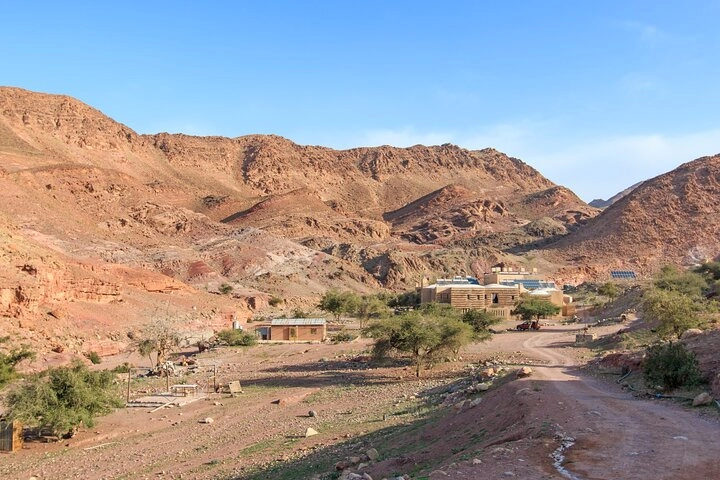
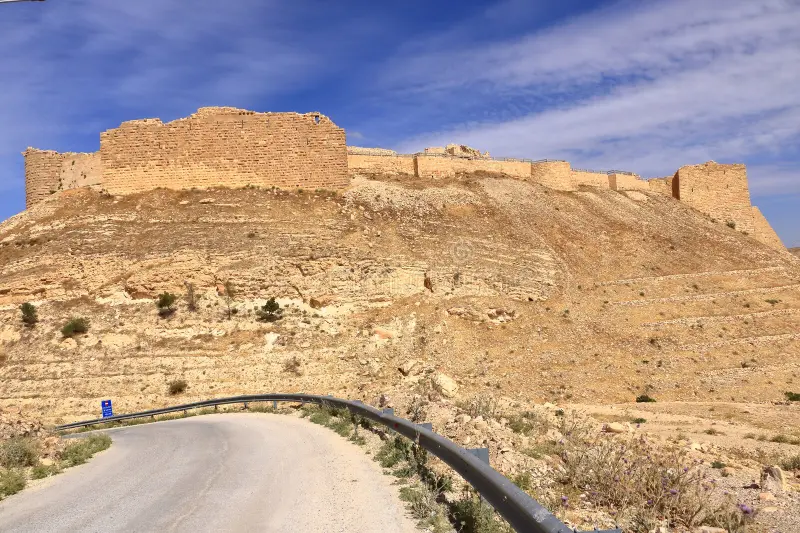
Siwa Oasis is where magic of the Egyptian land resides. It comes together from the past, the present with the beautiful desert scenery all around. Besides the remarkable flora and fauna, the archaeological sites with mud-brick fortresses, ancient temples, etc. provide great insight into the life in this part of the world long ago. The comprehensive guide to Siwa’s culture, historical sites, and the amazing natural beauty is aimed at the passengers who want to experience the true charm of the Western Desert.
Siwa's Players, Unique Culture & Traditions
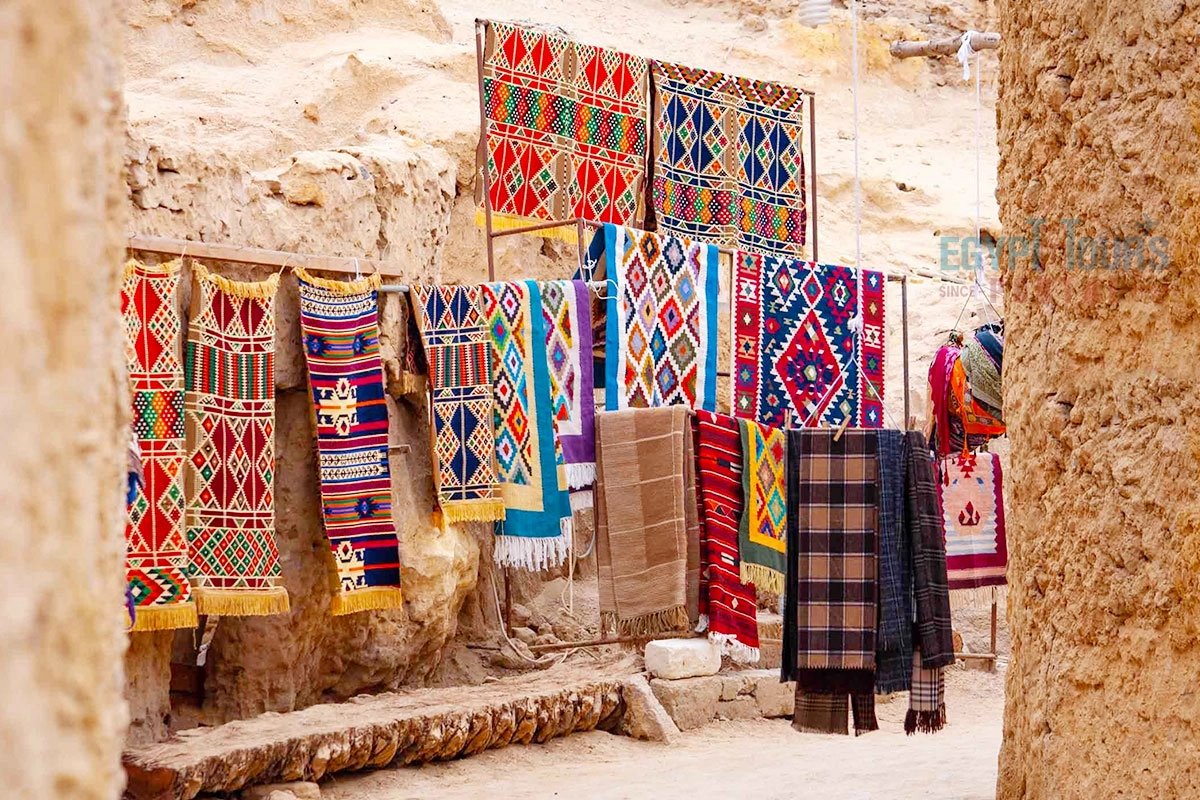
Siwa is the place where the Amazigh (Berber) people live—one of the most ancient civilizations of North Africa. Their culture can be seen in their language, architecture, costumes, and everyday practices. A. Siwan People & Language The Siwan people use the Siwi language which is a dialect of the Amazigh language. The inhabitants of the area are characterized by their warm-heartedness and a very pronounced cultural identity. B. Traditional Clothing & Crafts The ladies are in beautiful, colorful dresses with heavy silver jewelry. Siwa is also known for its handmade artifacts such as baskets, rugs, and pottery. C. Festivals & Cultural Events The Siyaha Festival (Festival of Unity) is an important yearly event that conveys peace and community. The local festivities frequently feature traditional music, dancing, and storytelling.
History Carved in Stone: Siwa's Ancient Past
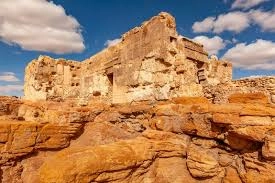
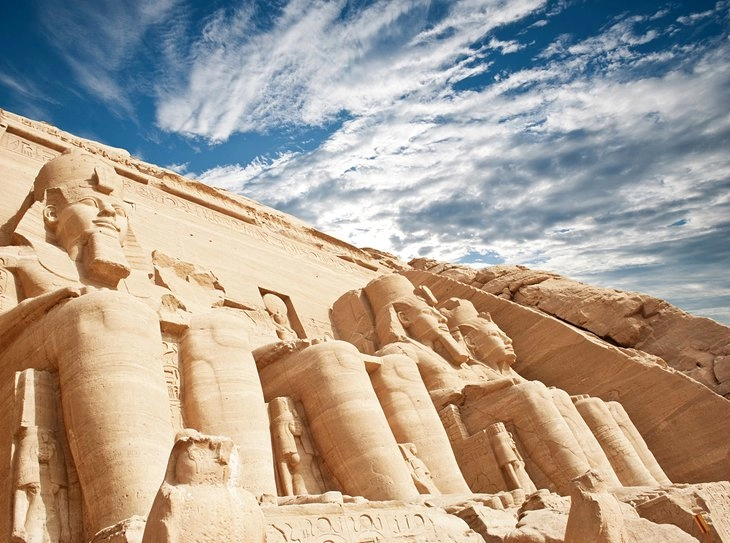
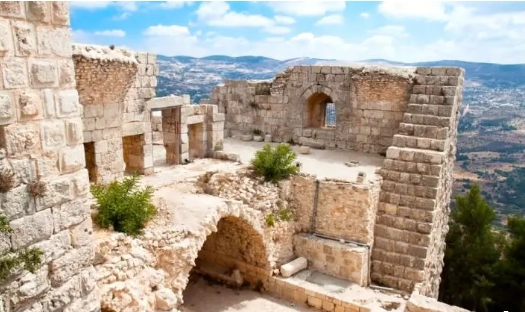
The past of Siwa is very long. It is a mixture of different cultures such as that of Egyptians, Berbers, and the Graeco-Roman period. A. Temple of the Oracle (Amun Temple) One of the most well-known places of Siwa, which was oracle that influenced even the decision of Alexander the Great. Discover the ancient ruins Get to know Siwa's importance as a religious center B. Shali Fortress This is the mud-brick castle which was built in the 13th century and is very high. It gives great views of the oasis It is a sign of Siwa's strength C. Mountain of the Dead (Gebel al-Mawta) The mountain has a lot of tombs of the 26th Dynasty and Roman period. Burials with paintings having bright and marked up words An interesting site for excavation D. Historic Villages & Old Markets Go through the picturesque villages of Siwa and feel the Mansions made of stones and mud Local markets that are rich in handicrafts and spices coûts
Siwa’s Natural Wonders: Beauty in Every Corner
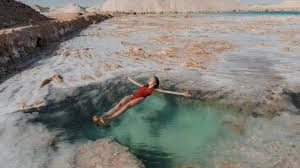
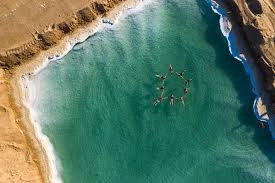
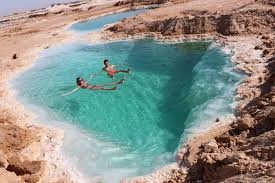
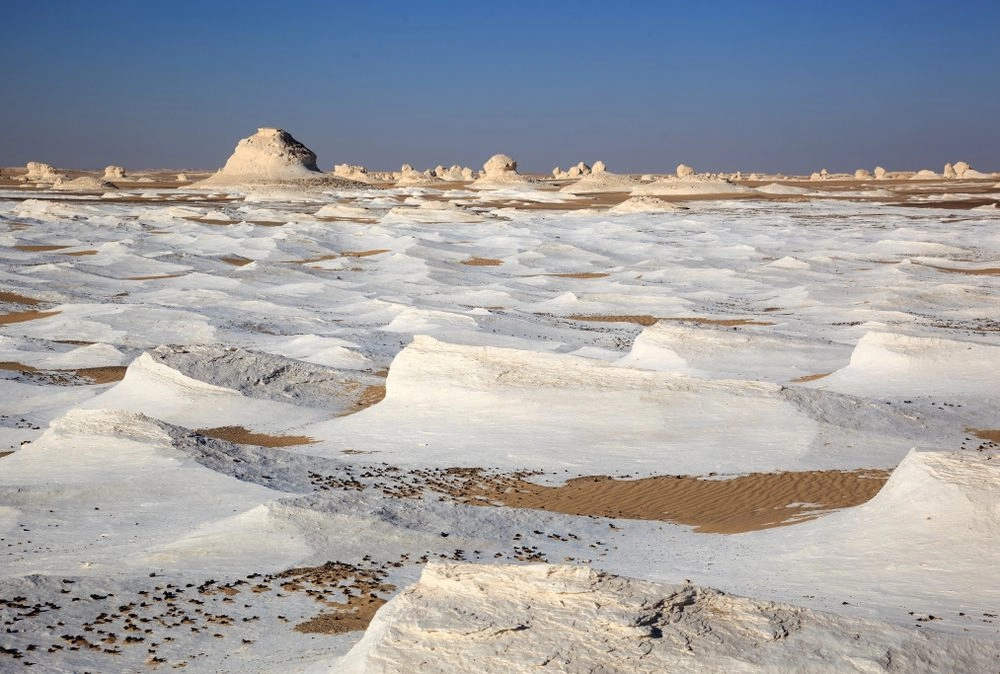
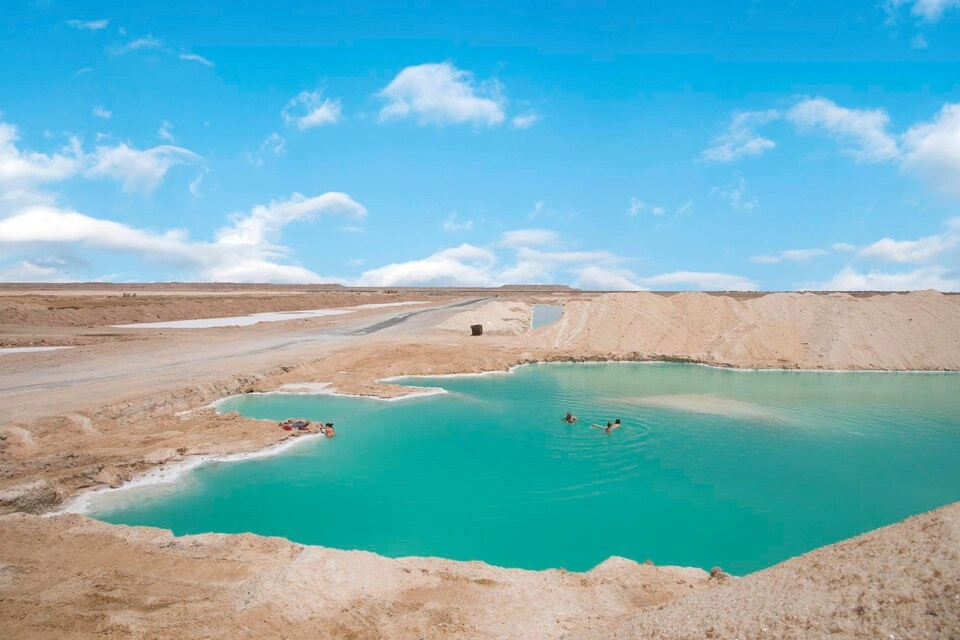
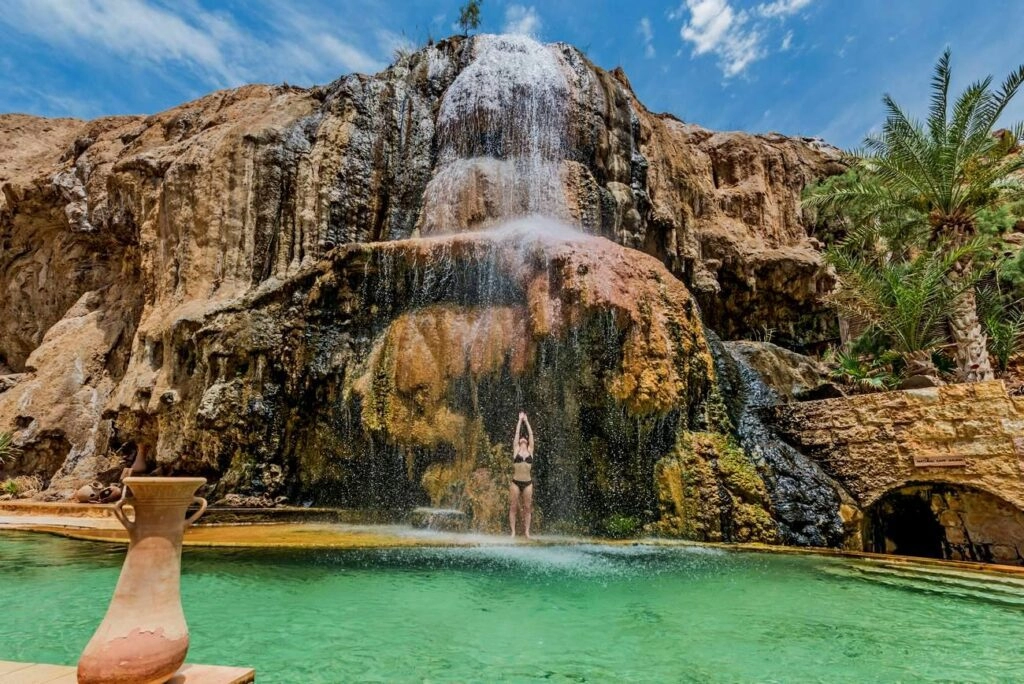
The landscapes of Siwa are the most stunning in Egypt—quiet, raw, and amazing. A. Siwa Salt Lakes A natural phenomenon that lets you swim like a cork in water of turquoise color. Extremely high salt concentration Unbelievable reflections like a mirror B. Cleopatra’s Bath (Cleopatra Spring) A natural swimming pool that is very well known and is constantly replenished with warm, clear spring water. Ideal for a swim Encircled by palm trees and cafés C. Freshwater Springs & Wells There are over 200 natural prings in Siwa. Among the best springs are: Ein Dakrour Pharaoh’s Spring Abu Sherouf Spring D. The Great Sand Sea The largest seas of sand in the world, providing: Grand dunes Lakes in the desert Landscapes of fossils E. Palm Groves & Olive Farms Siwa is renowned for Top-notch dates Olive oil of high quality Quiet trees that are great for taking nature walks
Cultural Experiences You Shouldn’t Miss
A. Visit Local Markets You will find ready-made jewelry, dates, oils, and products made of Siwan salt, baskets, and so on. B. Enjoy Siwan Cuisine Try the following meals: Siwan pita bread Stews cooked in a Tagine Desserts made of dates Meals with organic olive oil C. Desert Camping & Stargazing Silently, Siwa’s secluded desert site offers to do the following: Gathering by the campfire Bedouin tea Incredible stars shining through the sky
Why Siwa Is Unlike Anywhere Else
Siwa inherits a unique and rich coexistence of nature's beauty, age-old culture, and history. It does not matter if you are wandering through temples of the past, bathing in the mystical waters of the salt lakes, or interacting with the inhabitants that keep the traditions alive, Siwa brings the travel experience to an emotional level that is difficult to express.