 Places to see
 Top Destinations
  Things to do


































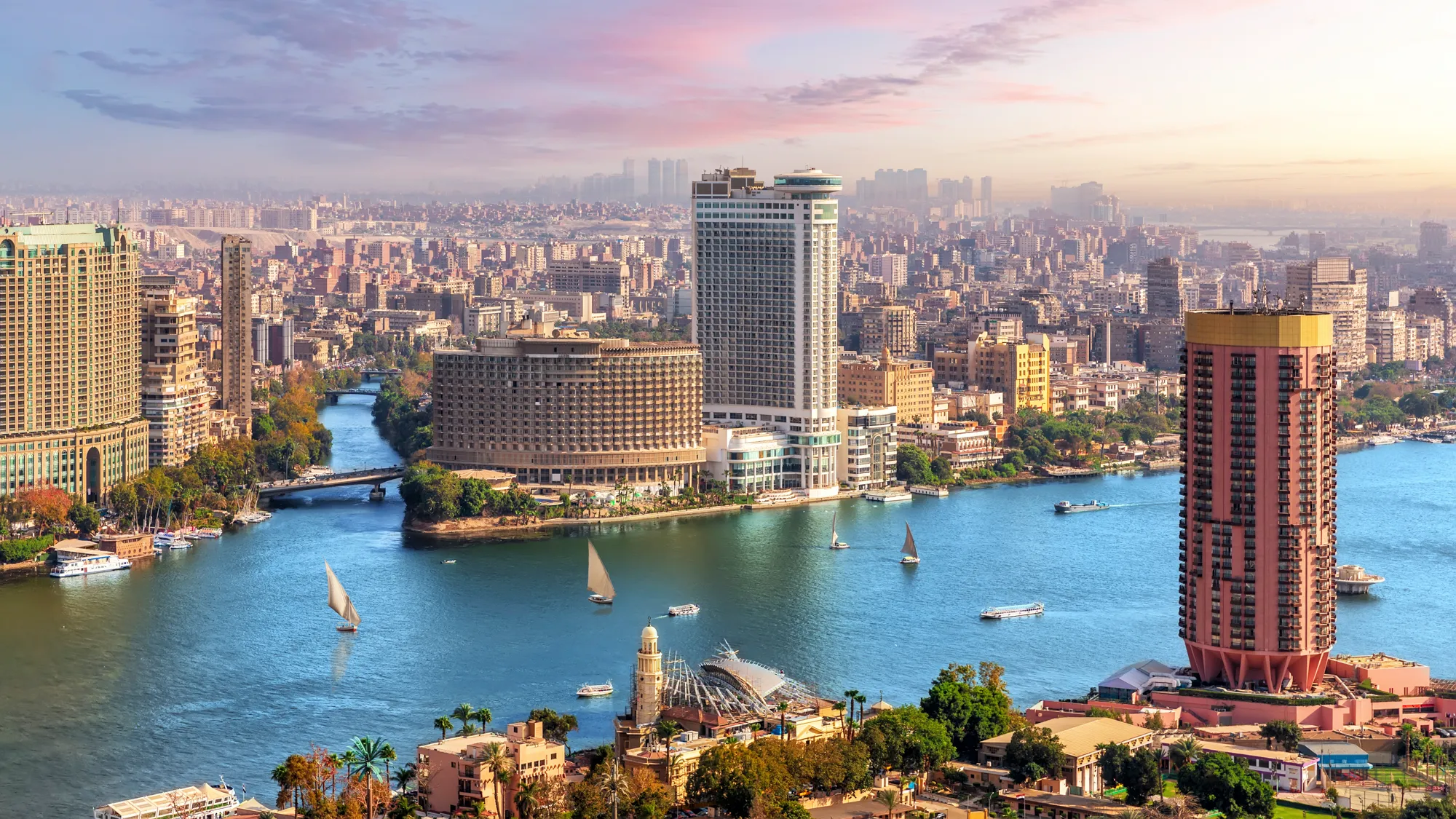

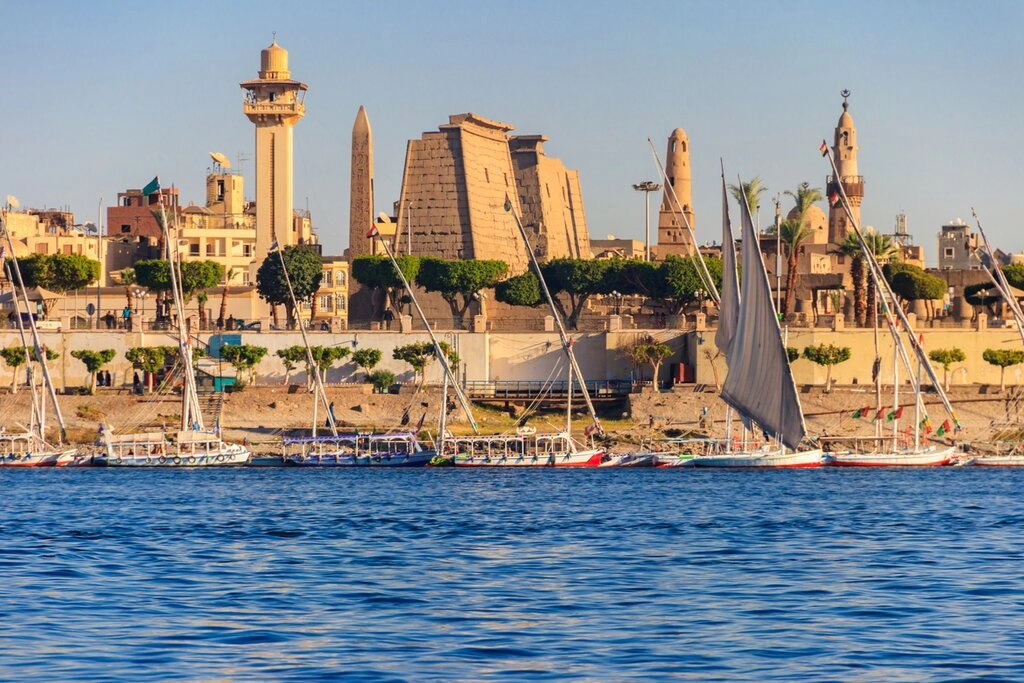
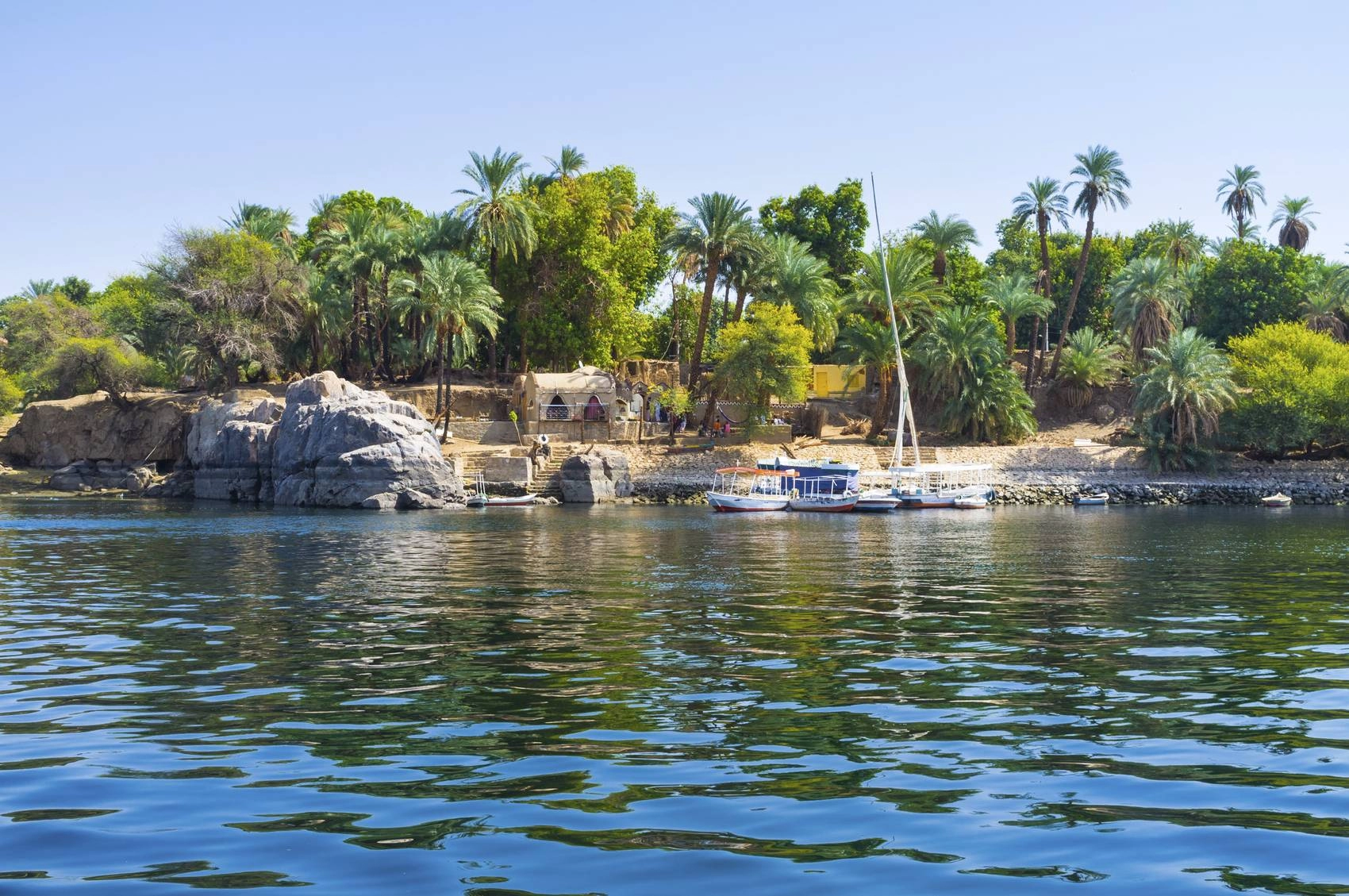
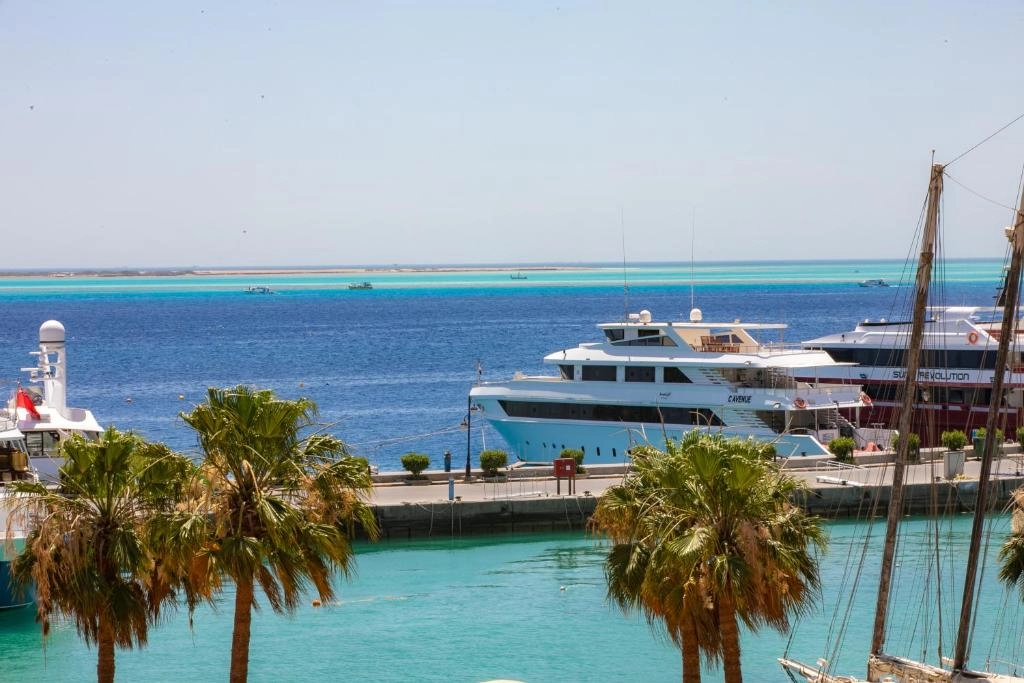

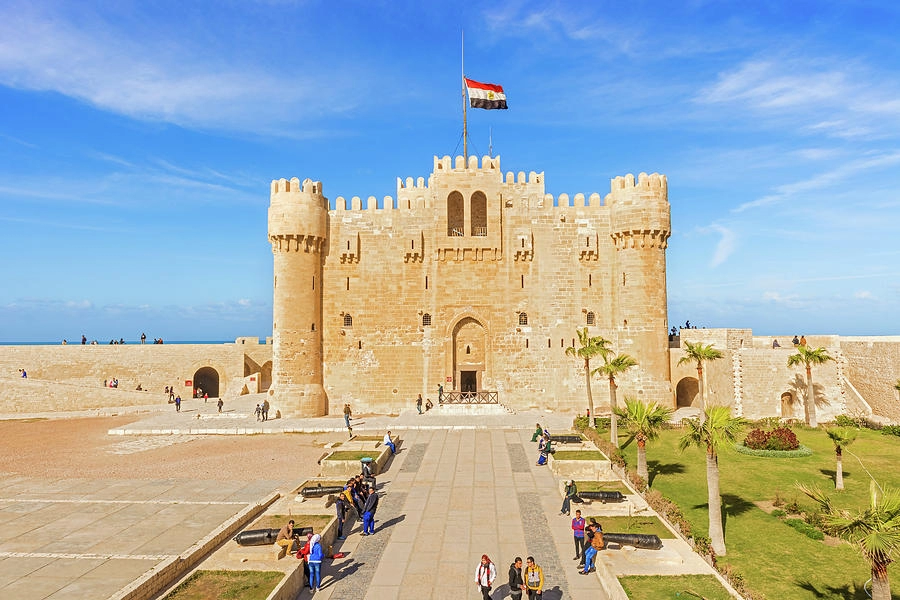


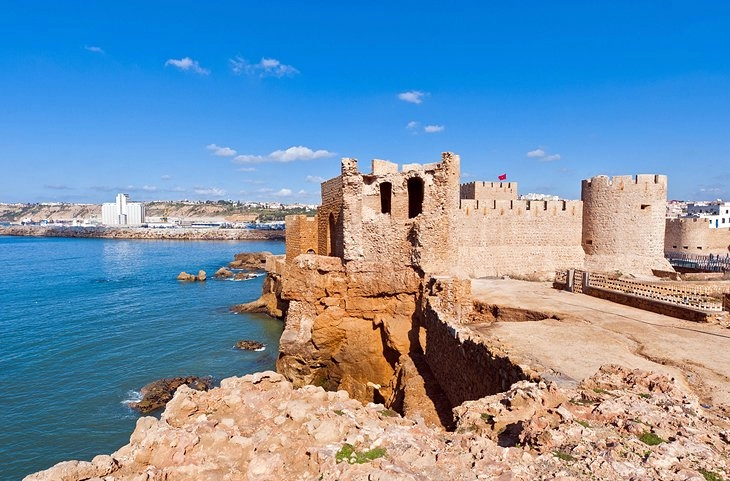




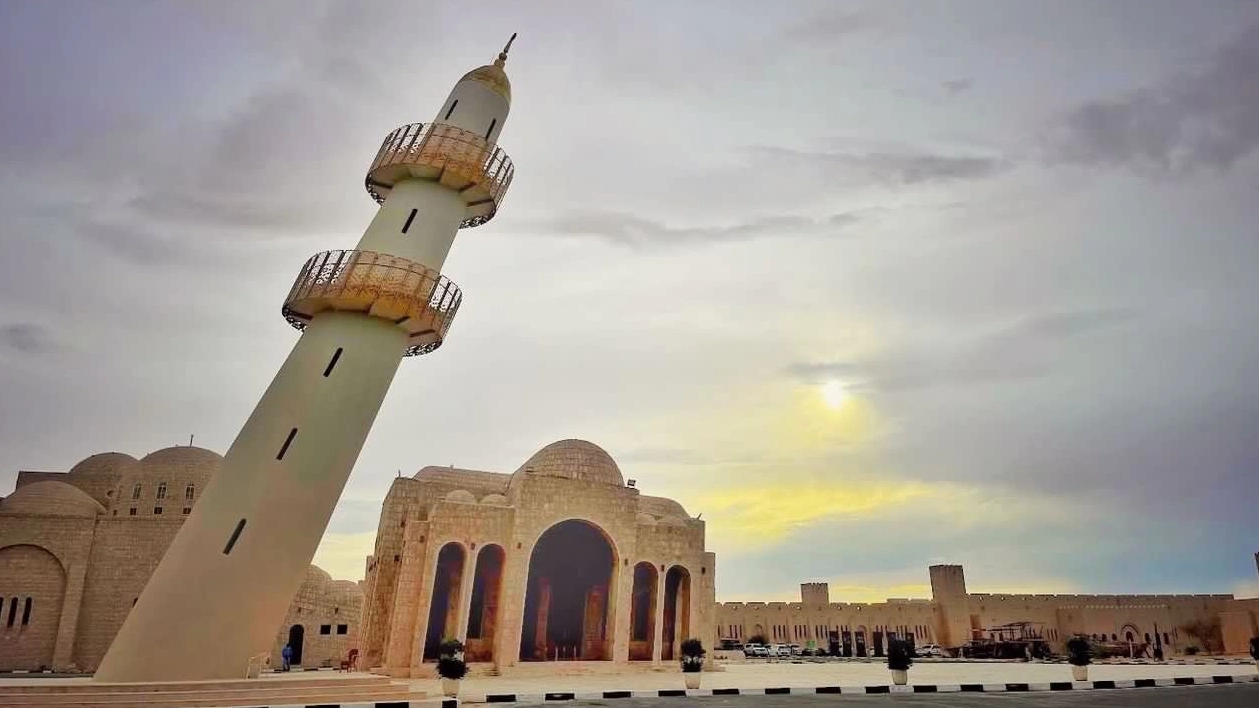

















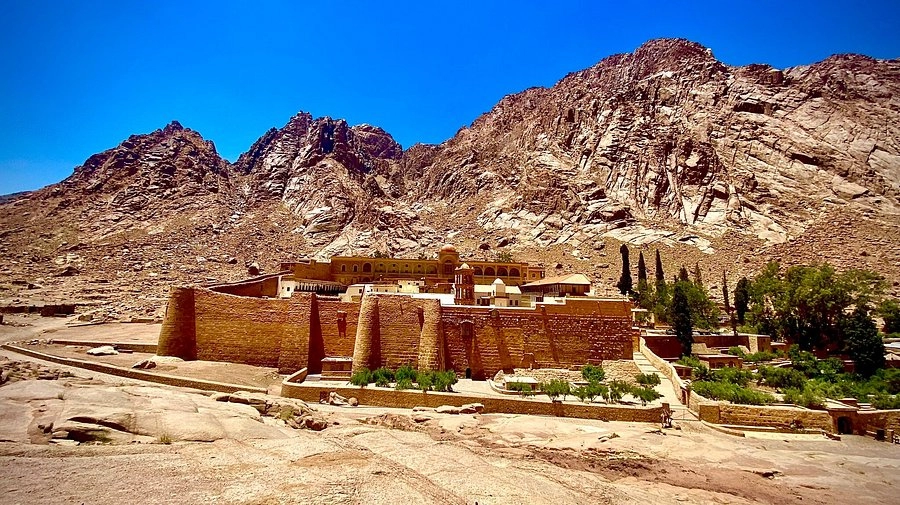


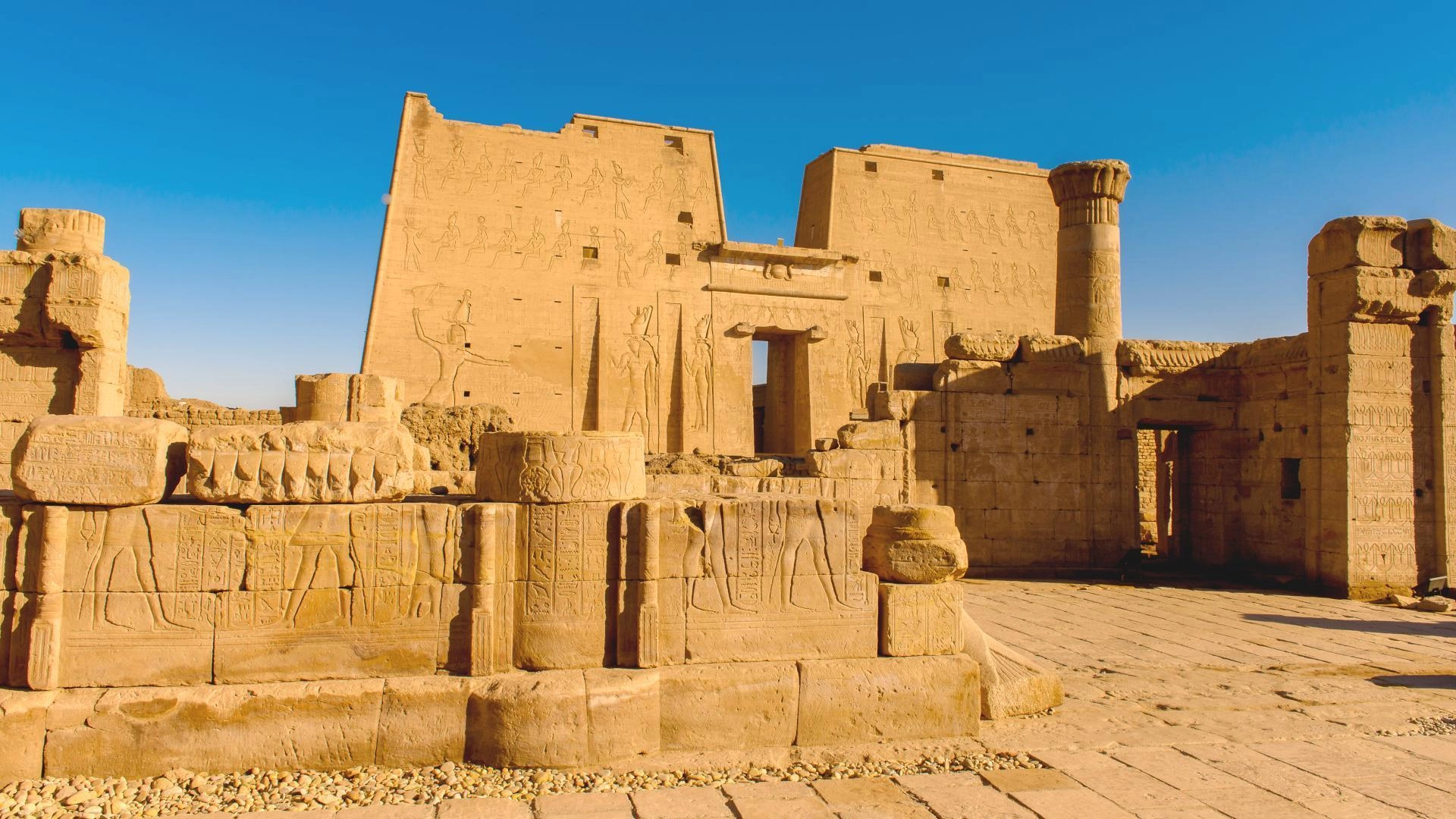


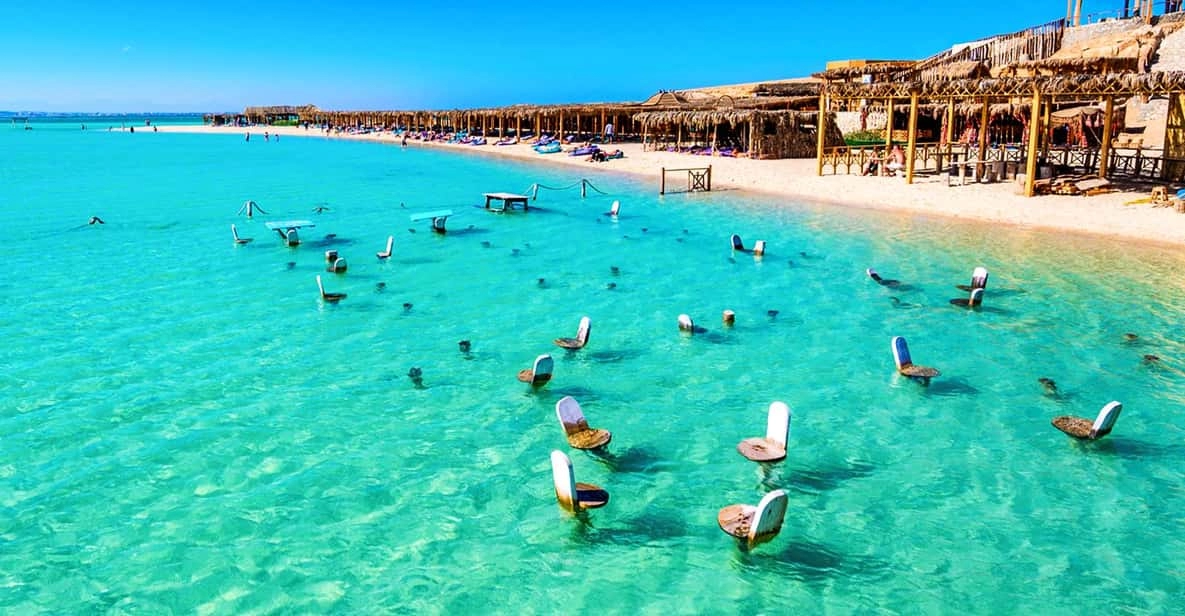
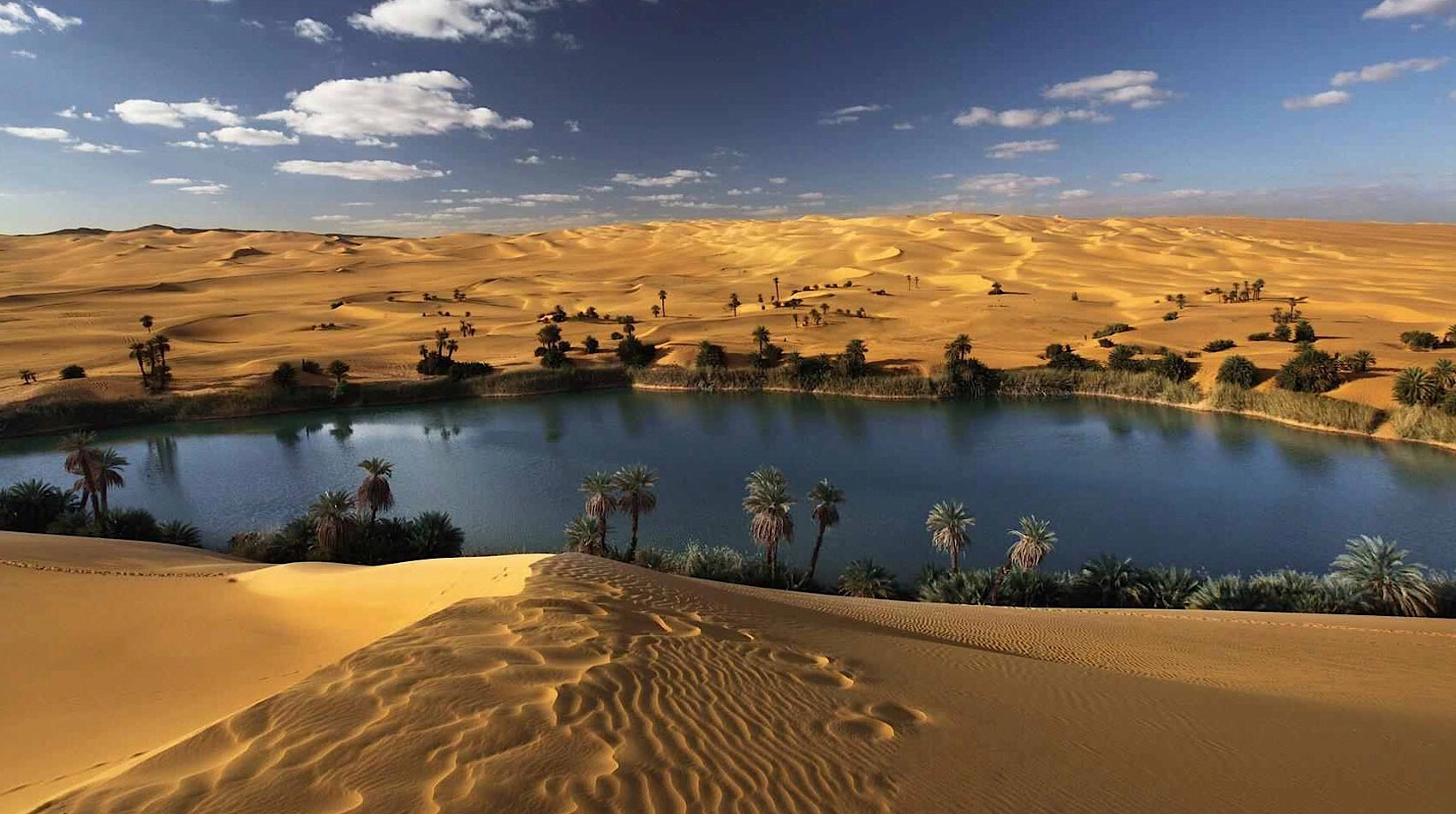
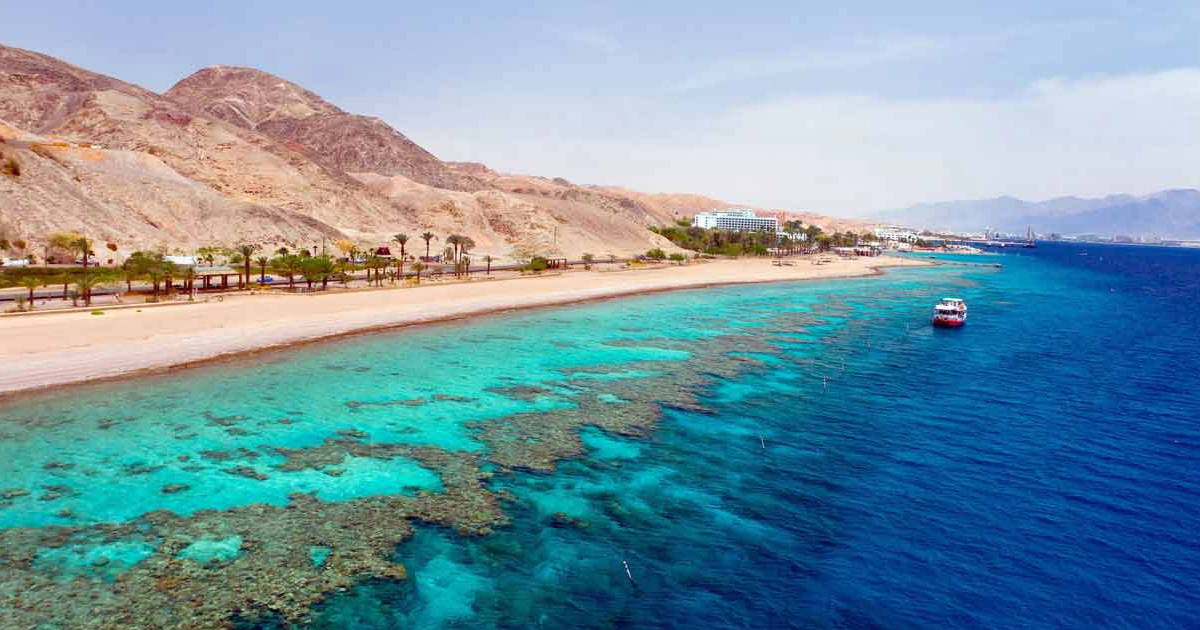


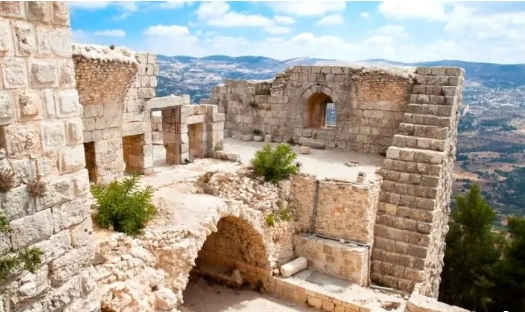

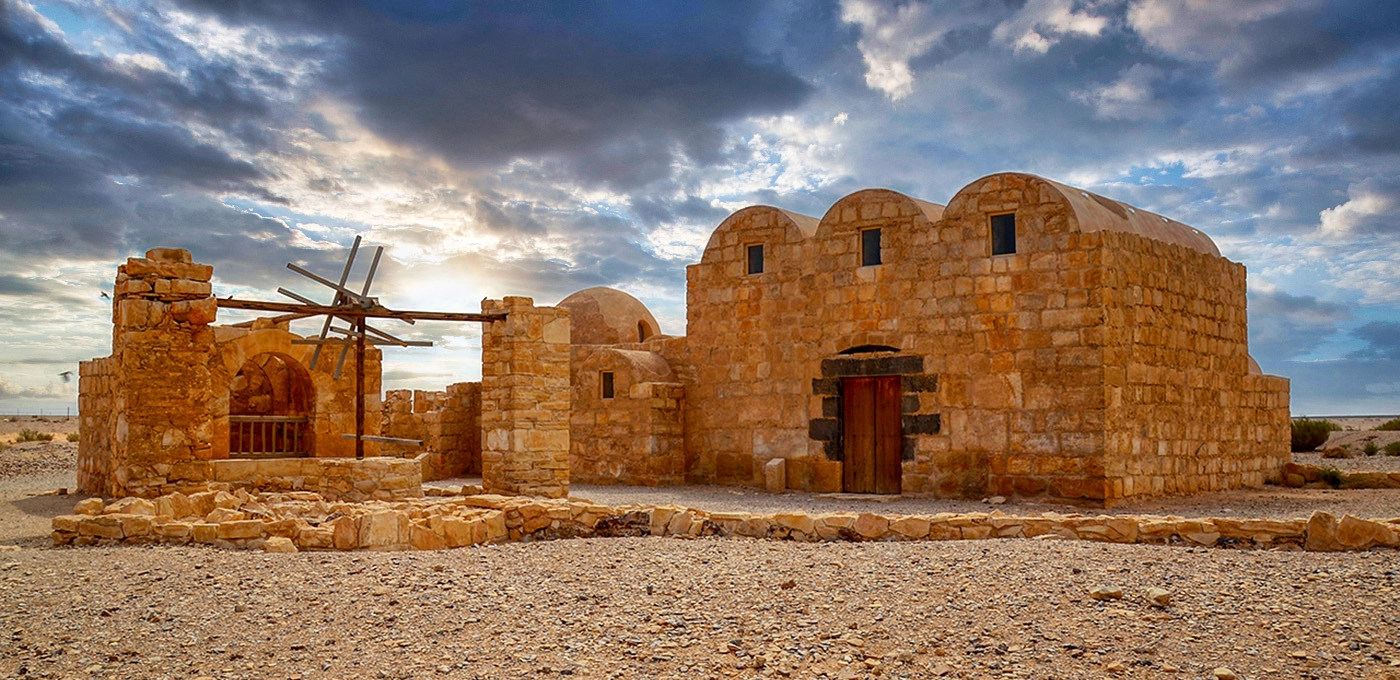
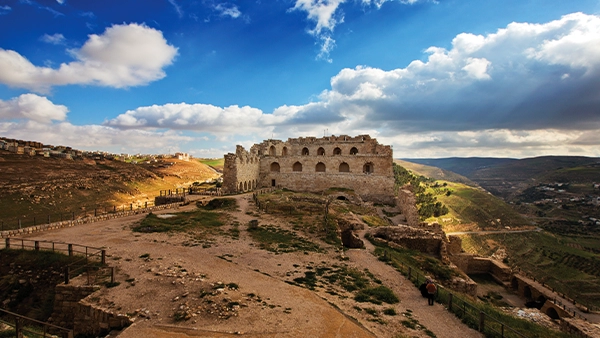
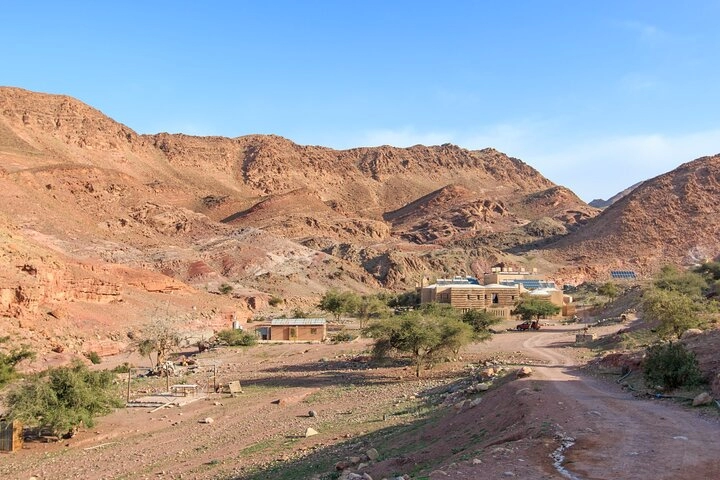
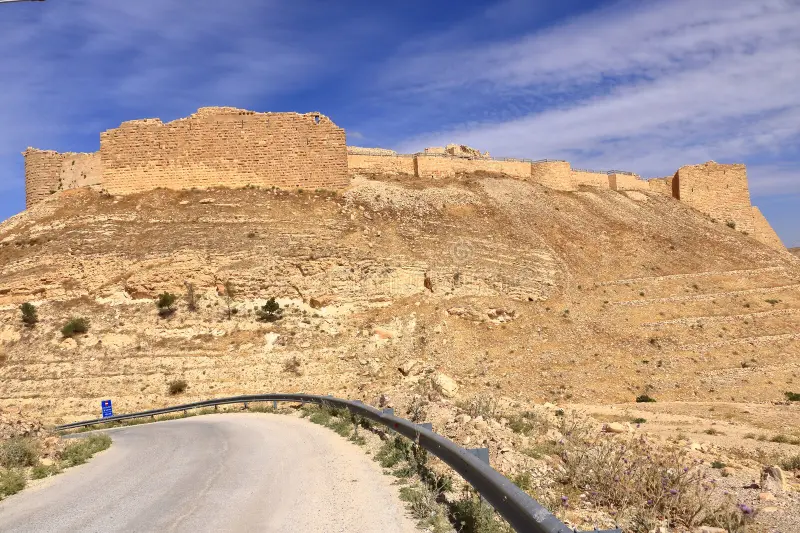
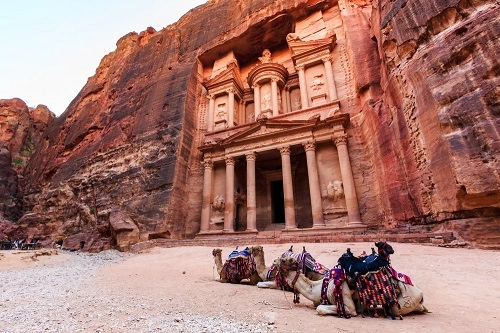
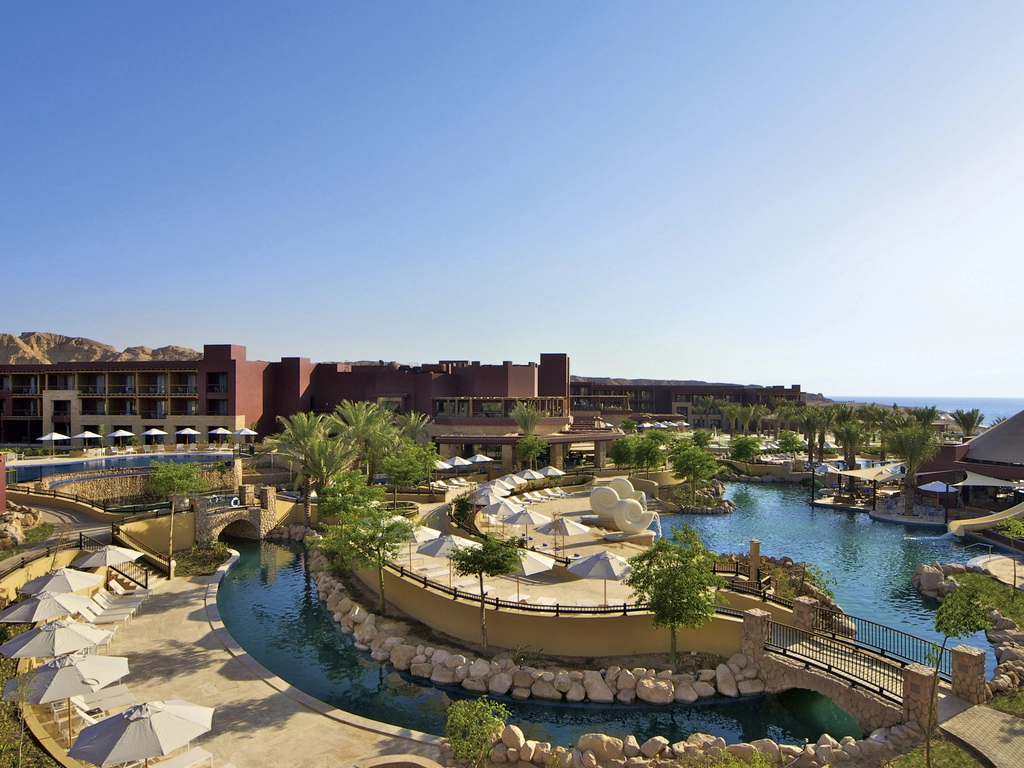

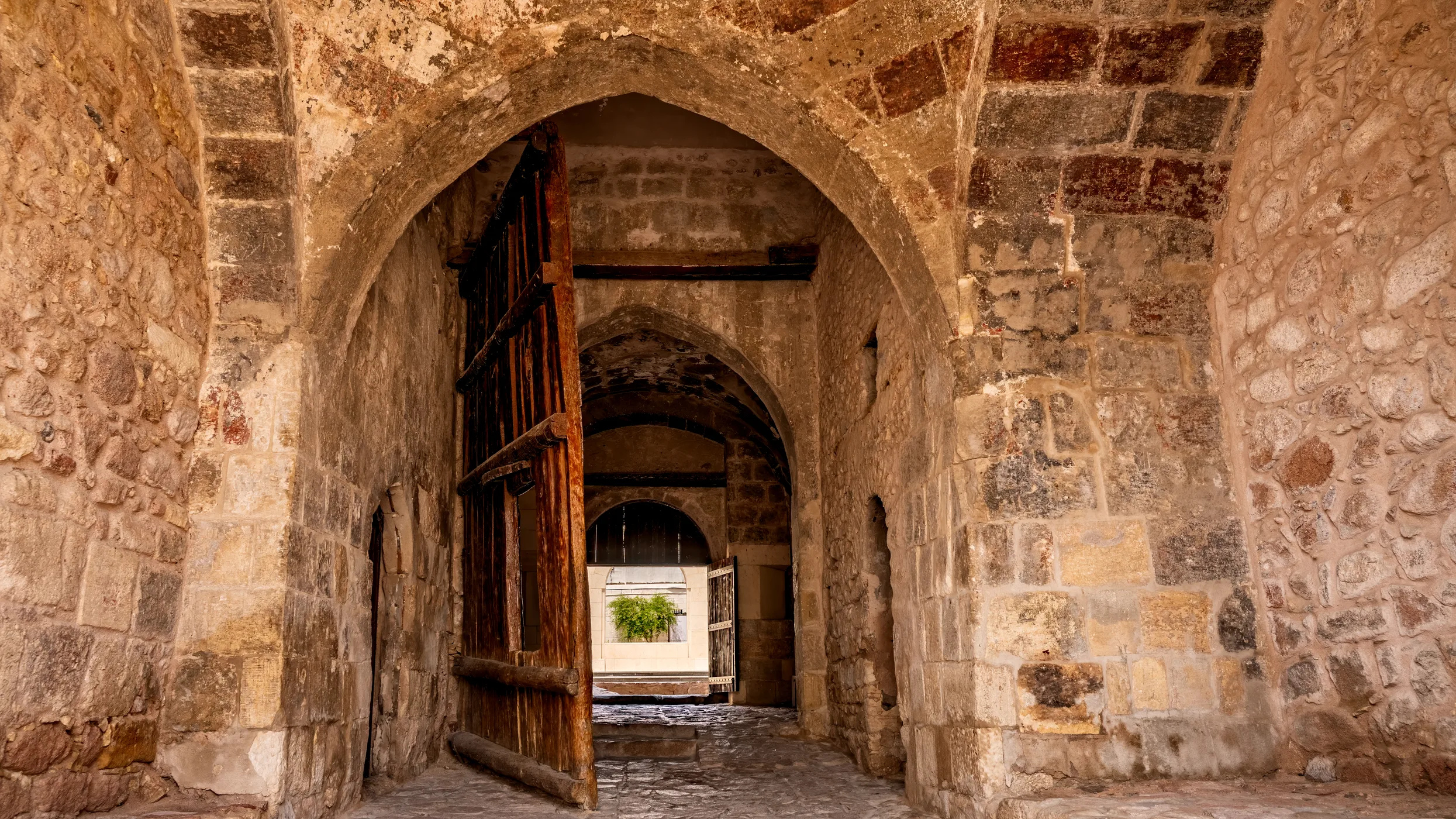
The fort of Aqaba, also called the Mamluk Castle, is a historic site in the seaside city of Aqaba, Jordan. It was constructed in the 16th century during the reign of the Mamluks. Later on, it underwent some alterations under the Ottoman Empire. The setting for the fortification was very strategic since the Red Sea port was very important for trade and the very location gave it protection from attacks. In the present day, tourists are allowed to walk through the fort's sturdy walls, climb its towers, and go into the interior rooms while learning its historical importance and at the same time getting beautiful open views of the Red Sea and the city. Besides hosting cultural events, the site also gives a peek into Jordan's military architecture and maritime history.
Historical Background
The Mamluk period (13th–16th century) is the original era The Ottomans took over and added more and restructured it It was a stronghold and administrative site Its role was to be a guard to the Red Sea trade routes
Architecture & Layout
A rectangular fortress having high stone walls and corner towers A central yard along with several rooms inside Fortification with gates and ramparts that served for defense Mamluk and Ottoman architectural styles mixed together.
Visiting Aqaba Fort
Take a trip to the ramparts, towers, and the inner courtyard. Learn about the fort's historical significance through plaques placed around the site. Tours are available for visitors who want a more in-depth historical context. Aqaba Fort is included in many Jordan tours, making it a key stop for travelers exploring the country’s rich heritage.
Scenic Views & Photography

Aqaba city and the Red Sea can be seen from above Great for taking sunset pictures Mamluk and Ottoman design cutting-edge details can be captured
Location & Accessibility
In the middle of the city of Aqaba By foot, taxi or tour, could be reached so easily Close to the local markets, the Corniche, and other places of interest