 Places to see
 Top Destinations
  Things to do
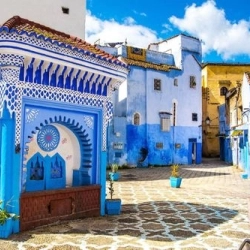






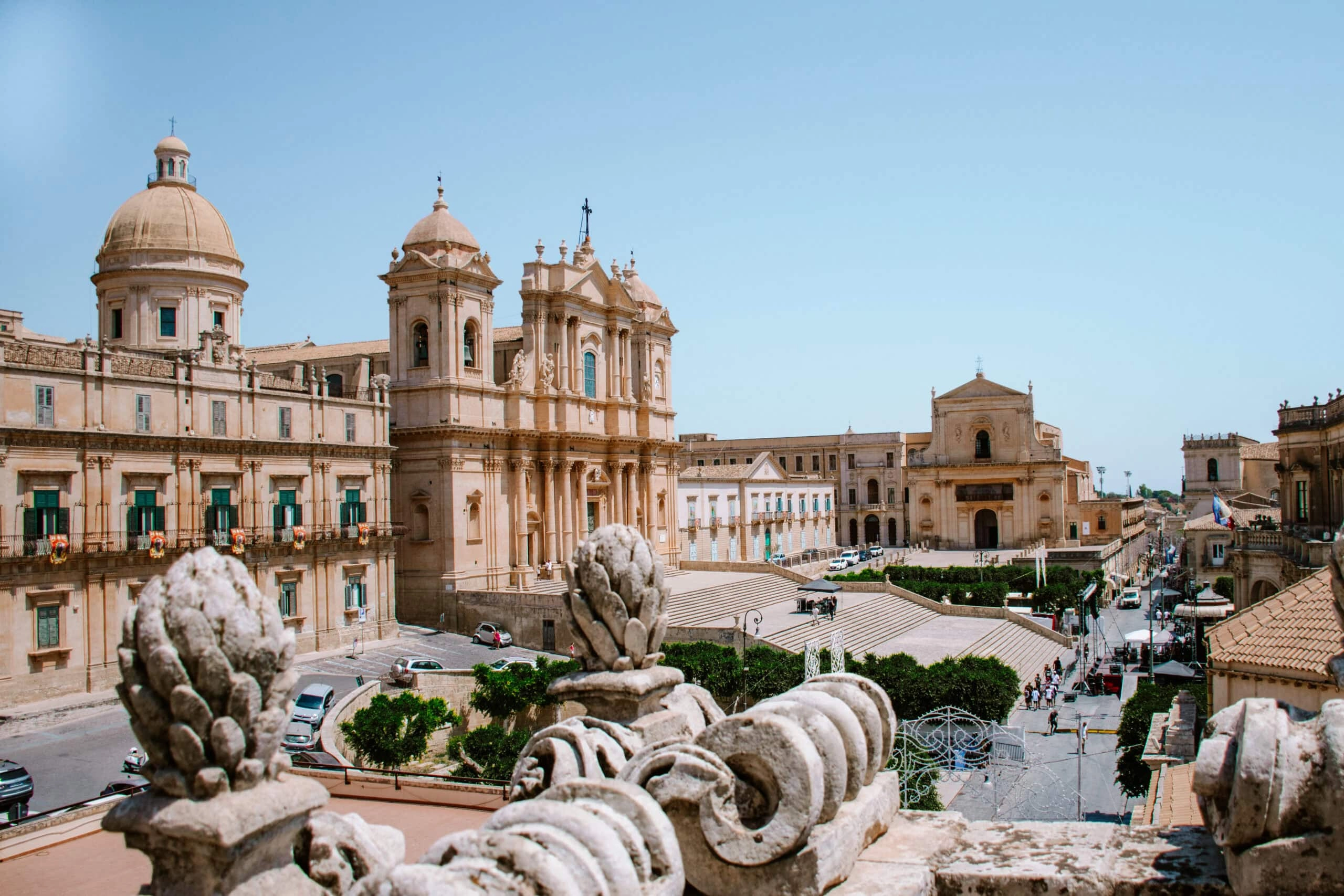
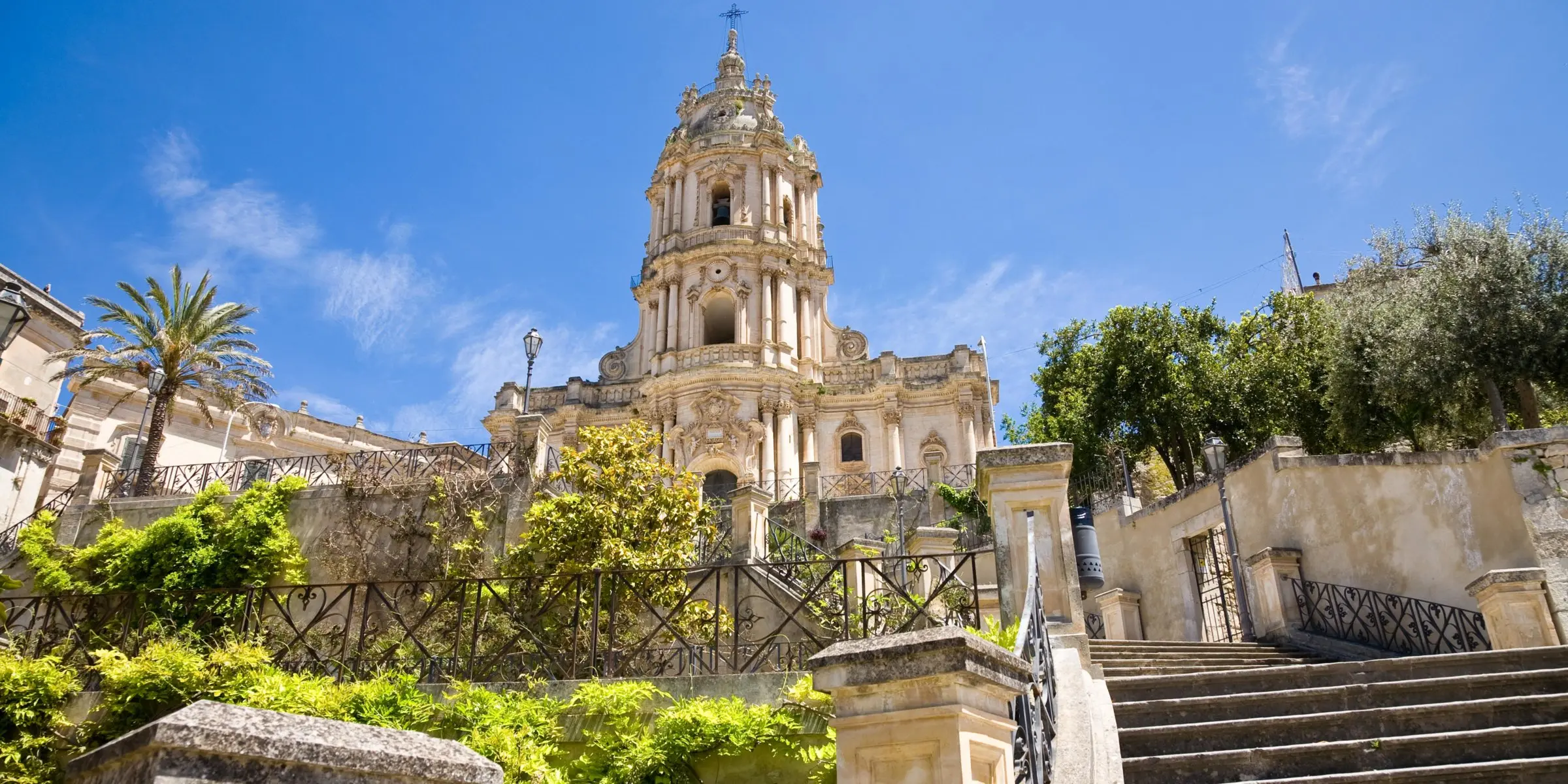
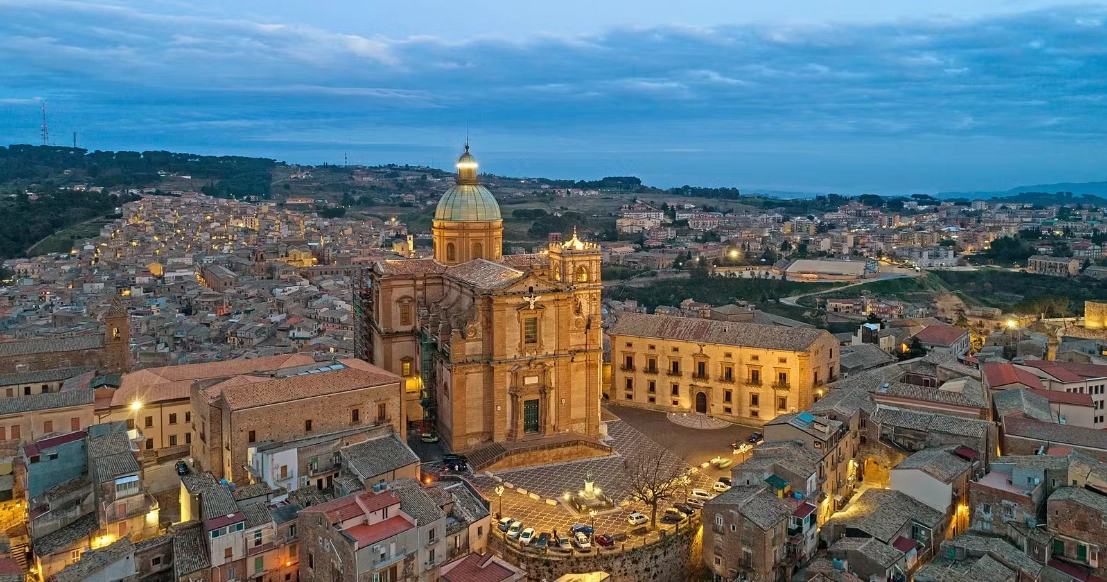
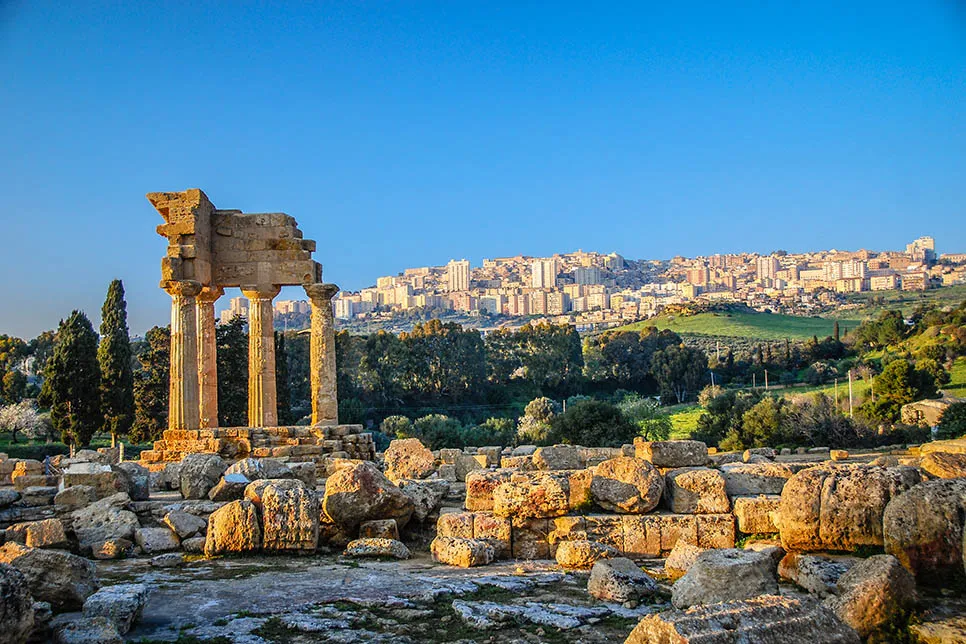



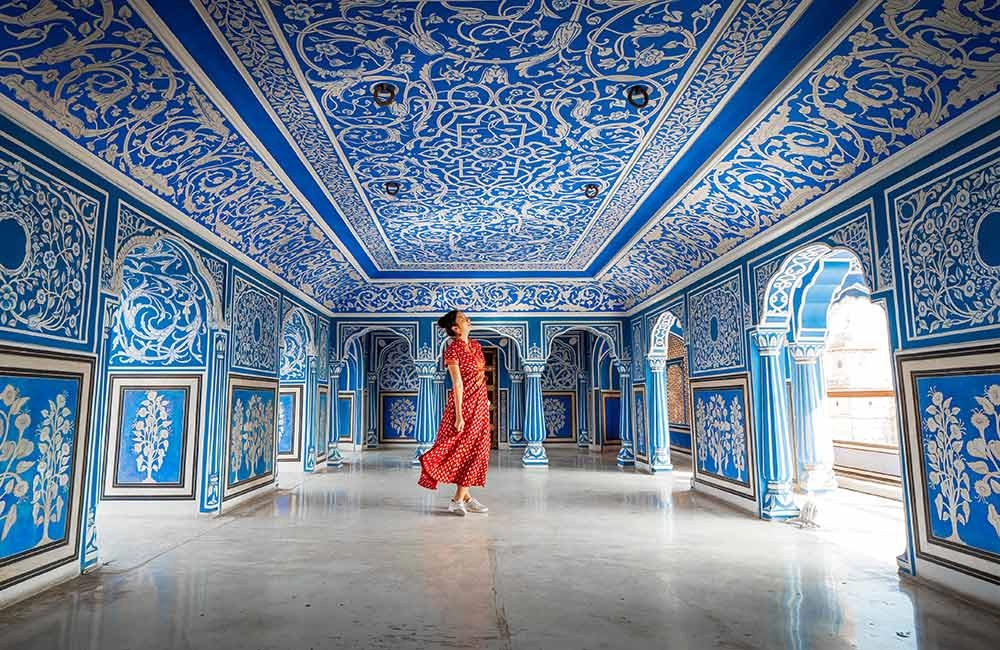
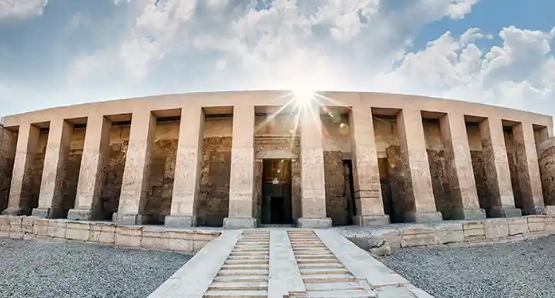
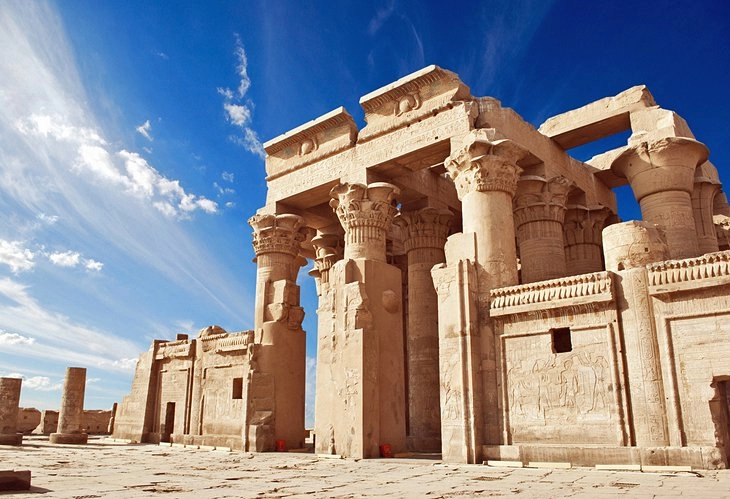
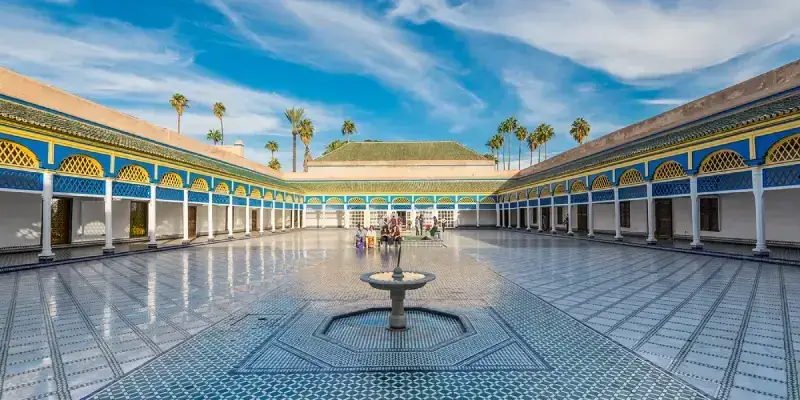
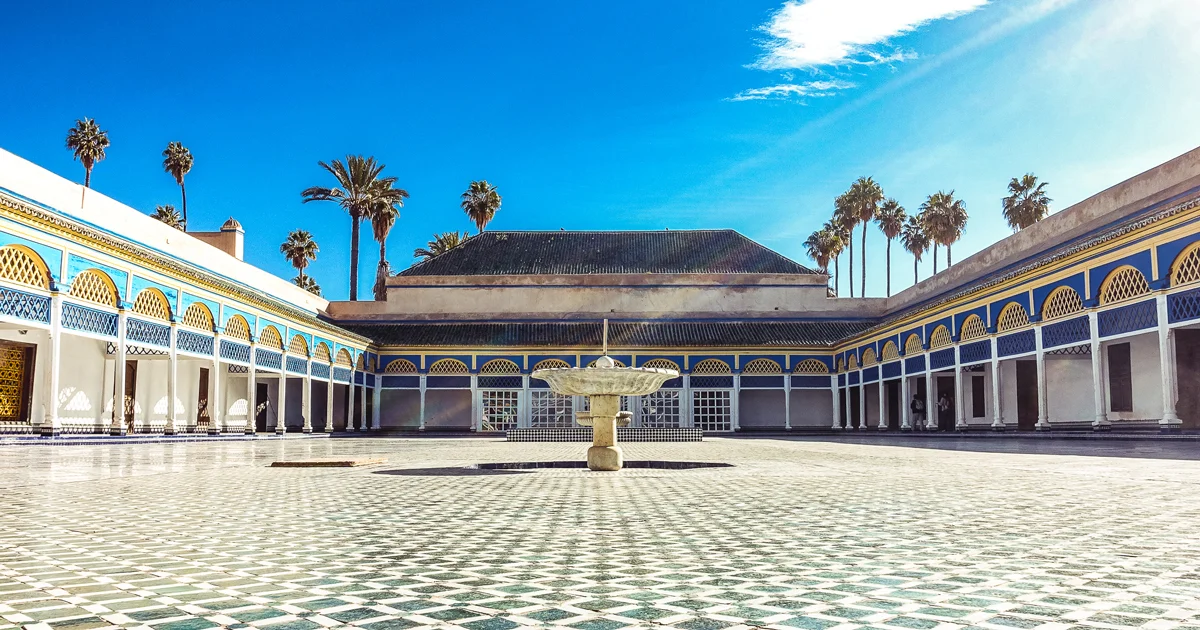
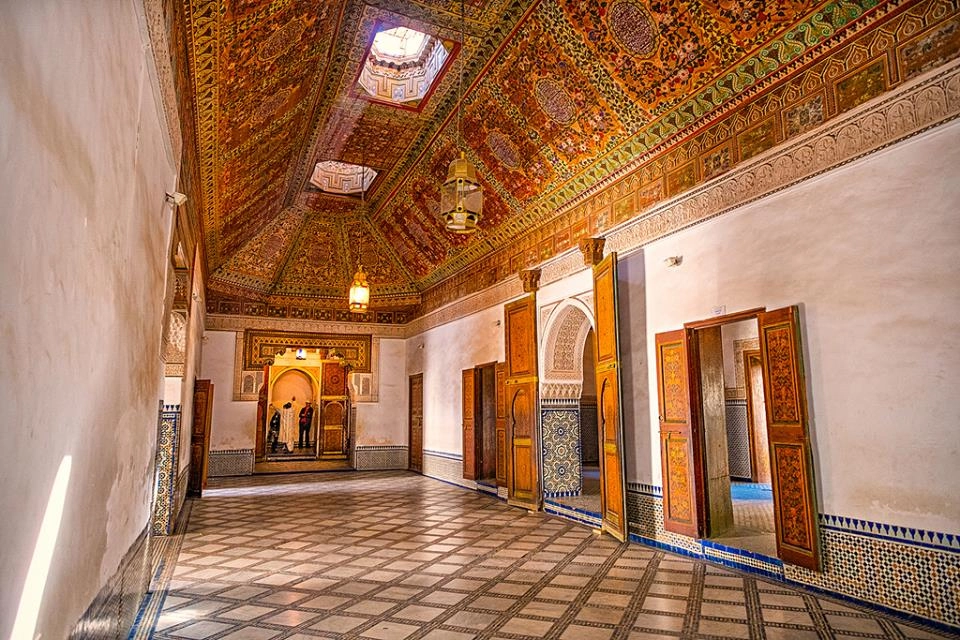
Bahia Palace opens the most magnificent page of Moroccan history in Marrakech and tells the story of the refinement and artistry that characterized the great architectural style of the time. The palace built for the sultan's favorite wife in the last century is an extraordinary example of beauty and luxury through its elaborate decoration and well thought out location reflecting the sultan's lifestyle of that day in the Alaouite period.
History of Bahia Palace
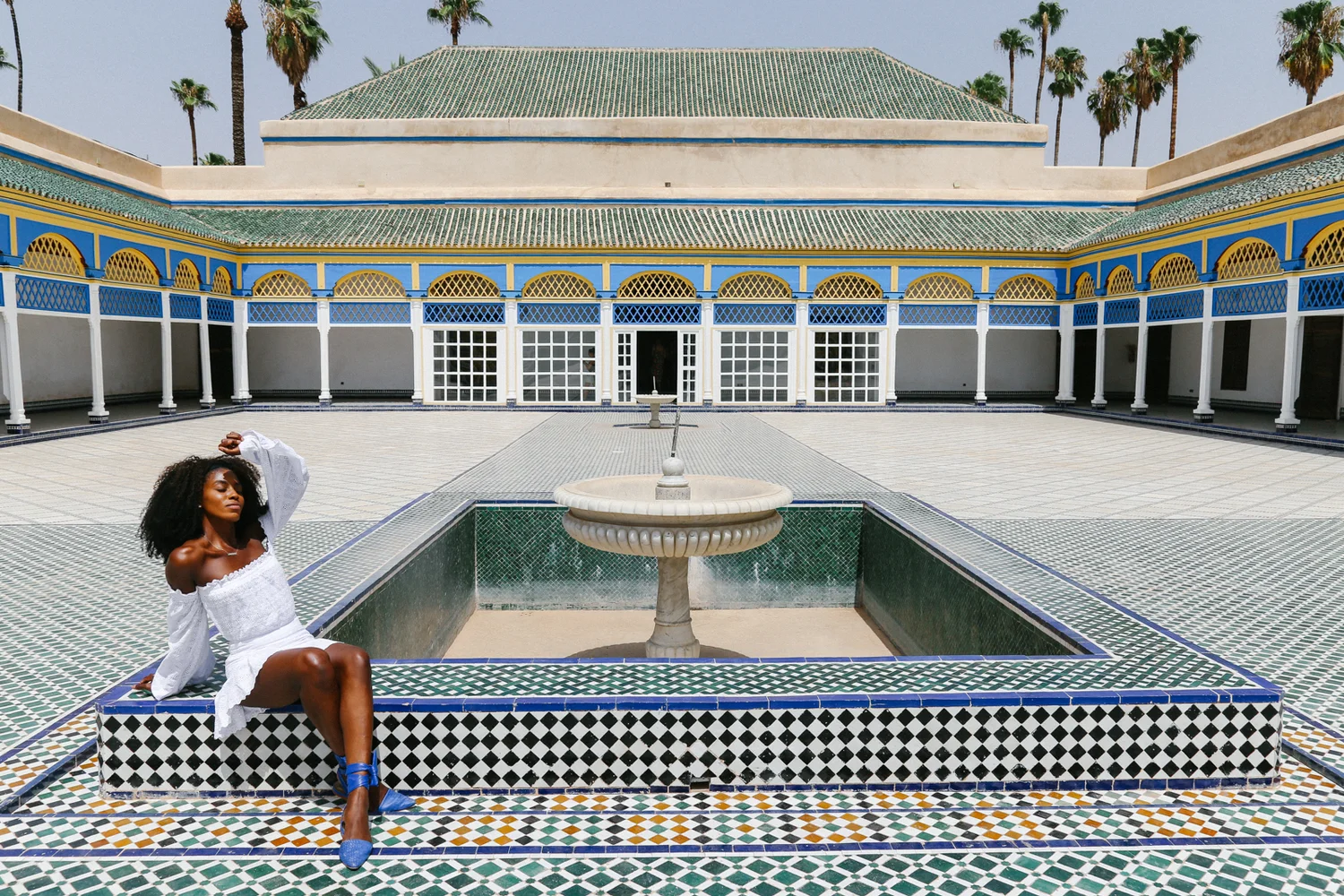
The palace, which was designed by Si Moussa, was later extended by his son Ba Ahmed, who was a very influential grand vizier. The meaning of the name "Bahia" is "brilliant" or "beautiful," thus it was a very remarkable design and purpose.
Architectural Highlights
Isn't Bahia Palace the one famous for its stunning traditional Moroccan crafts? Zellij (a kind of tile work) creating geometric pattern Ceilings carved out of cedar wood Stucco (decorative plaster) and arches Marble floorings with fountains in the courtyards
Courtyards & Gardens
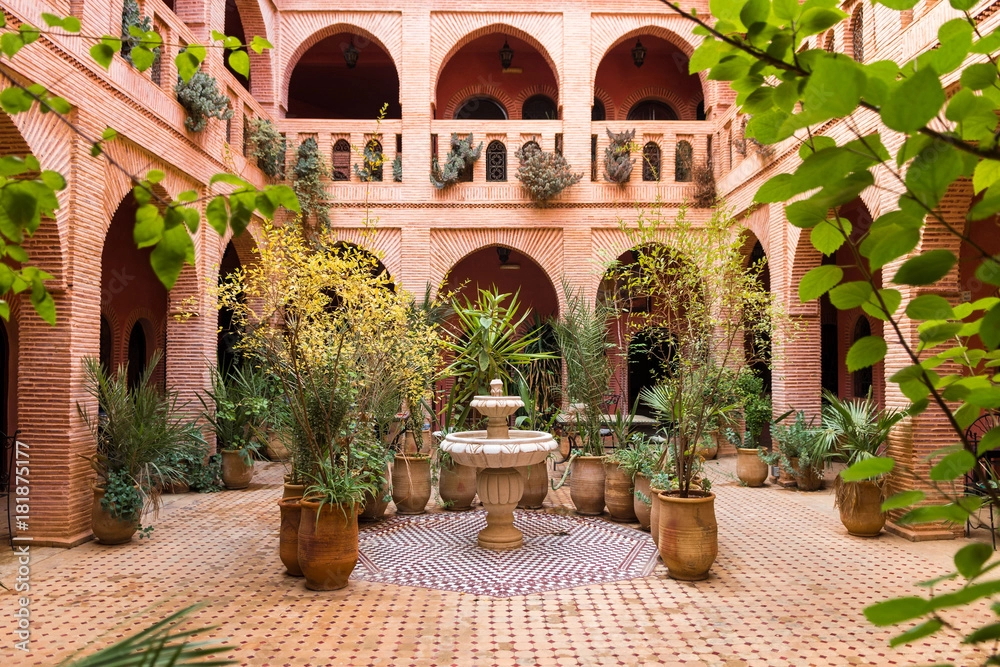
The palace consists of multiple tranquil courtyards that are encompassed by rooms and gardens, namely: Trees bearing oranges and bananas Fountains in the center Walks in shade that are quite and not too hot and not too cool
Interior Rooms & Riads
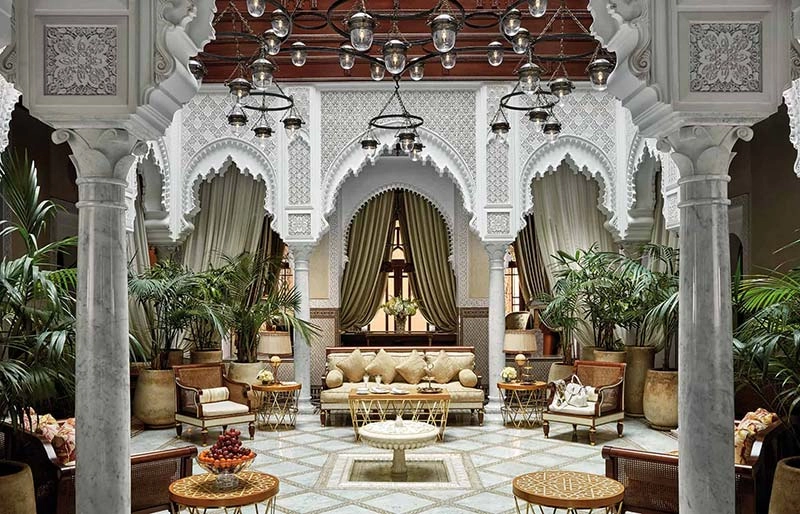
Delve into the private chambers, halls for reception, and riads that were once places of the officials and the guests, each one adorned with distinct artistic features.
Visiting Bahia Palace
Location: Close to Jemaa el-Fnaa and the Jewish Quarter (Mellah)
Duration: Roughly 1-2 hours
Accessibility: The walkways are mainly flat, but there are a few narrow passages
Best Time to Visit
Morning: the number of people is less and the light is softer
Late afternoon: the warm tones make the architectural details more visible
Travel Tips
Get to the place early to miss the groups of tourists
Put on comfortable shoes
No flash photography, but photography is allowed
You can mix up your day with a visit to the nearby attraction of El Badi Palace