 Places to see
 Top Destinations
  Things to do
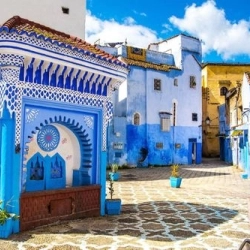
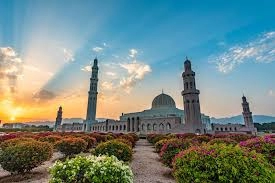






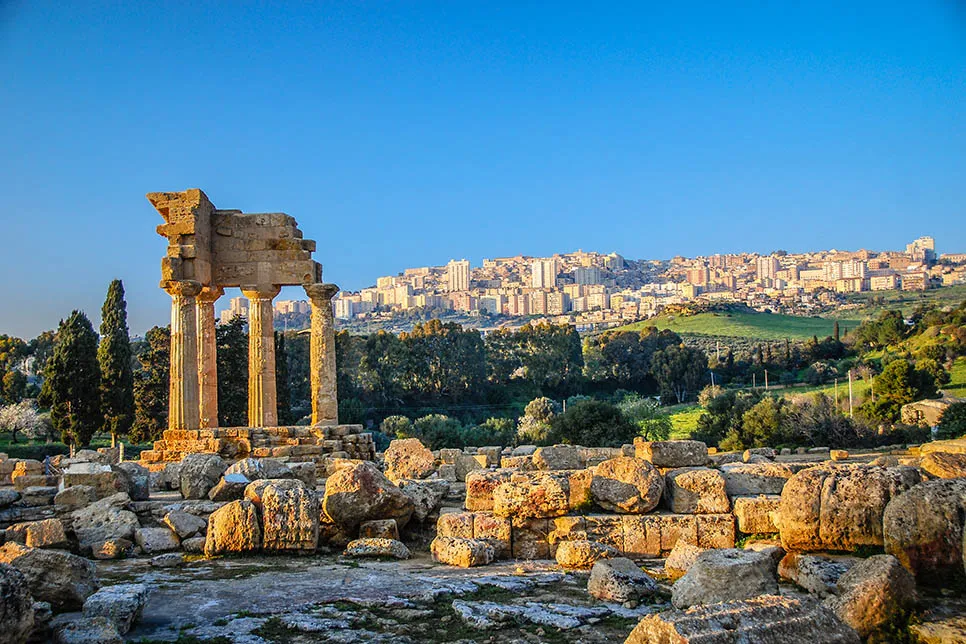
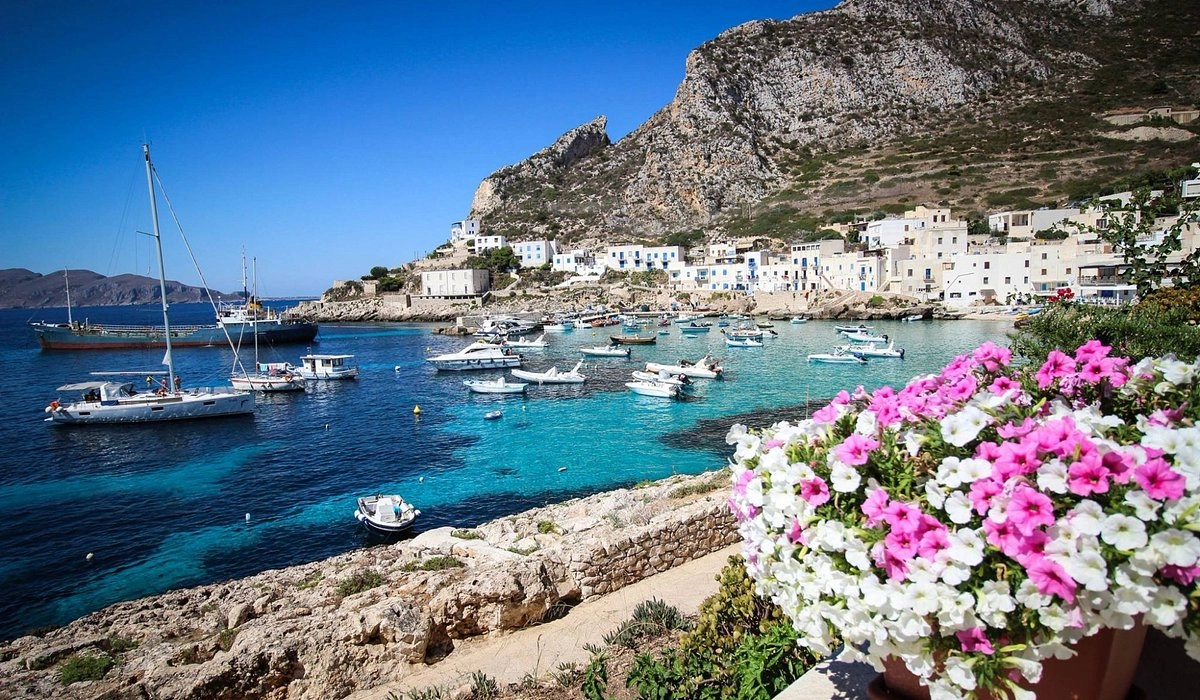
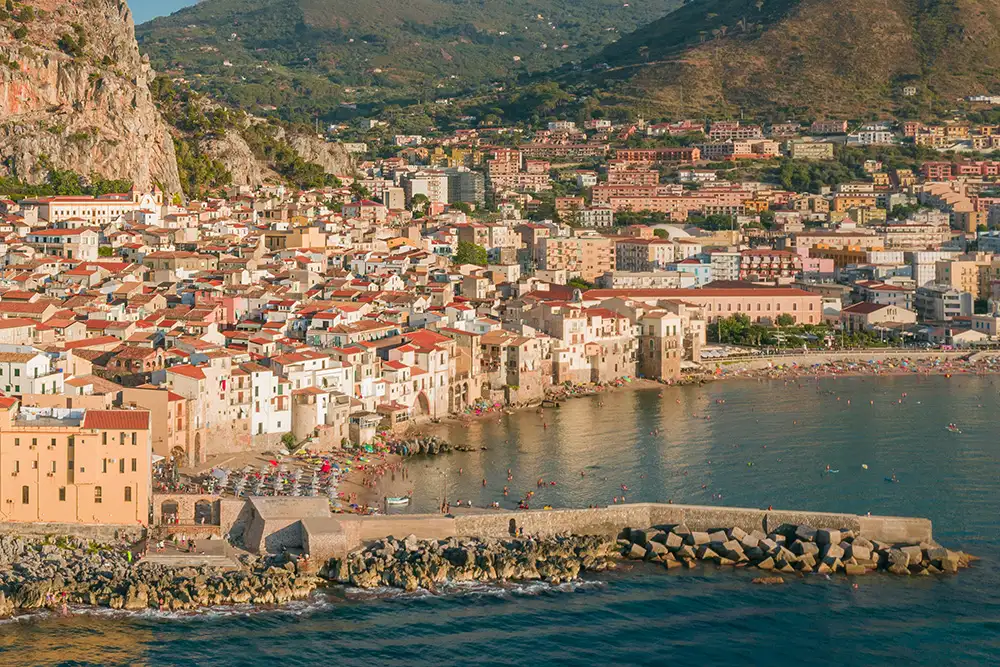
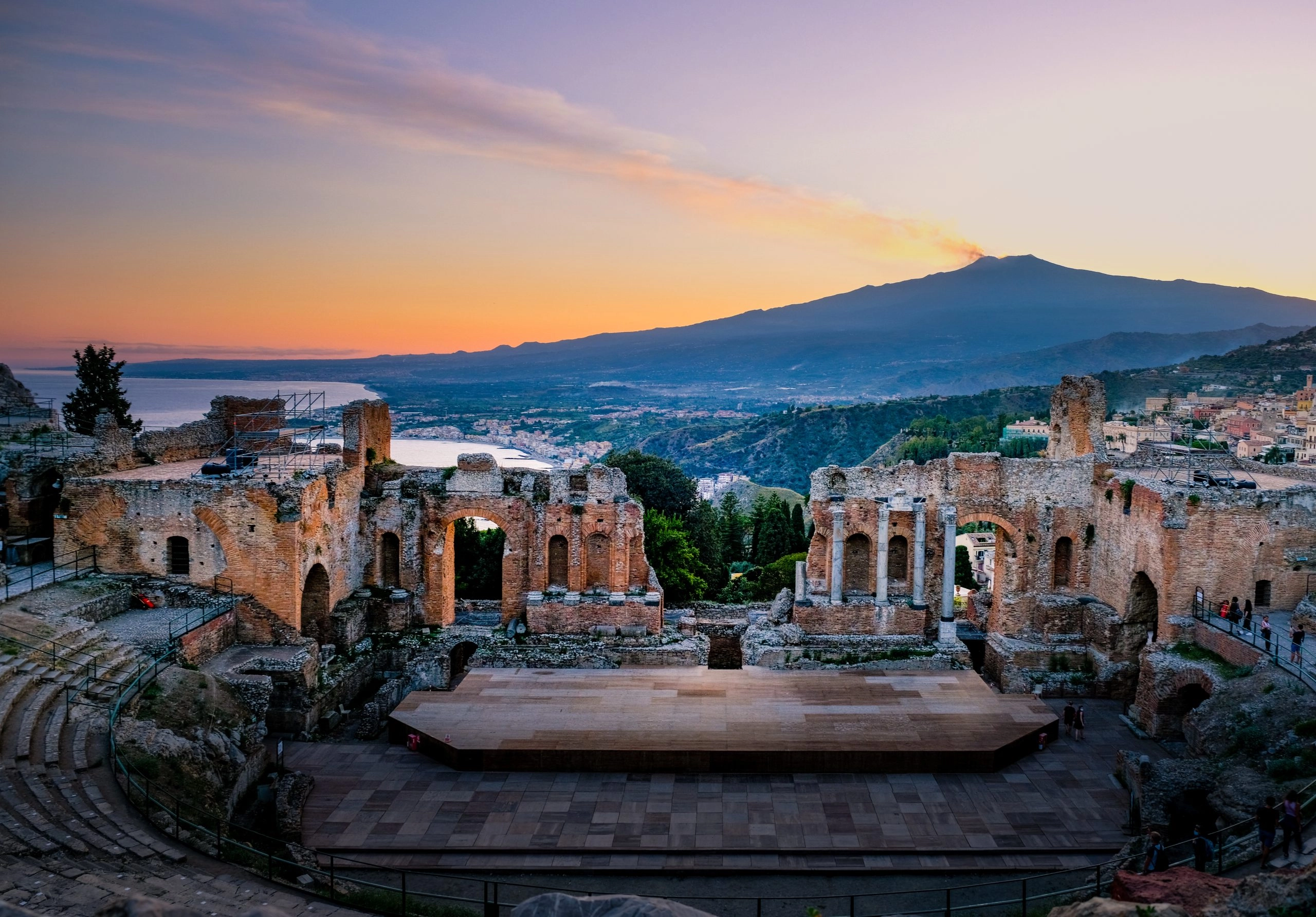



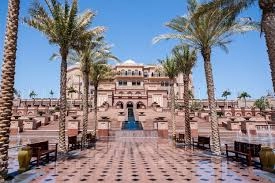
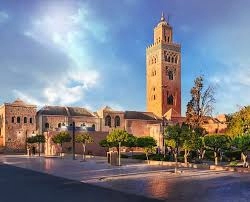
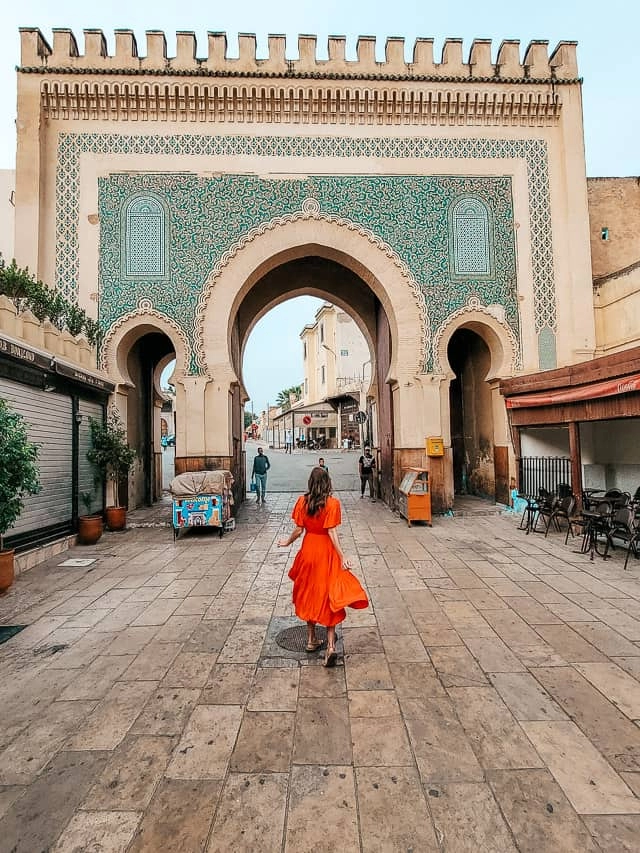
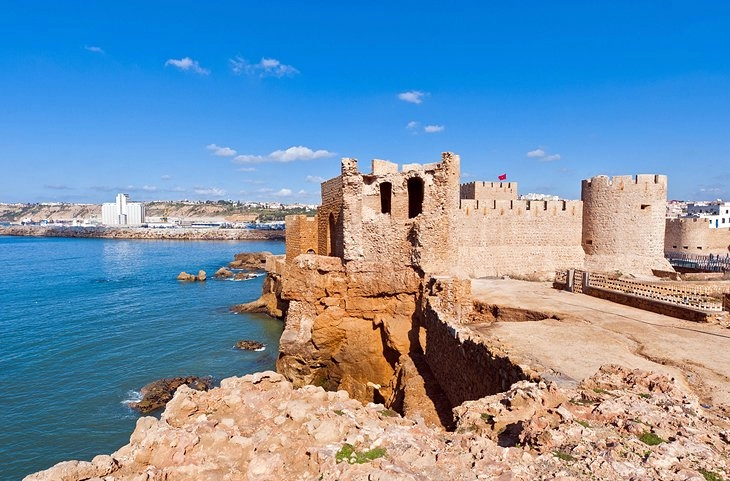
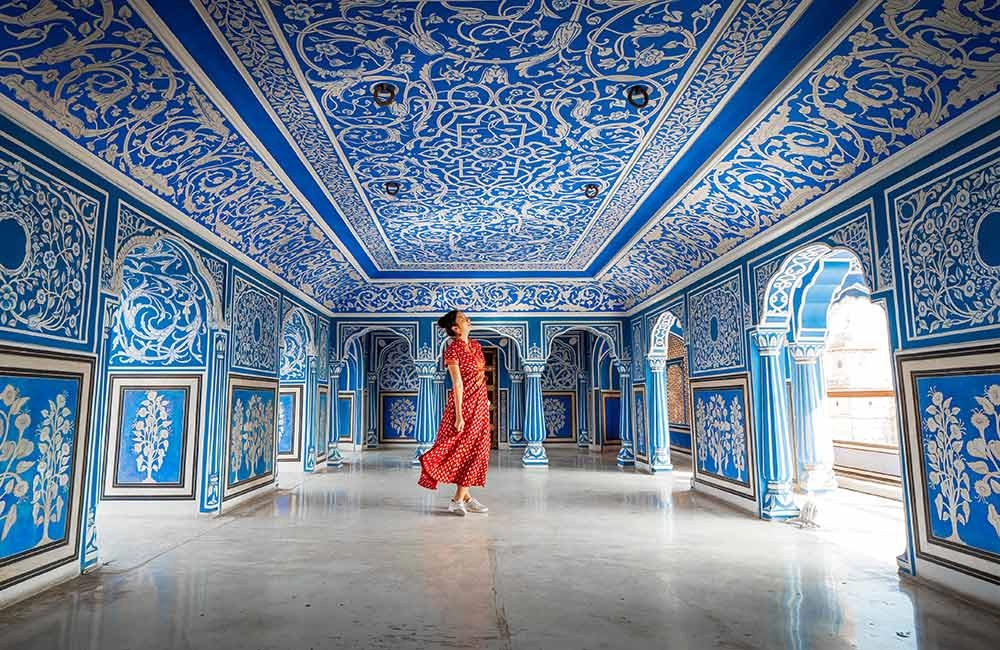
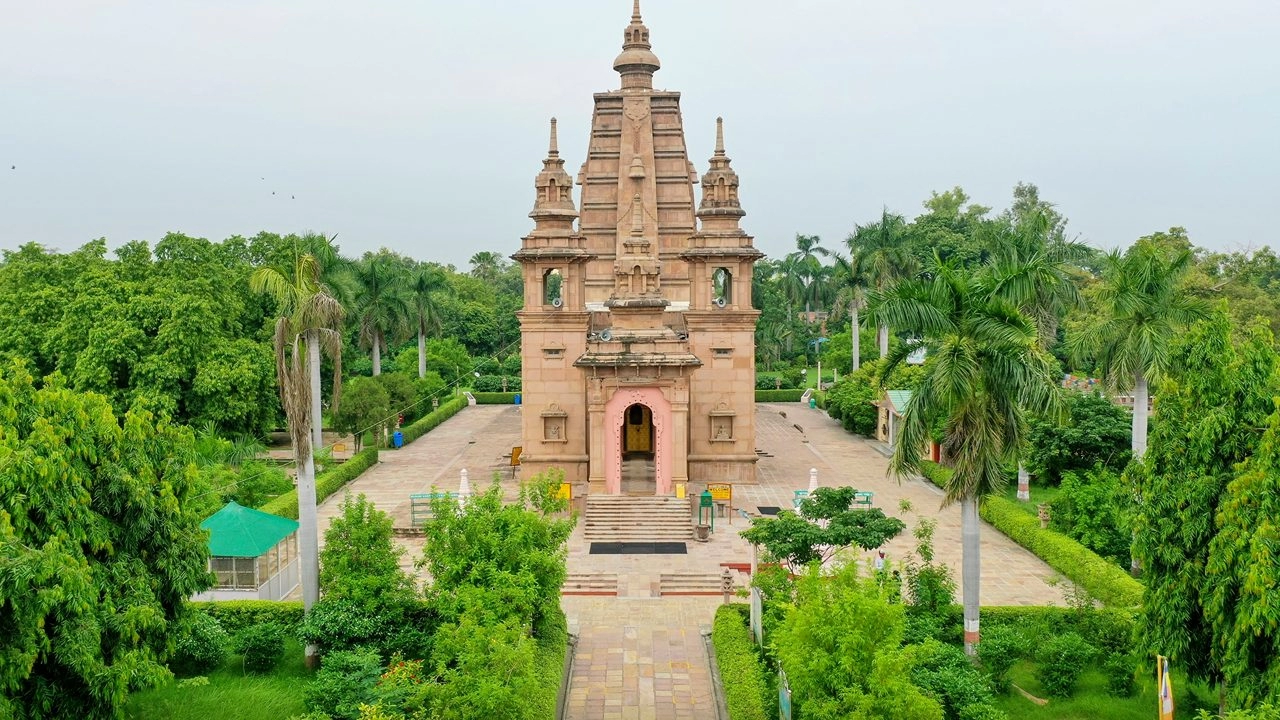
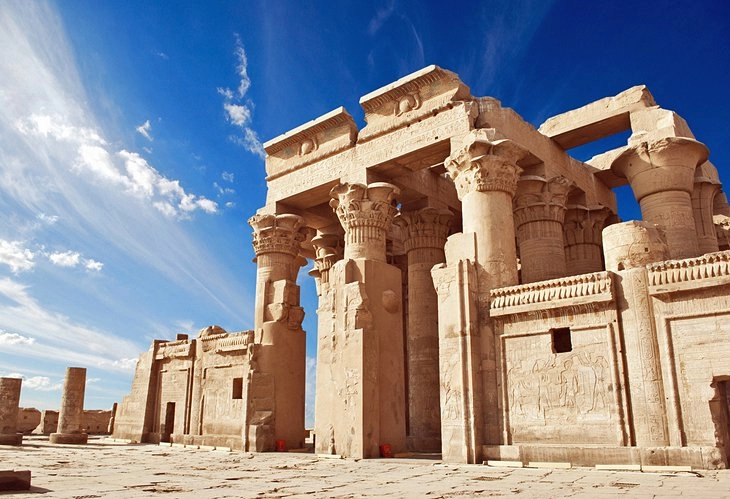
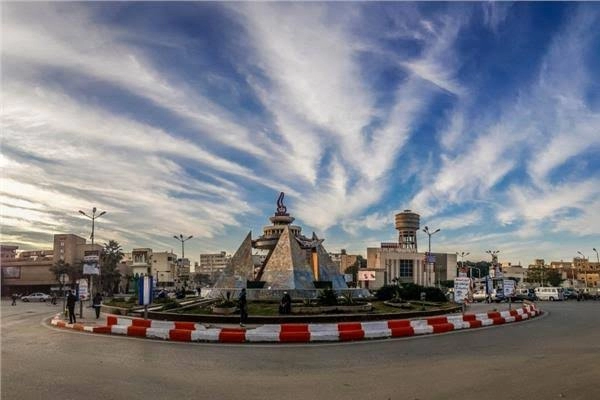
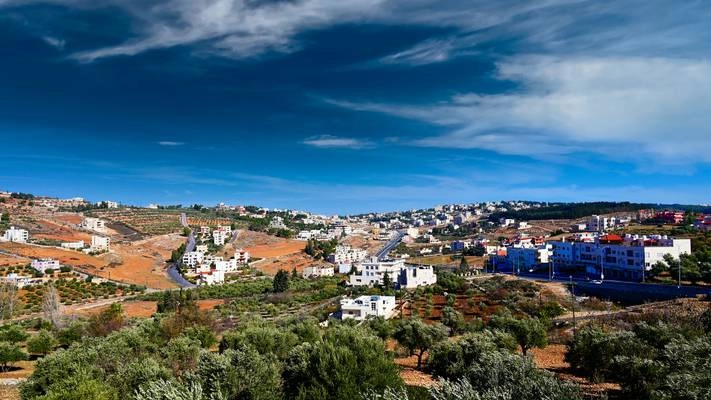
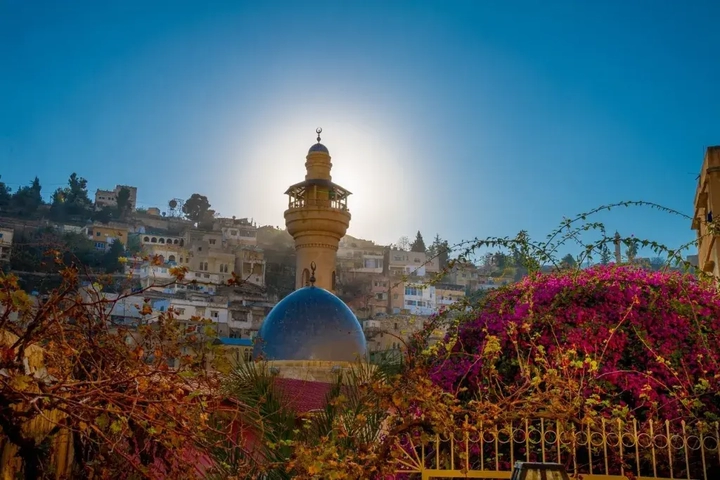
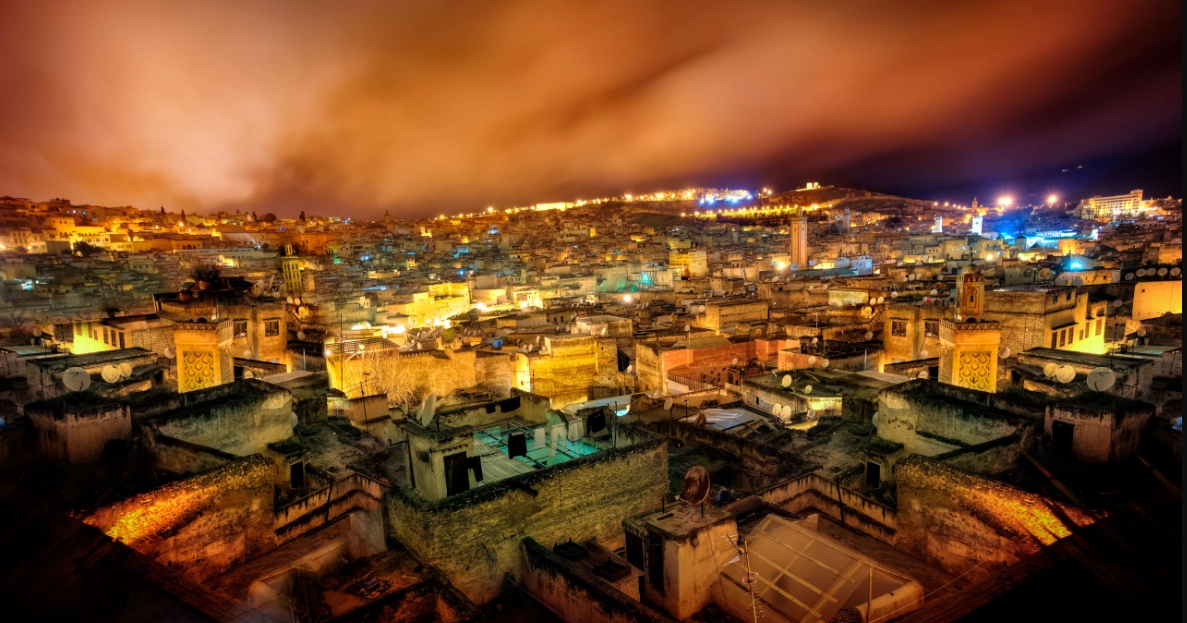
Fes El Bali Medina is the religious and cultural heart of Fes and one of the most important historical cities in the world. In the 9th century the huge fortified medina was built and still maintains its medieval layout and customs after more than a thousand years. It is an experience for the visitors to see the narrow thousands of alleys, the lively souks, the ancient mosques, and the workshops of artisans that Fes El Bali has to offer. The tour around this medina during a through the curated Morocco travel packages will let the travelers experience the past and enjoy one of the best places to visit in Morocco.
History & Cultural Significance of Fes El Bali
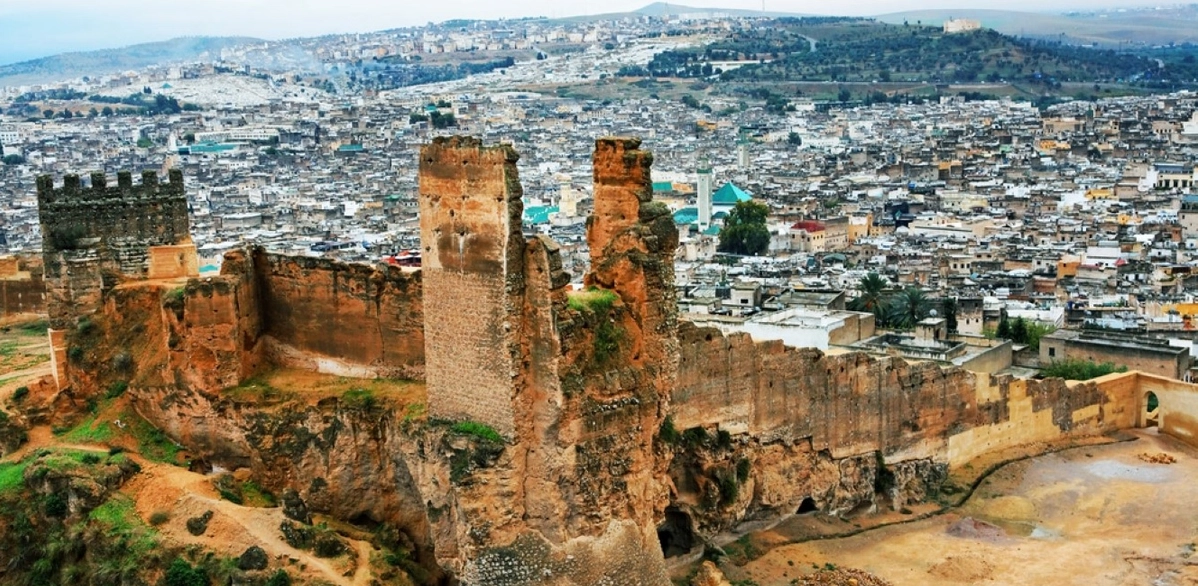
The Medina of Fes El Bali which was established in 859 AD soon turned into a significant hub for Islamic scholars, traders, and artisans. The medina affected the development of religious, intellectual, and artistic practices in Morocco and thus, it became a mainstay for the country’s heritage. Therefore, Fes El Bali seems to be an inseparable part of the Morocco tour that guarantee a deep cultural experience and hence is one of the places that you should not miss when you visit Morocco.
Architectural Highlights of Fes El Bali
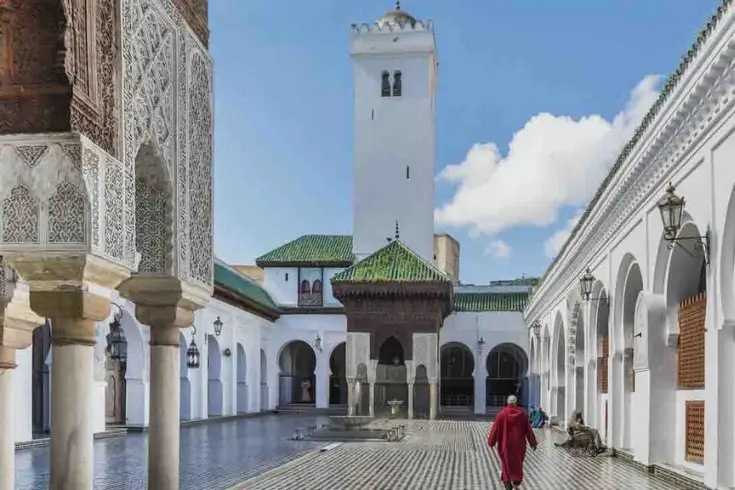
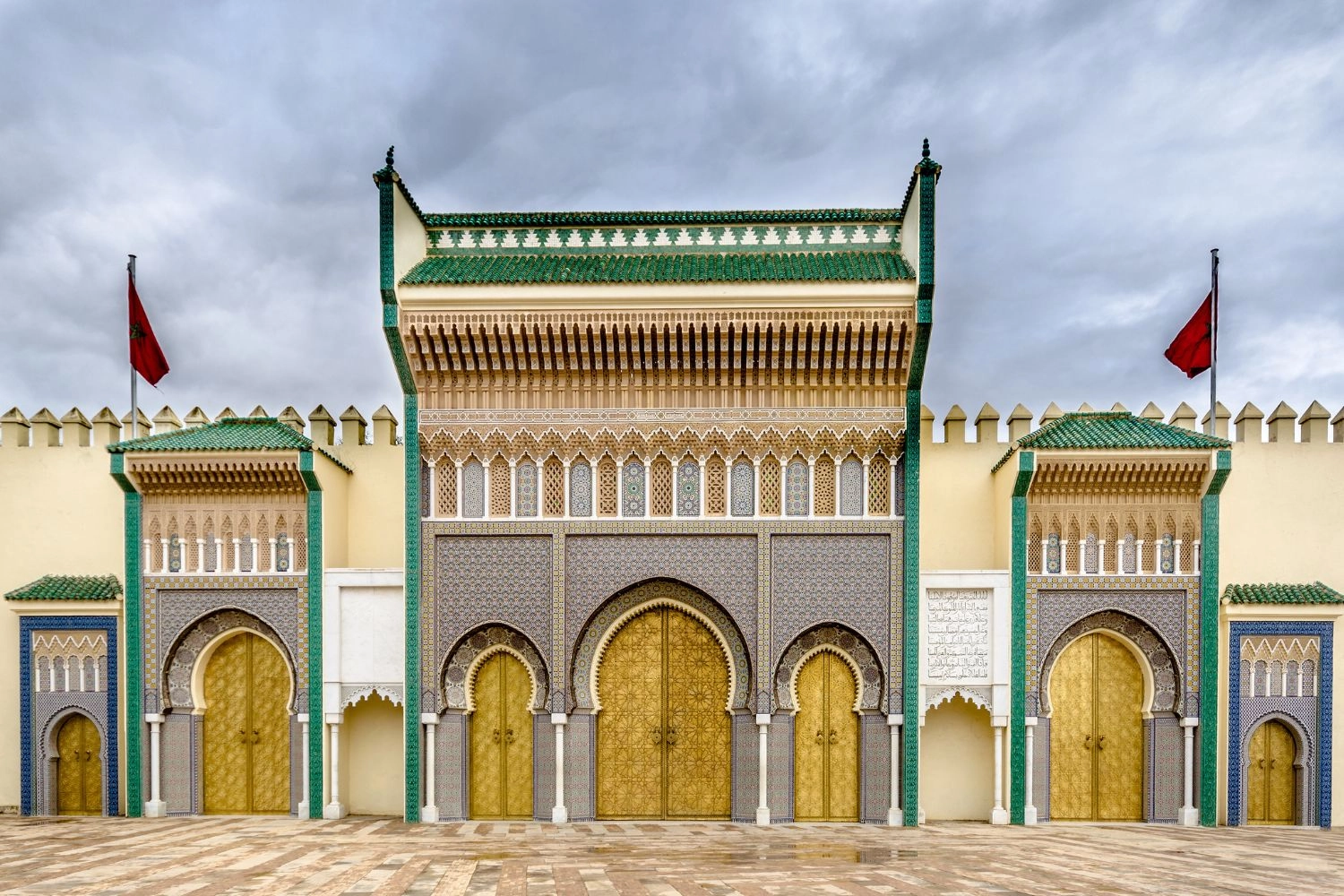
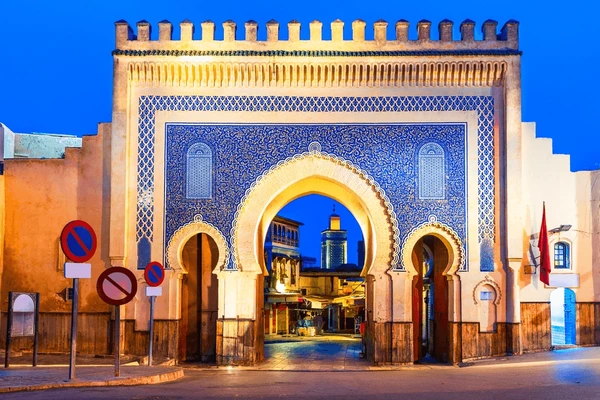
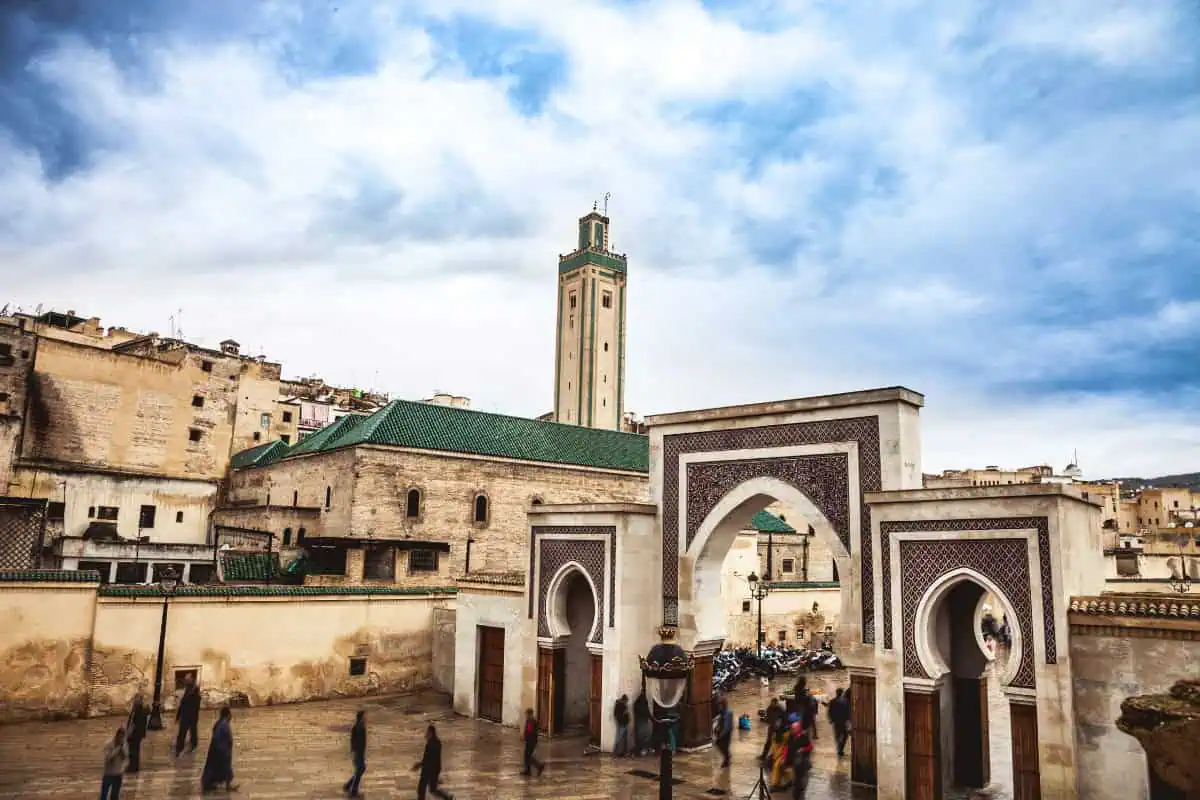
Fes El Bali is the site of the most outstanding preservation of medieval architecture in Morocco. The tourists can see the madrasas that are decorated with intricate zellij tiling, ancient mosques with graceful spires, traditional houses with courtyards and water features, and huge city gates and defensive walls. Walking around this area is a necessity for every tourist visiting Morocco, and it is often offered as one of the primary locations to be visited by the history and culture lovers in the Morocco travel packages because of its high significance.
The Medina's Famous Landmarks
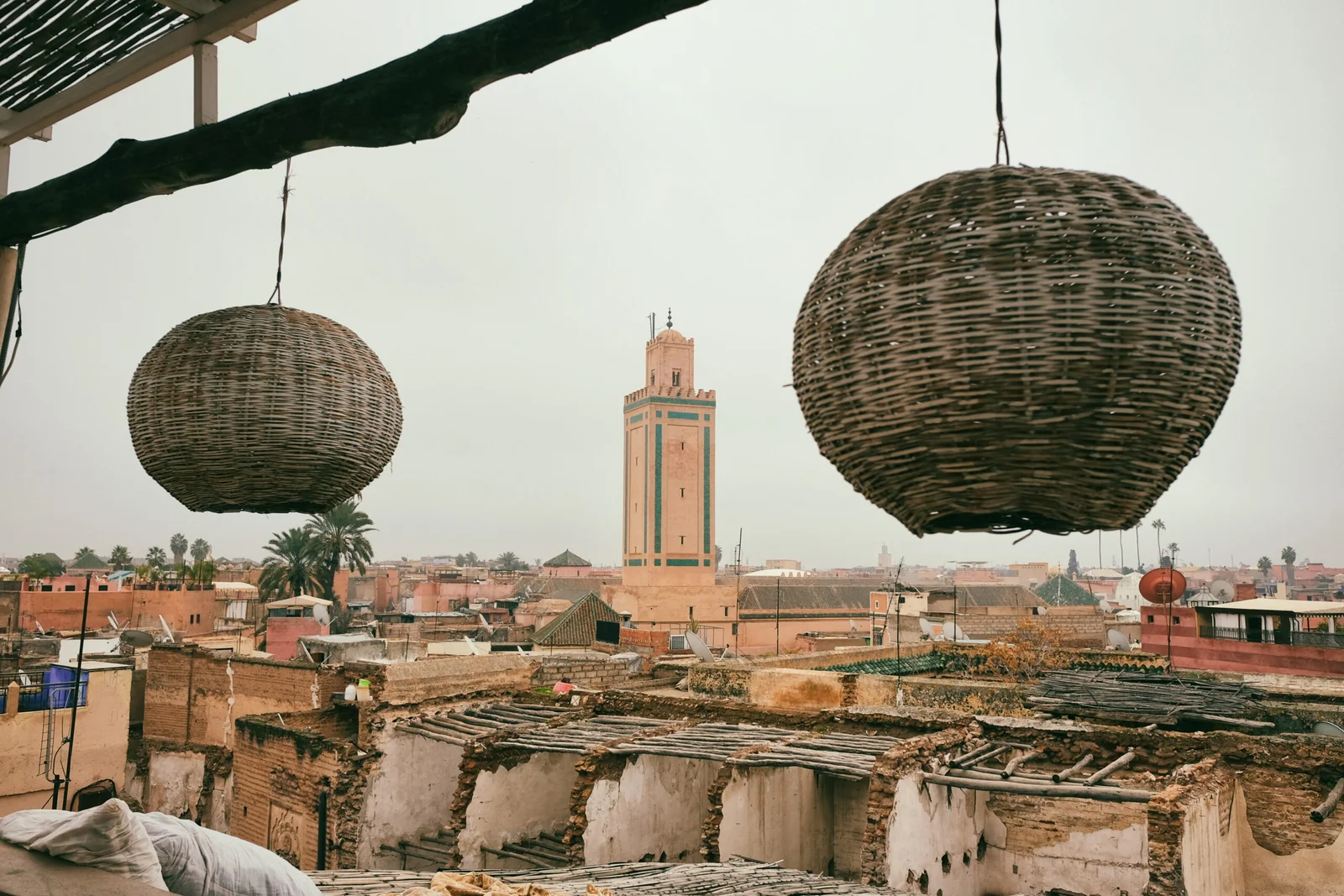
The Medina of Fes is the place to see some of the most remarkable landmarks of Morocco. Among them are:
Al Quaraouiyine Mosque & University, which is considered to be one of the oldest universities in the world
Bou Inania Madrasa, famous for its marvelous architecture and exquisite zellij tilework
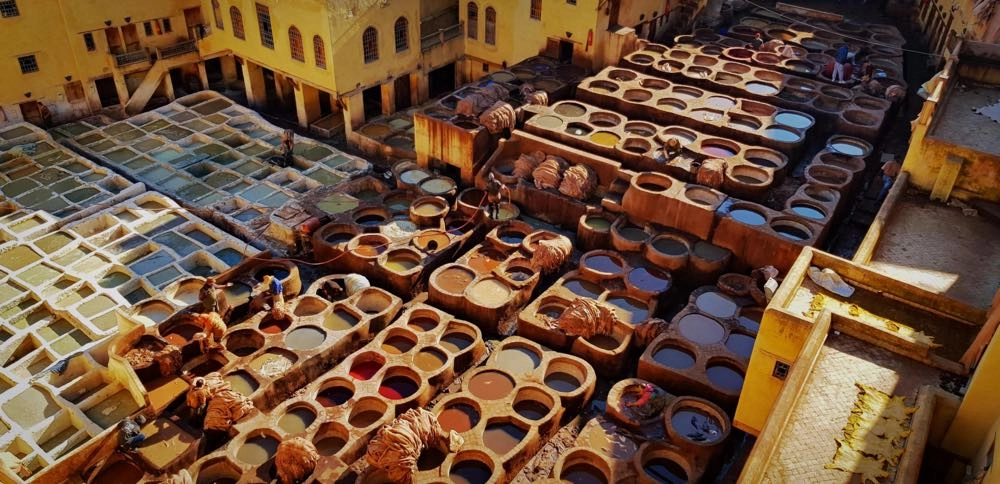
Chouara Tannery, which is a place where the complete process of leather-making can be witnessed
Nejjarine Fountain, a historic fountain made with intricate carving that is a testimony to Moroccan skill
These landmarks are of paramount importance for every Morocco tour and are commonly included in Morocco travel packages, thus becoming the attractions that every visitor should see as a part of their journey into Morocco's rich culture and history.
Traditional Souks and Crafts
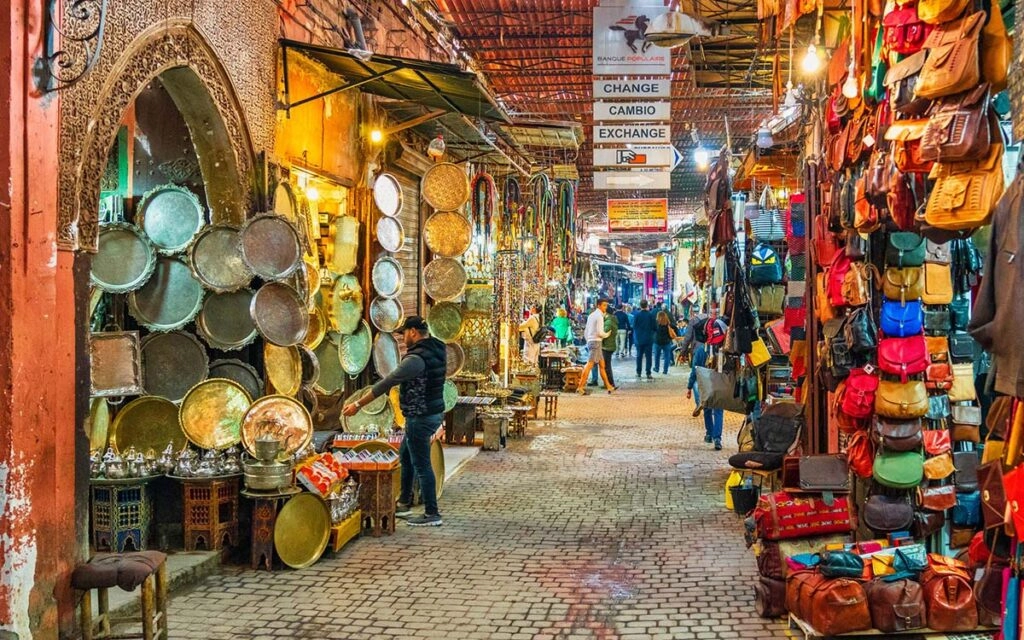
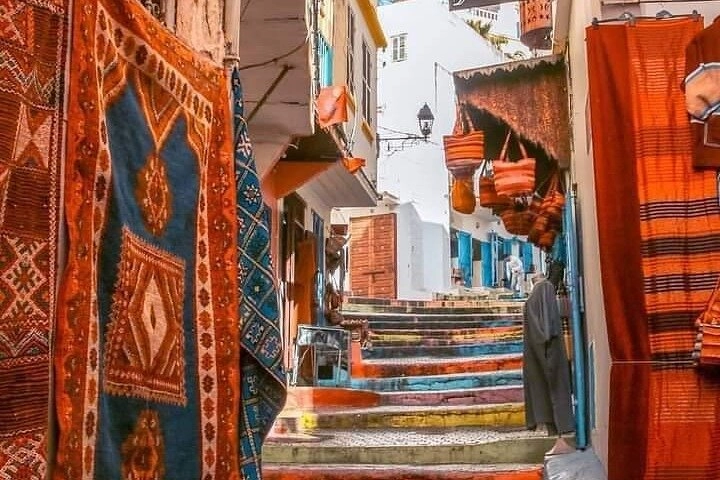
The medina is partitioned into different kinds of souks, where craftsmen are still practicing their art that is centuries old: Leather making Metal working with copper and brass Wood working Weaving of textiles
Daily Life in the Medina
Transport is still mainly done by donkeys and handcarts, while homes, schools, workshops, and markets are mixed up giving a genuine view into the lives of Moroccans on a daily basis.
Visiting Tips
It would be a good idea to hire a local guide Good walking shoes are a must Be polite and dress modestly as per the local customs Narrow alleys and people waiting in line for tickets are to be expected
Best Time to Visit
Spring (March–May): Very pleasant climate and not many people around Autumn (September–November): Very comfortable weather Early morning: Less noisy and thus, more suitable for visiting