 Places to see
 Top Destinations
  Things to do








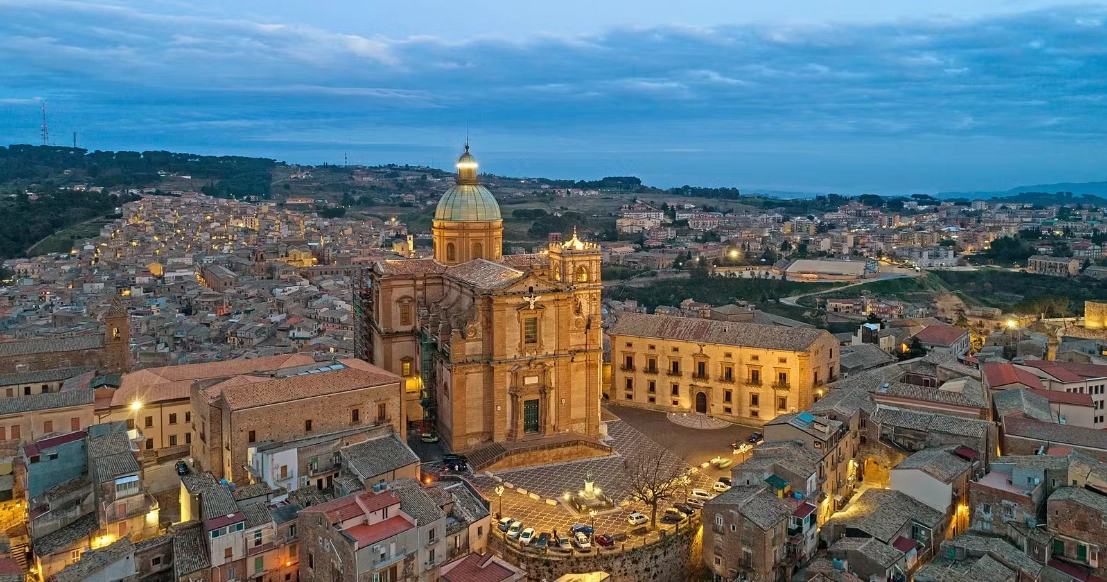
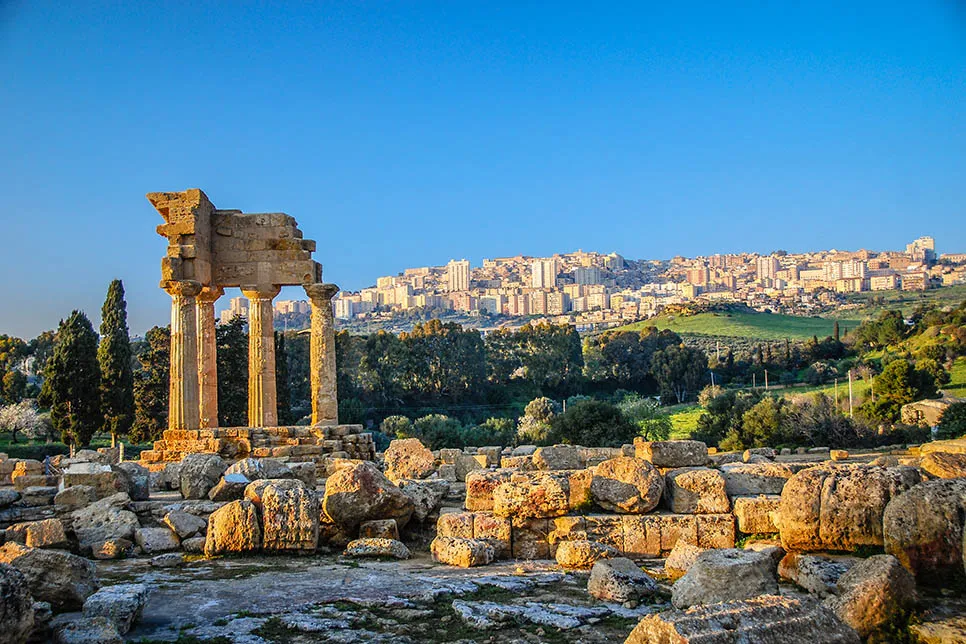
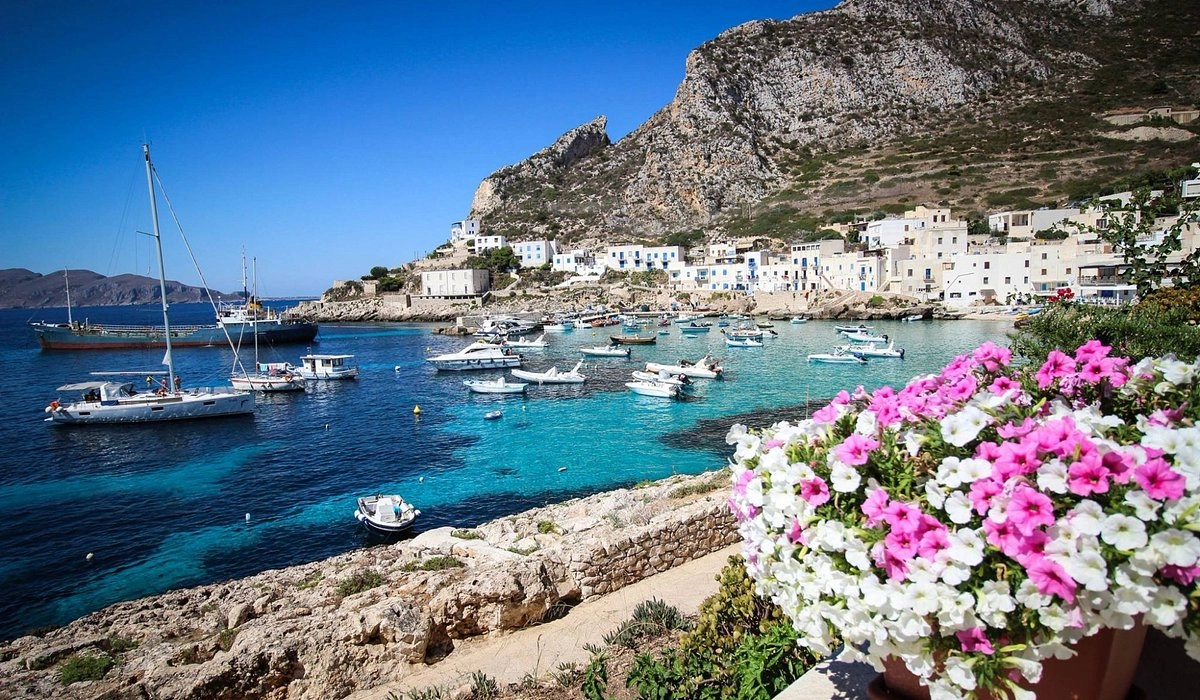
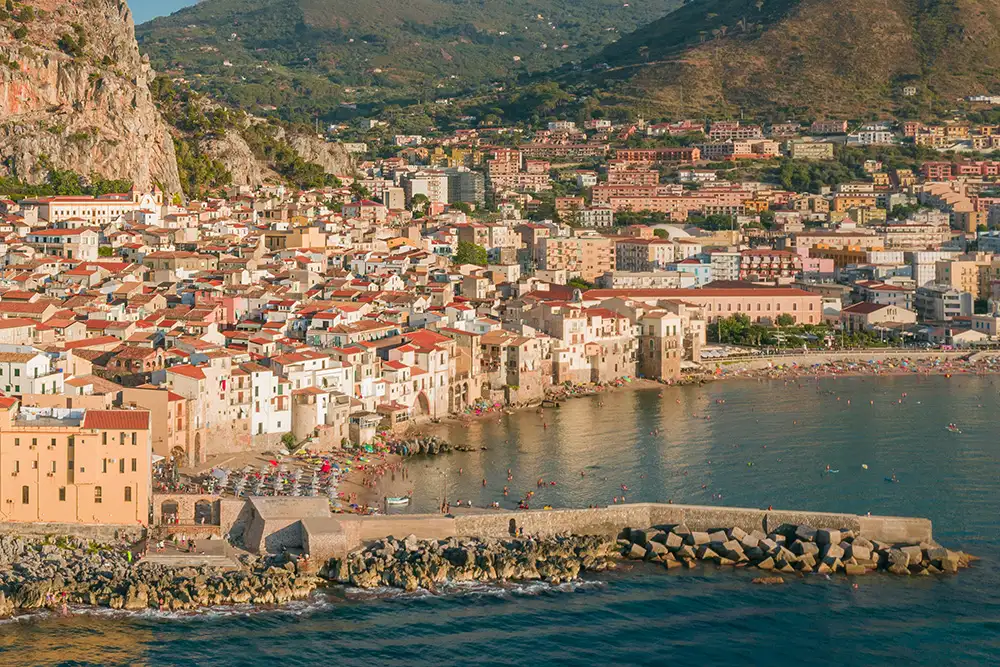





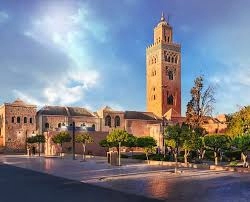
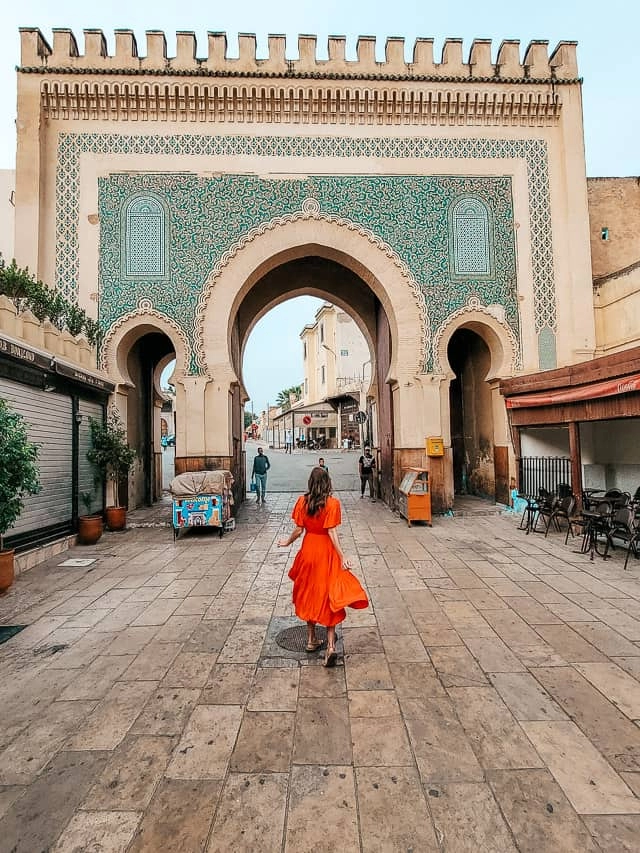
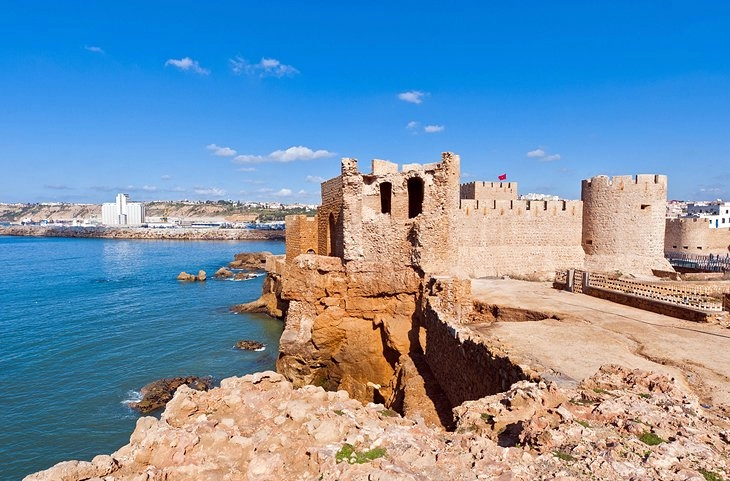
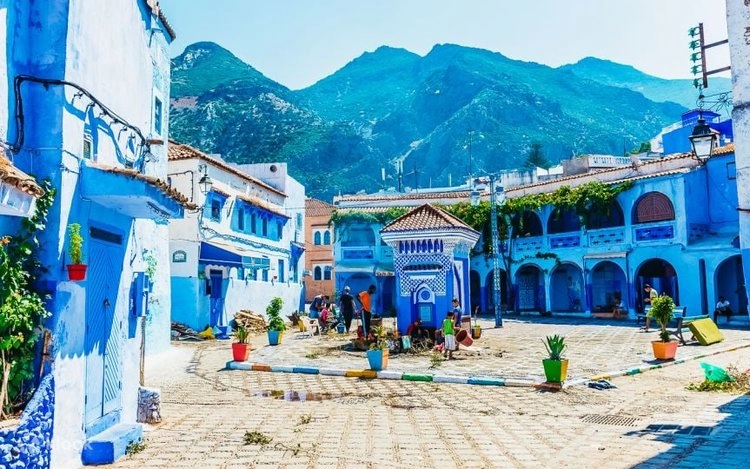


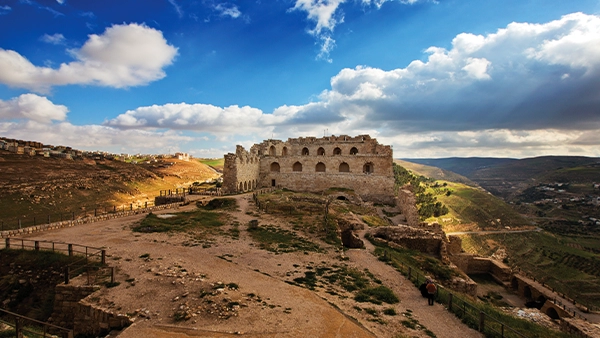
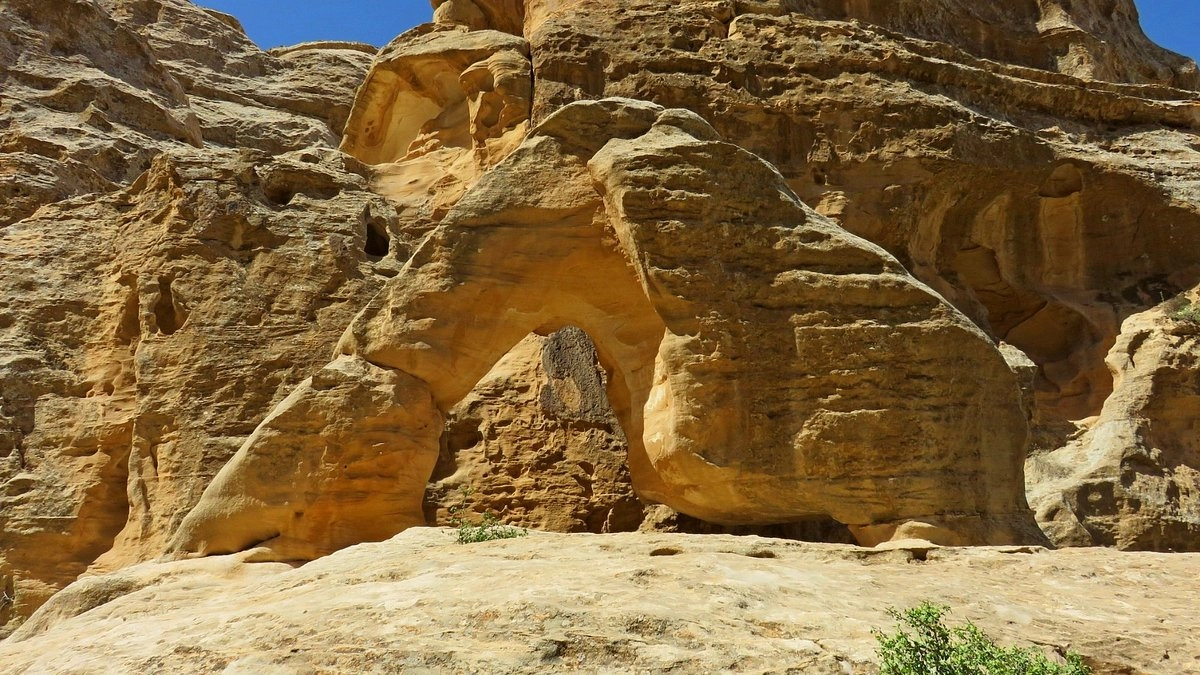
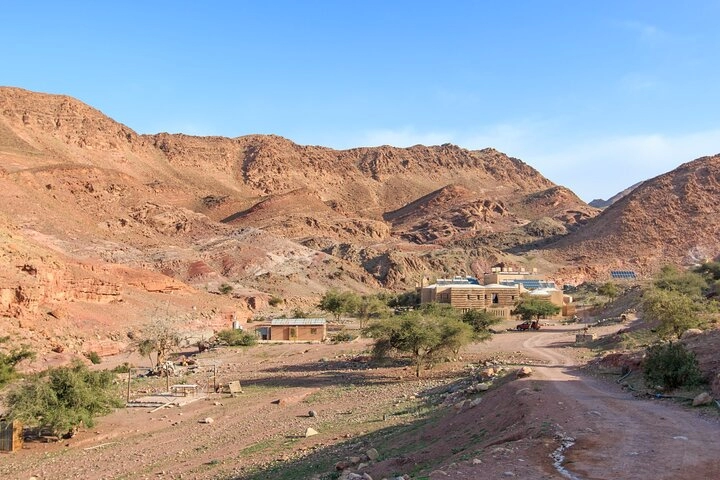
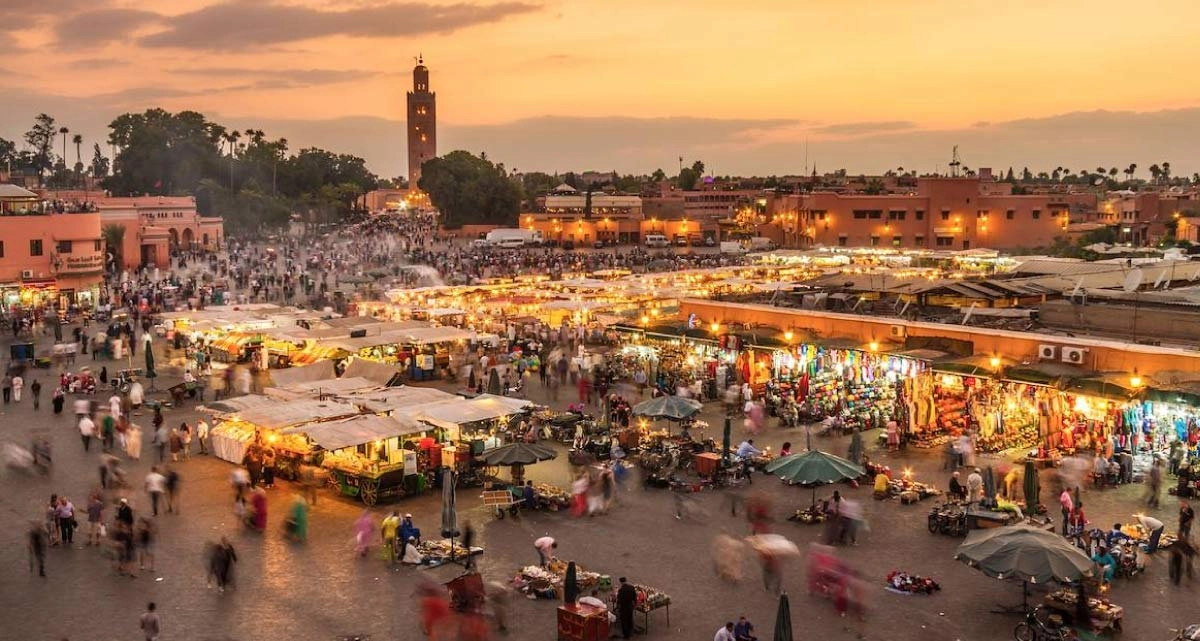
Jemaa el-Fnaa Square is the most noticeable hit among the places tourists visit in Marrakech and Morocco. The square is very lively and busy all the time. So, it is like a mirror that reflects the heartbeat of the city. This place cannot be omitted from the itineraries of travelers taking morocco tours or opting for morocco travel packages, as it displays the very core of Moroccan culture in its most animated form.
Street Performers and Live Entertainment
Jemaa el-Fnaa’s extraordinary street performances are one of the main reasons that people flock to the place. Throughout the day, visitors can see snake charmers, storytellers, musicians, acrobats, and dancers. This melting pot of performing arts is a living testimony of Morocco’s rich oral traditions and is one of the most remarkable things to see and do in Marrakech.
Food Stalls and Local Flavors
With night fall, Jemaa el-Fnaa becomes an open-air food market that is hard to resist with its smell alone. The food stalls present the very best of Moroccan cuisine, from grilling to steaming, like grilled meats, tagines, harira soup, and fresh juices. The tasting of local food here is one of the highlights of tours round morocco and it is a must-do for visitors misguidedly thinking they have visited the best of morocco.
Traditional Markets and Souvenirs
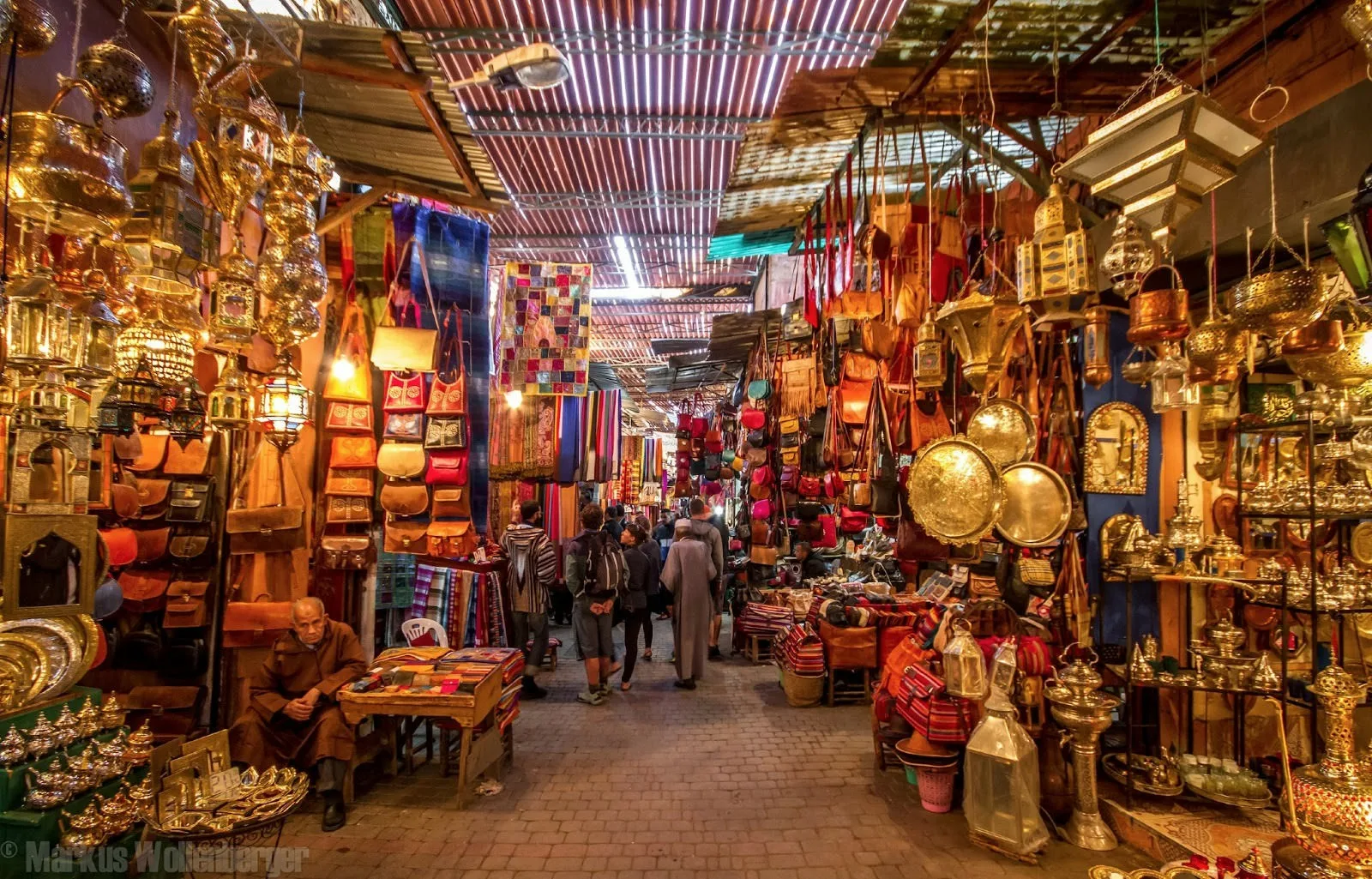
The square encircled by narrow alleys leading to the famous souks of Marrakech. Tourists can buy all sorts of things like spices, lanterns, leather products, textiles, and artful crafts. The allure of these markets will certainly deepen your visit, and it is usually included in guided morocco travel packages.
Why Jemaa el-Fnaa is a Must-Visit Place in Morocco
Jemaa el-Fnaa is not just a square, it is a cultural experience that intertwines history, entertainment, food, and daily life. By including it in your Morocco tour, you will be exposed to the colorful traditions that characterize Marrakech. Its vigor, variety, and genuineness rank it among the most significant points for the world to see in the country.
Tips for Enjoying Jemaa el-Fnaa Like a Local
To get a sense of the square's different atmosphere, visit it both in the daytime and at night. Always keep small coins for buskers and sellers, and it is polite to ask first before photographing people. Be careful with your things as the place might become very full. Morocco tours can be booked to take you around in a comfortable way whilst you learn about the culture through their significance.