 Places to see
 Top Destinations
  Things to do

















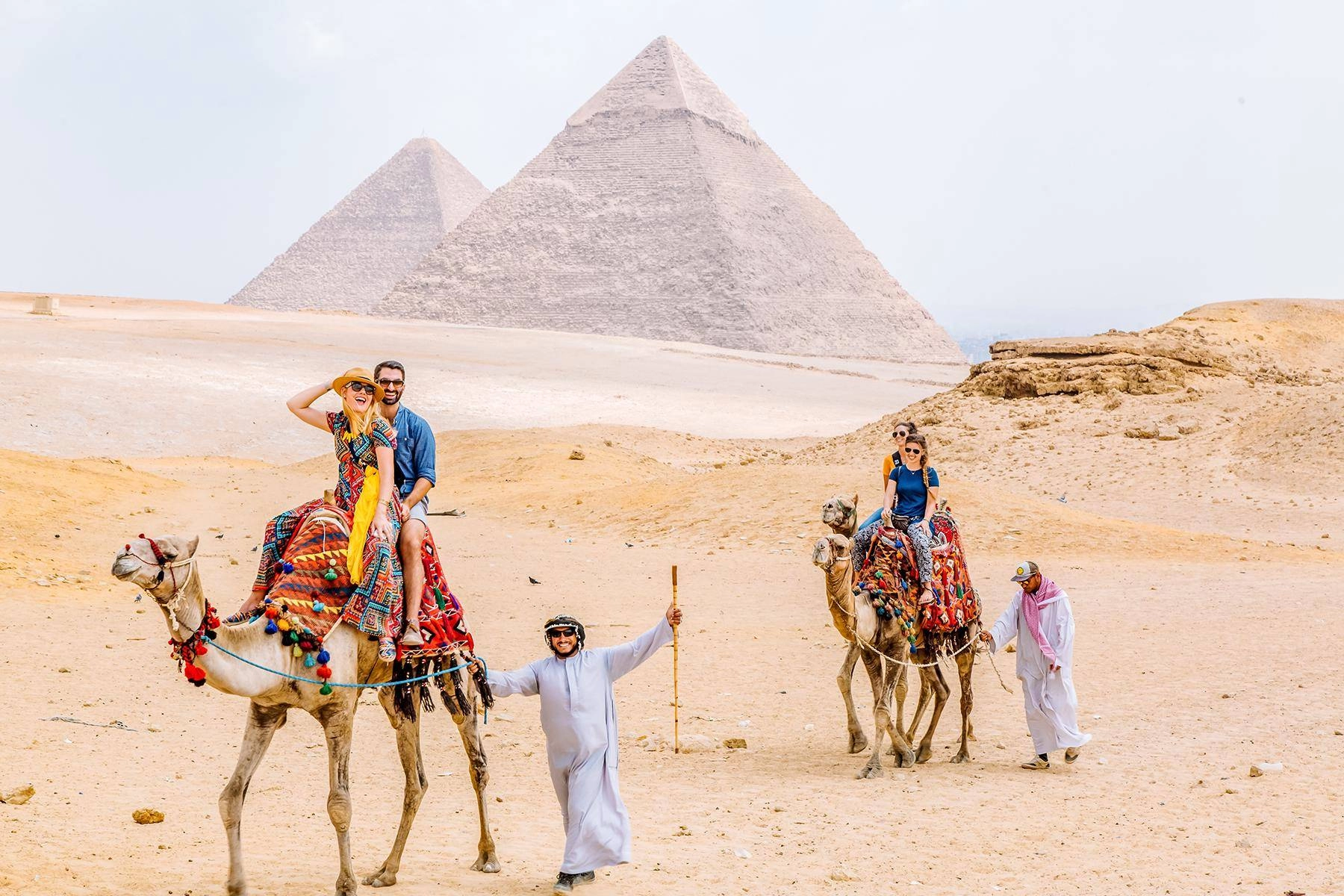

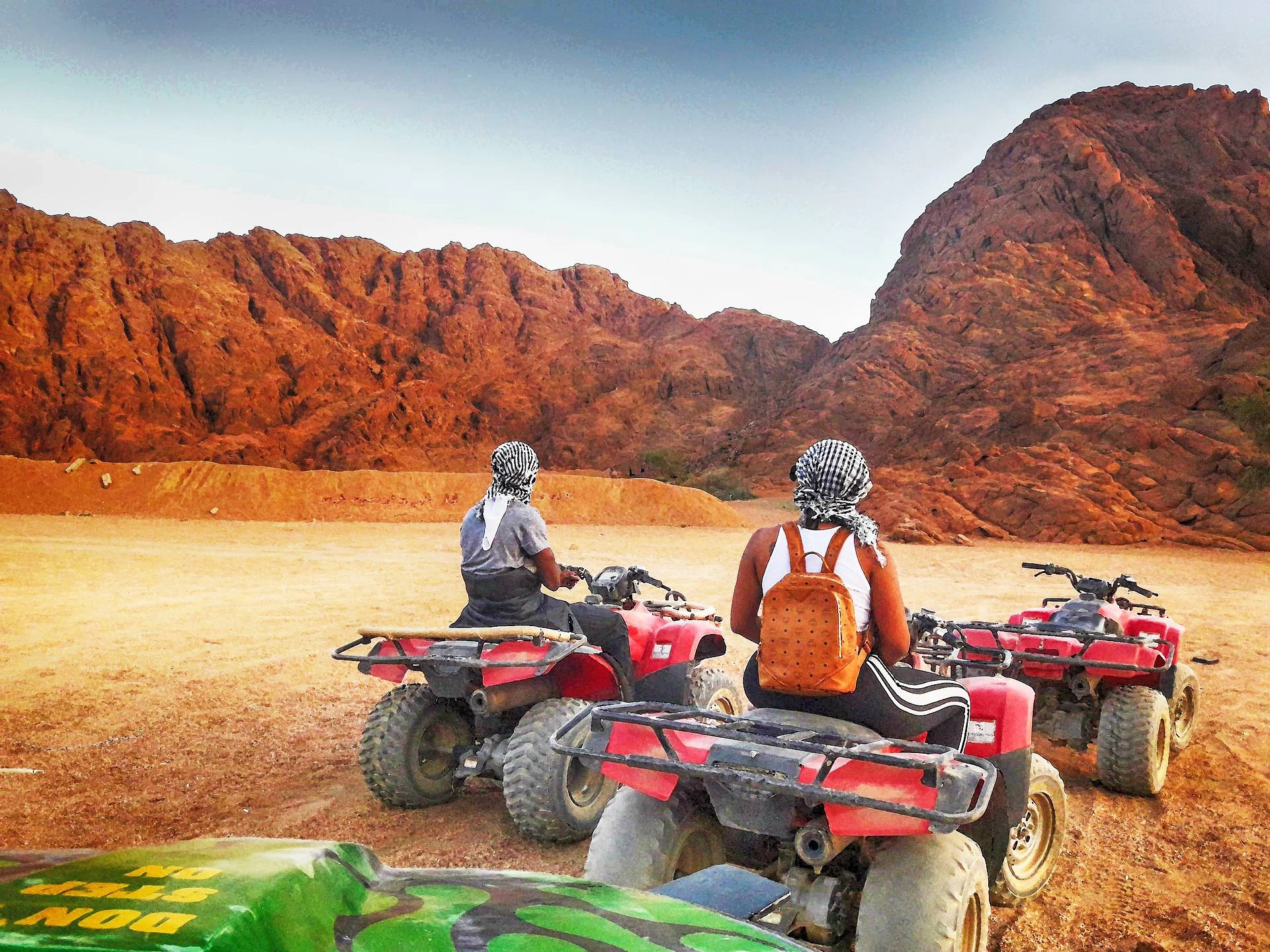
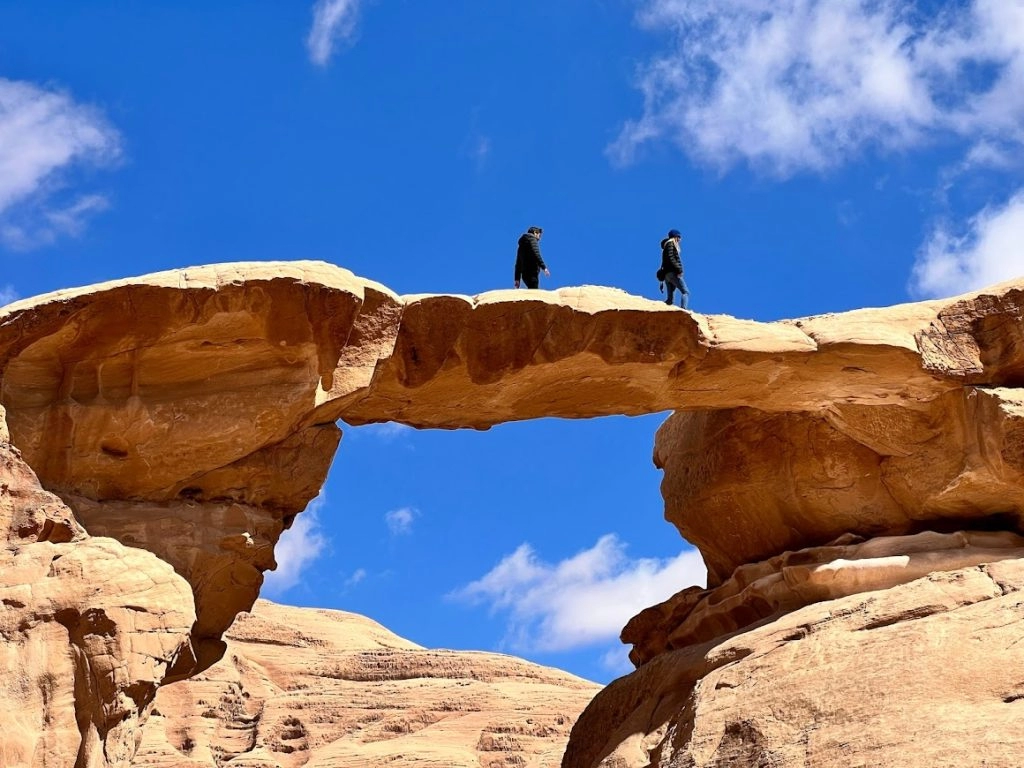




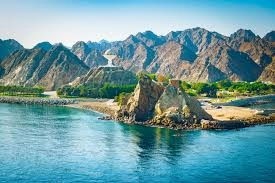
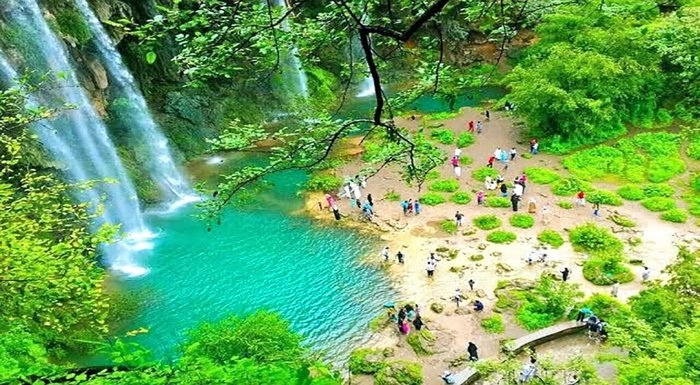
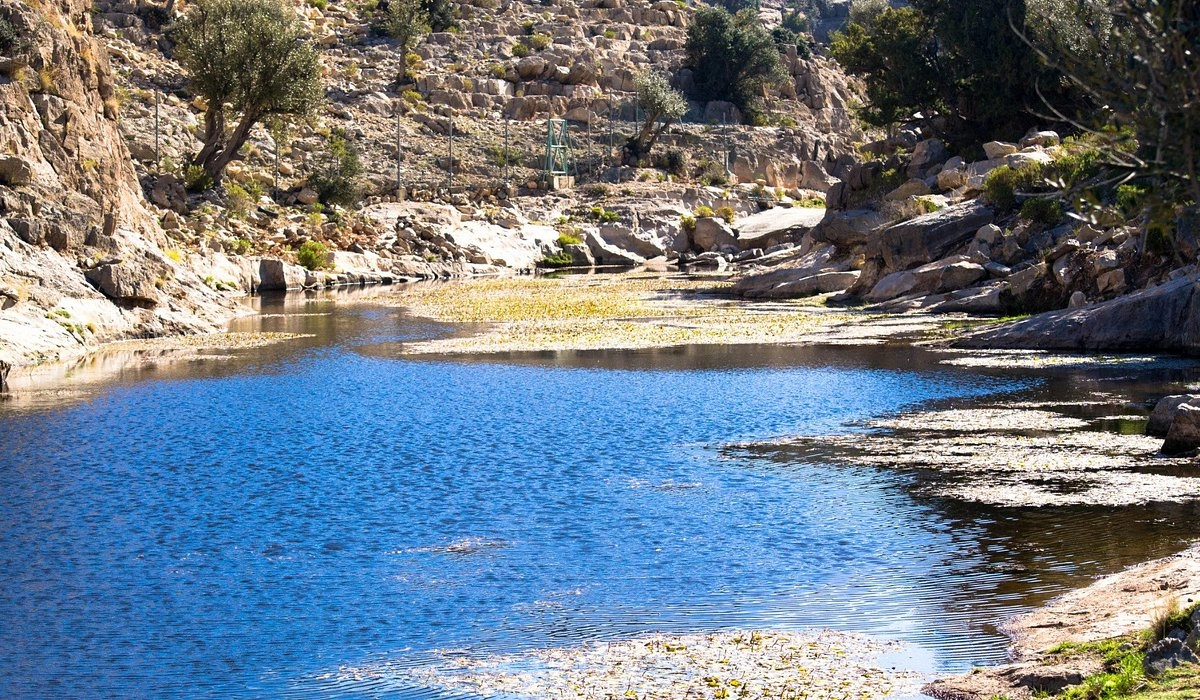
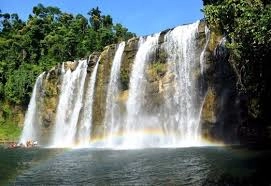




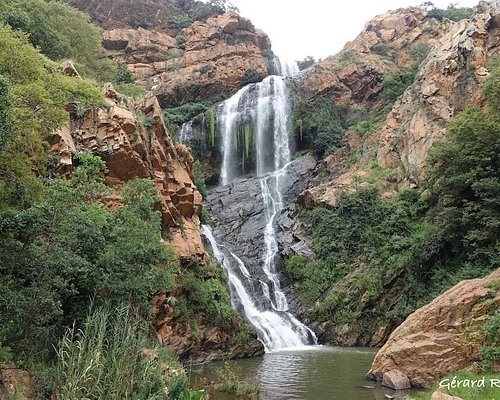

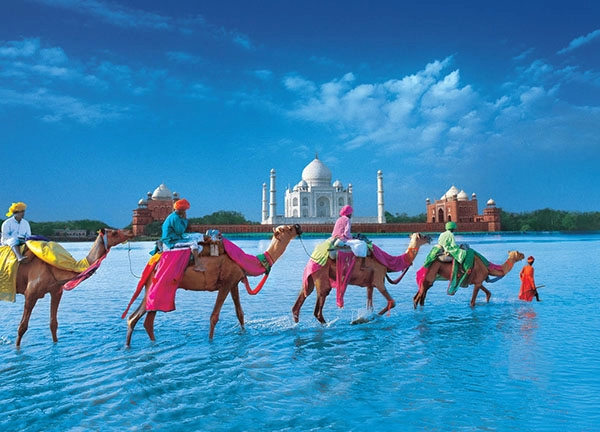
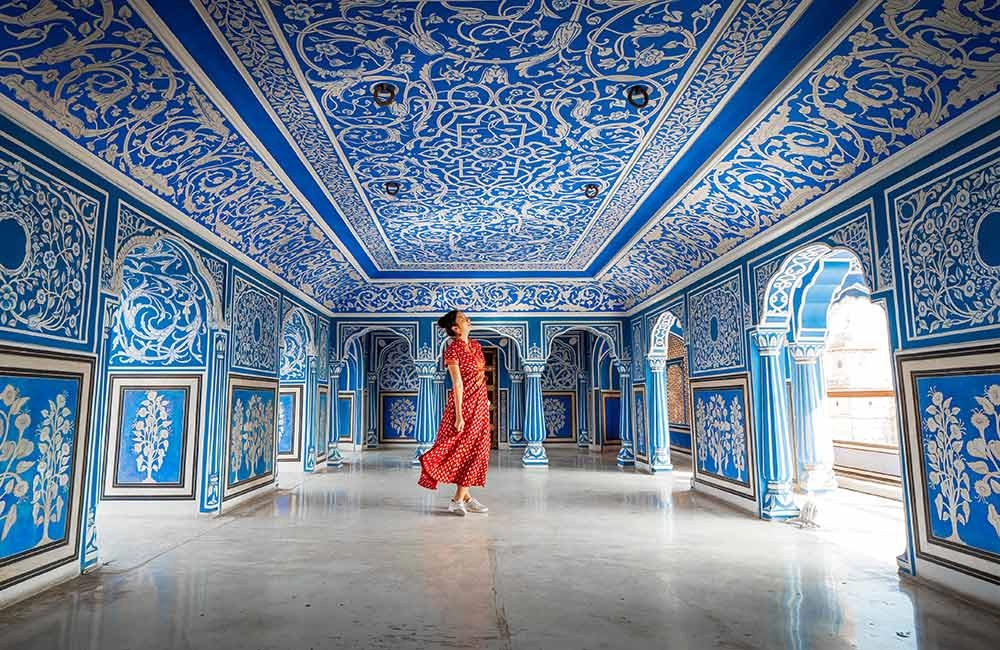

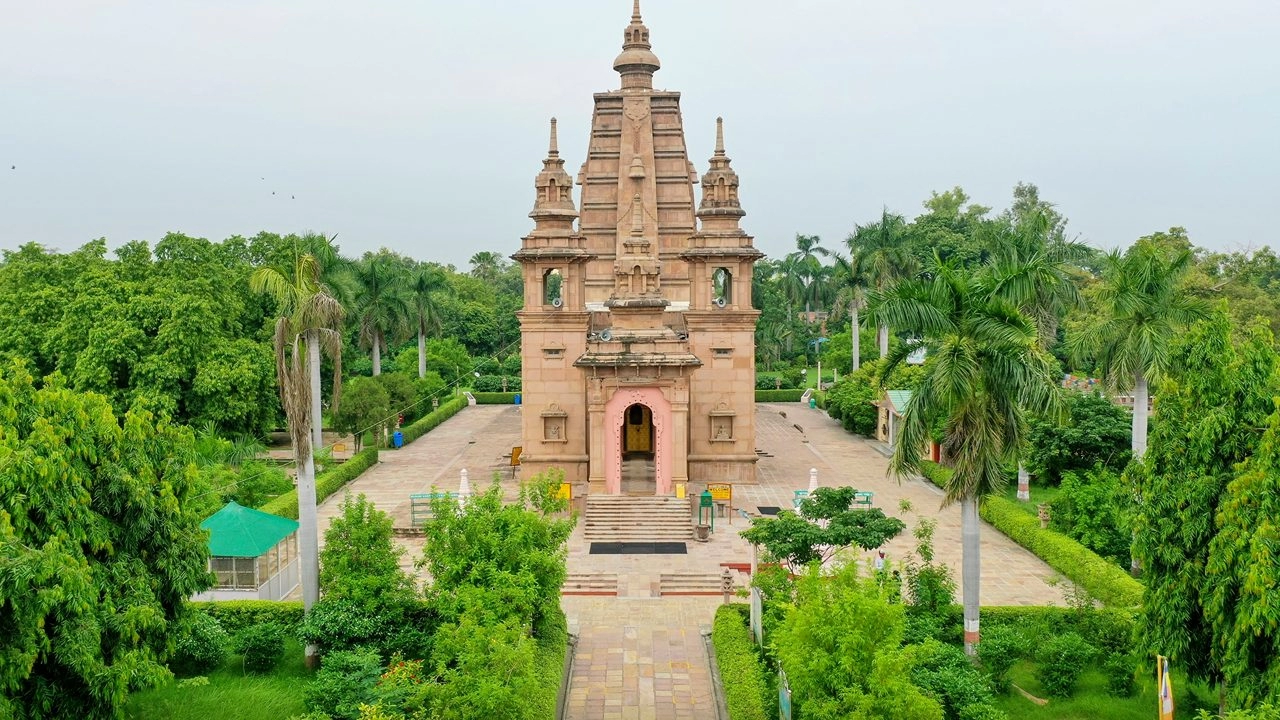
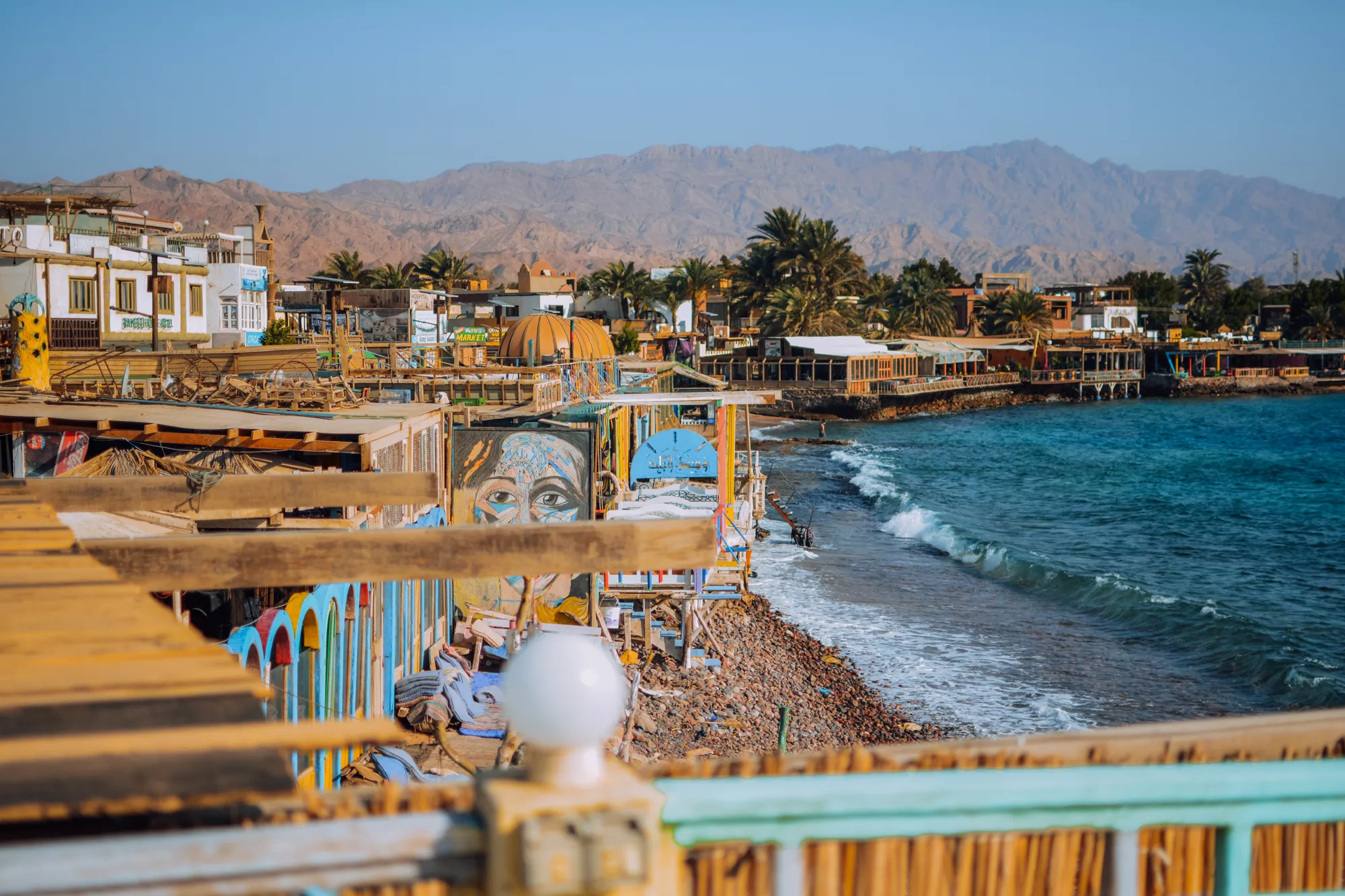

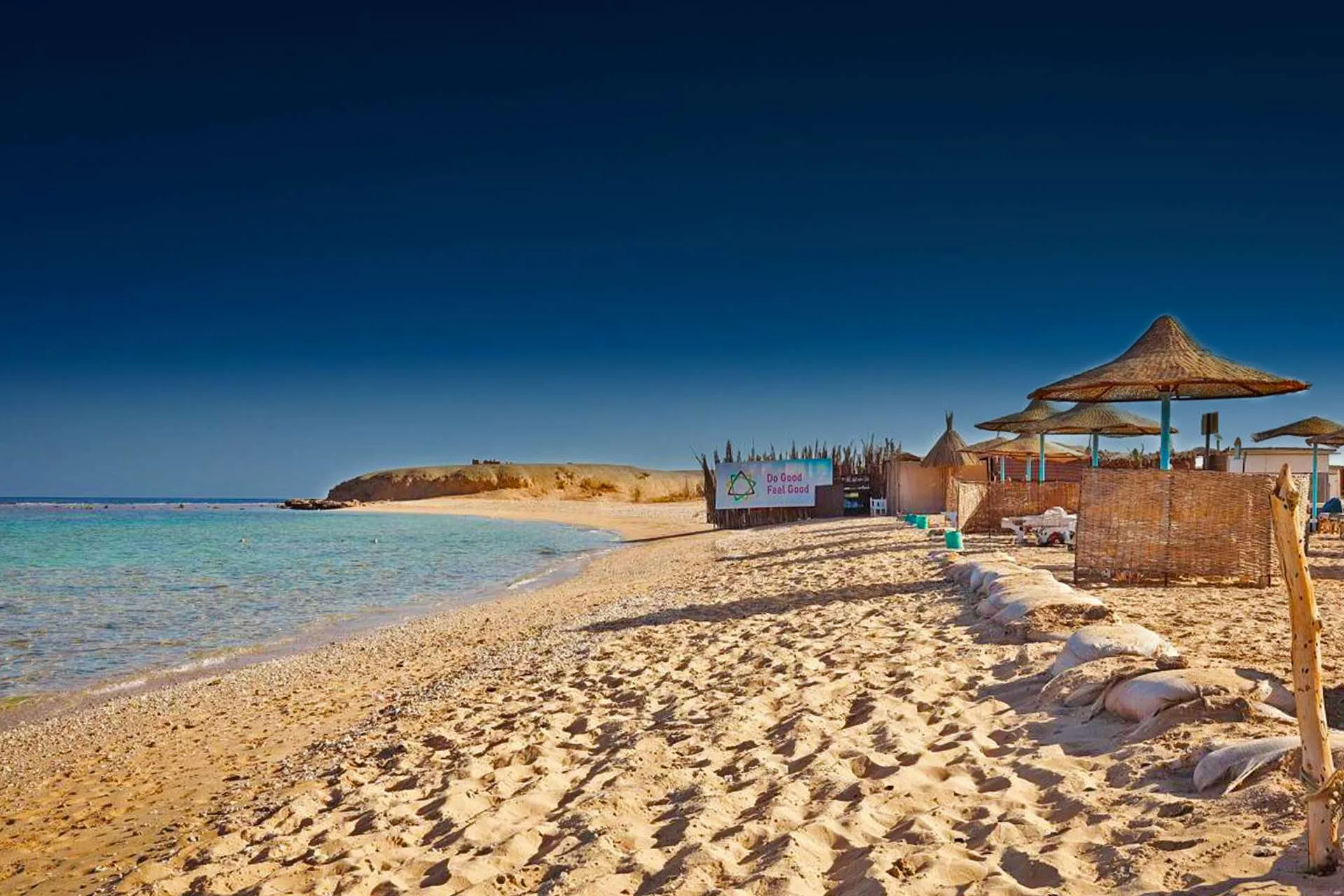
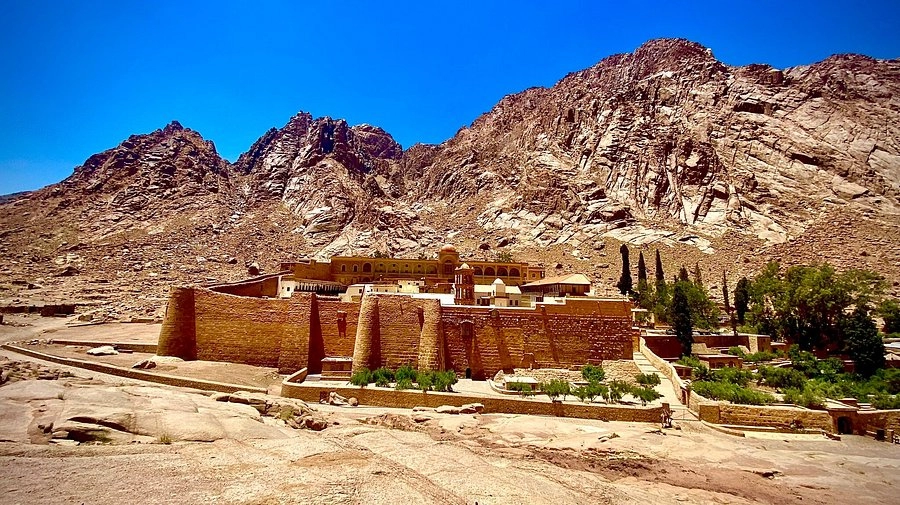
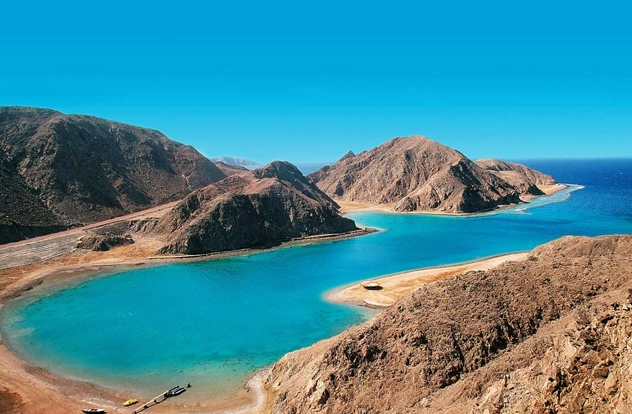


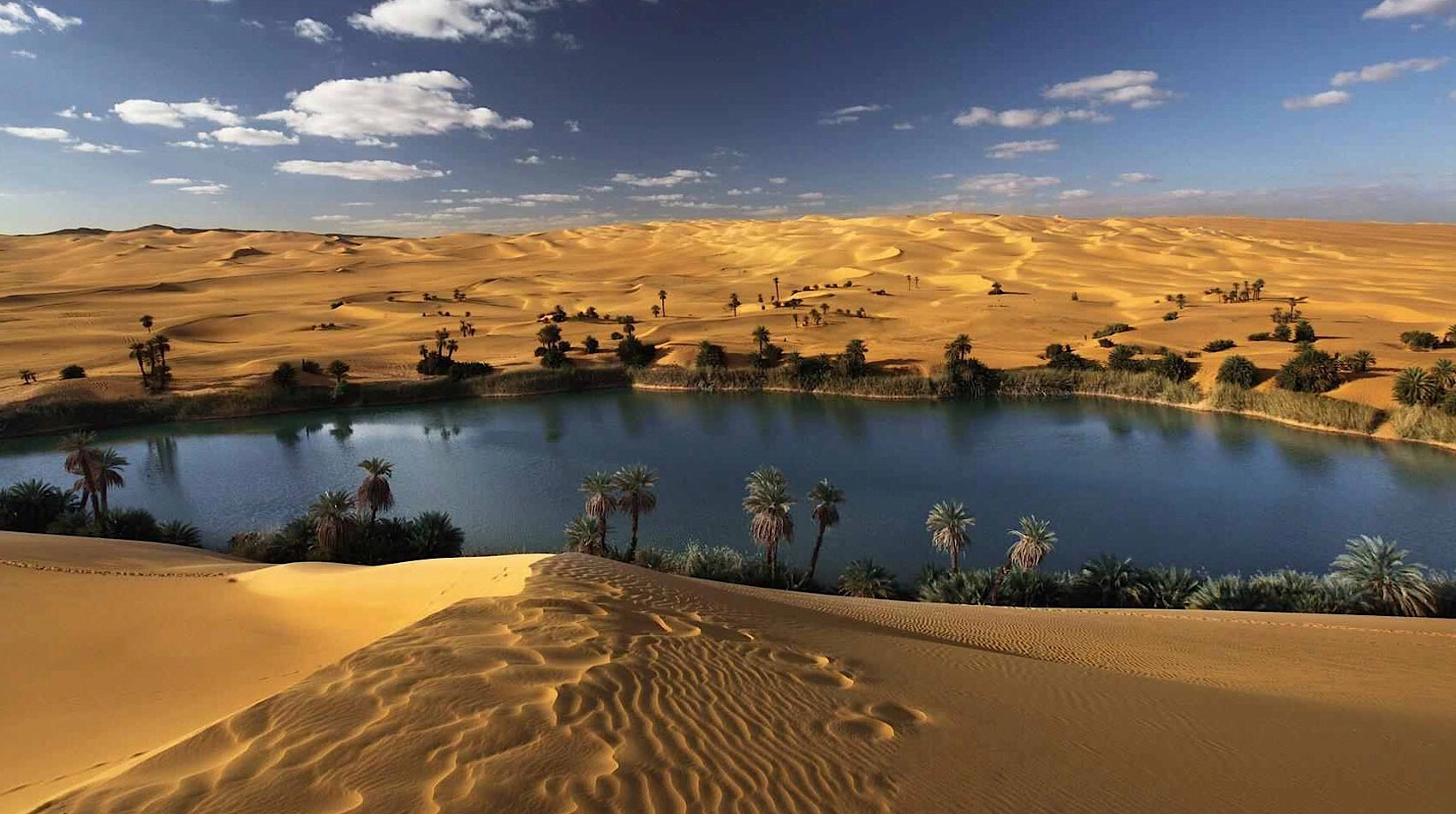
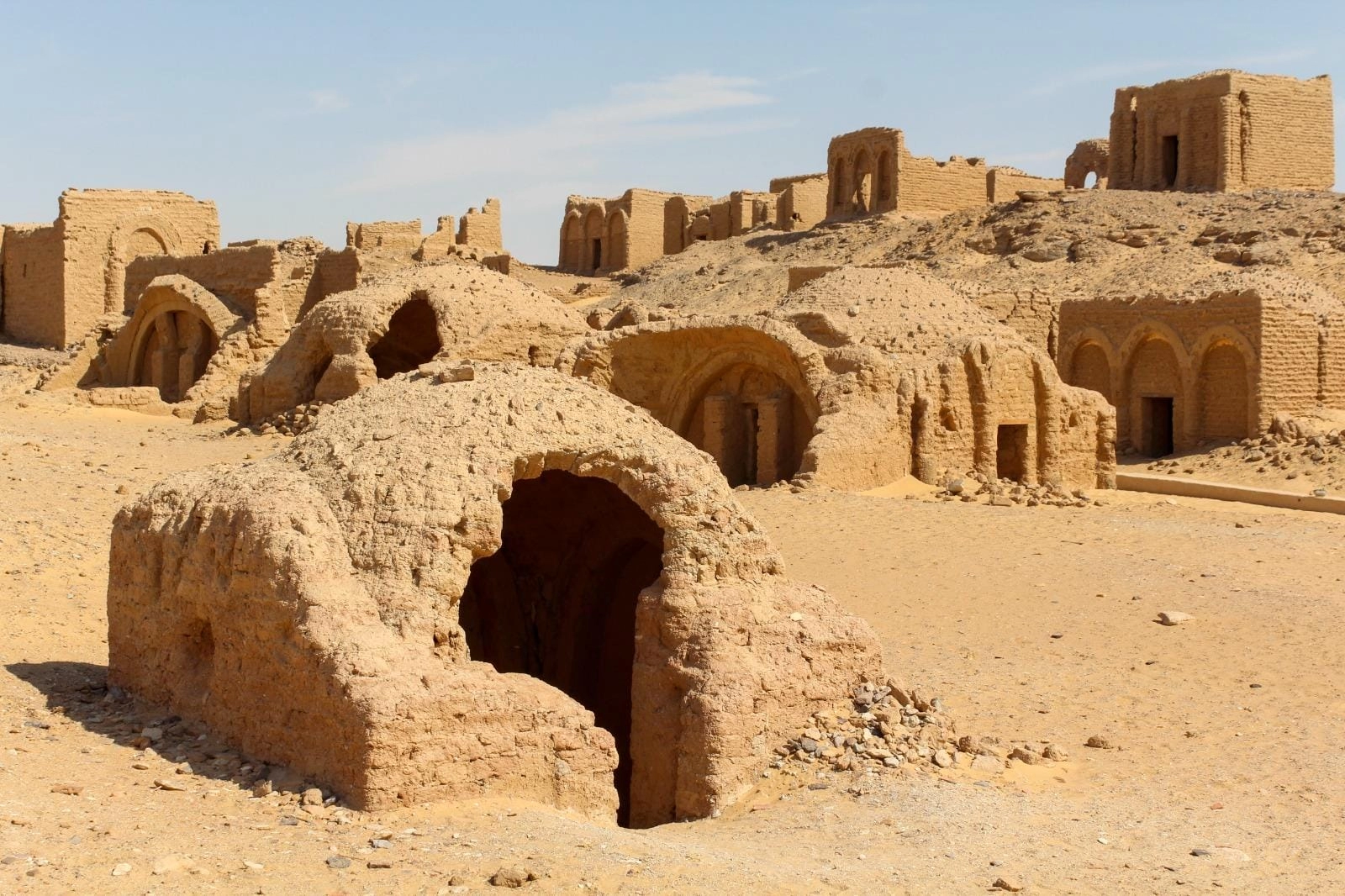
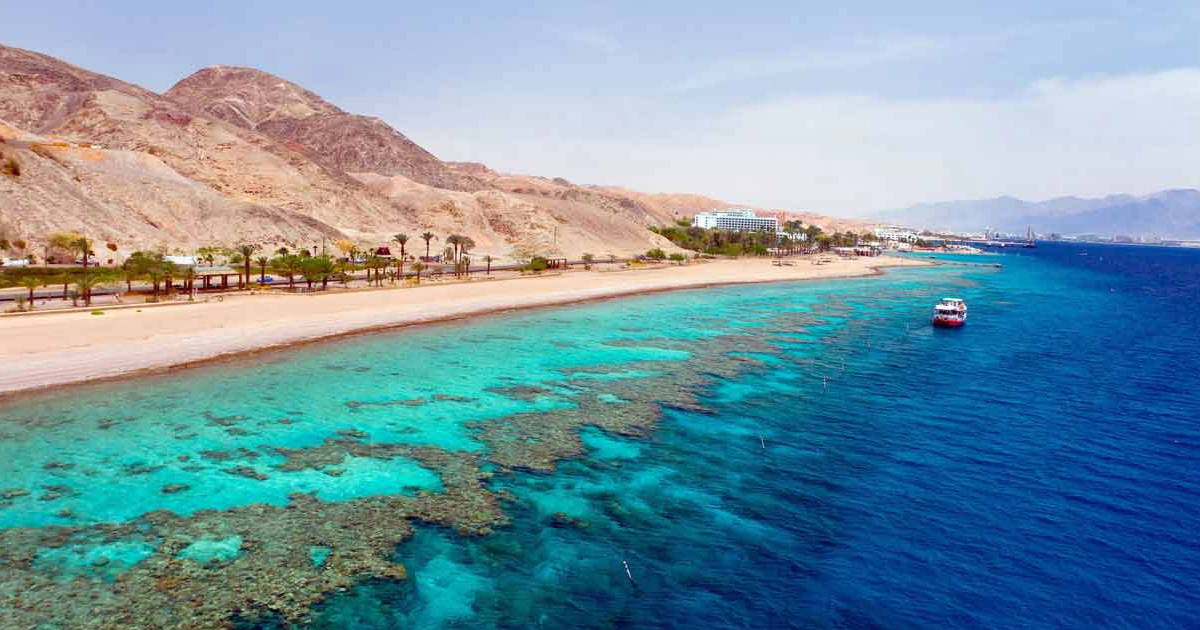
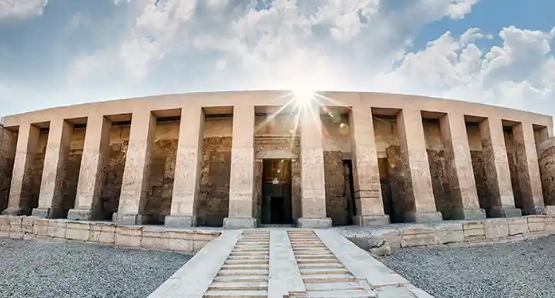
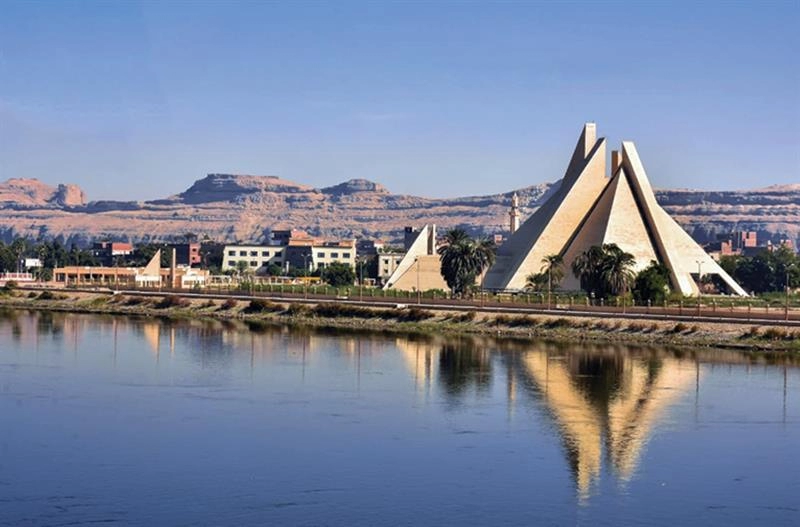
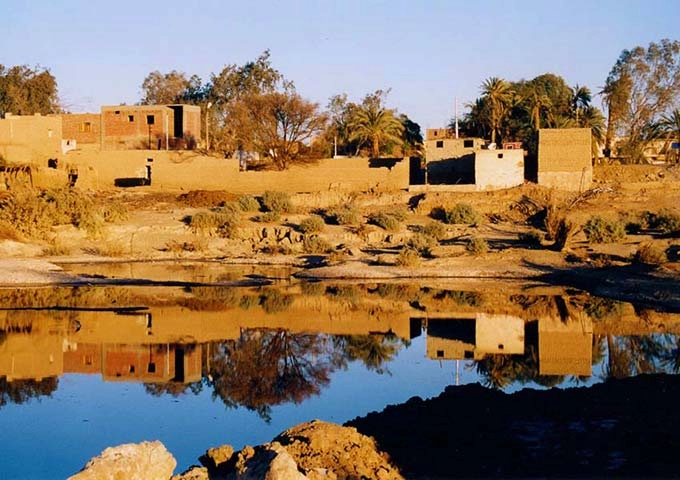
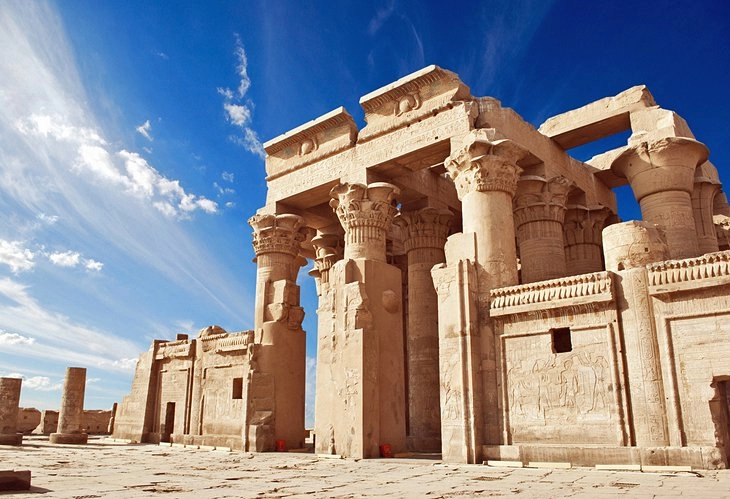
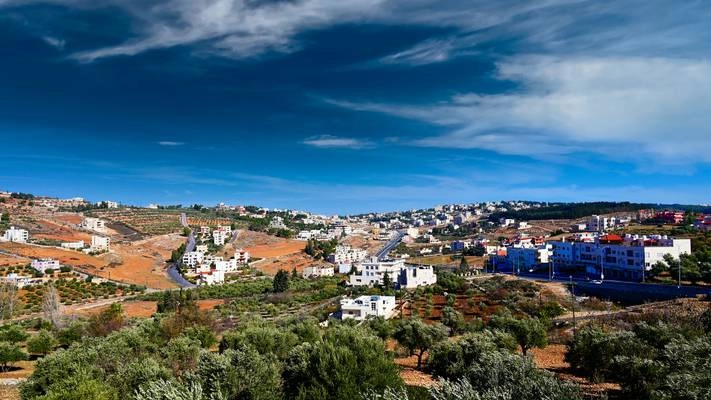
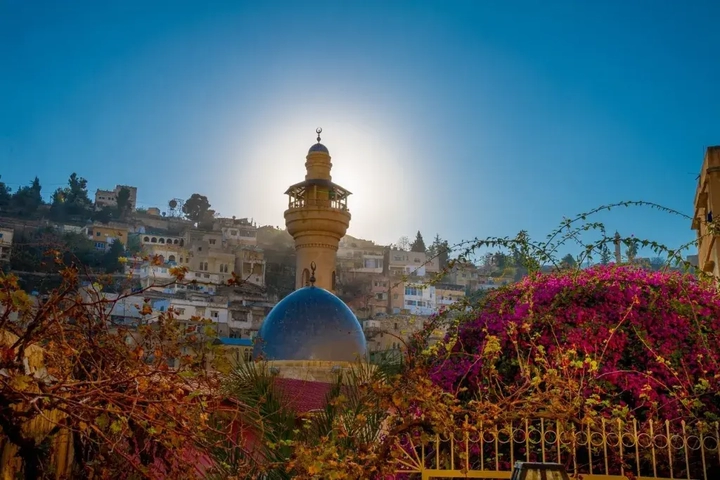
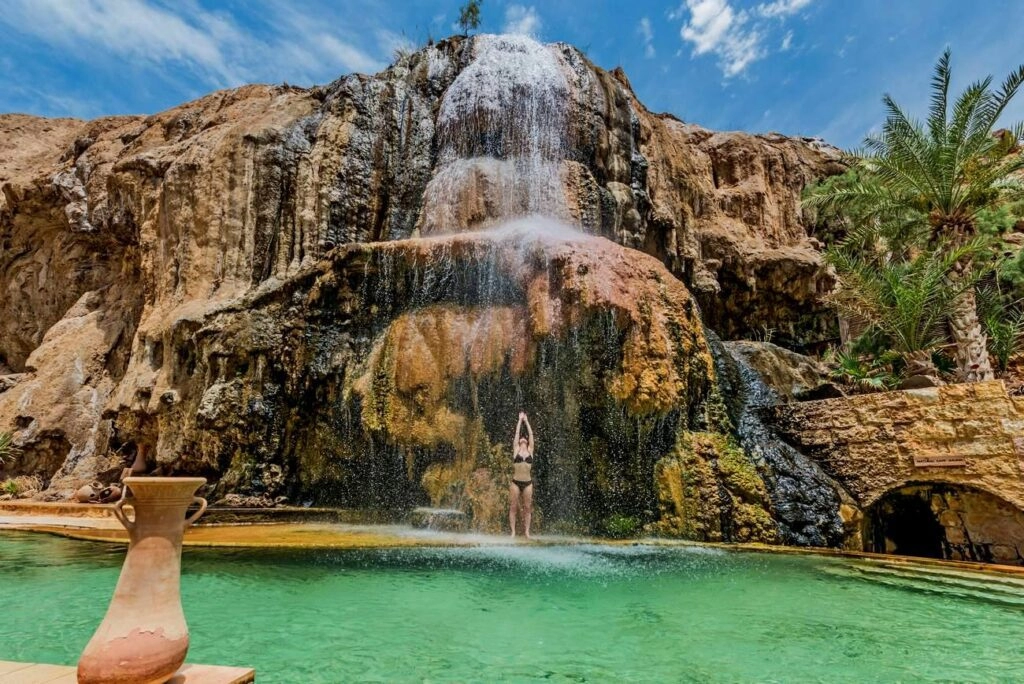
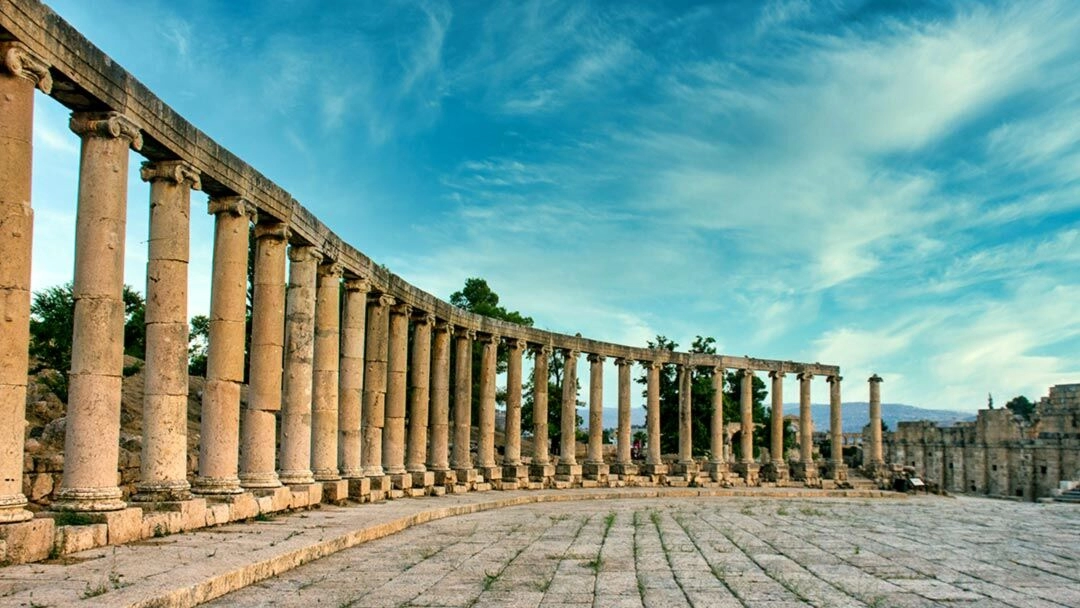
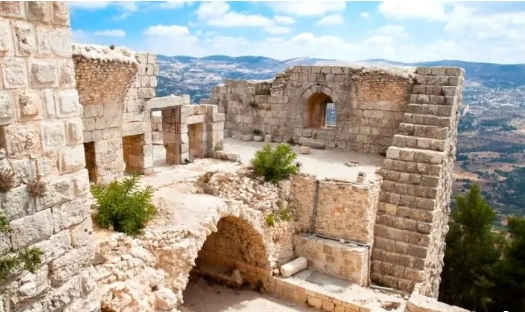
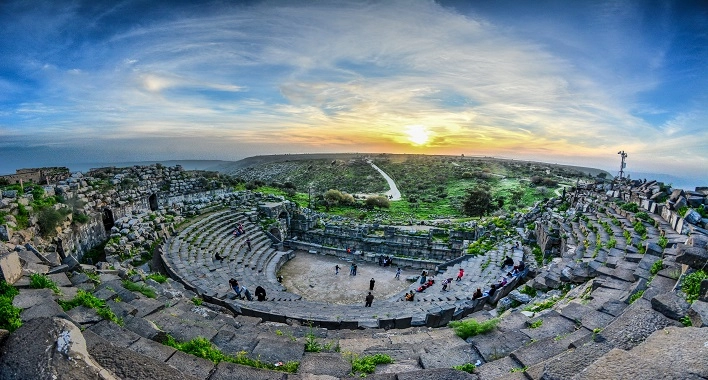
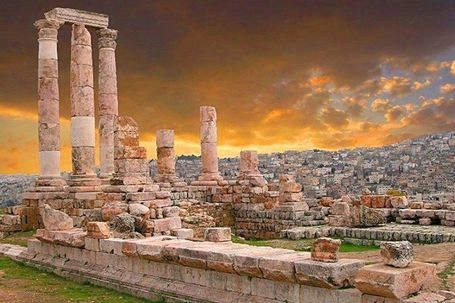
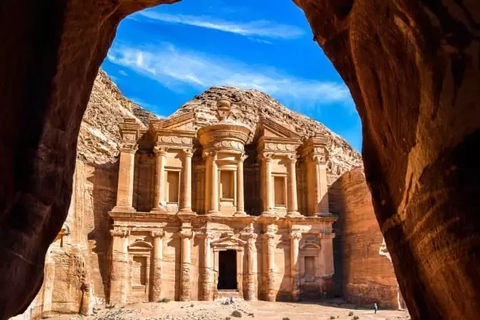
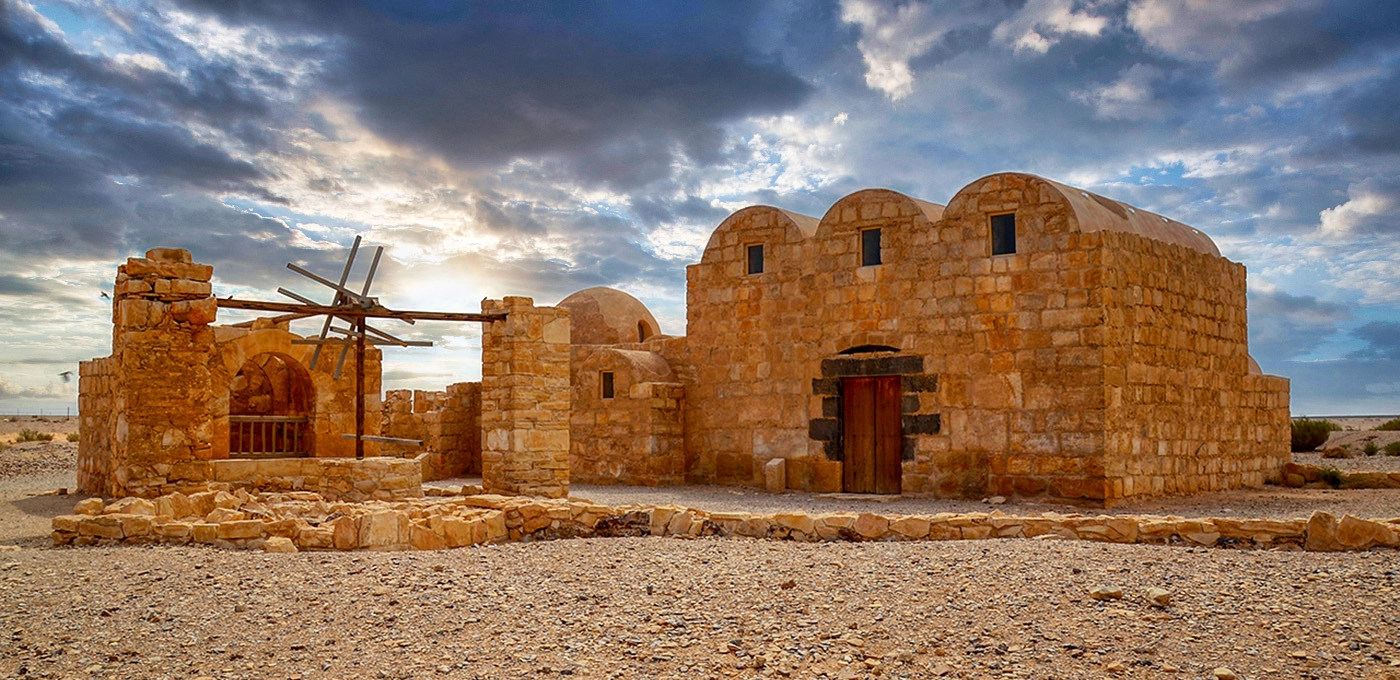
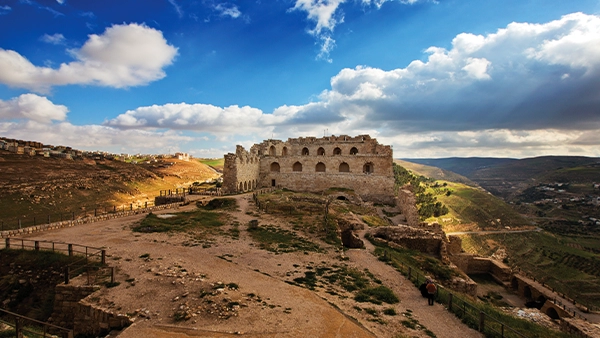
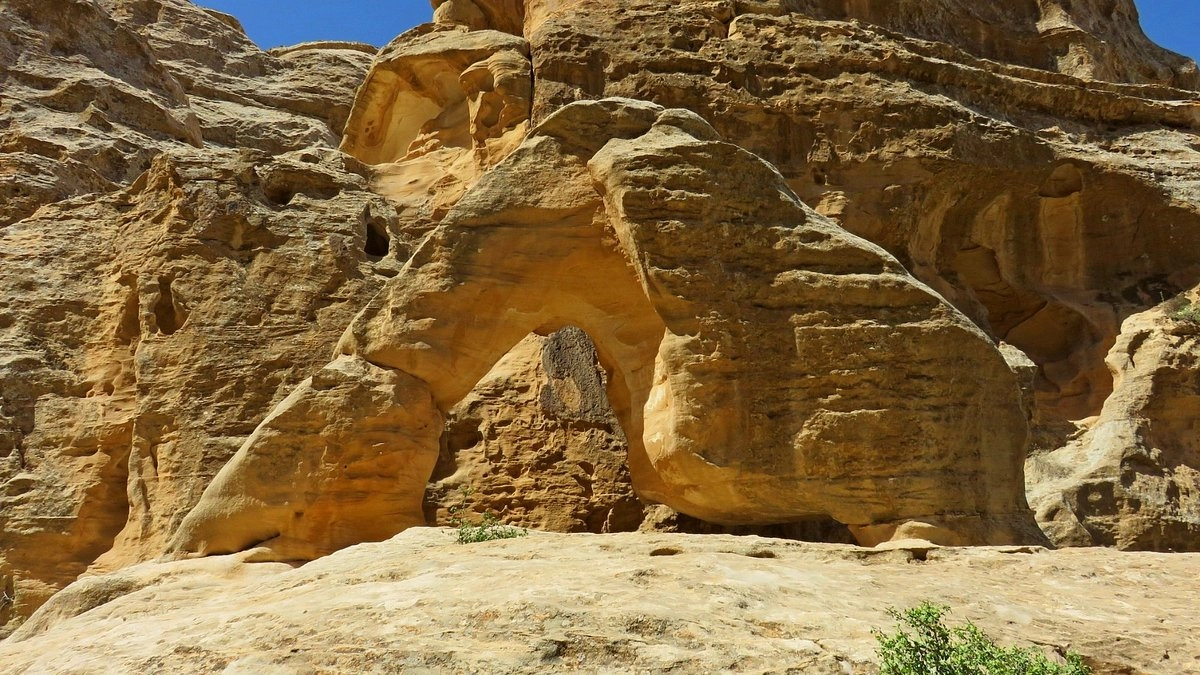
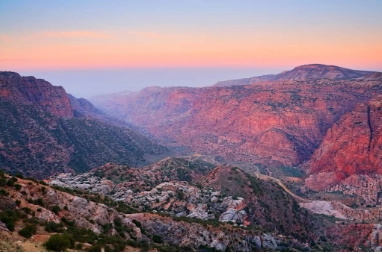
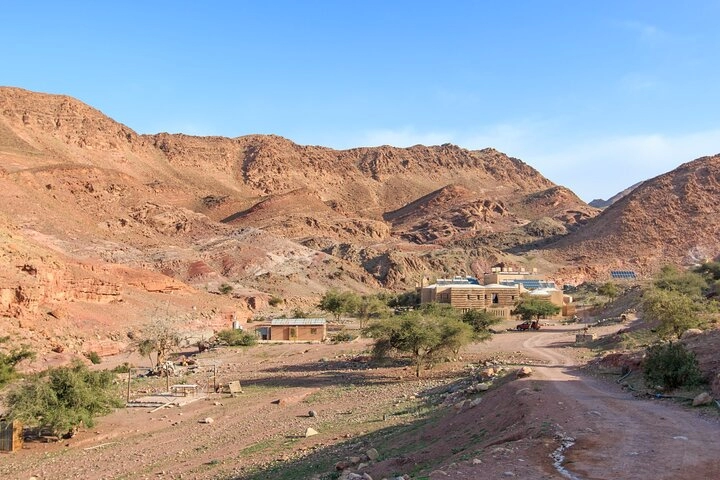
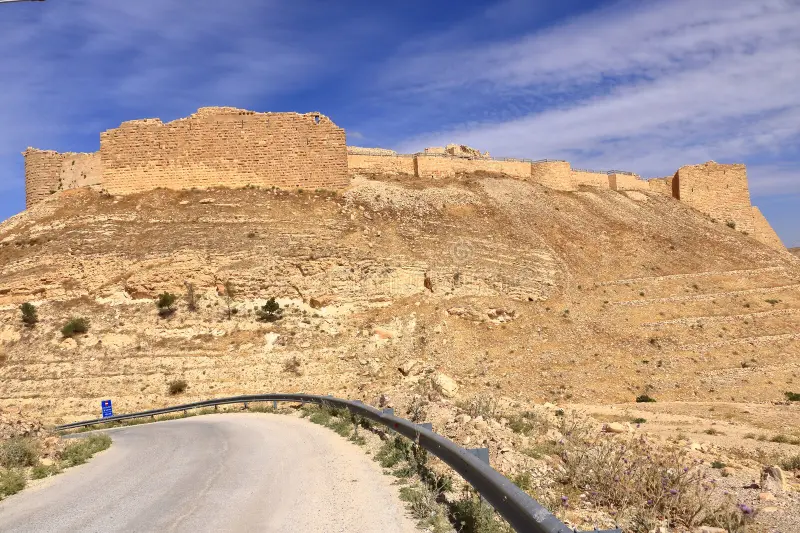
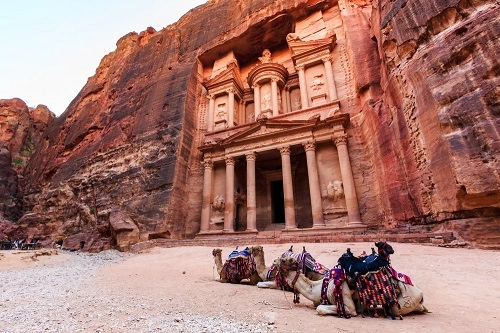
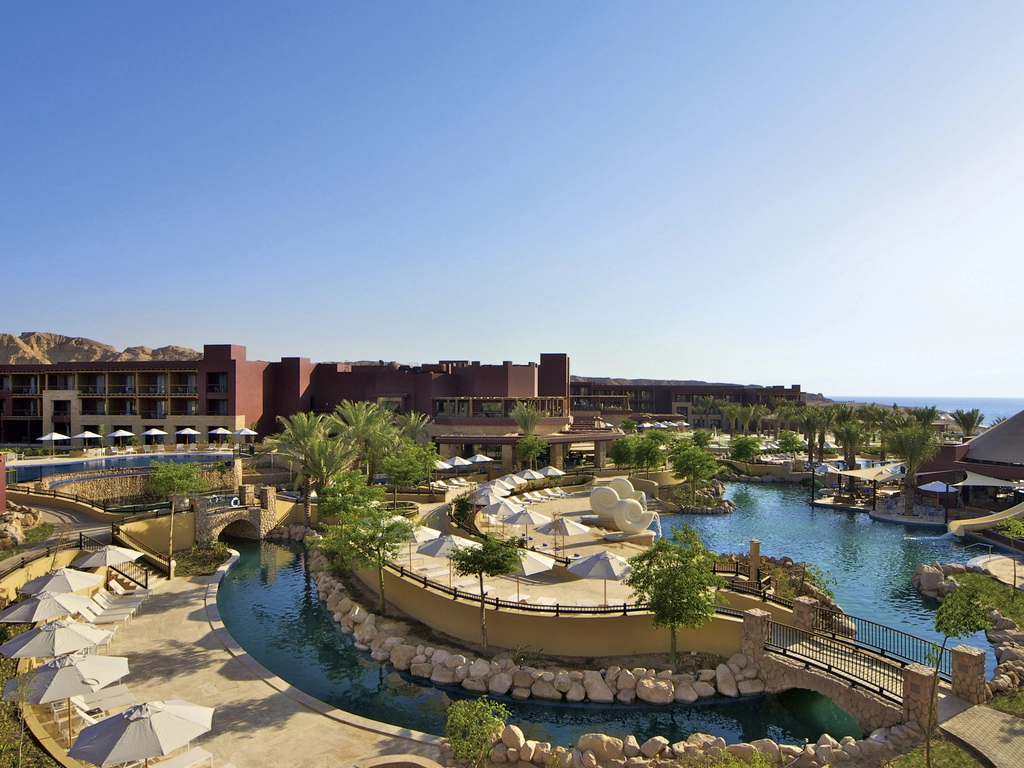
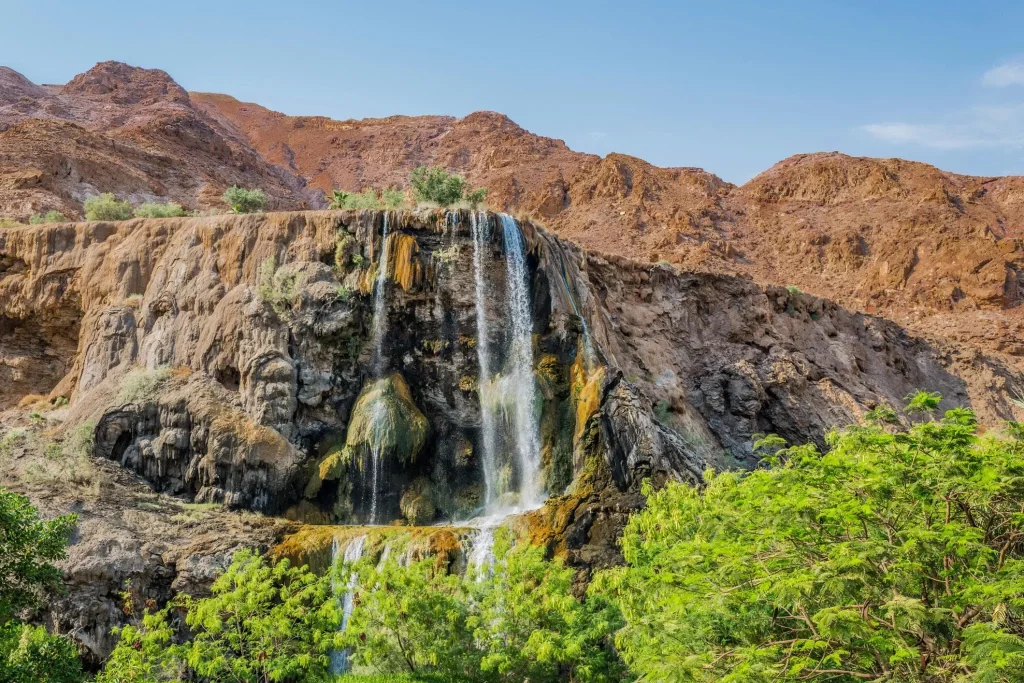

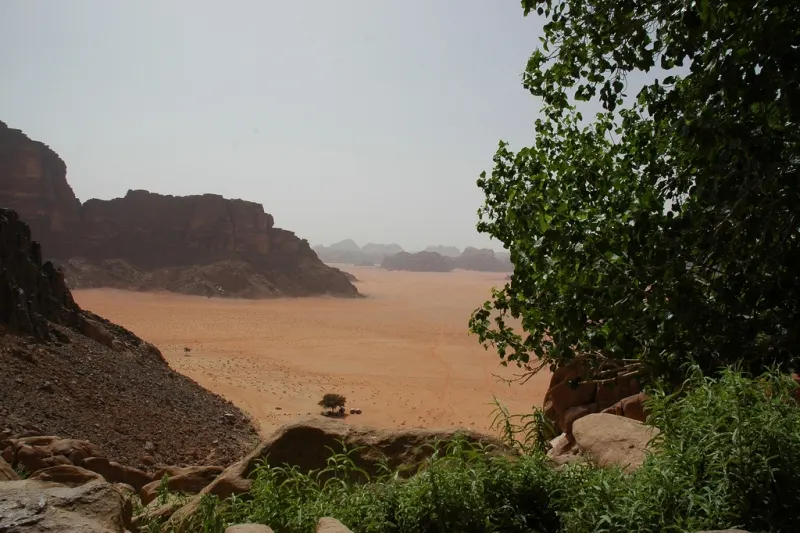
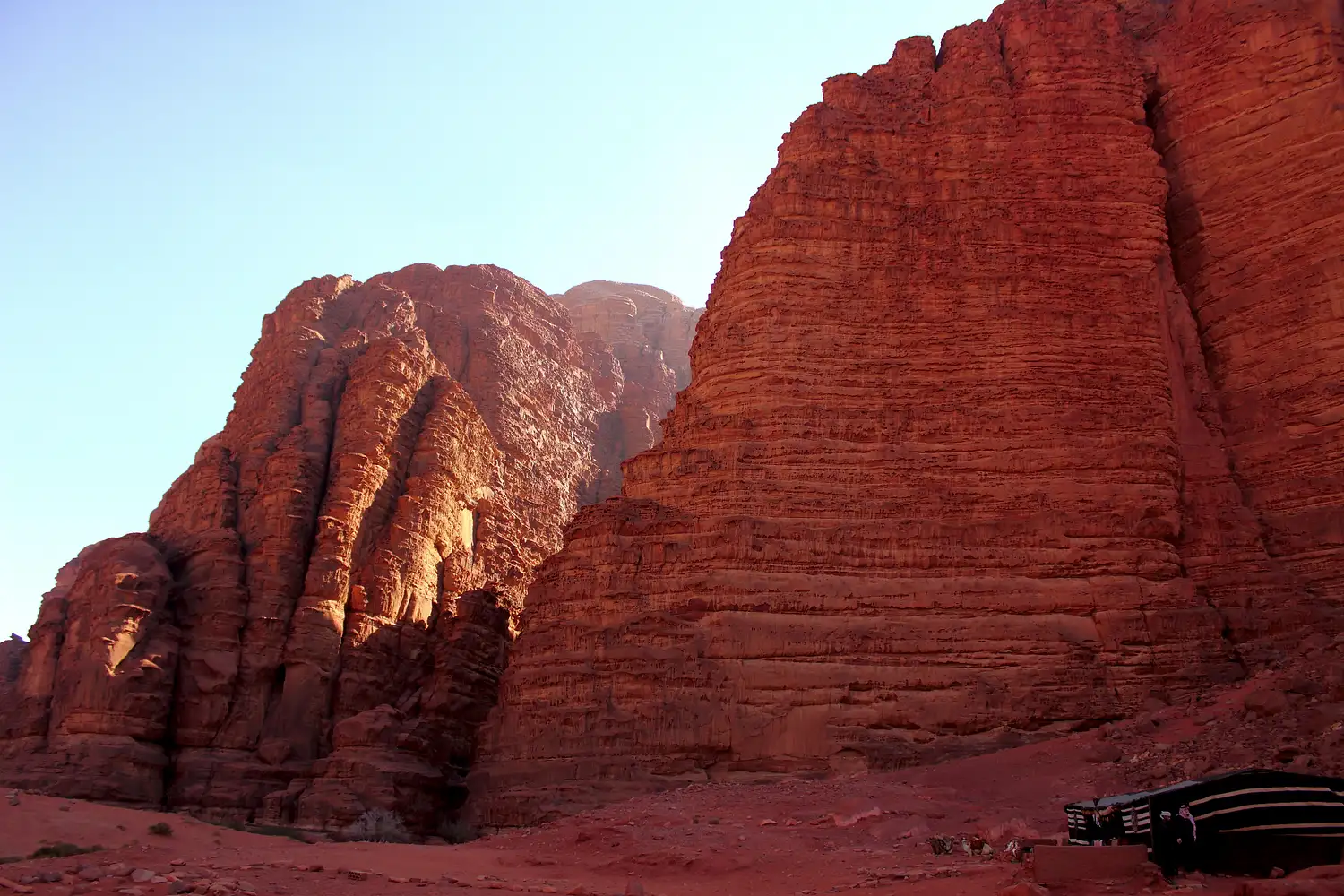
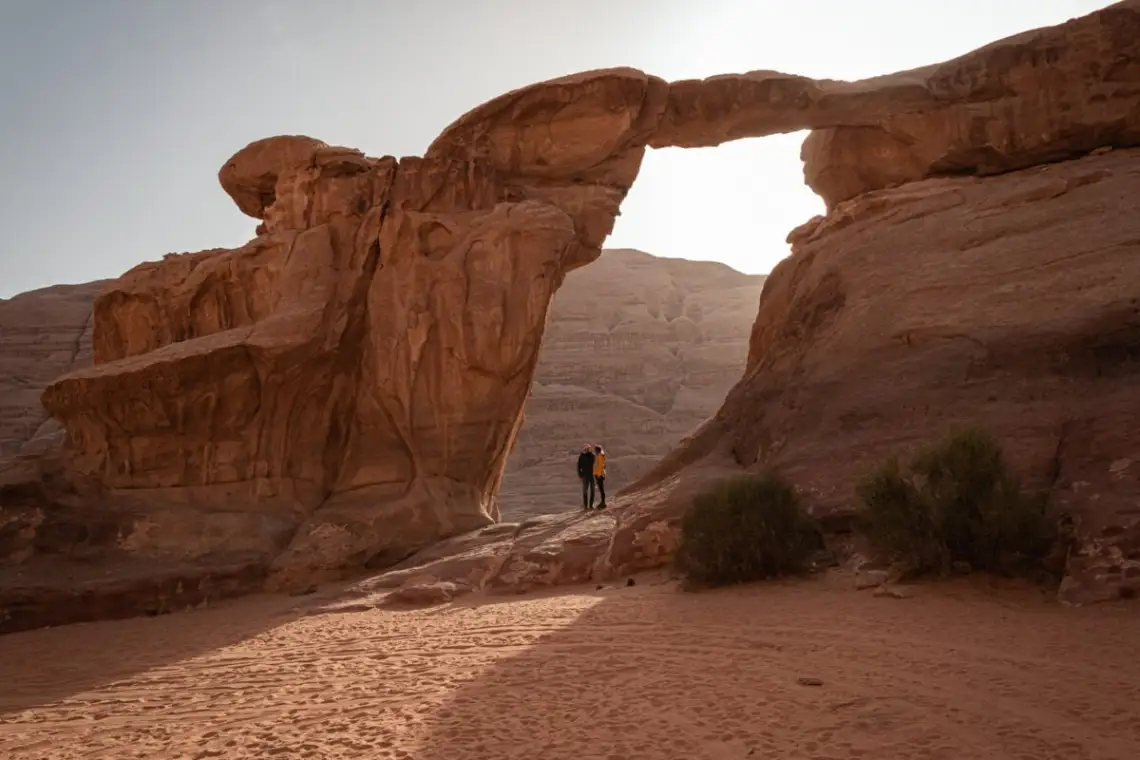
Wadi Rum’s Lawrence’s Spring is a notable site that was named after T.E. Lawrence, the British author and archaeologist, who was one of the key figures of the Arab Revolt in WWI. The spring, which lies among the stunning sandy desert of Wadi Rum was purportedly a water source for the armies during their marches. However, now, the place offers a free ticket to the past, a chance to experience nature, and an adventure all rolled into one. The site features amazing cliffs made of sandstone, desert valleys, and there is even the option of hiking or being carried on a camel to go to the spring. Lawrence’s Spring serves as a window into the past that Wadi Rum held and therefore, is a stopping place for both history lovers and desert adventurers.
Historical Significance
After T.E. Lawrence, the famous British archaeologist and military officer (Lawrence of Arabia) During the Arab Revolt (1916–1918) The location was strategic in the desert for the campaigns against the Ottoman forces
Natural & Scenic Features
Nature’s handiwork with the highest sandstone cliffs and the most wondrous rock formations Desert valleys and breathtaking views Spring in the desert is a rarity which means it is a unique water source for the desert
Visiting Lawrence’s Spring
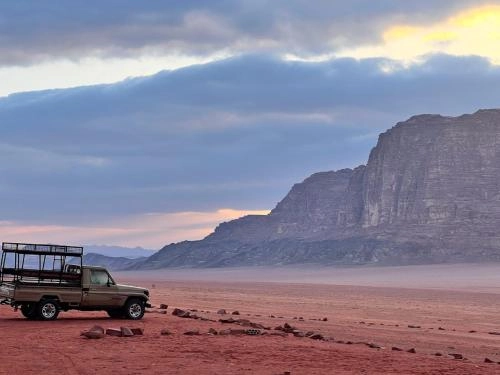
The spring is reachable through guided jeep tours, camel rides, or hiking. Short hiking trails from nearby Wadi Rum camps take you to the spring. It’s great for taking pictures, exploring, and enjoying the desert. The spring is included in many Jordan tour packages, making it a popular stop for visitors experiencing Wadi Rum’s natural beauty and adventure activities.
Nearby Attractions in Wadi Rum & Best Time to Visit
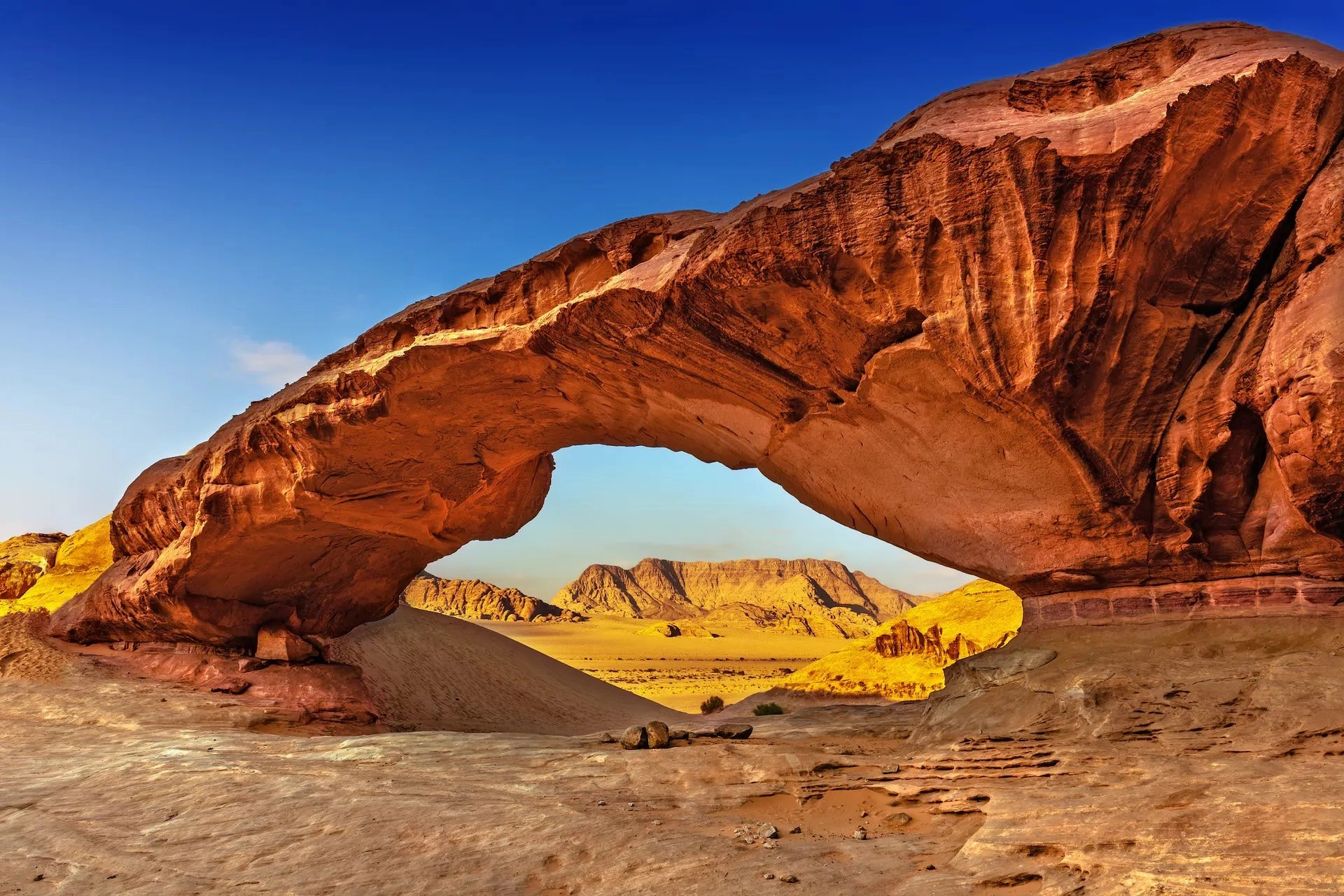
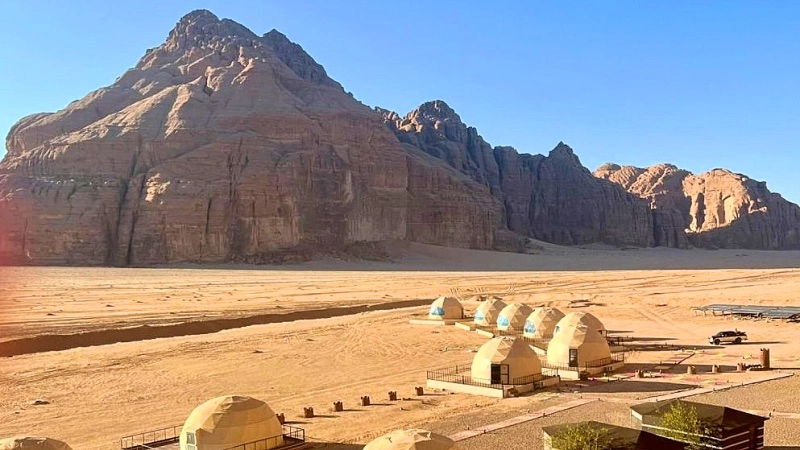
When you go to Wadi Rum, you can also go to nearby places like the well-known Seven Pillars of Wisdom rock formation, Khazali Canyon with its old Nabatean writing, and desert camps that let you sleep overnight and see the stars. Early morning is the best time for photos because the temperature is cool and the light is soft, while late afternoon brings amazing desert landscapes during sunset. The best time to visit is in spring and autumn when the weather is mild that it is good for walking and doing other activities in the desert.
Visitor Tips
Wear shoes that are comfortable and suitable for walking on desert trails In addition, bring water, sunscreen, and a hat for sun protection Think about going on a guided tour as it would be a good way to learn about the history and help you find your way around the desert paths Be mindful of the surroundings and the historic sites.