 Places to see
 Top Destinations
  Things to do













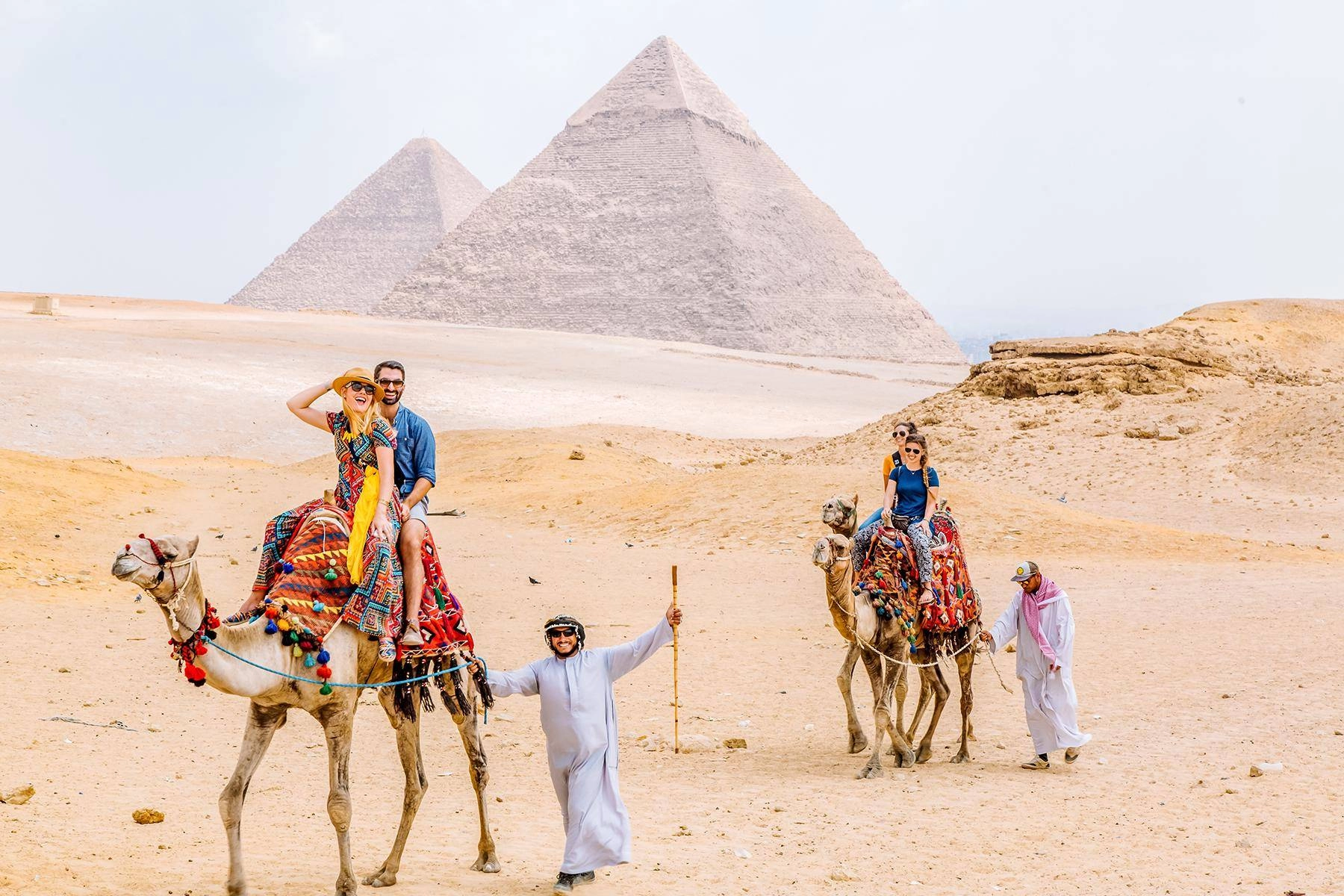
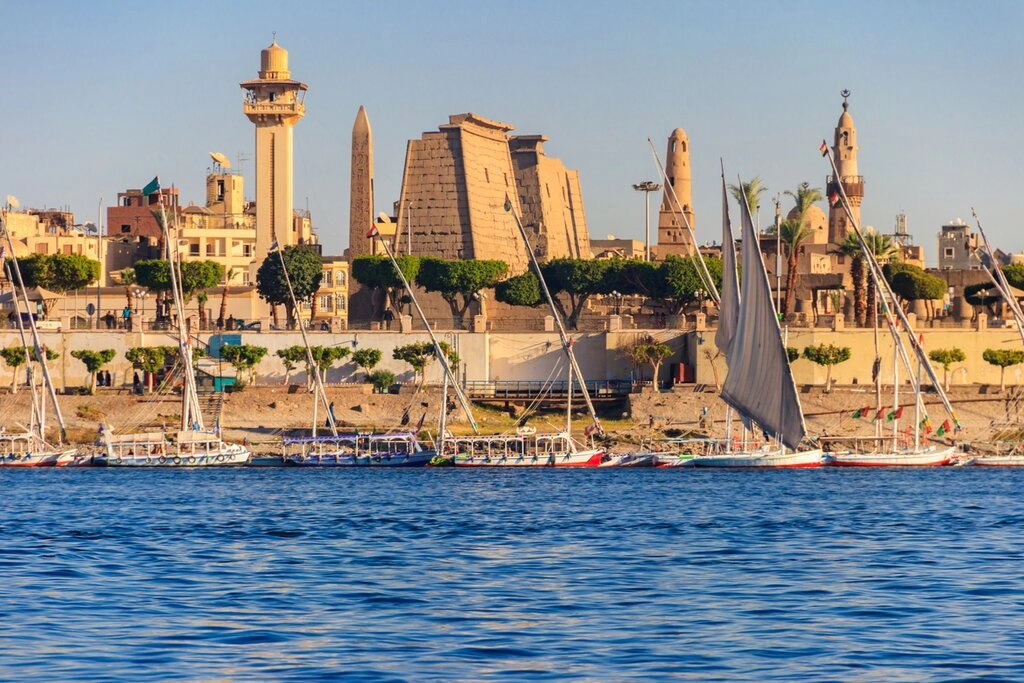
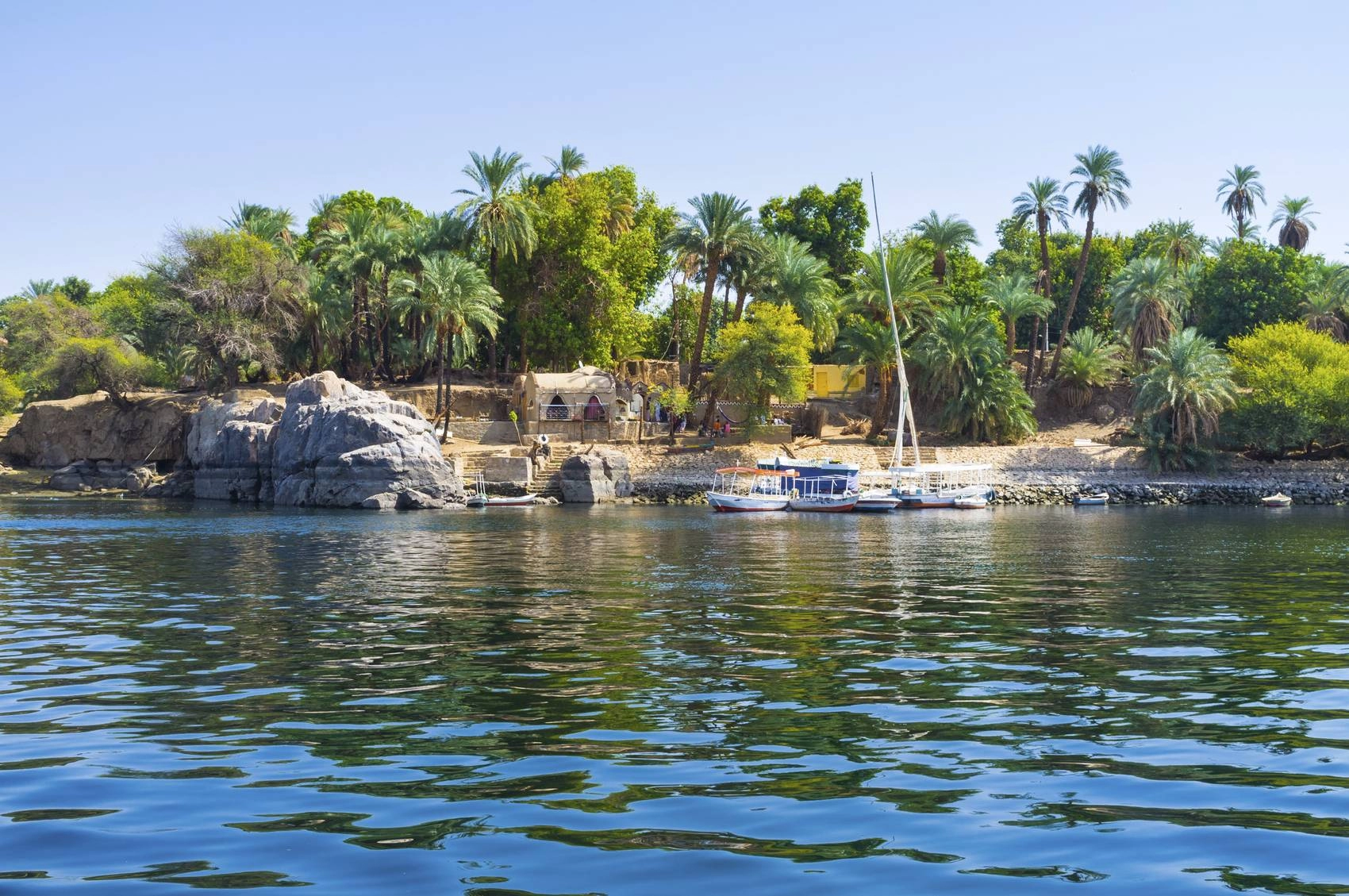
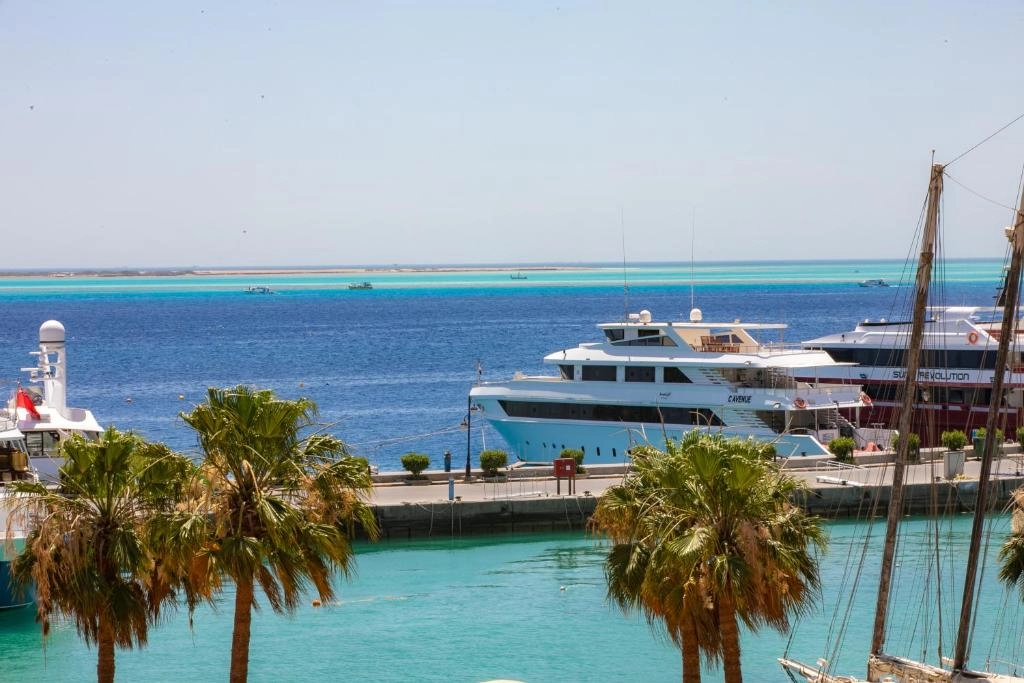
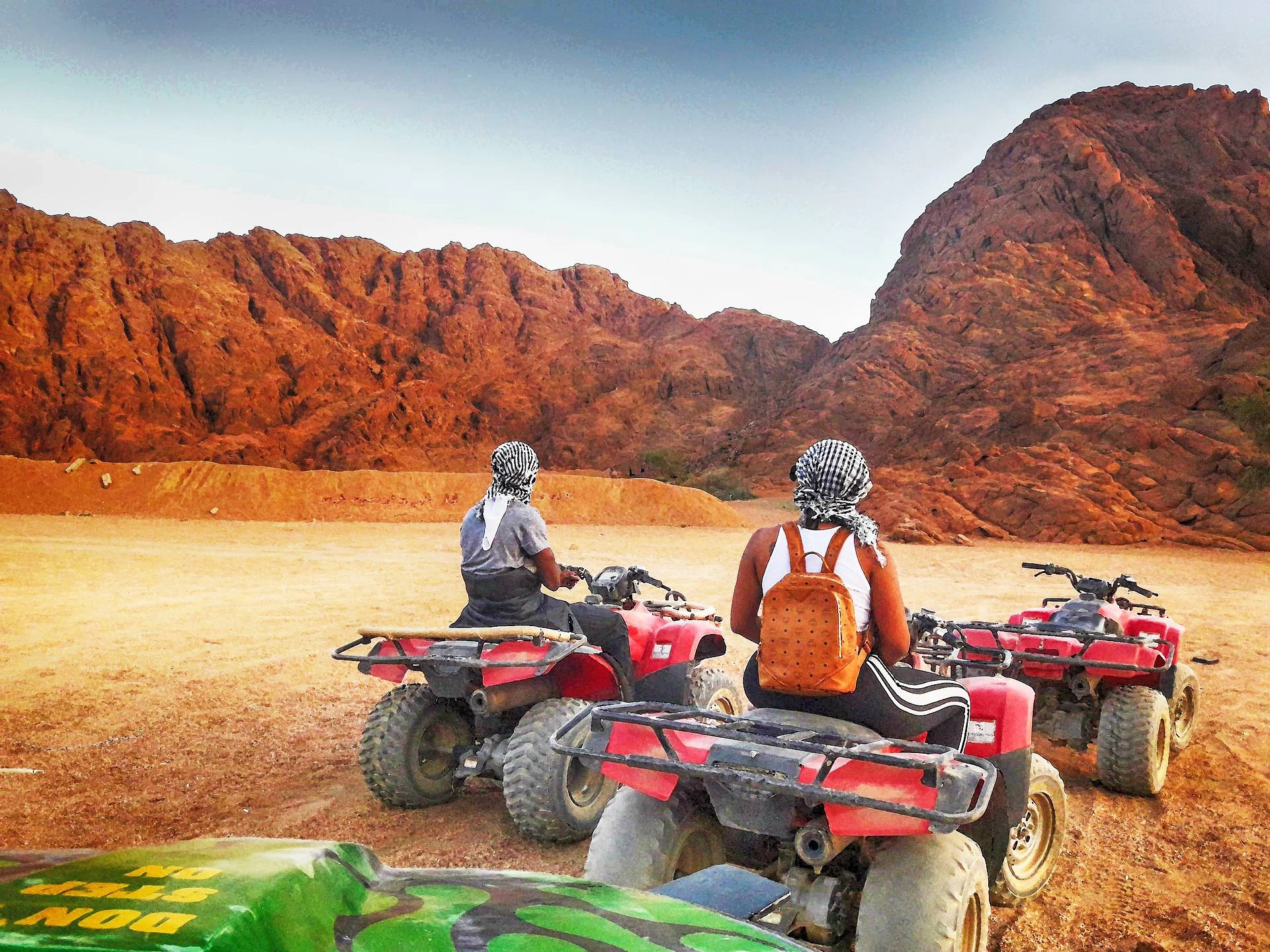


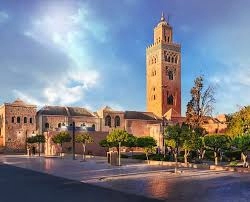
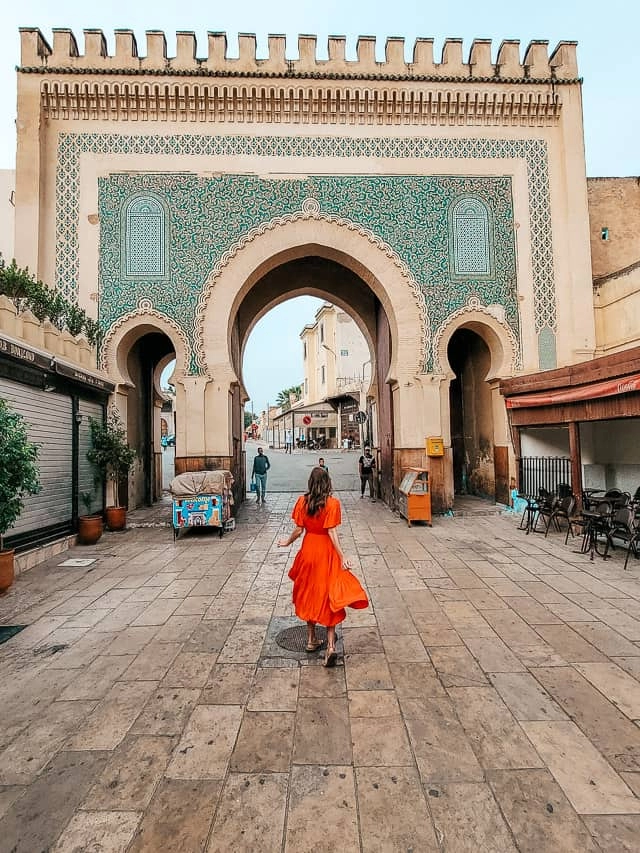
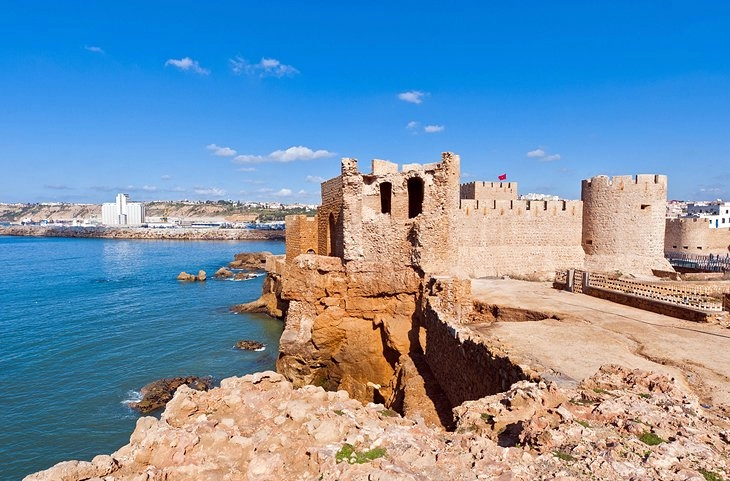
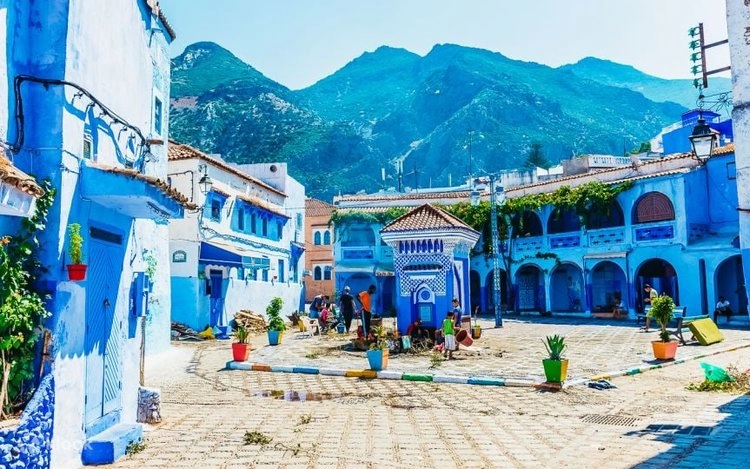
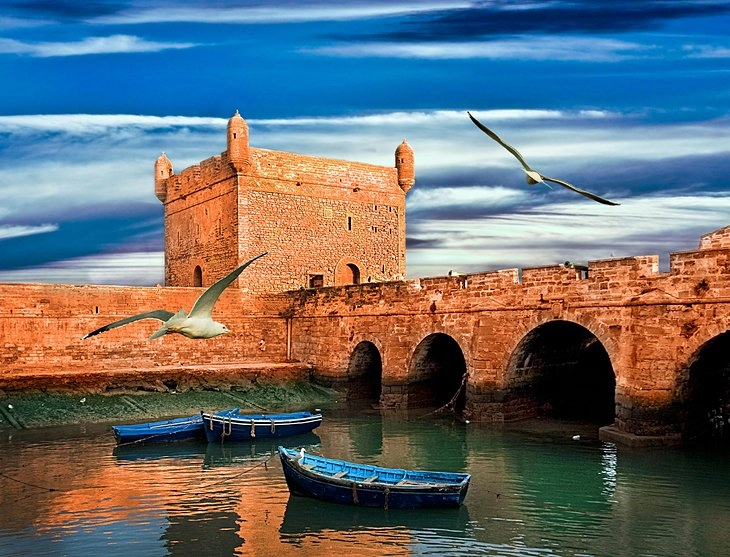
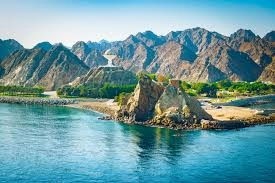
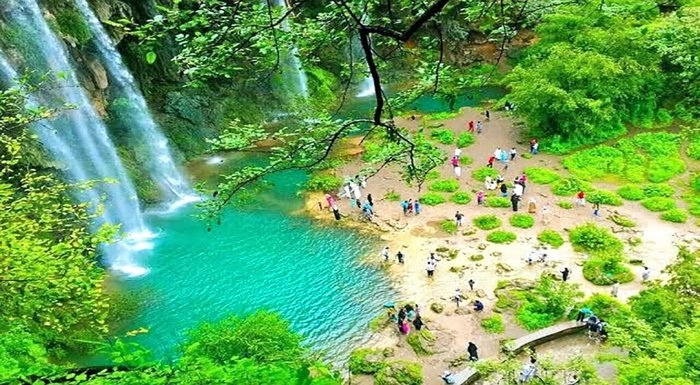
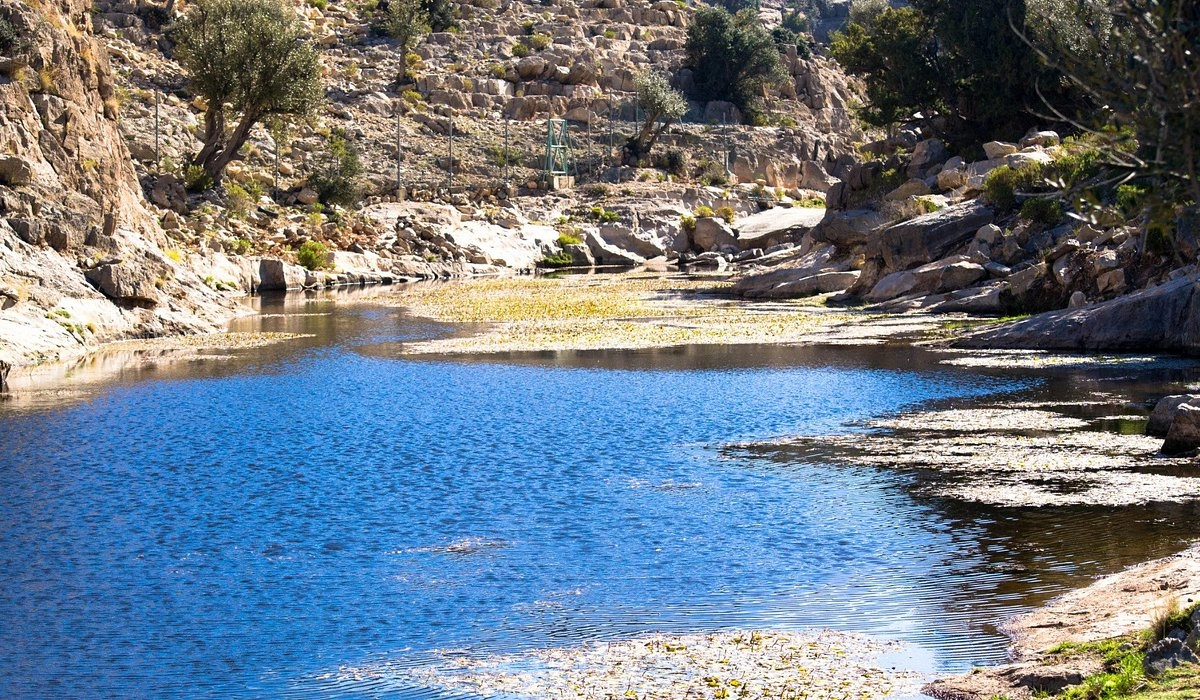






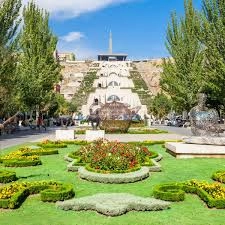
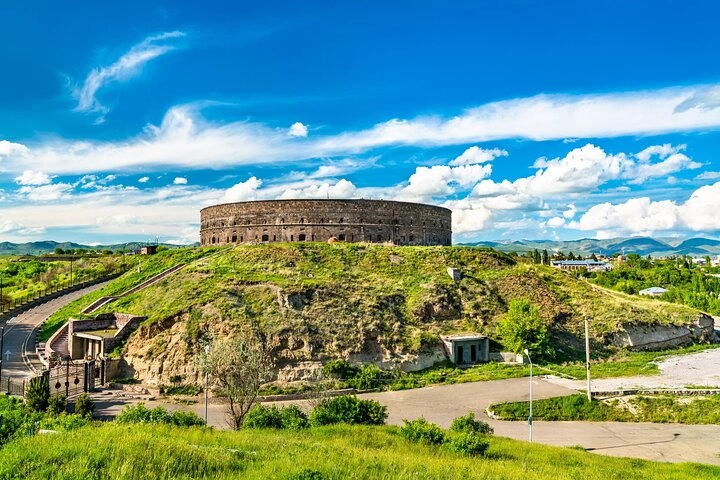
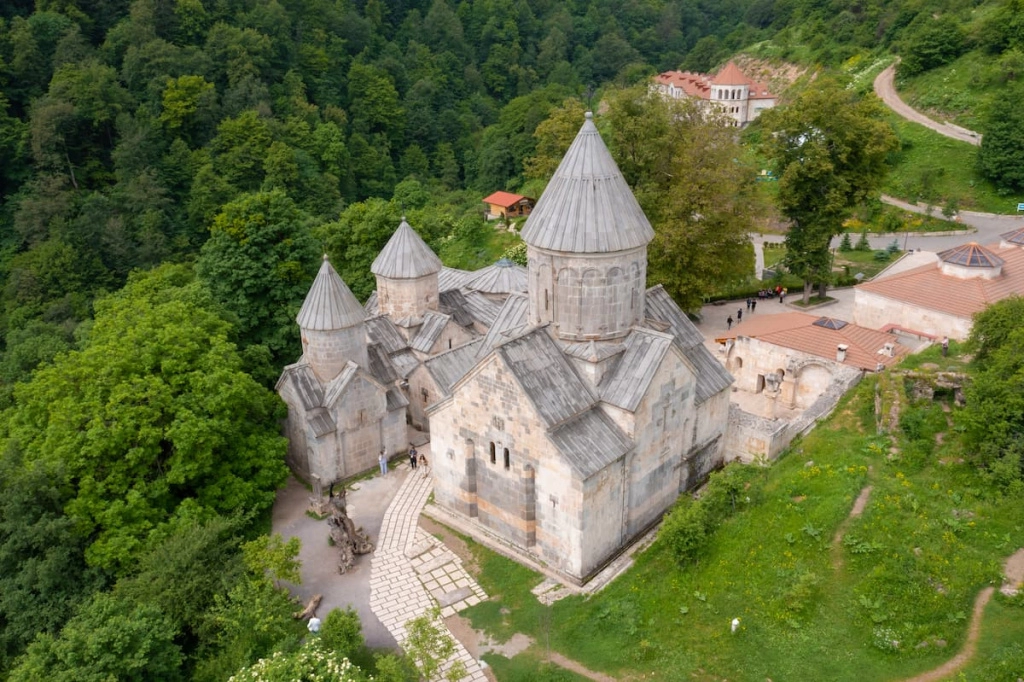
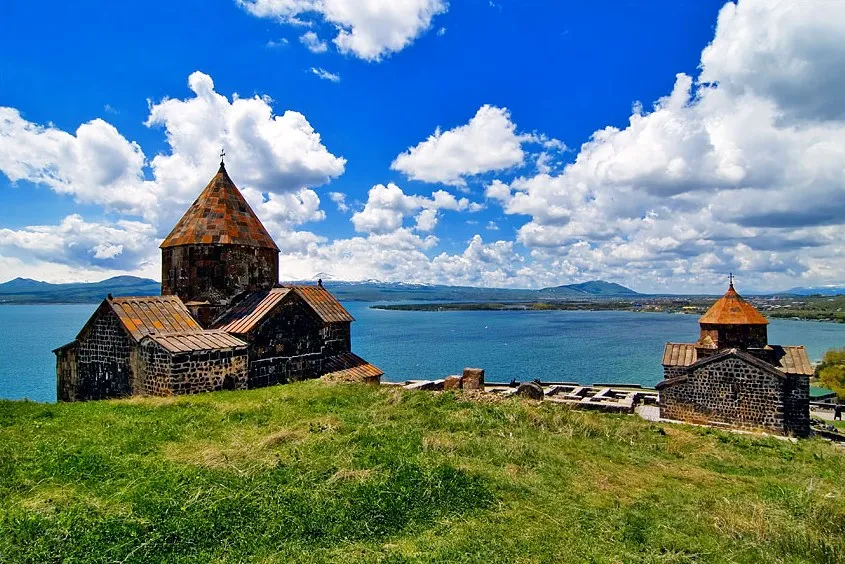
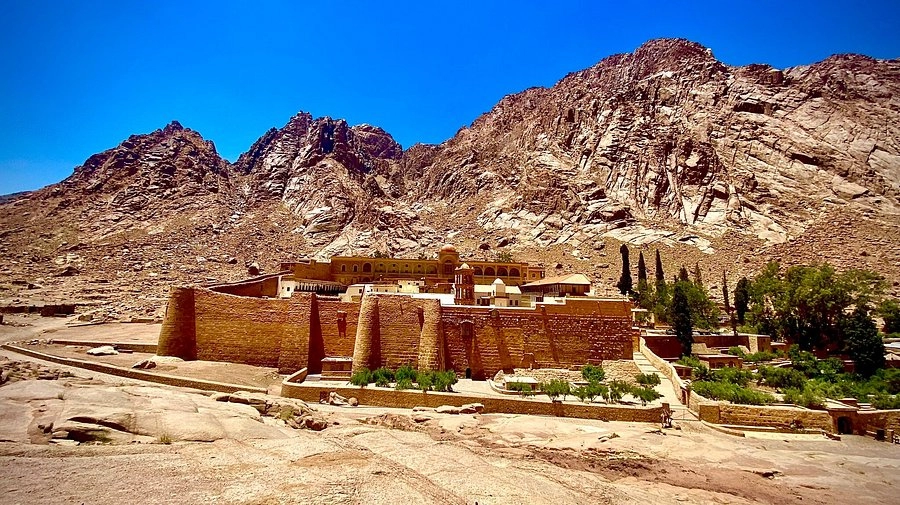
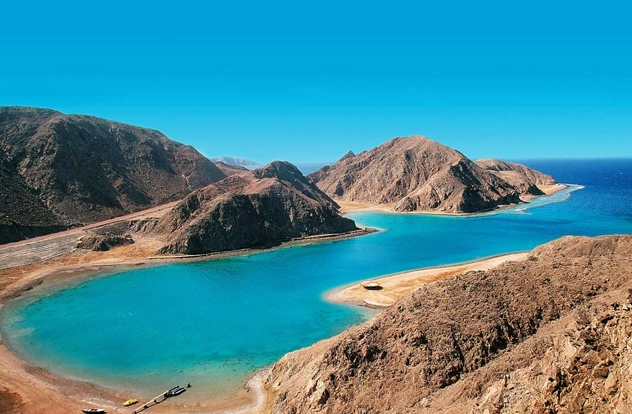
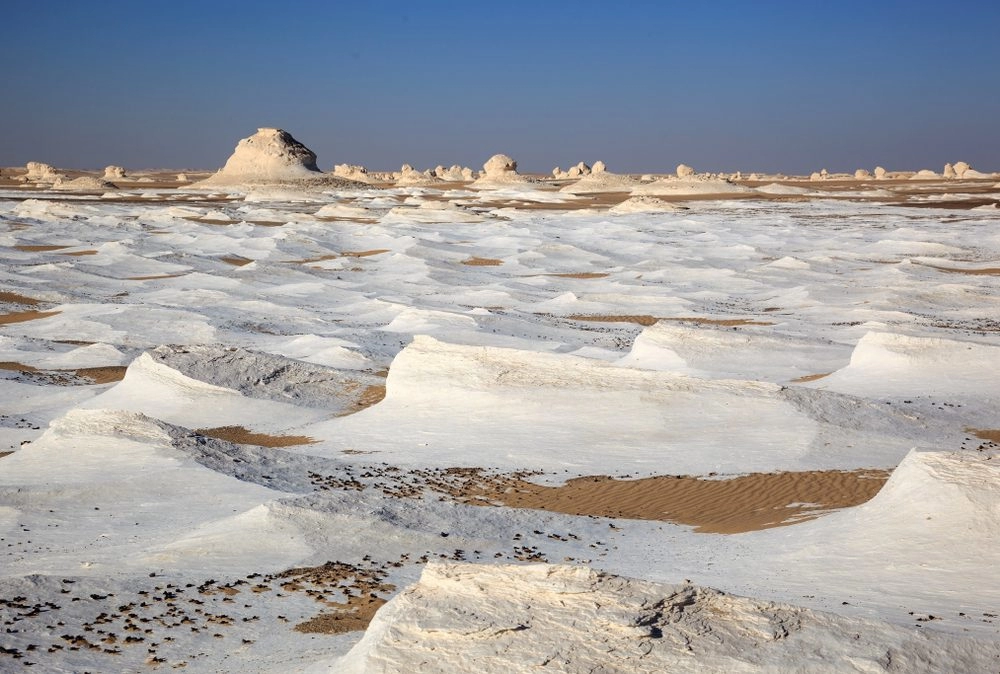
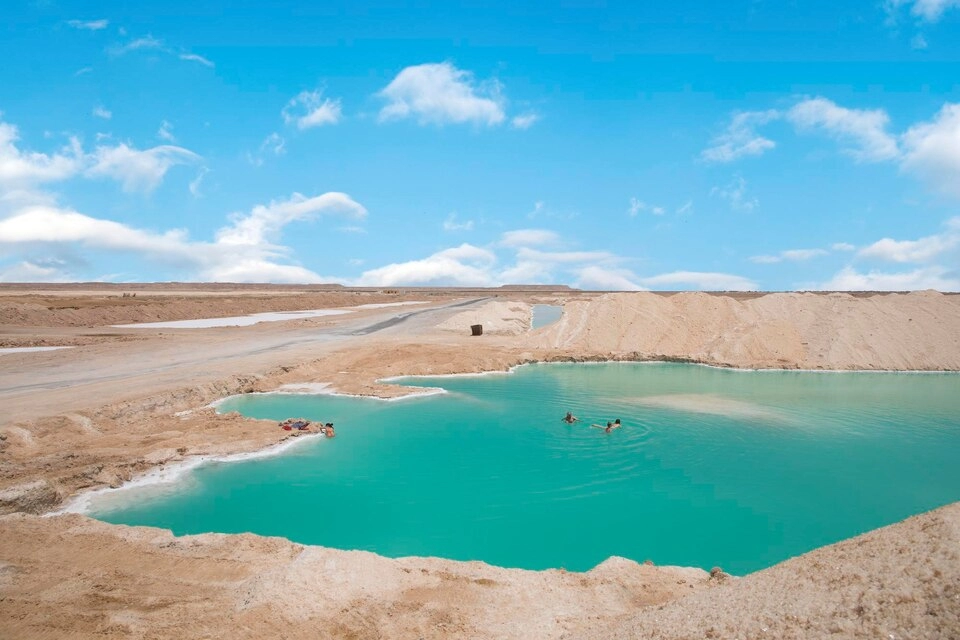
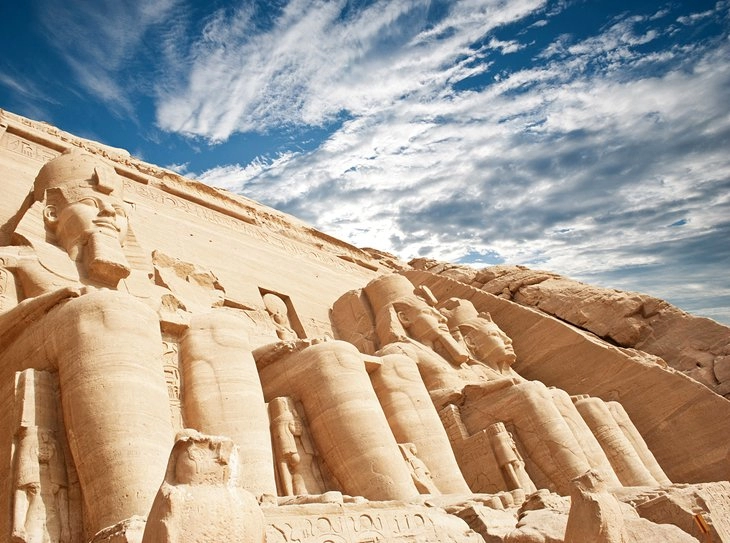

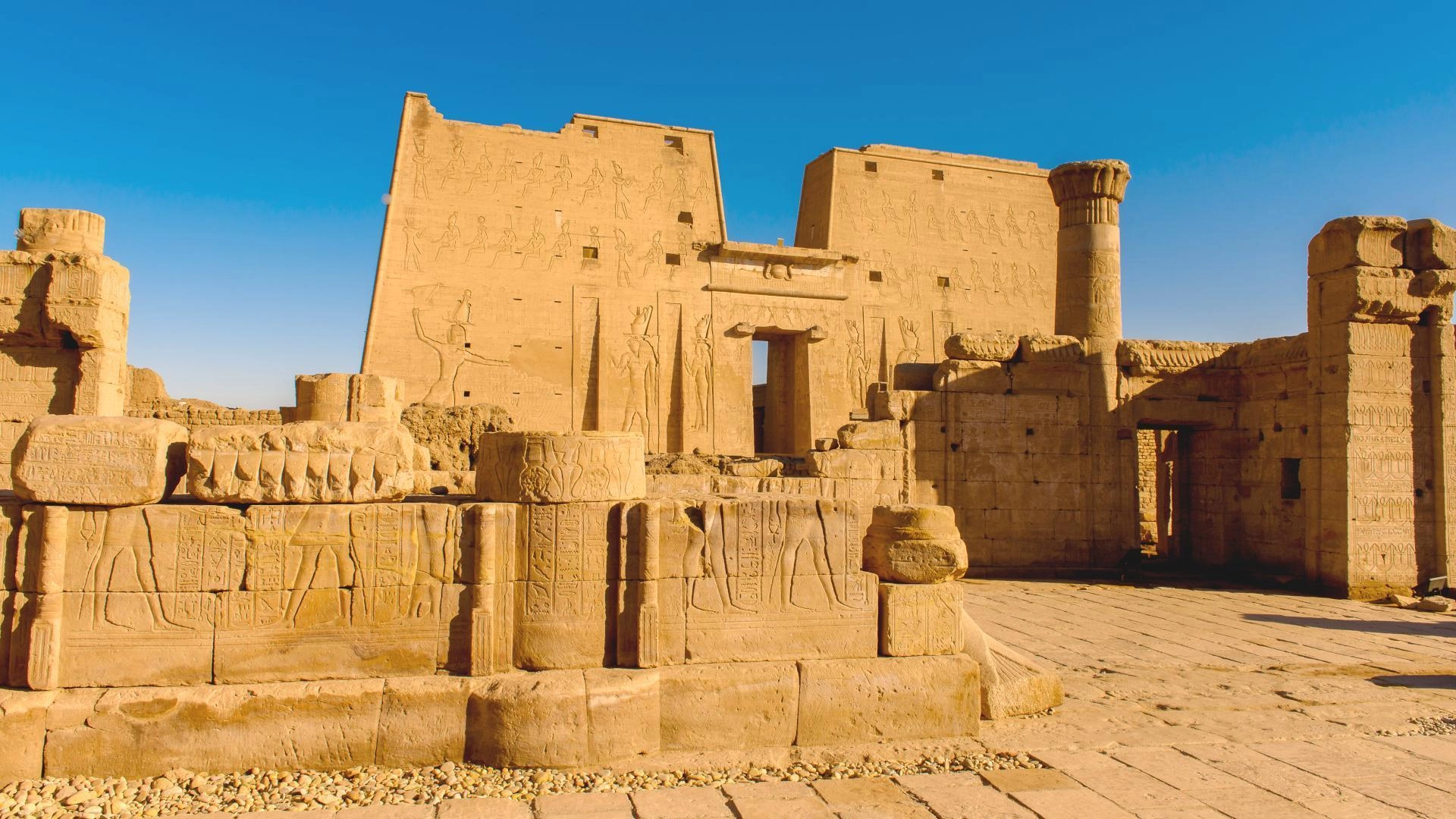
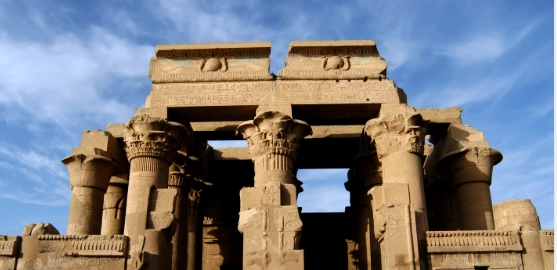
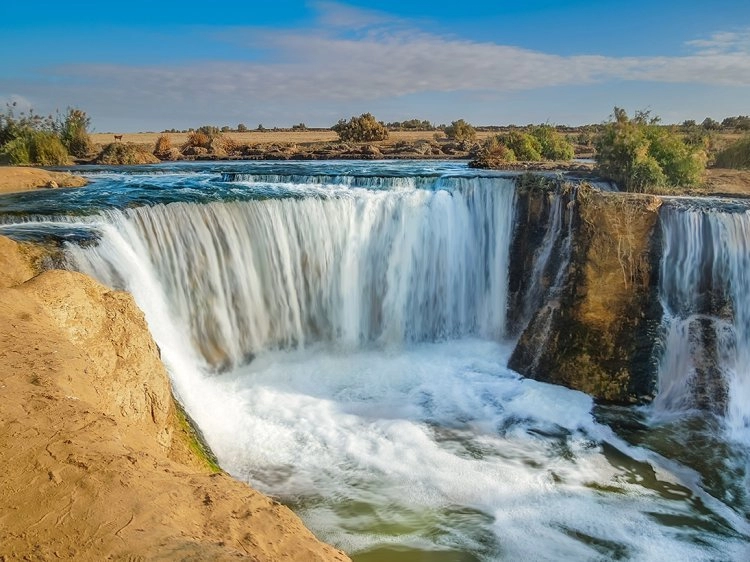
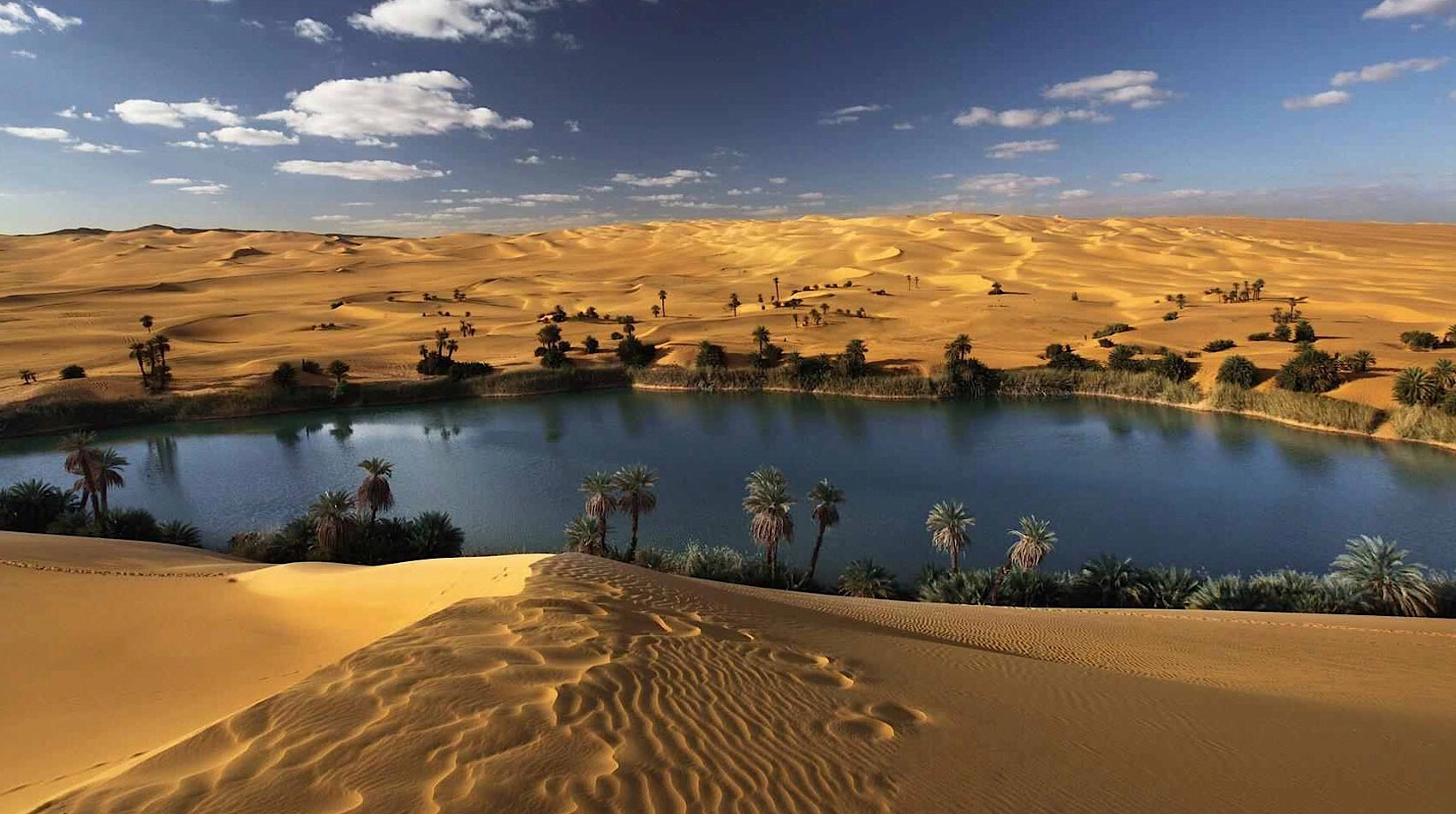
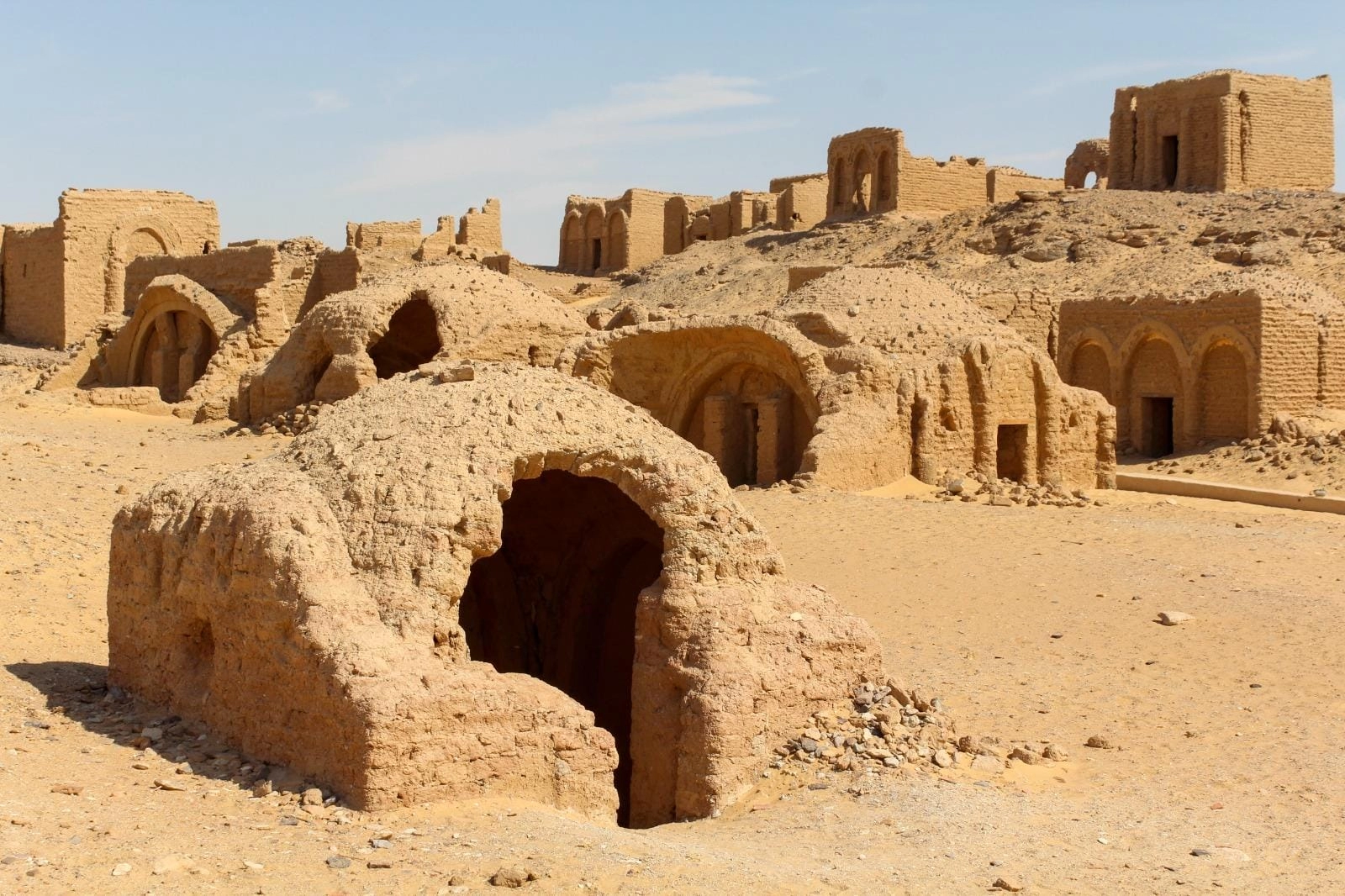
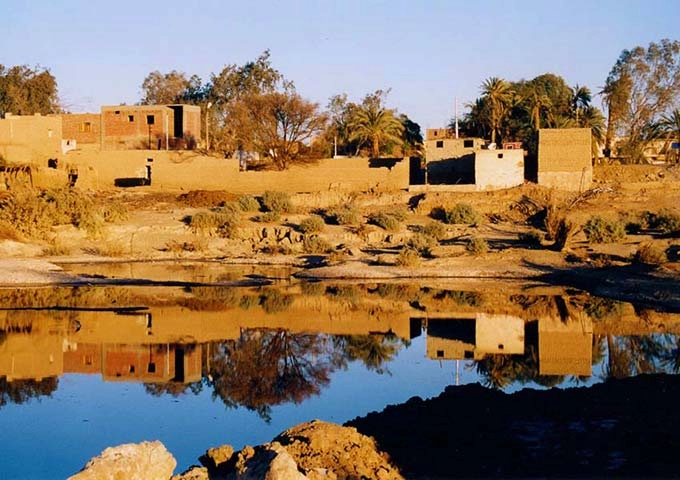
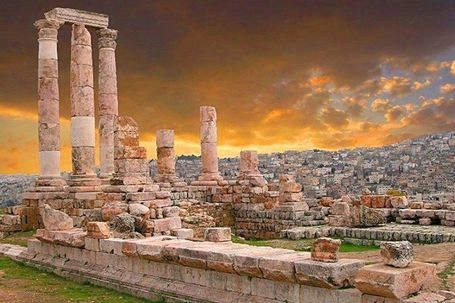
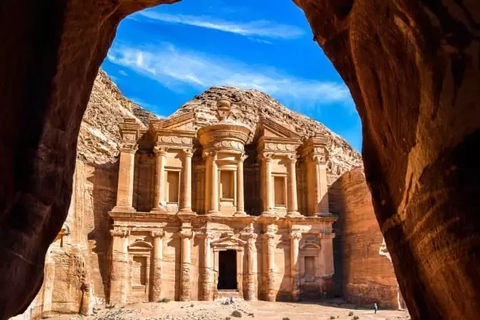
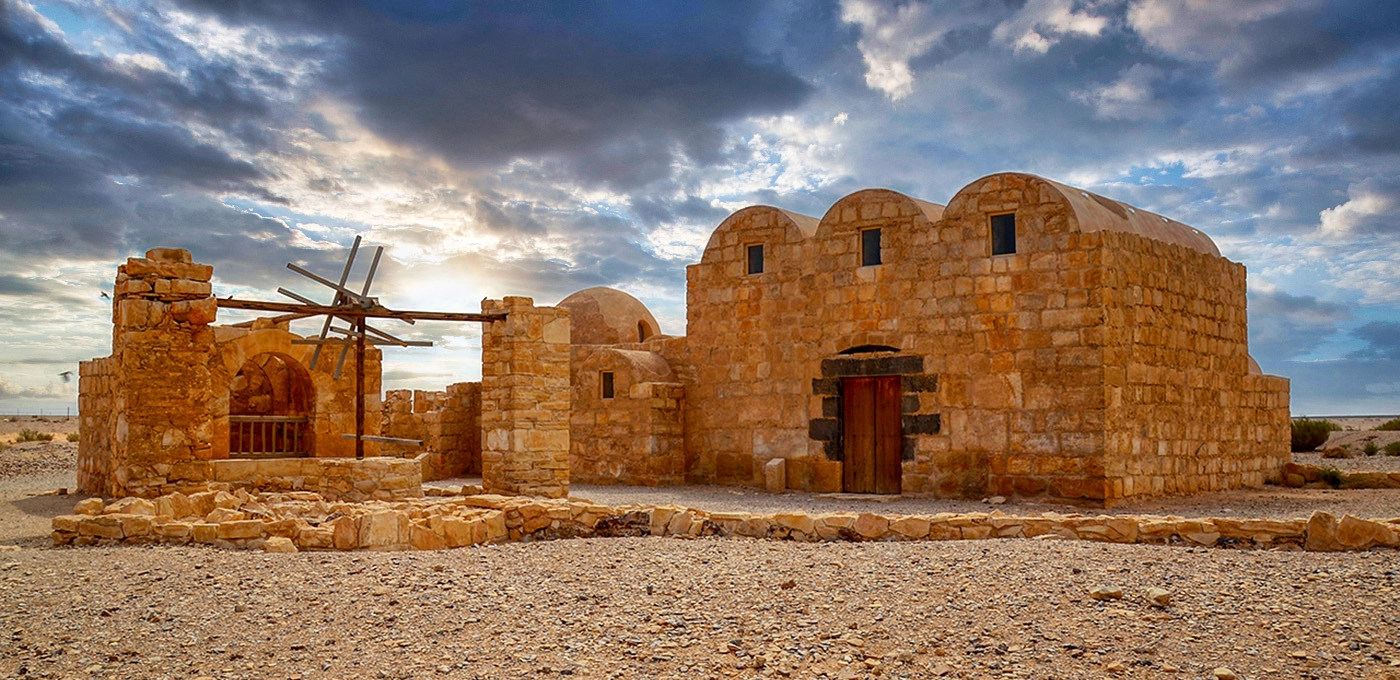
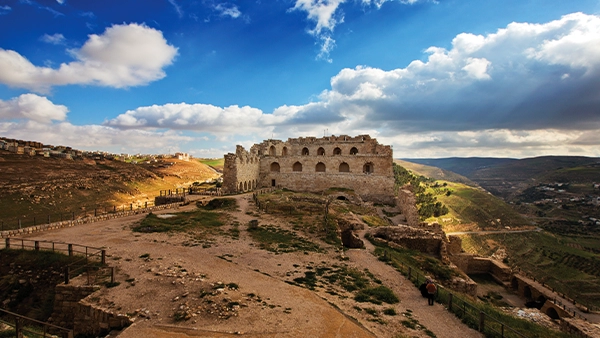
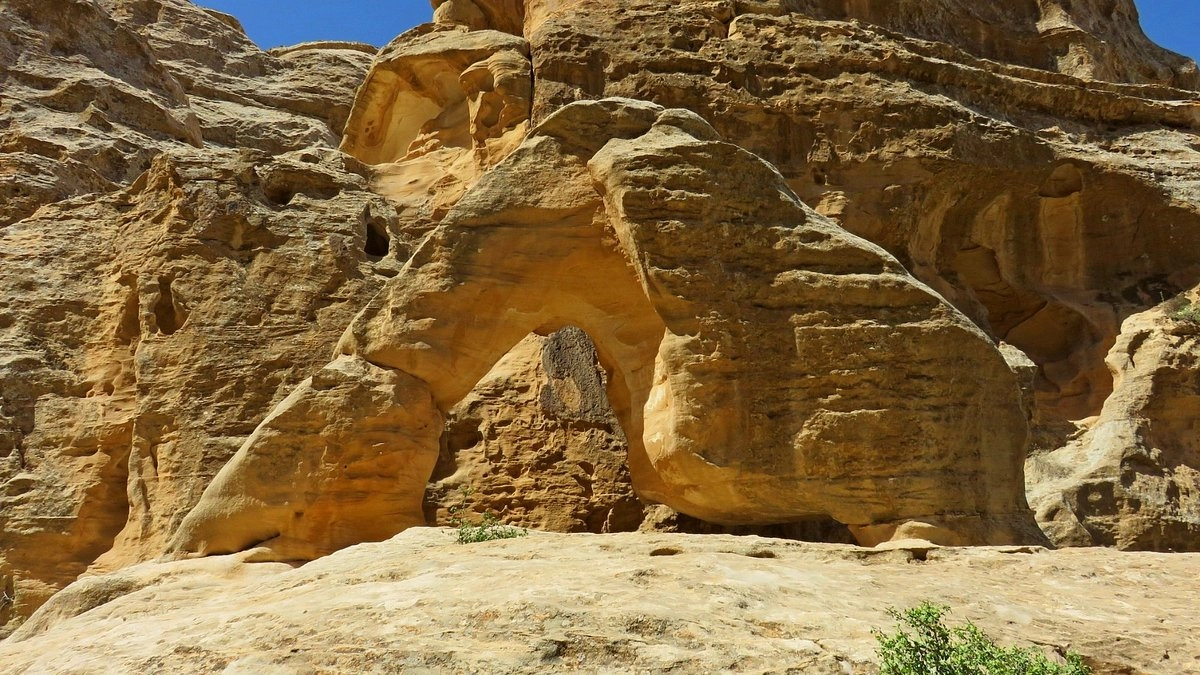
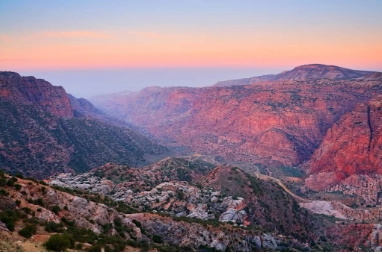
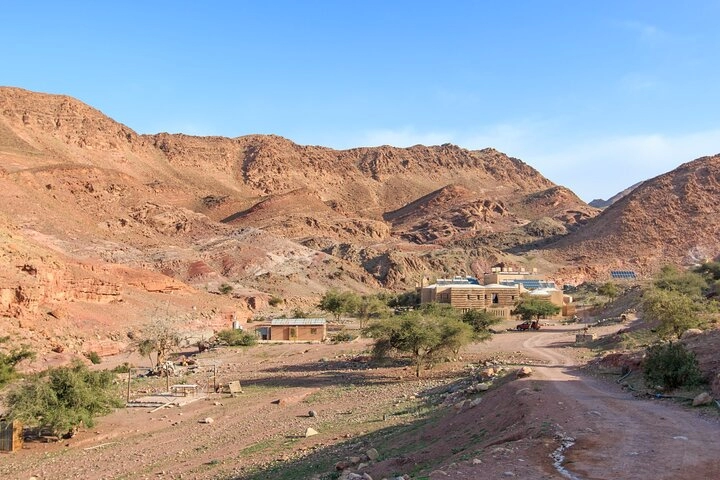
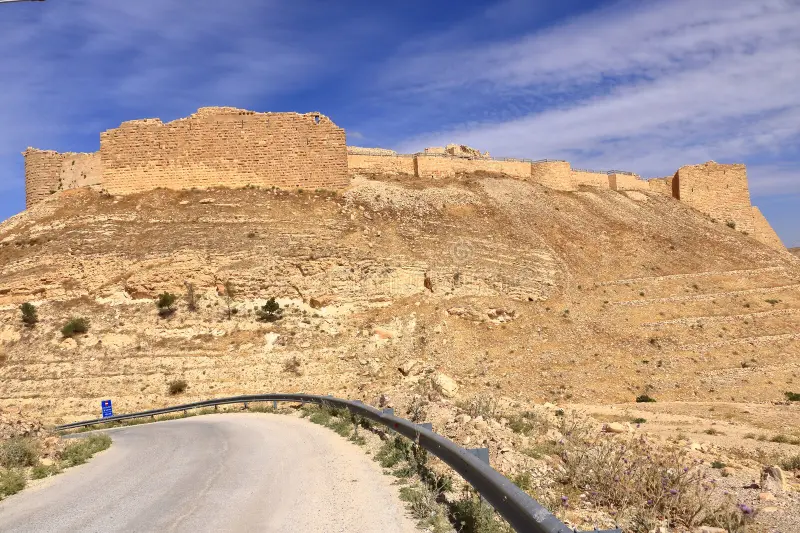
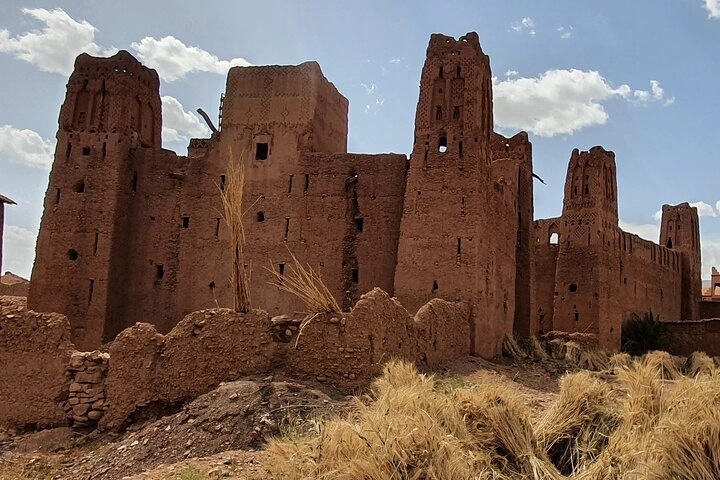
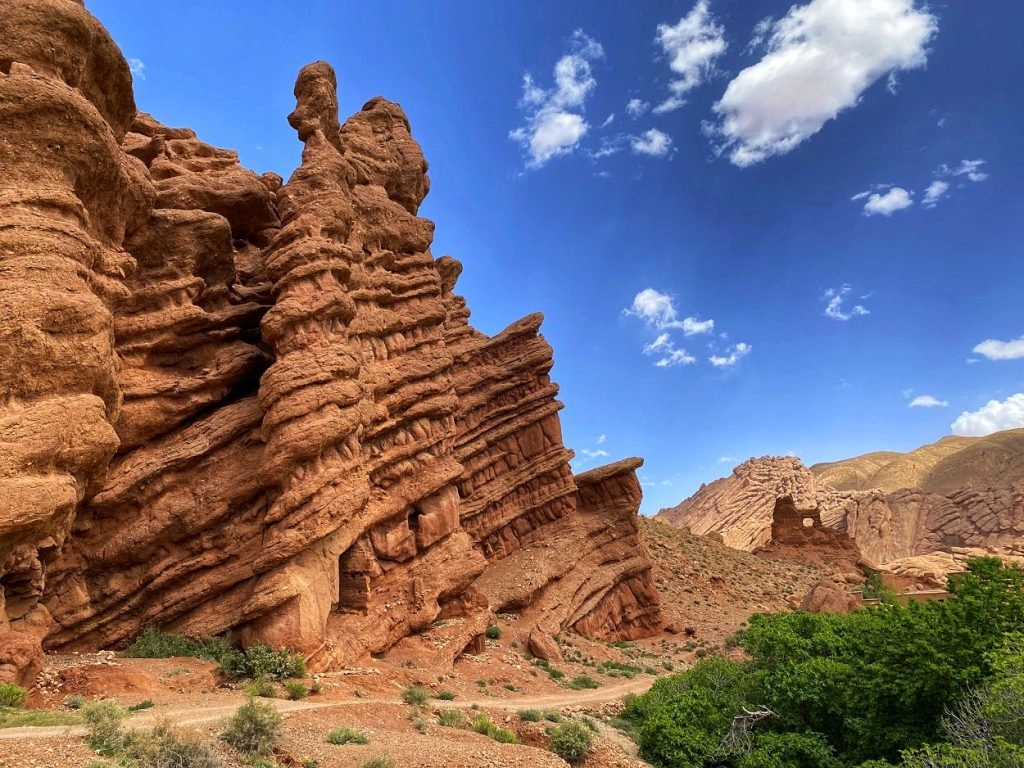
One of the highlights in terms of both scenery and culture, the Road of a Thousand Kasbahs is a route that takes you through the Dades Valley and the nearby southern regions of Morocco. The formerly most important trade route of the Sahara, which led north to the cities, is now marked with kasbahs, fortified villages, century-old landscapes, and lush river oases. The trip takes place against red cliffs, winding rivers, and spectacular mountains, offering a rare combination of historical, architectural, and natural beauty. Thus this is the most significant attraction for road travelers and culture vultures alike.
Historical Significance
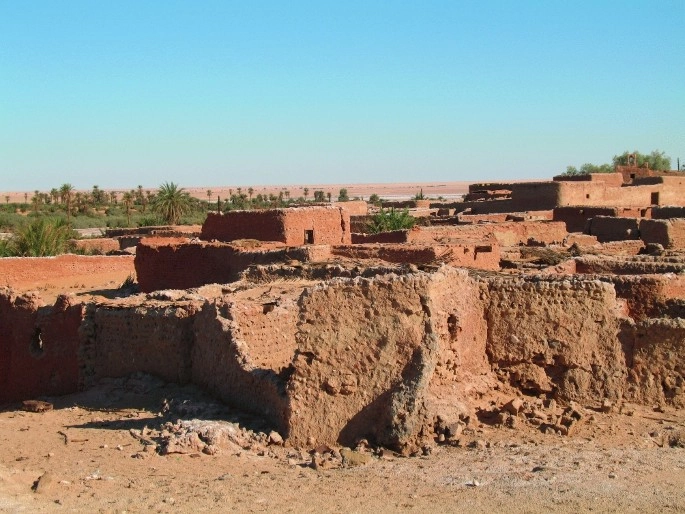
The old trans-Saharan trade route Kasbahs constructed for the safety of traveling merchants and the storage of goods Influences of the local tribes and rulers in their political affairs
Kasbah Architecture
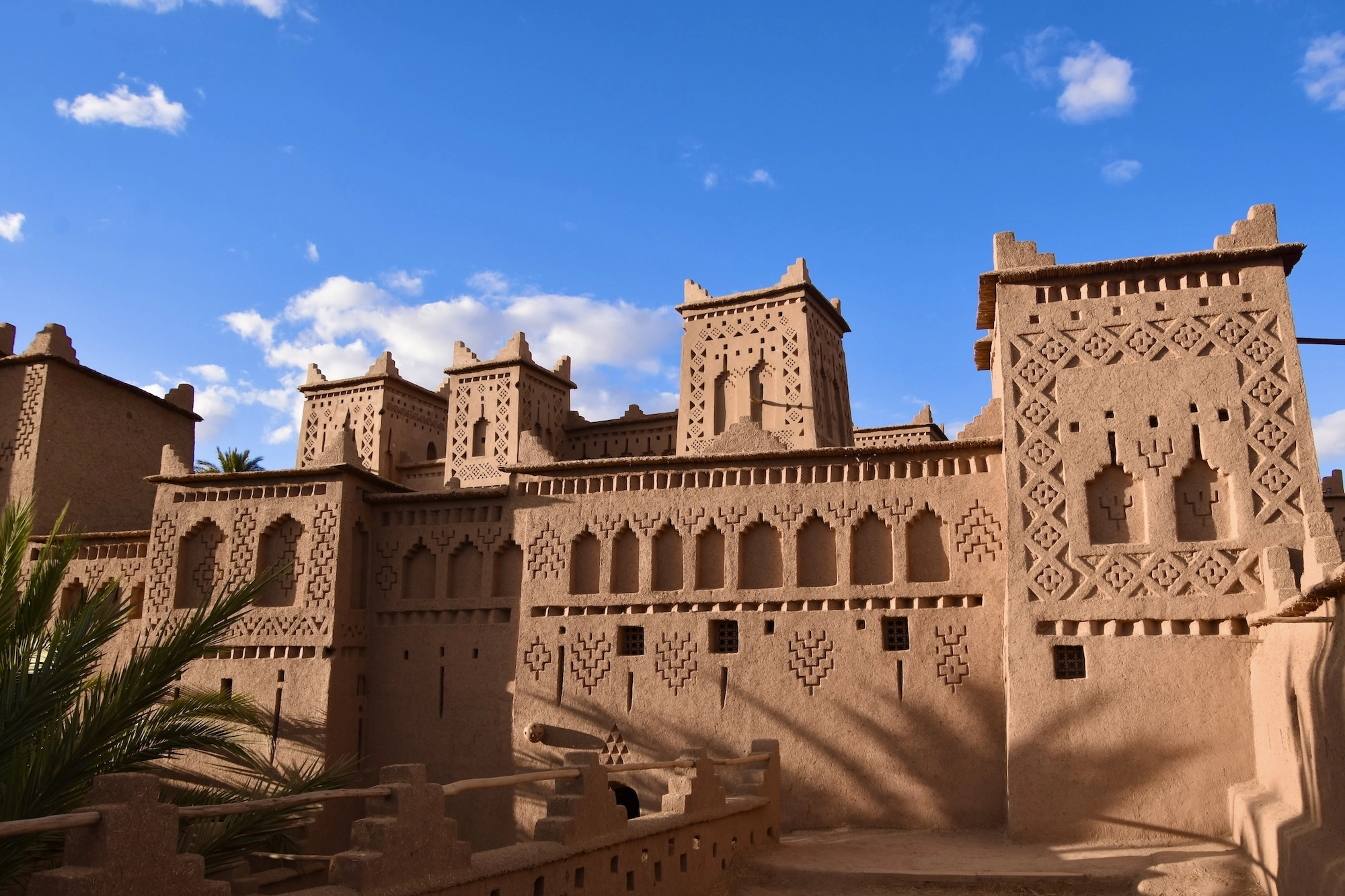
Use of earth materials like mud brick and clay in construction Creation of defensive towers and fortified walls Stylish expression of the Berber's and Saharan's design culture
Highlights Along the Route
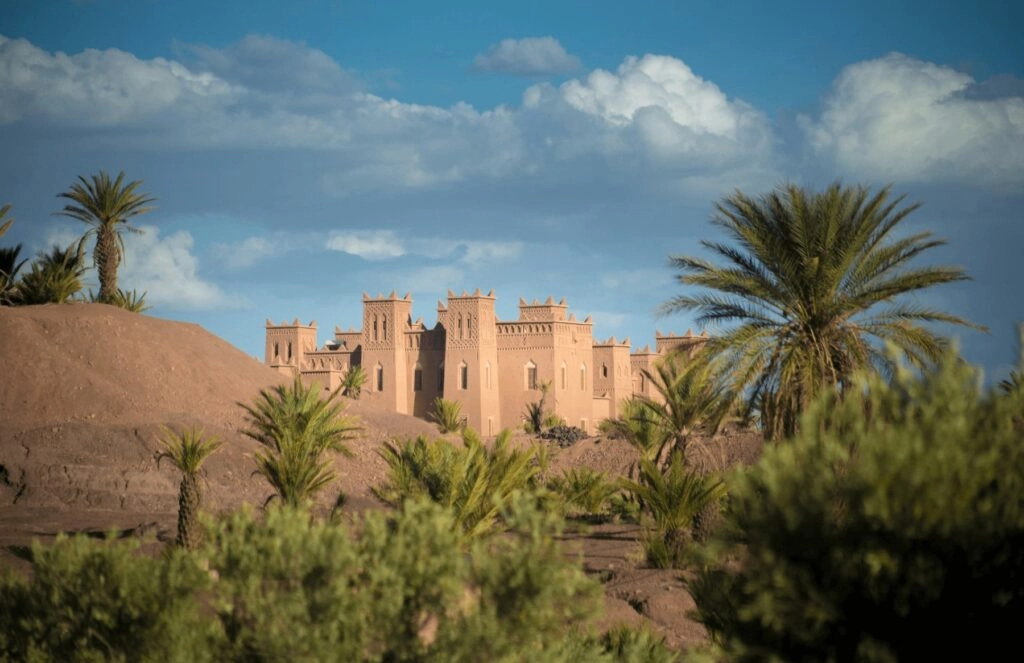
Some traditional kasbahs and ksour (fortified villages) still exist Palm oases and river valleys along the route Berber villages along with their local souks or markets
Exploring Dades Valley
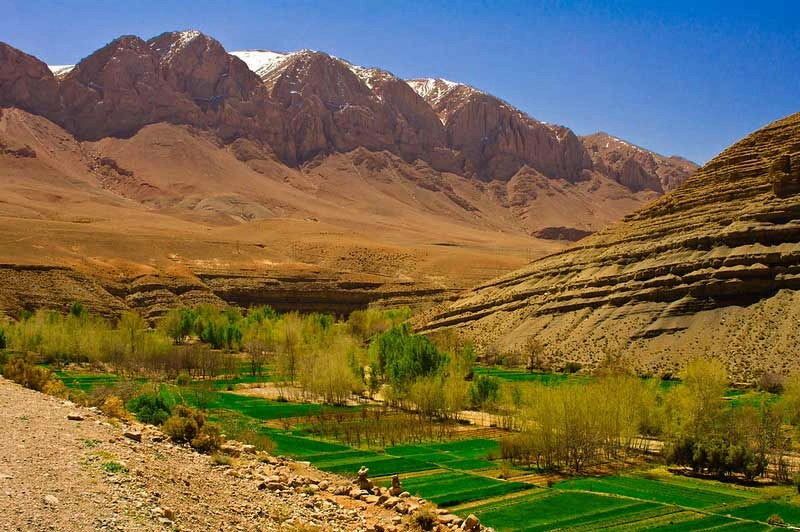
Rides through the canyons and their beautiful landscapes Viewpoints and riverbanks are among the stops Hiking and taking pictures are among the chances given
Nature & Landscapes
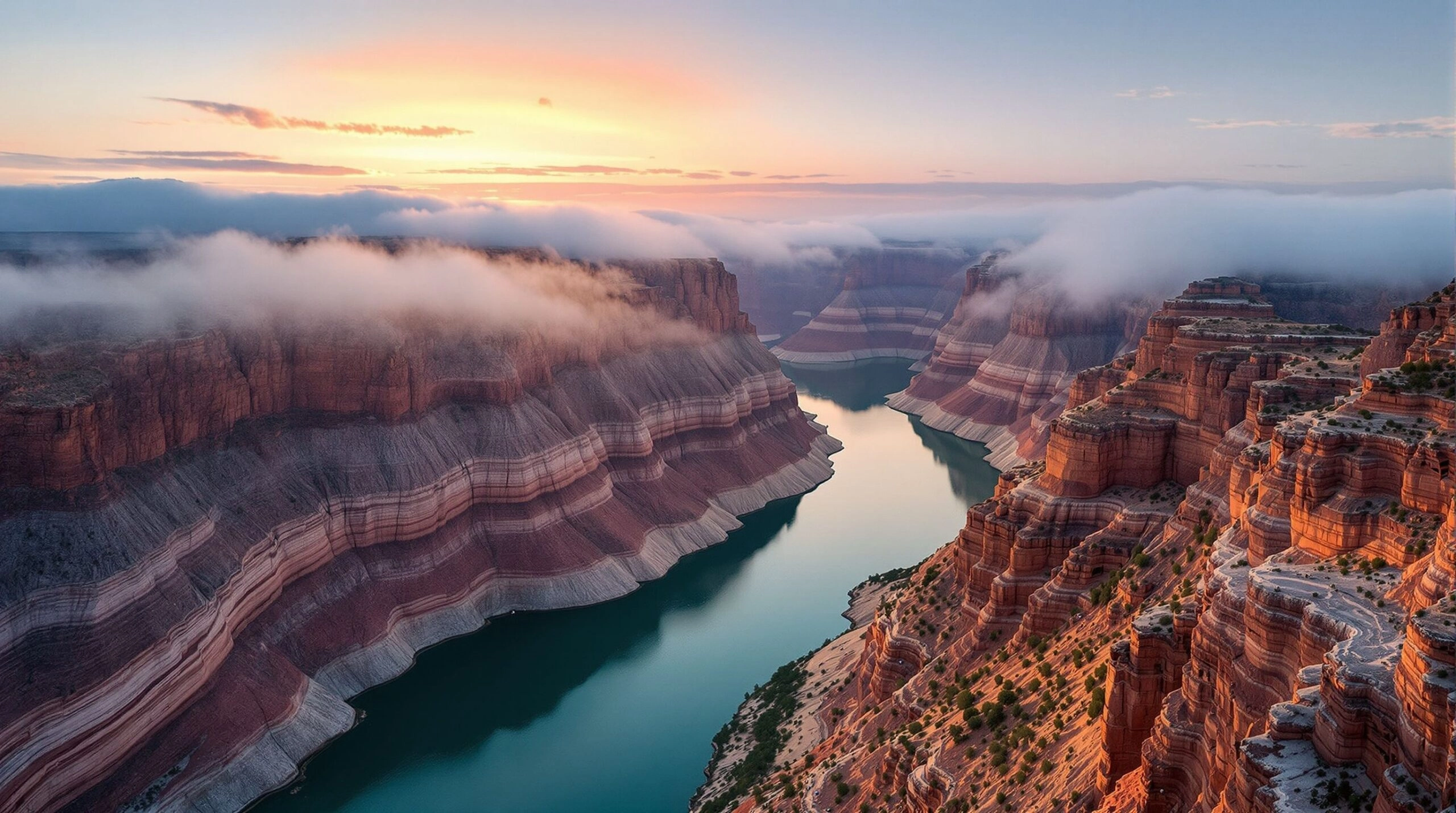
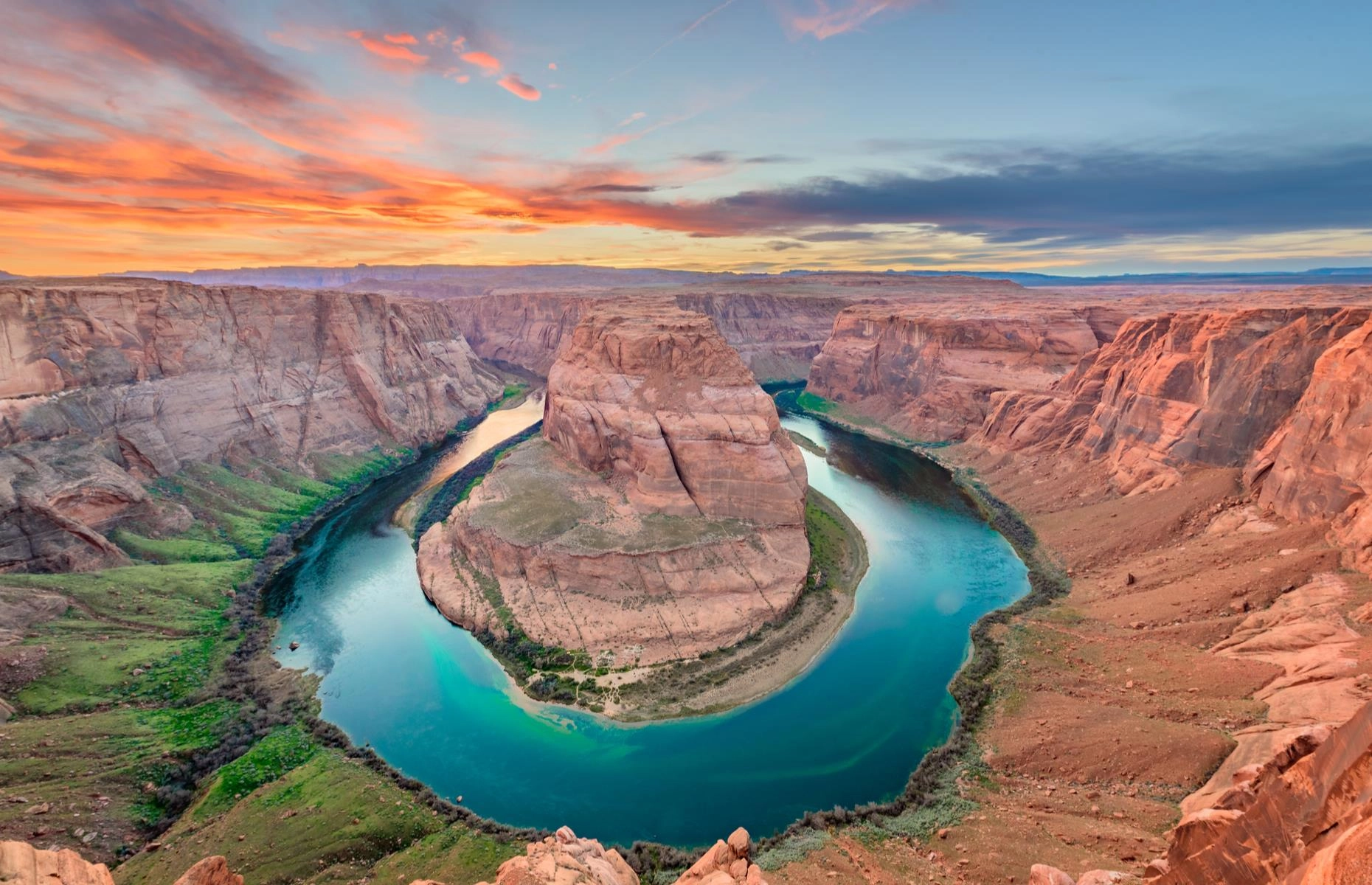
Canyons and plateaus made of red rocks Seasonal rivers create valleys that are fertile The desert area and green oases have a contrast in terms of their characteristics
Best Time to Visit
Spring (March–May): valleys filled with flowers and mild weatherAutumn (September–November): temperatures that are nice and skies that are clear
Travel Tips
Make way for stopovers and discoveryBe cautious while driving on the road that goes through the mountains and desertsWater and protection from the sun are essential to carryVisit the Todra Gorge and the Skoura Oasis as well