 Places to see
 Top Destinations
  Things to do









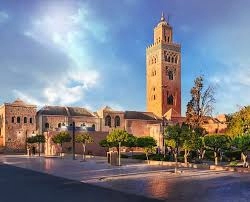
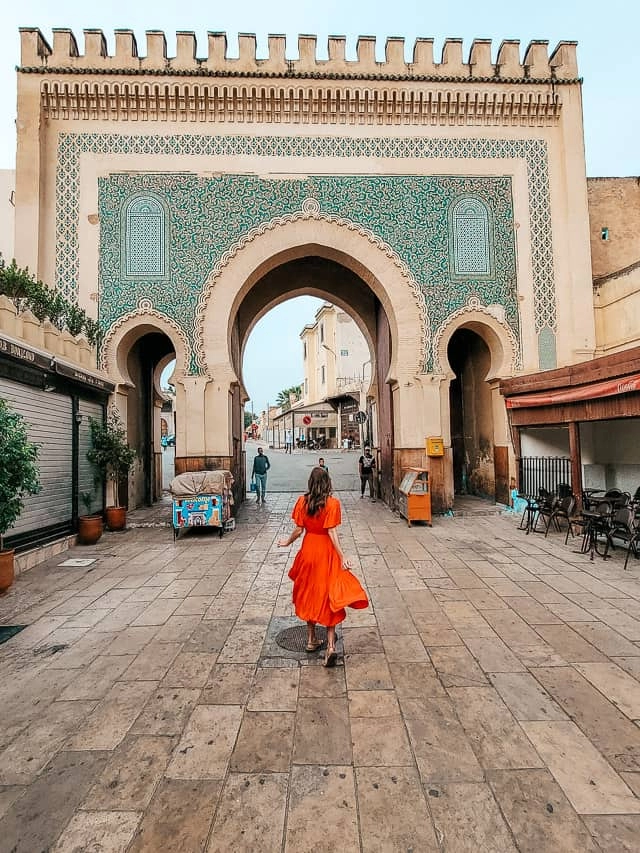
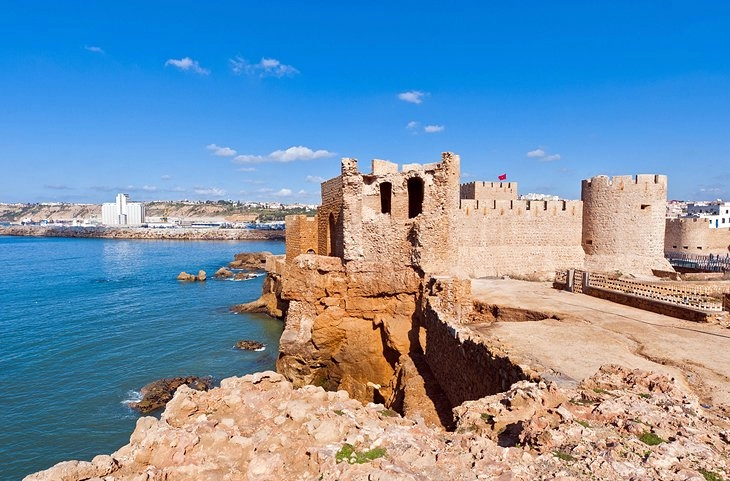
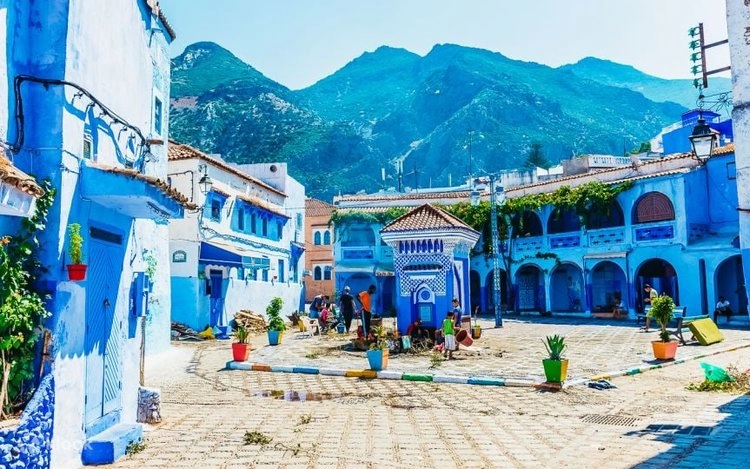
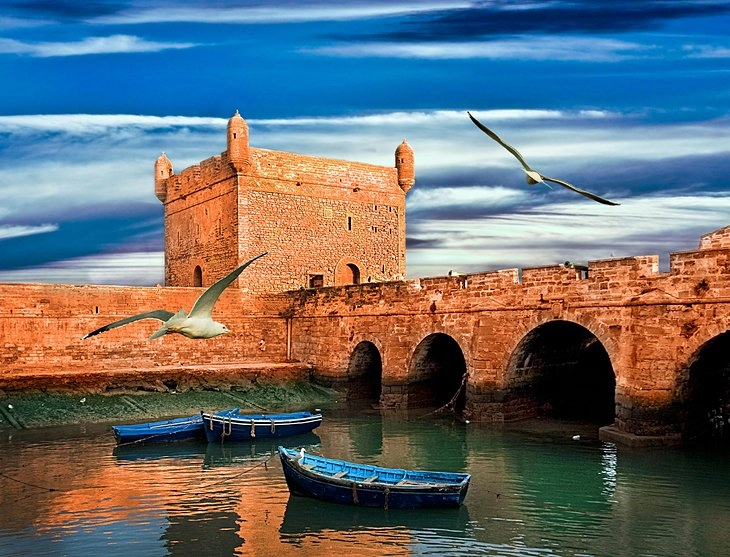
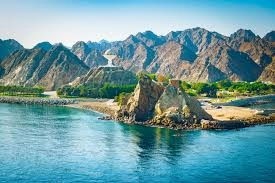
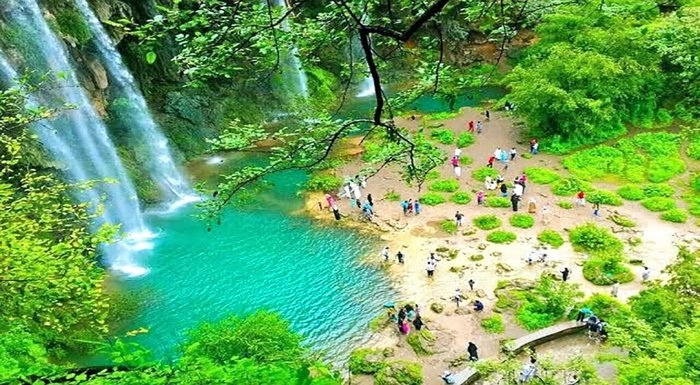
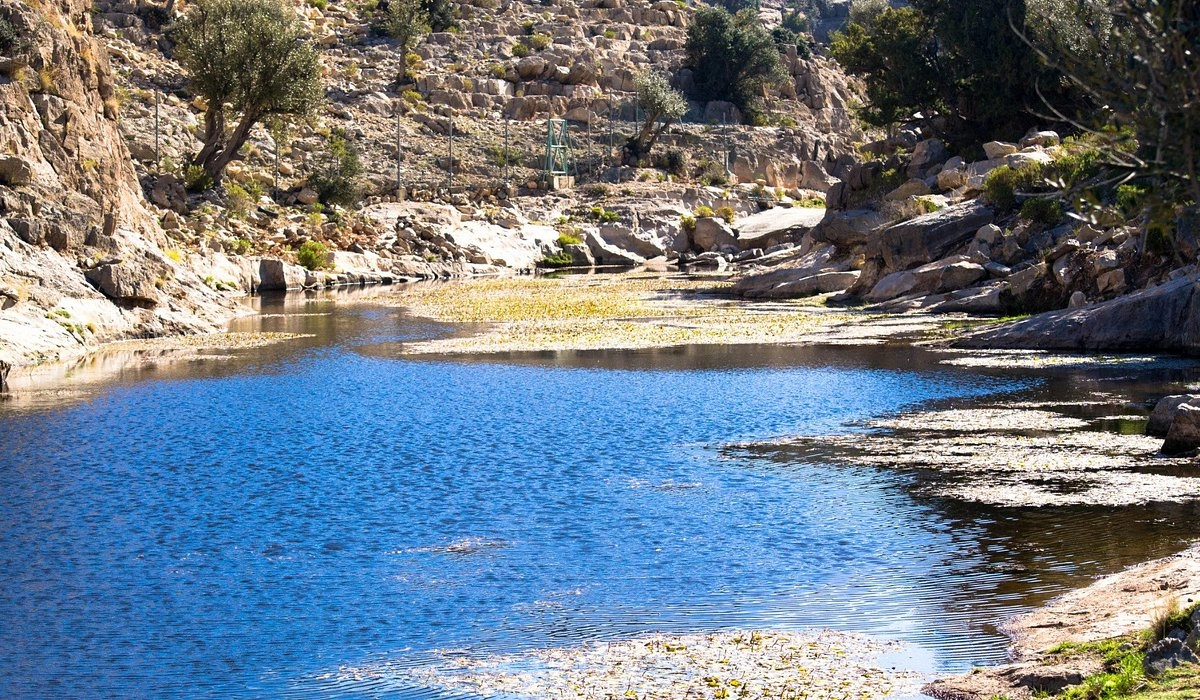
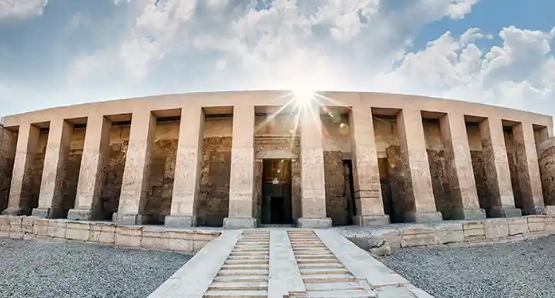
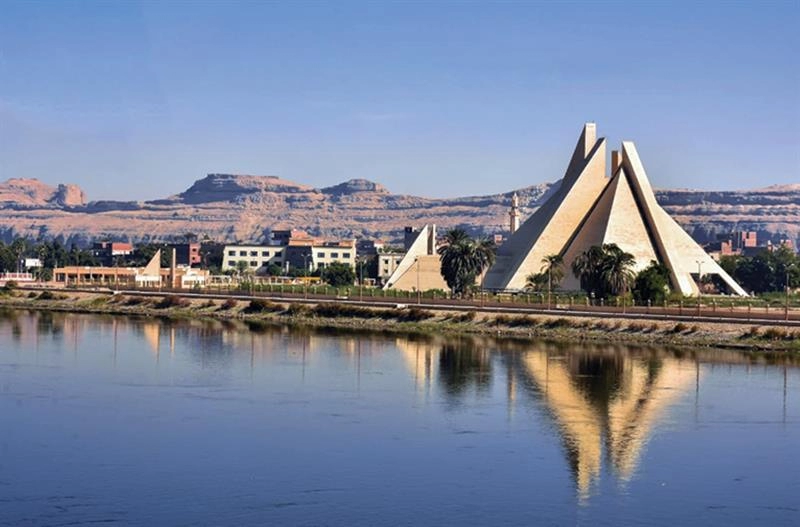
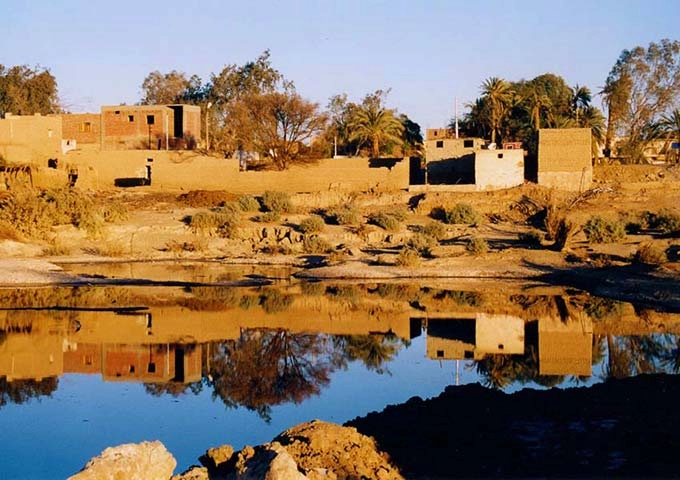
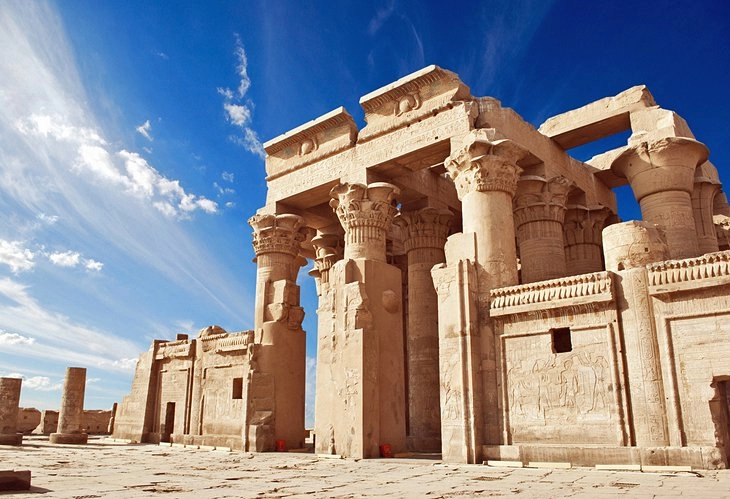
Draa Valley
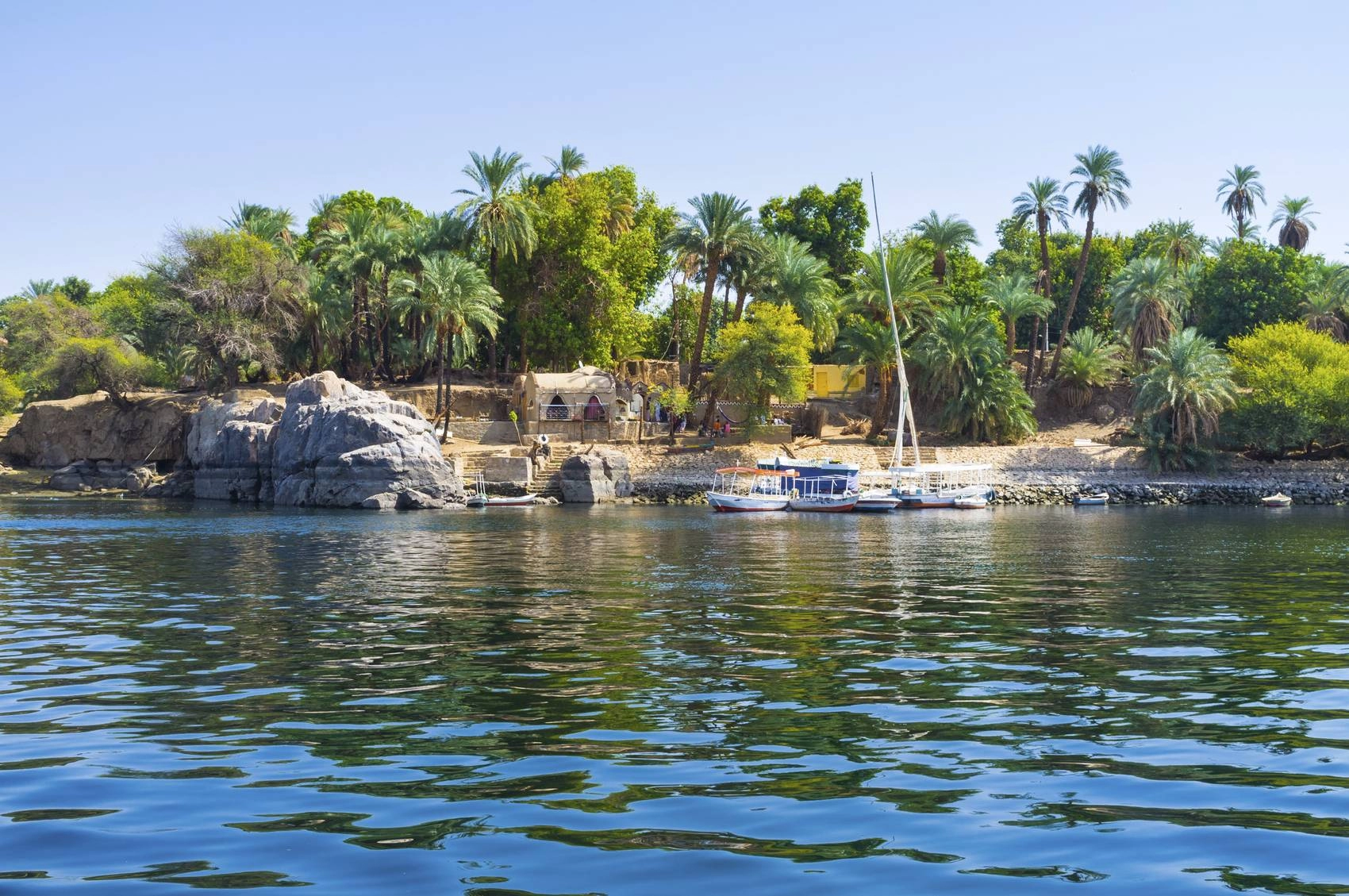
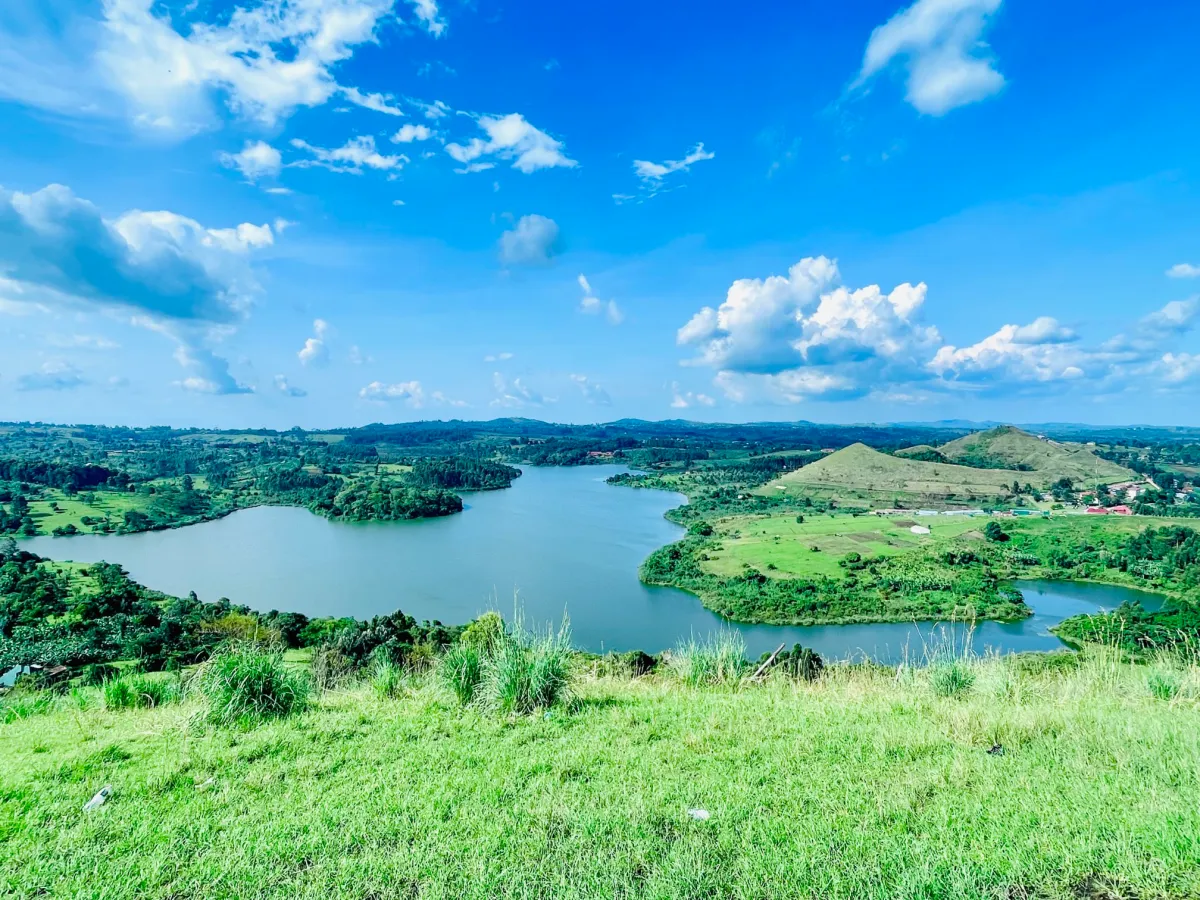
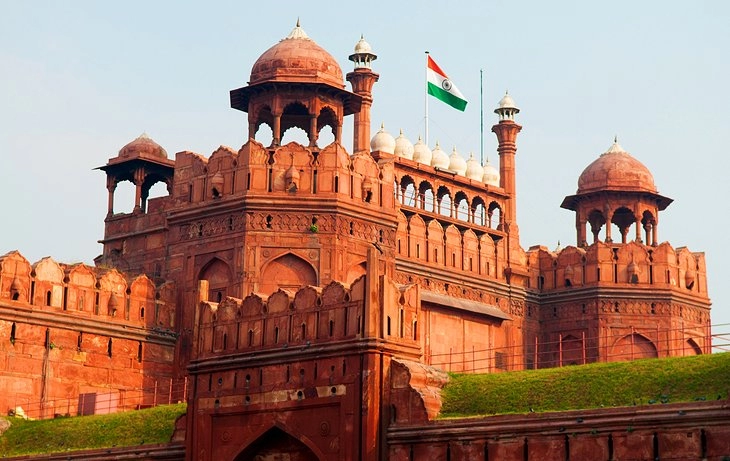
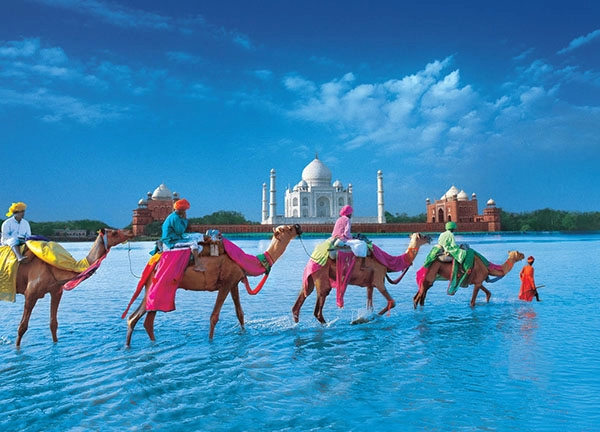
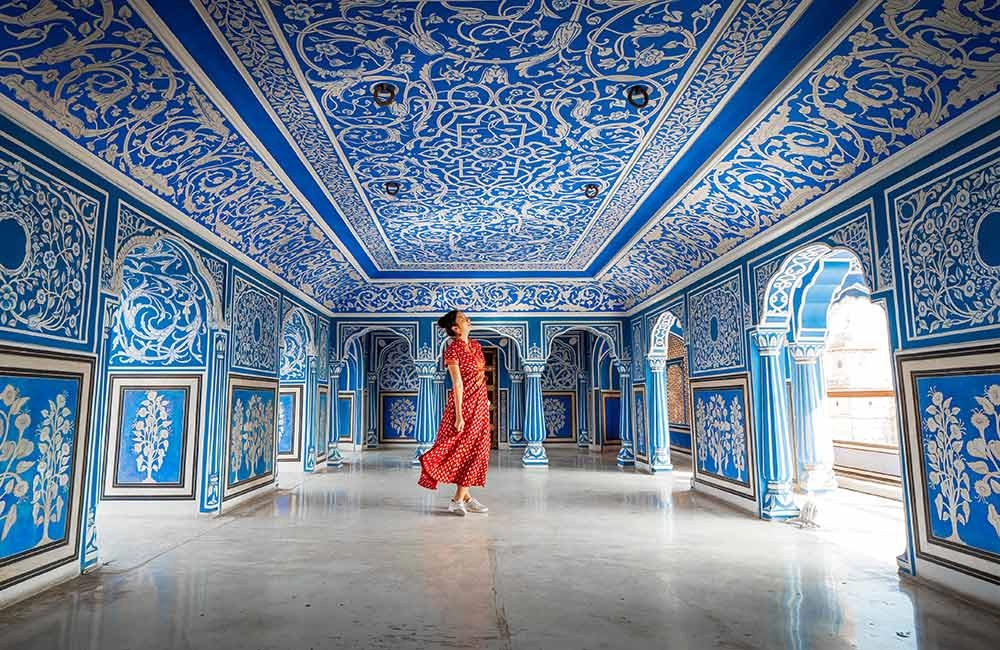
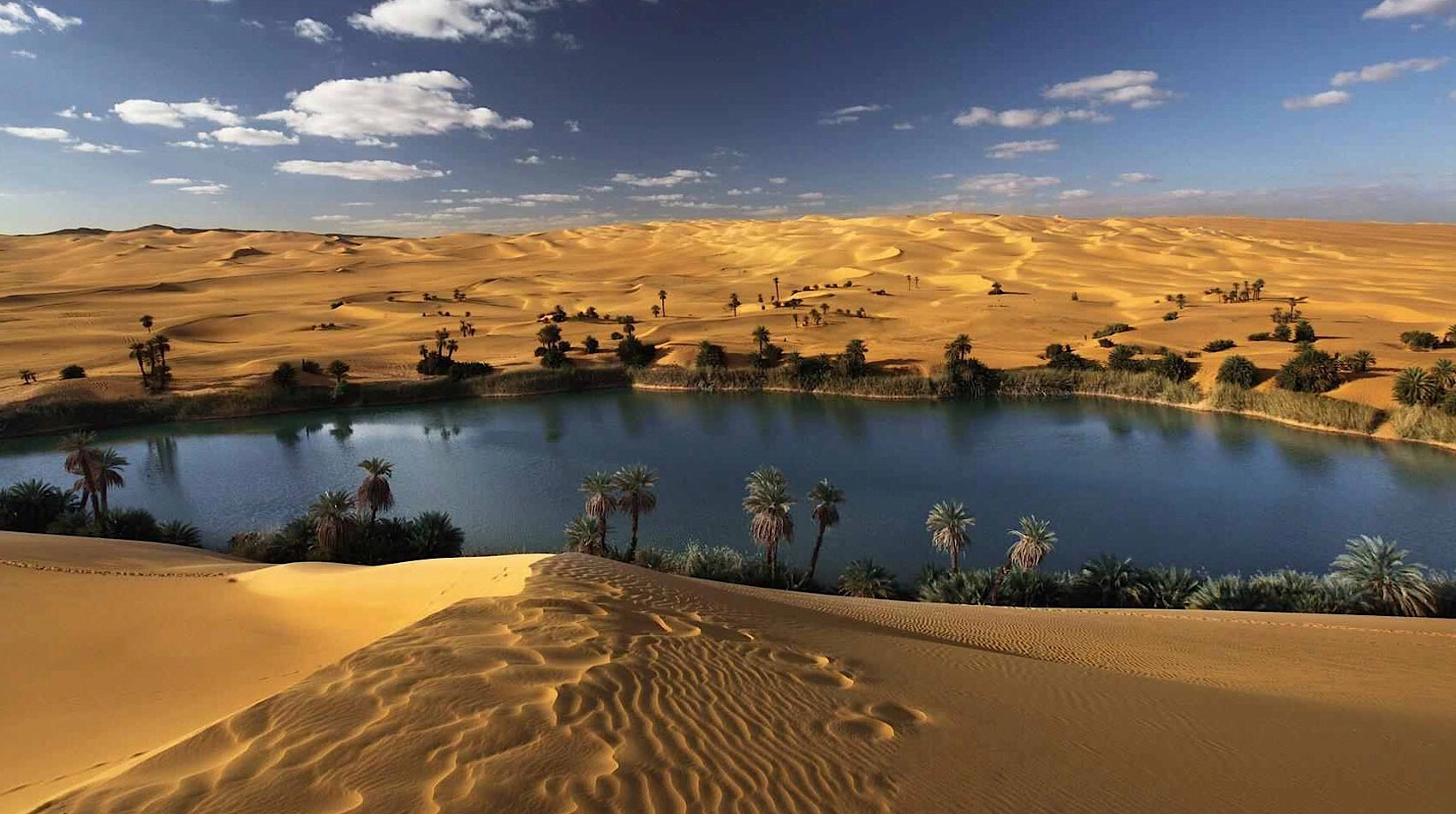
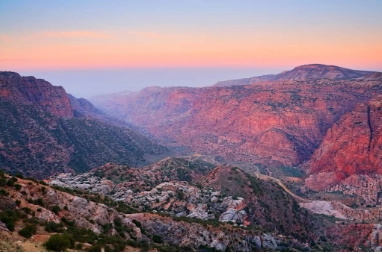
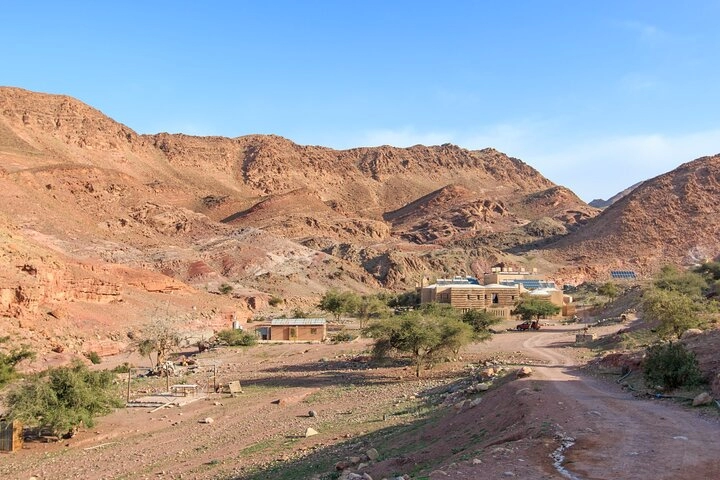
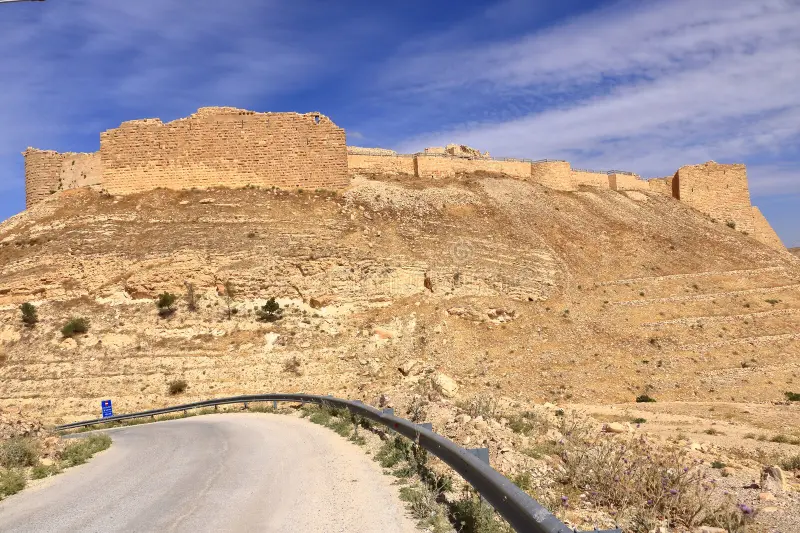
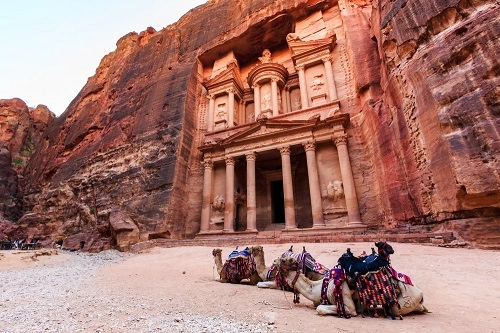
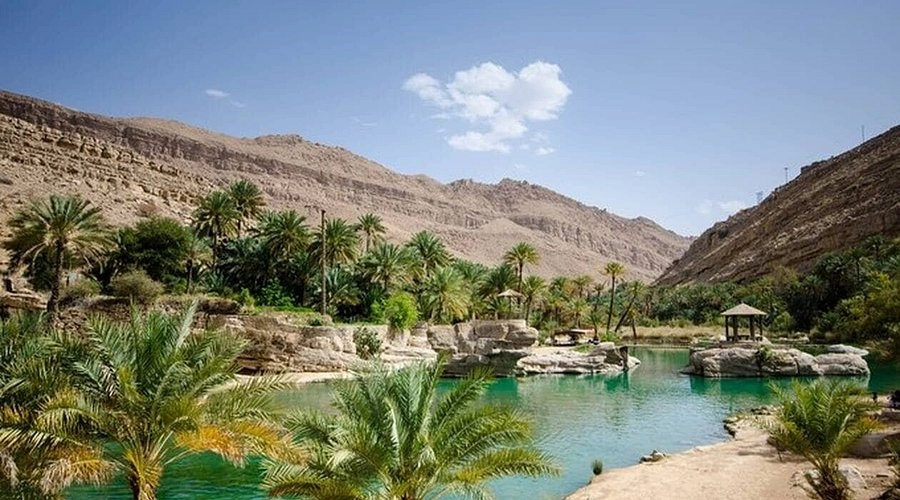
The Draa Valley is the longest river oasis in Morocco, and it delights with its never-ending palm trees, old kasbahs, and stunning desert that goes all the way from Ouarzazate to the Sahara.












Plan Your Next Adventure
Discover amazing destinations and book unforgettable trips around the world.
Draa Valley
Plan Your Next Adventure
Discover amazing destinations and book unforgettable trips around the world.
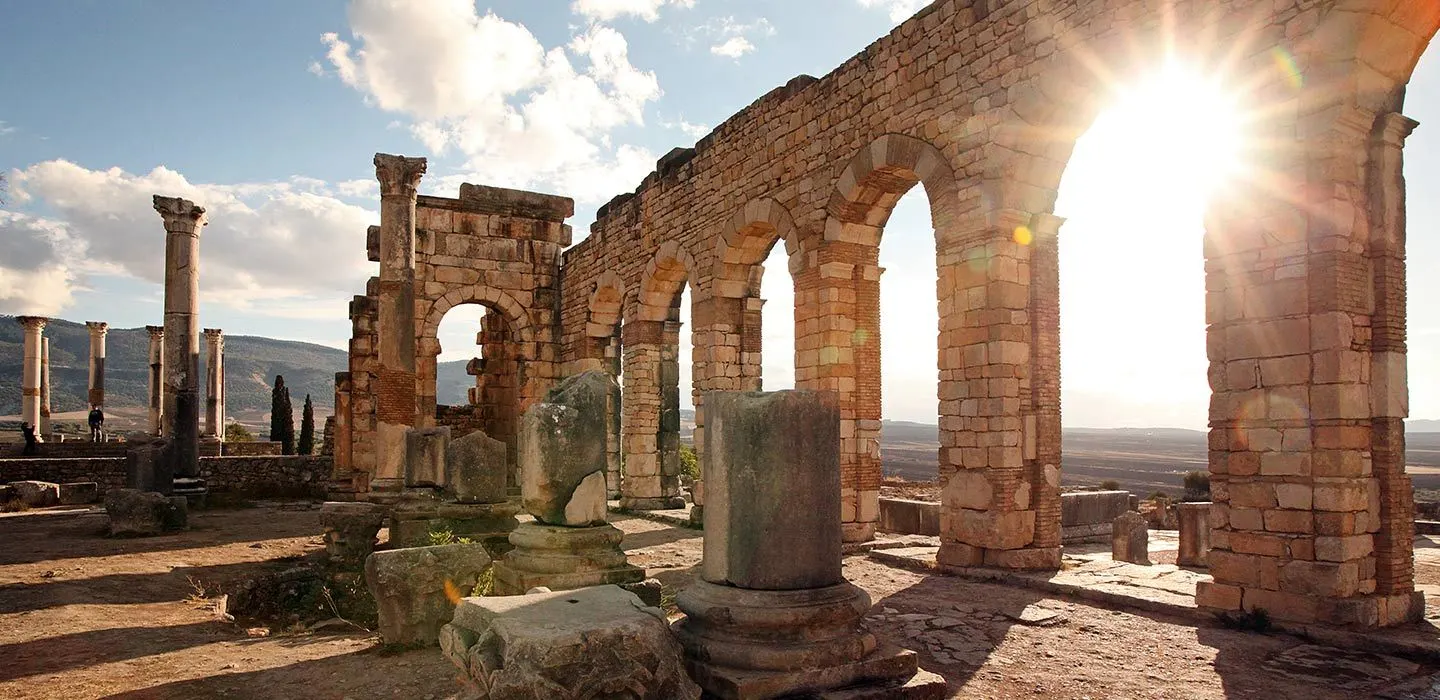
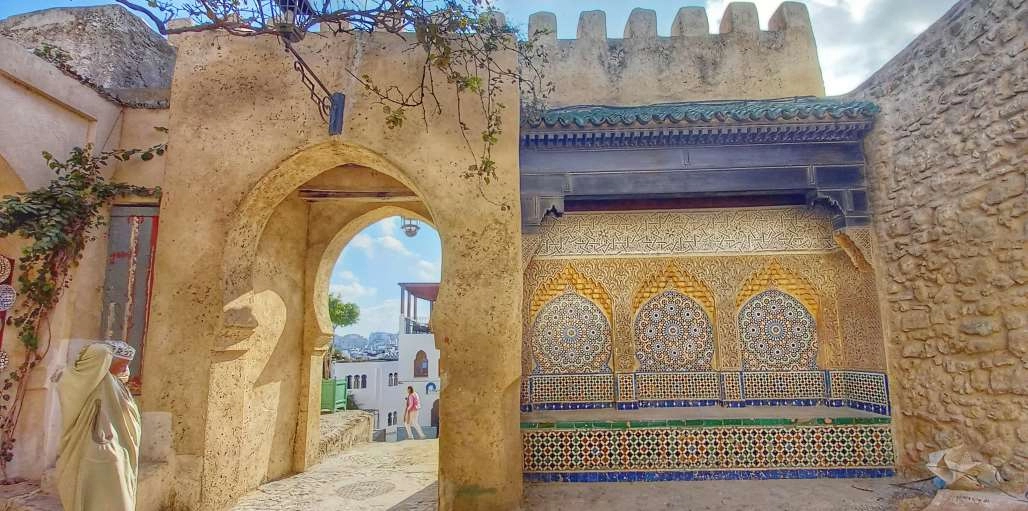
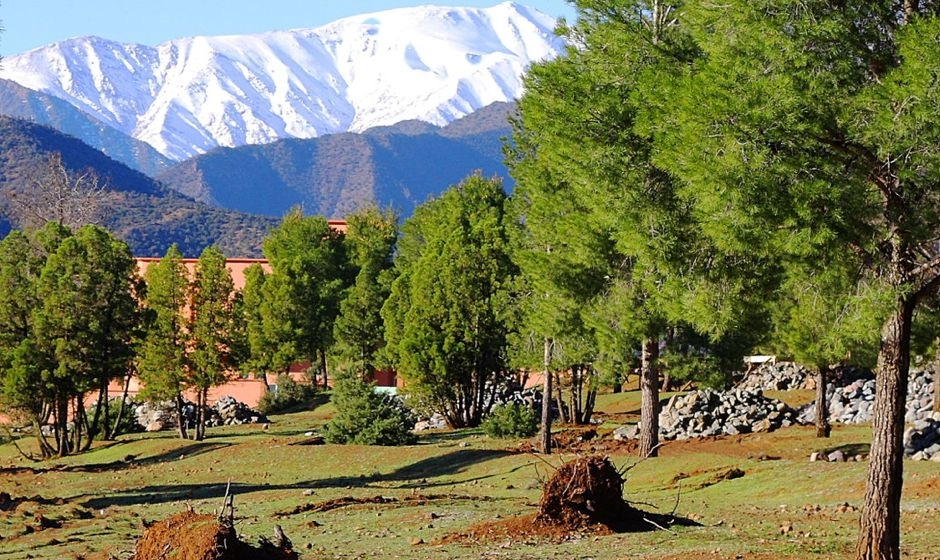
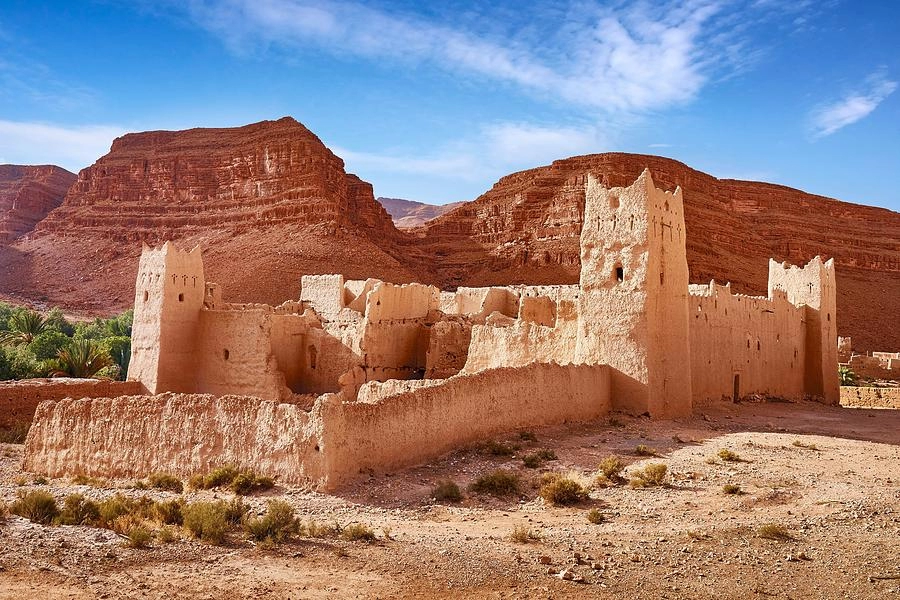
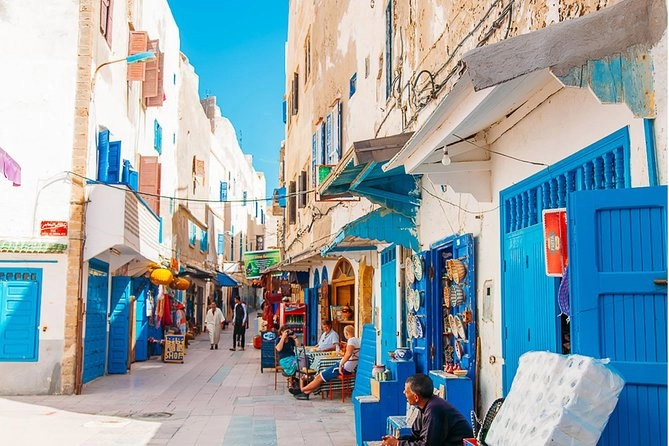
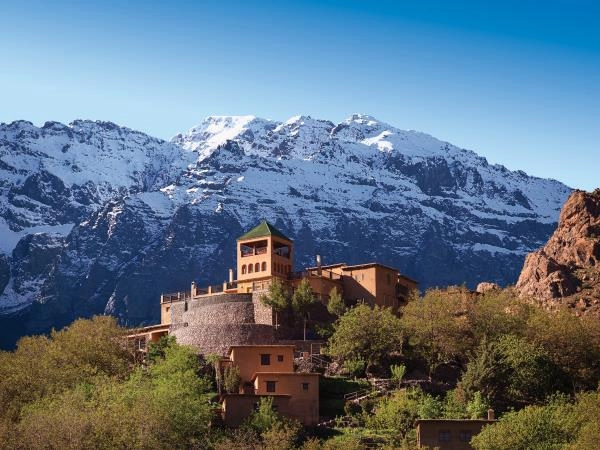
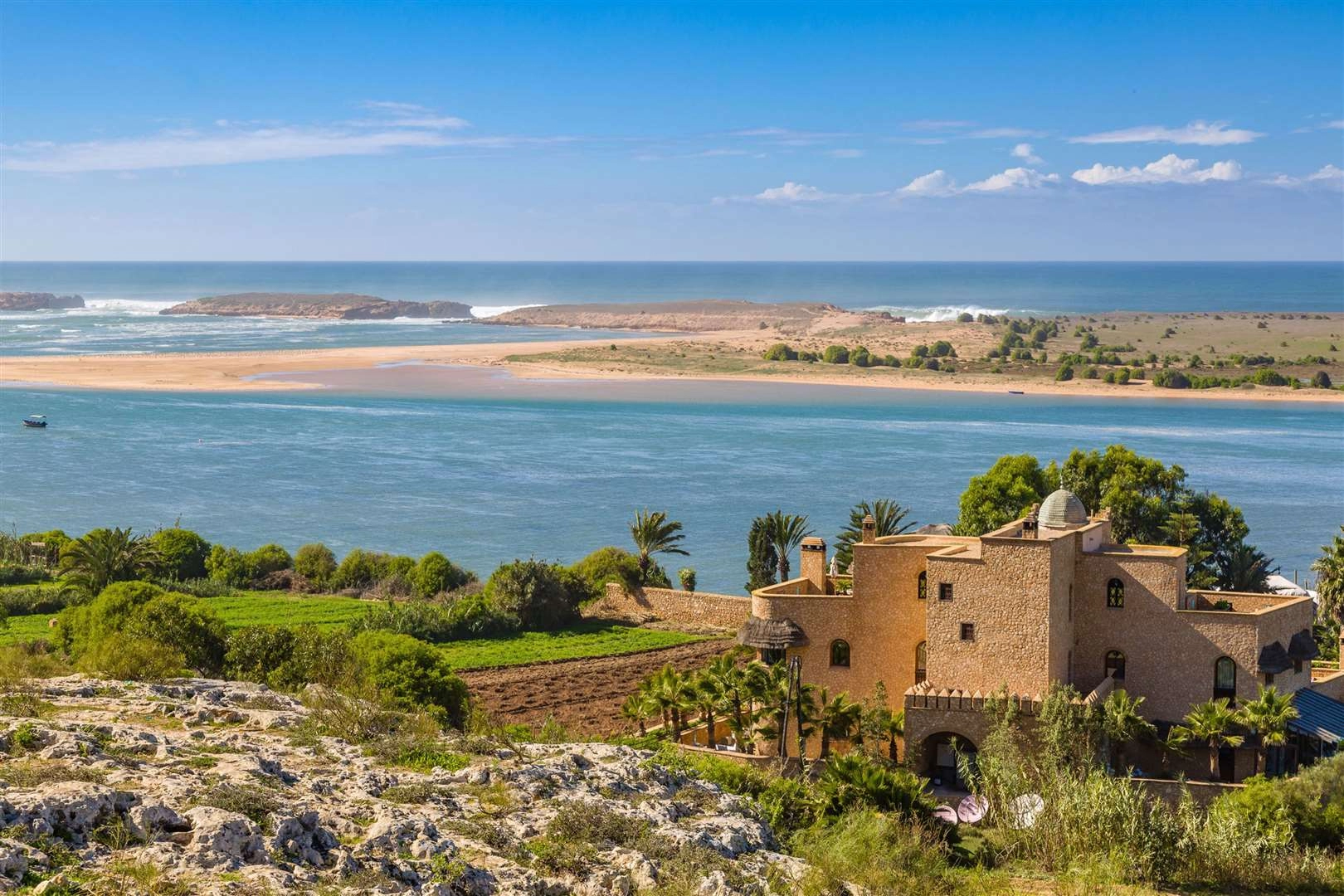
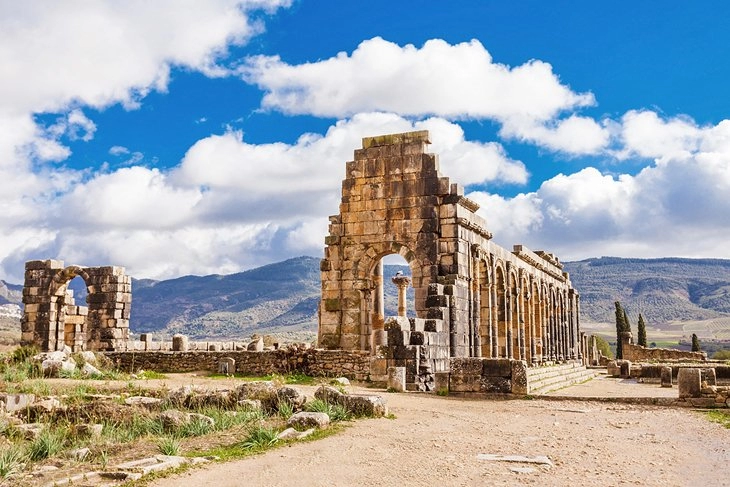
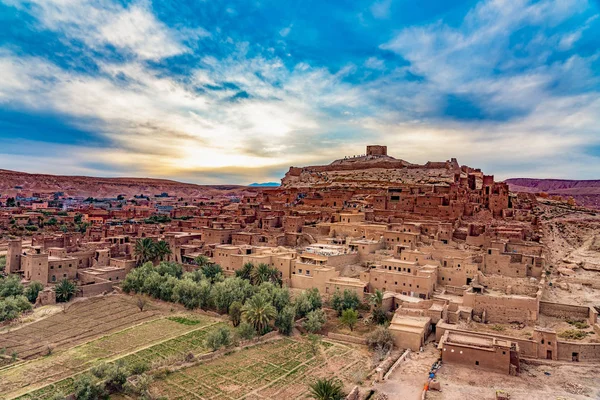
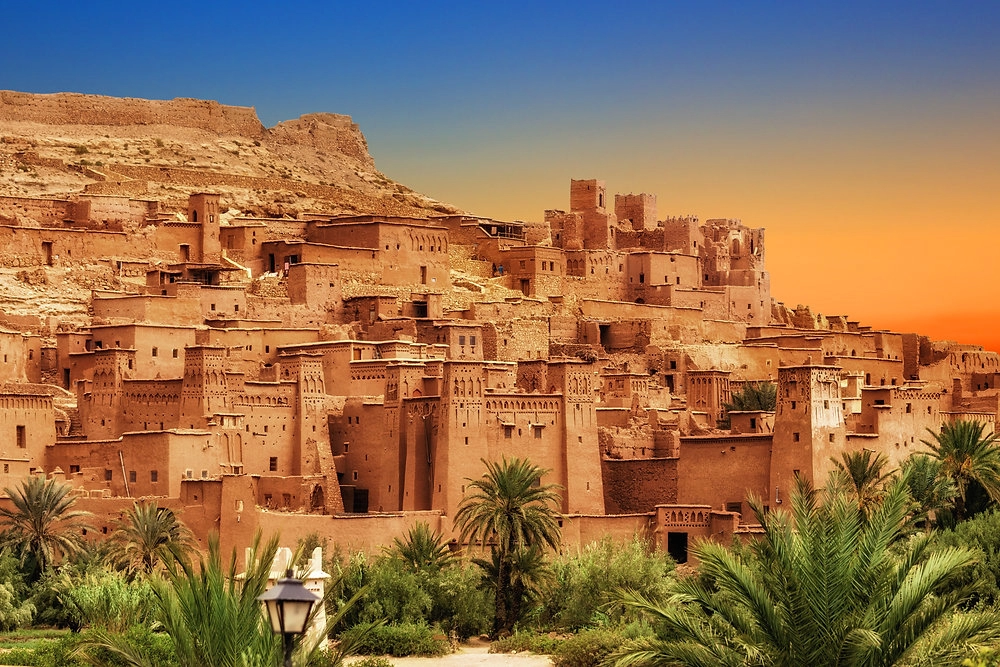
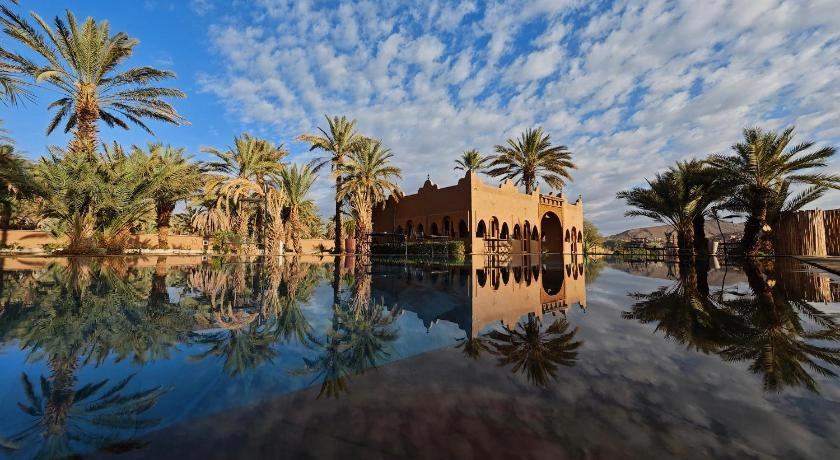
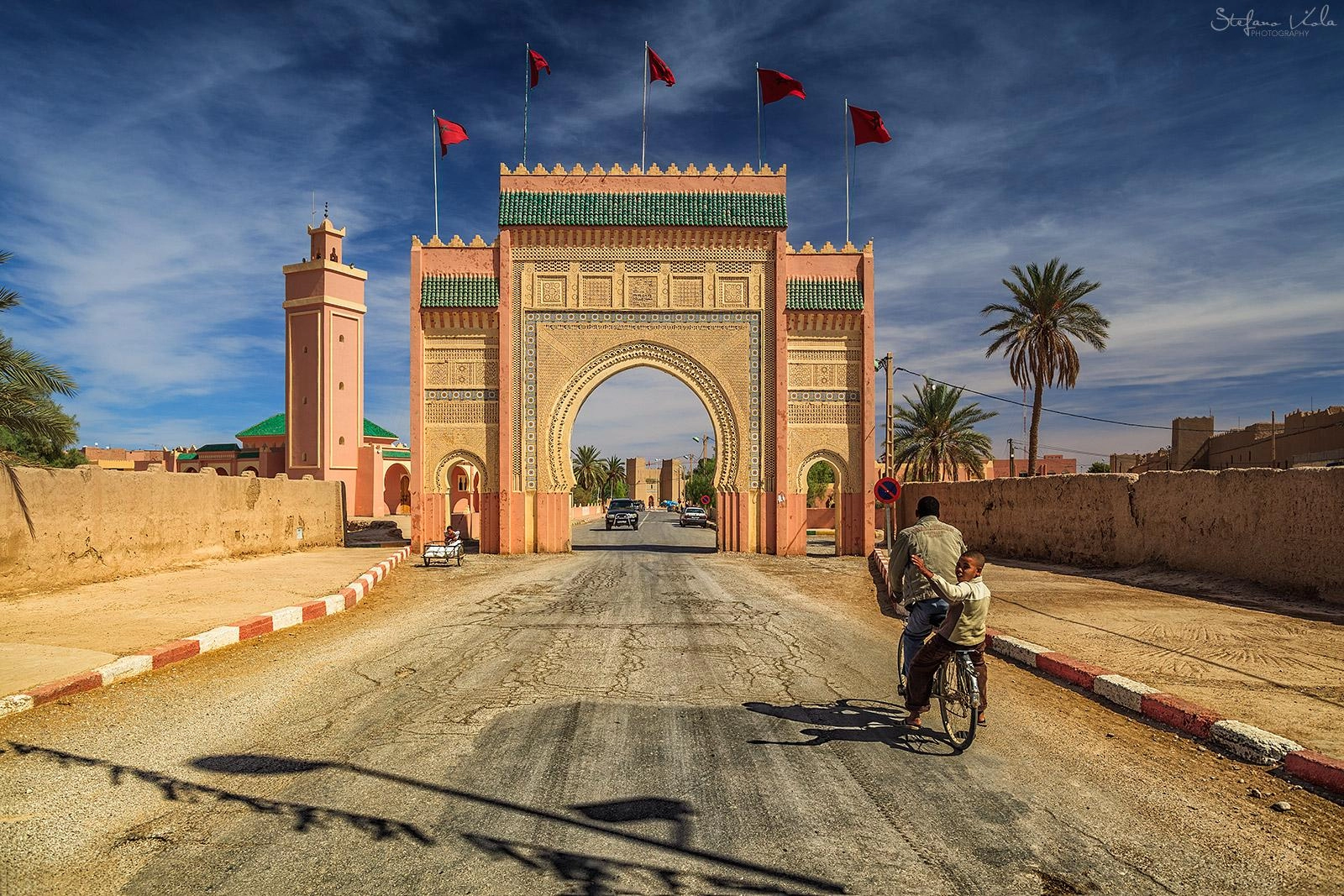
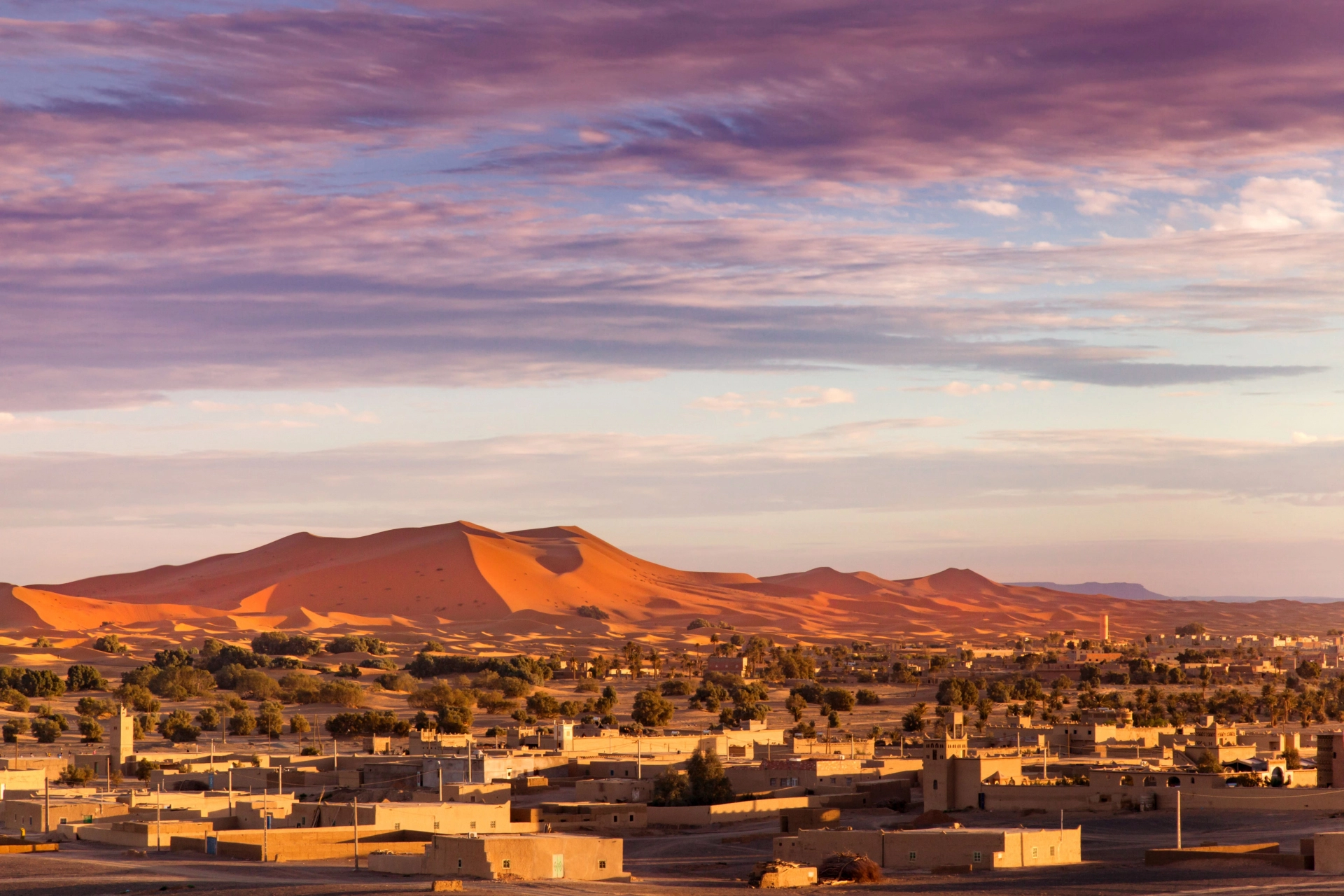
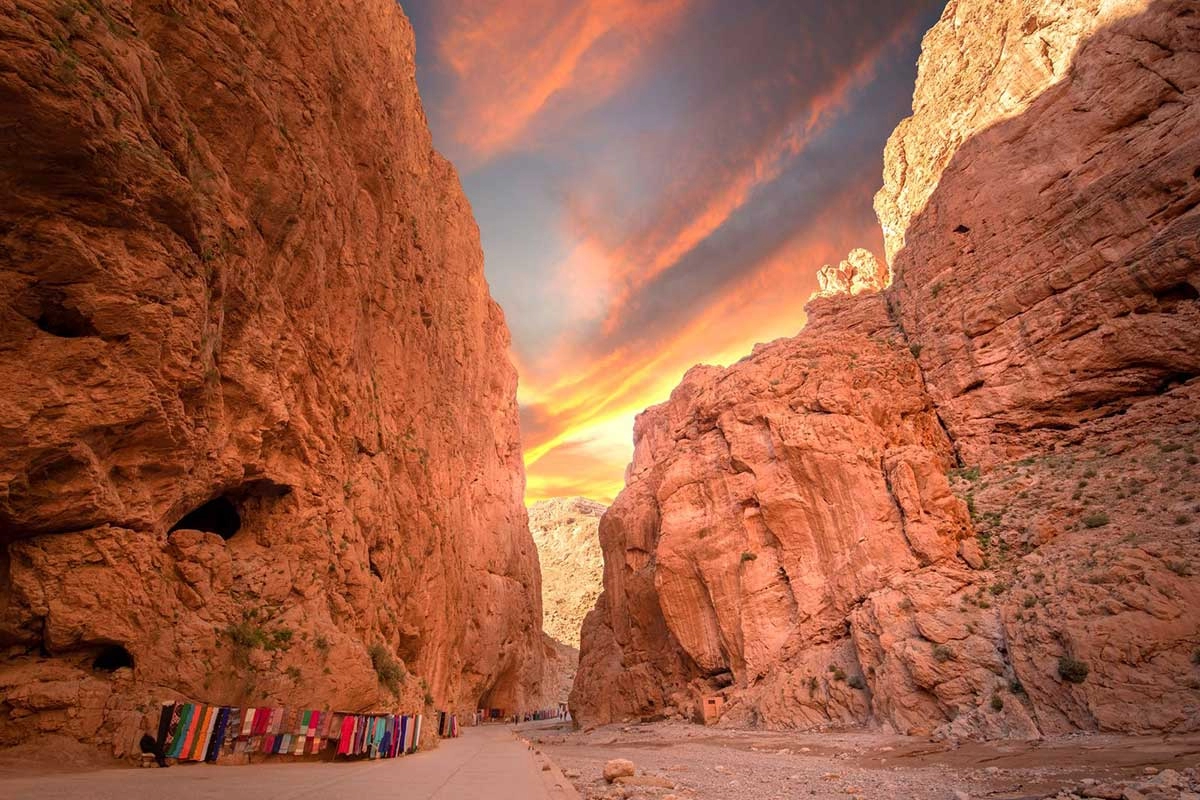
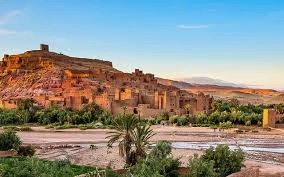
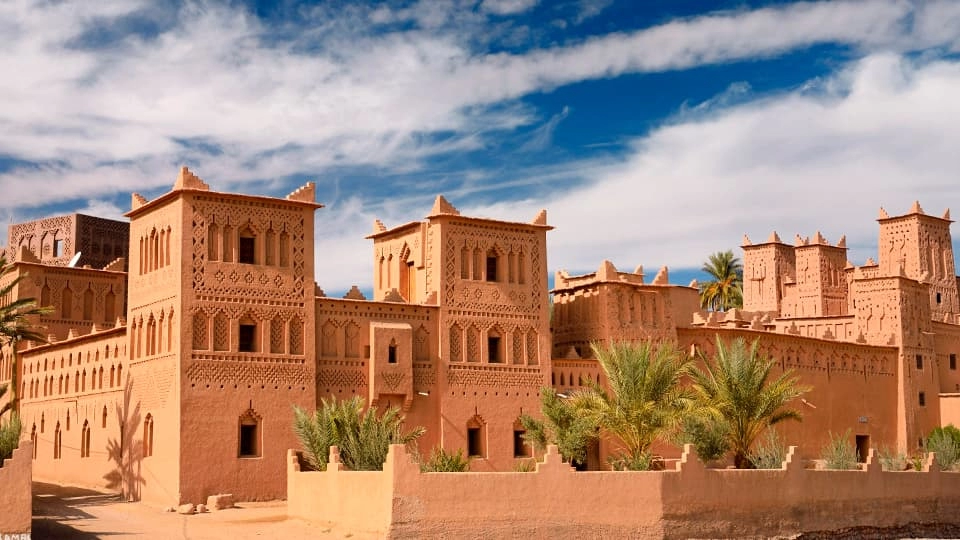
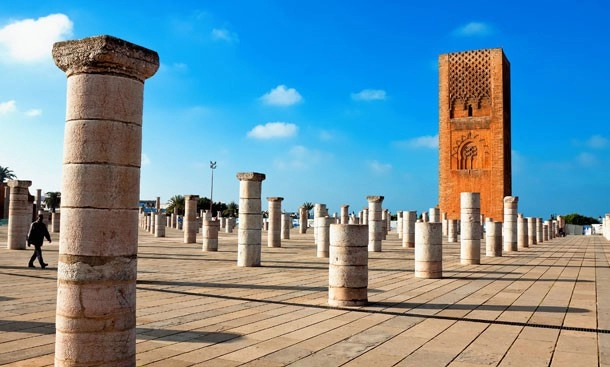
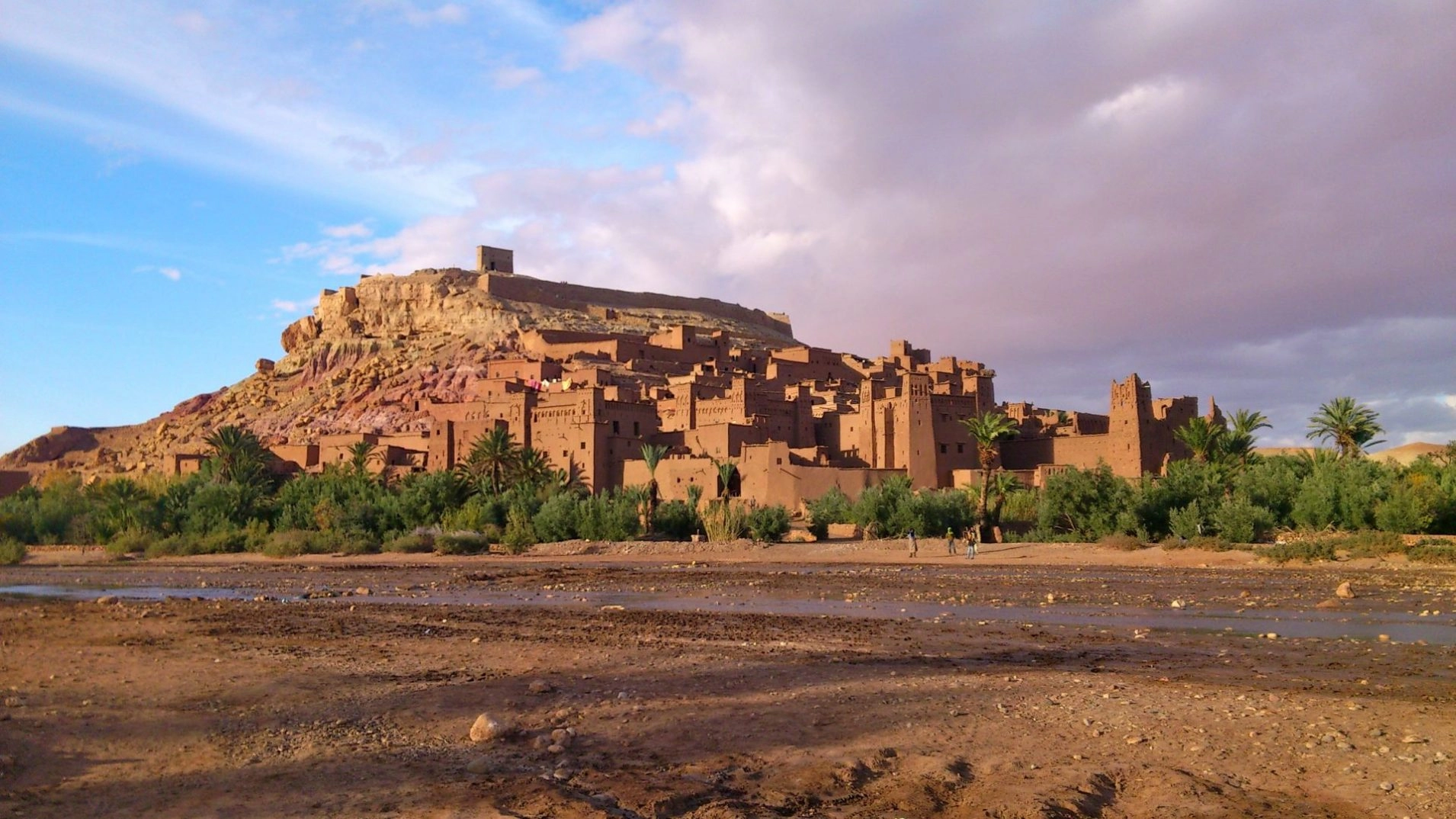
The Draa Valley which is outstretched for over 200 kilometers from Ouarzazate to the Sahara Desert's border is certainly one of the top natural and cultural attractions of Morocco. Dubbed "the Valley of a Thousand Kasbahs", it is a ligature of water and greenery weaving its way through the desert and a slice of the south Morocco's surprising duality.
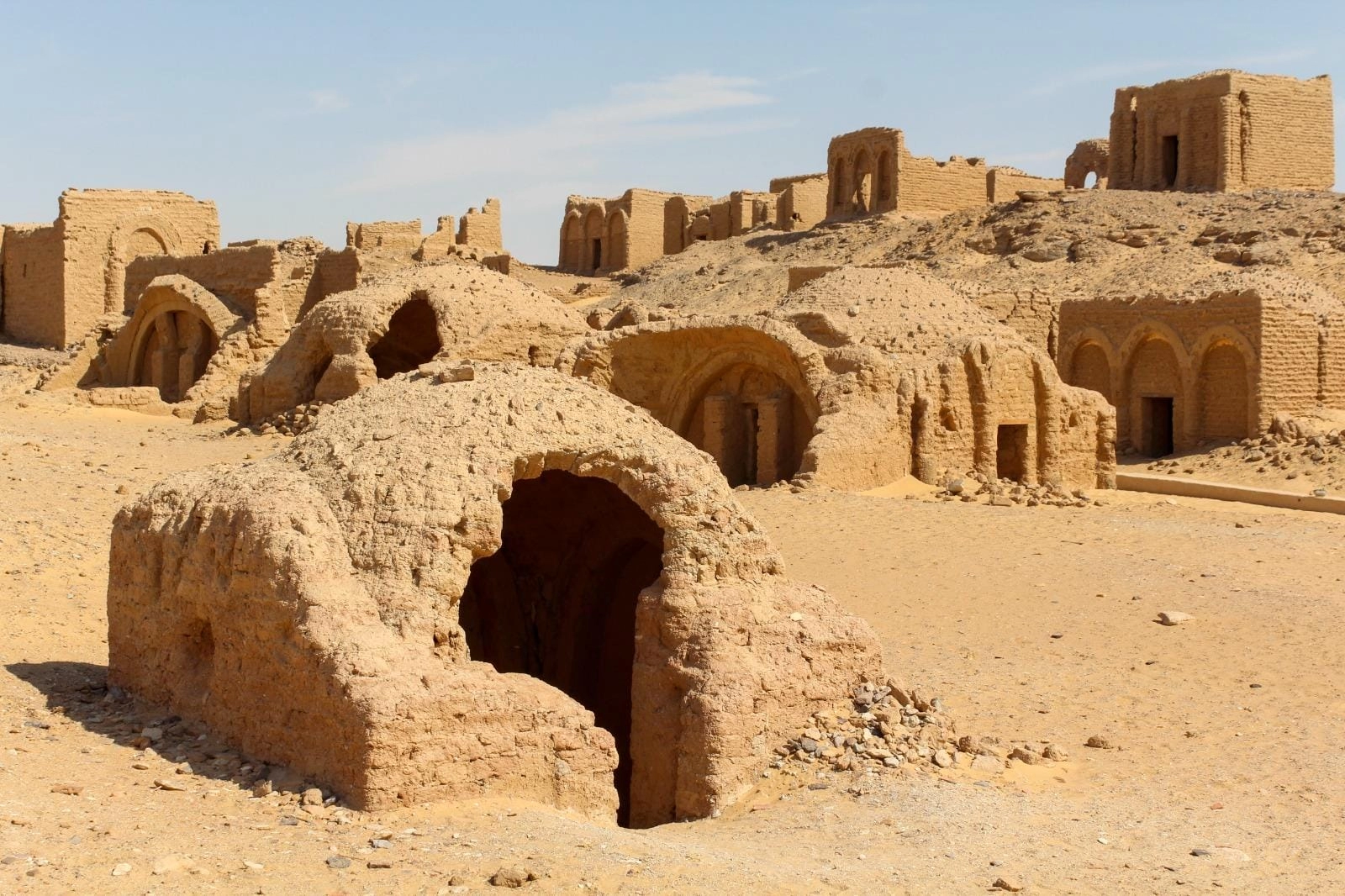
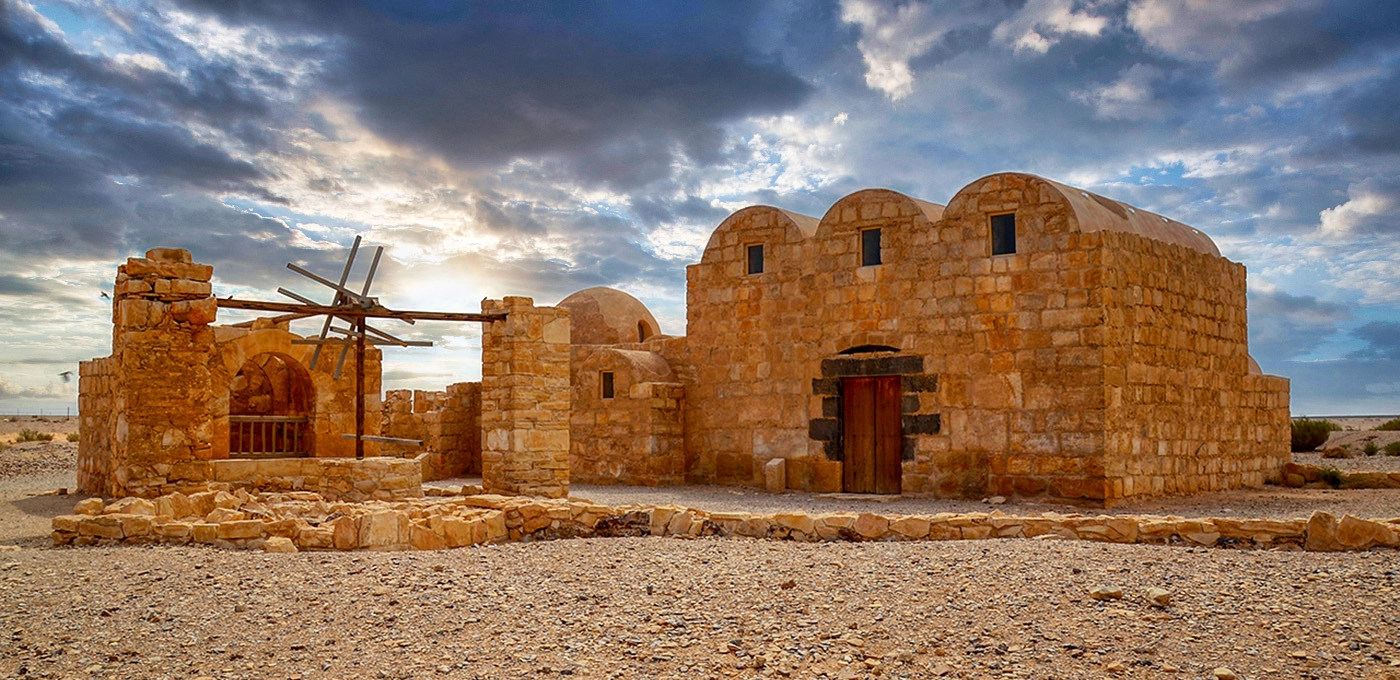
The valley's lands are adorned with ruins of ancient Berber settlements, outstandingly beautiful kasbahs, and large palm trees, so it becomes a dream place for tourists interest in history, nature, and photographing. The towns Agdz, Tamnougalt, and Zagora are excellent for stops where one can see the typical mudbrick construction and have a taste of true Moroccan hospitality.
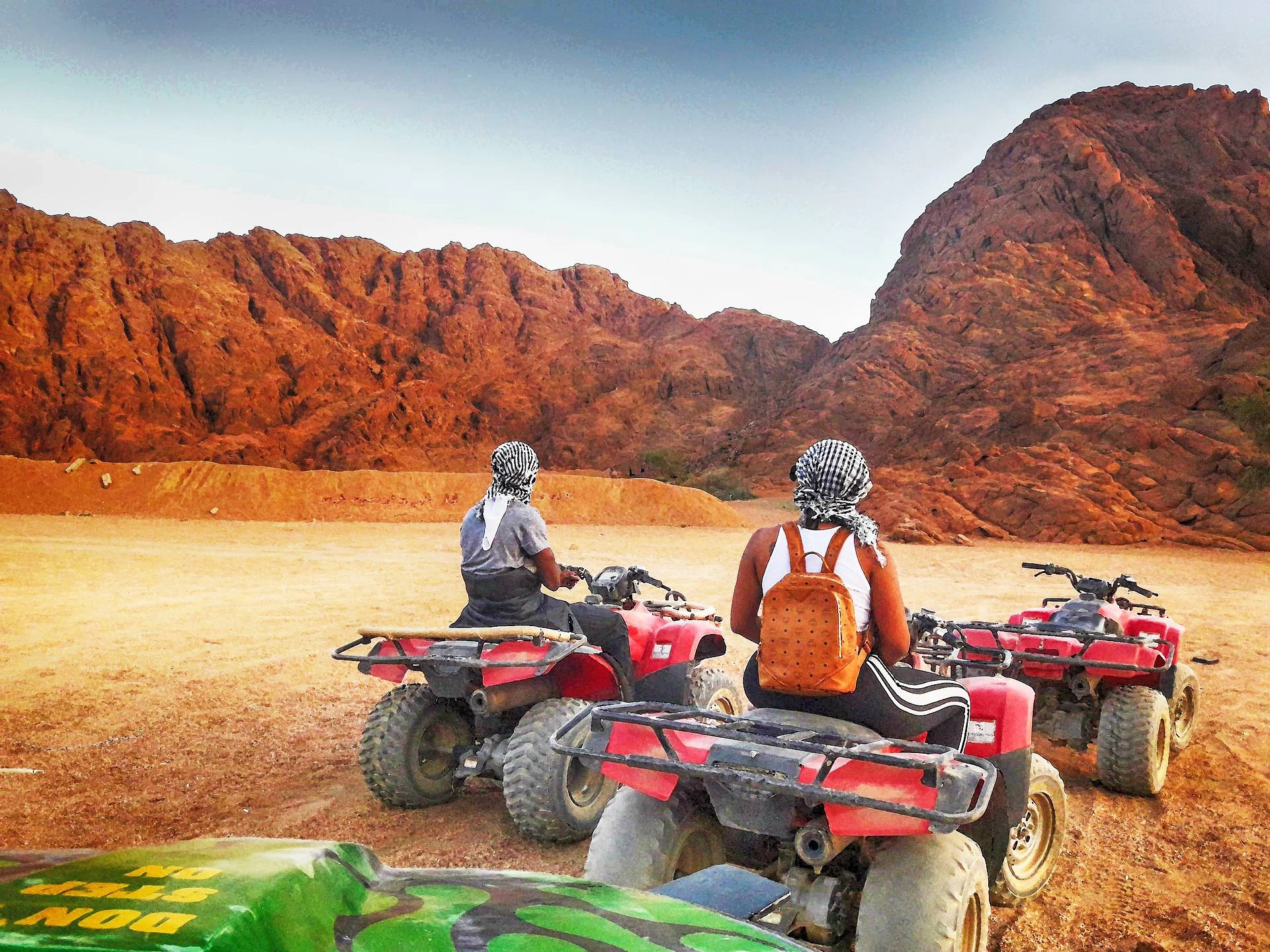
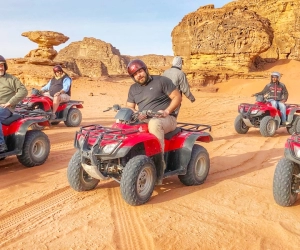
The Draa River, the longest in Morocco, irrigates and feeds the valley which becomes a green paradise surrounded by the rugged mountains and the desert plains. Visitors have a variety of options such as taking scenic drives, camel rides, and guided walking tours in the date palm plantations, or proceeding to the Sahara for an enchanting overnight camping under the stars.
No matter whether you are a seeker of thrill, solitude, or the tales of the bygone era of the caravanserai that were once an integral part of Morocco's trade, the Draa Valley has an unforgettable trip ready for you through both time and nature.
Plan Your Next Adventure
Discover amazing destinations and book unforgettable trips around the world.
People Also Ask
Moroccan culture is a very diverse mixture of the Arab, Berber and French influences which can be seen in its architecture, art, and customs. The food has a really good reputation worldwide — for example, tagine, couscous, pastilla, and mint tea are the must-try. The souks are overflowing with beautiful handicrafts, aromatic spices, and artisanal products that reflect the lively and colorful character of Morocco.
Absolutely, Morocco is quite safe for tourists, mainly in the touristy areas such as Marrakech, Fes, and Casablanca. In congested places, petty crimes such as pickpocketing might happen, hence it’s a good idea to be vigilant. The Moroccans are nice and hospitable to those who come to their country.
Your nationality will tell if you need a visa or not. Most travelers coming from Europe, North America, and the Middle East can stay for 90 days without a visa. The rest need to secure a visa from a Moroccan embassy or consulate prior to their travel. It is prudent to verify the current entry requirements.
The optimal period for traveling to Morocco is in spring (March-May) and autumn (September-November), when the climate is mild and nice. These months suit very well to the visiting of cities, the desert, and mountains without the unbearable heat.
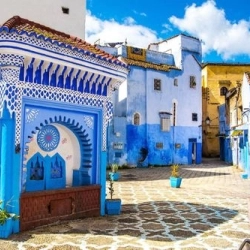
Morocco is a gem of a country that combines in a single destination culture, history, and nature. Some of the highlights are the Medina and souks of Marrakech, the blue city of Chefchaouen, the old tanneries in Fes, the Sahara Desert, the Hassan II Mosque of Casablanca, and the Atlas Mountains which offer not only stunning views but also great trekking.