 Places to see
 Top Destinations
  Things to do











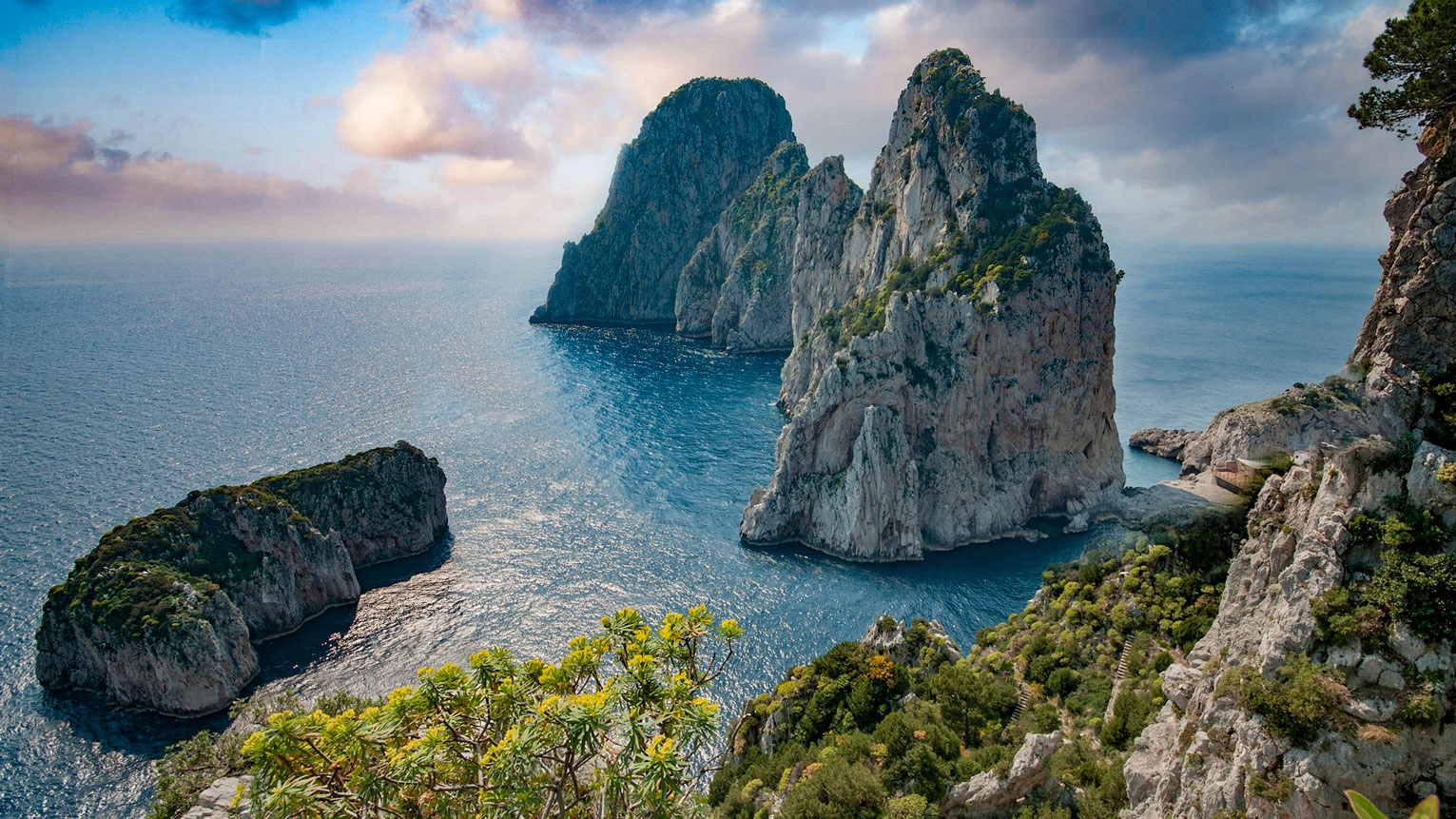

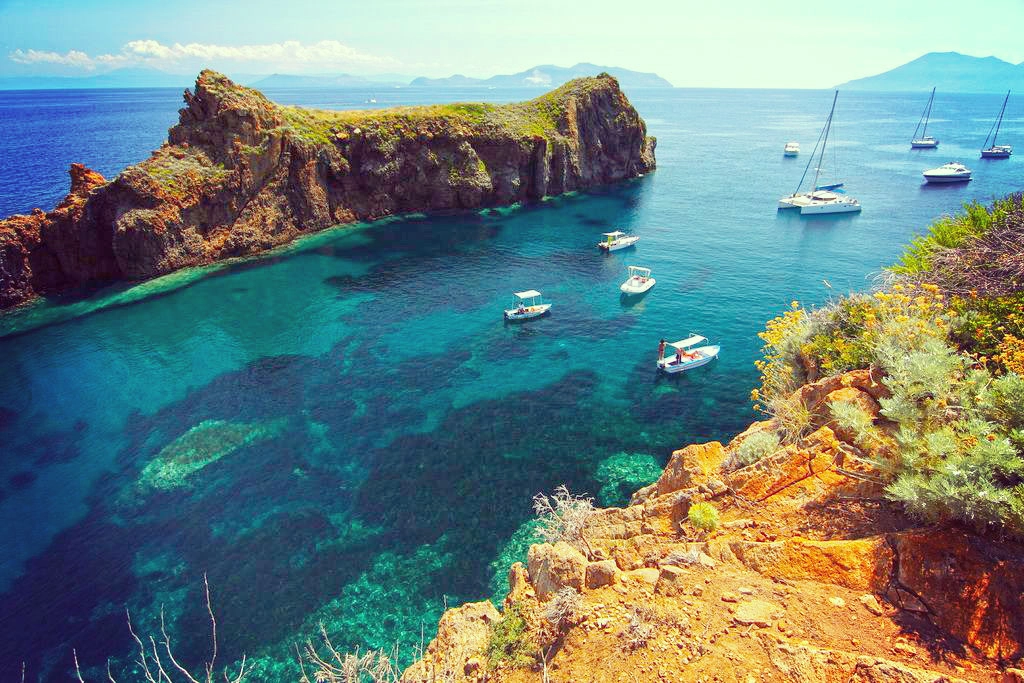
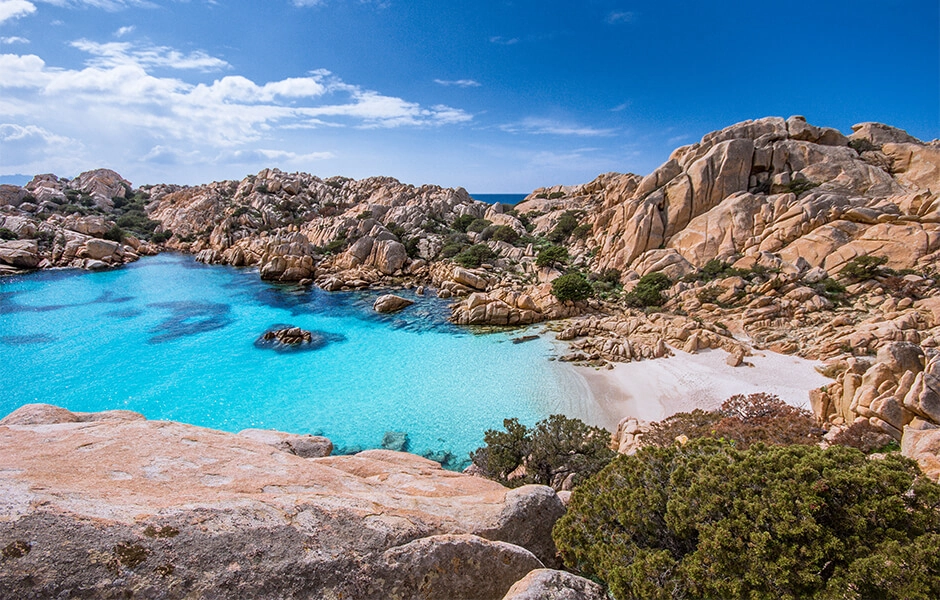
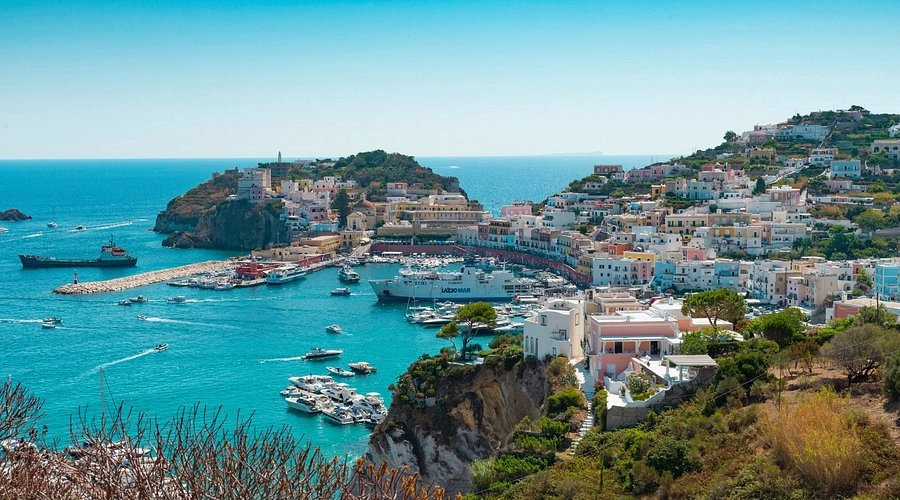







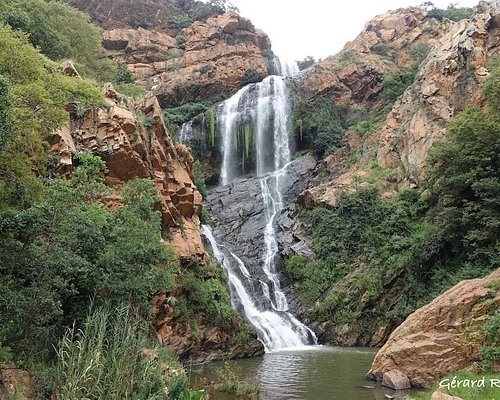




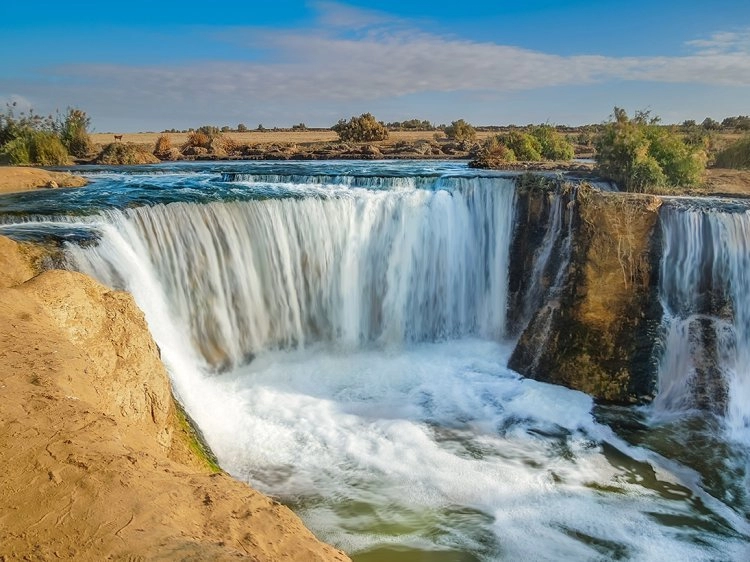


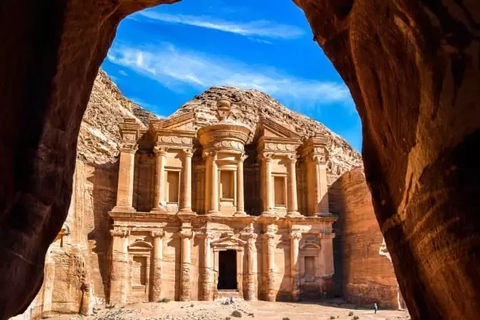
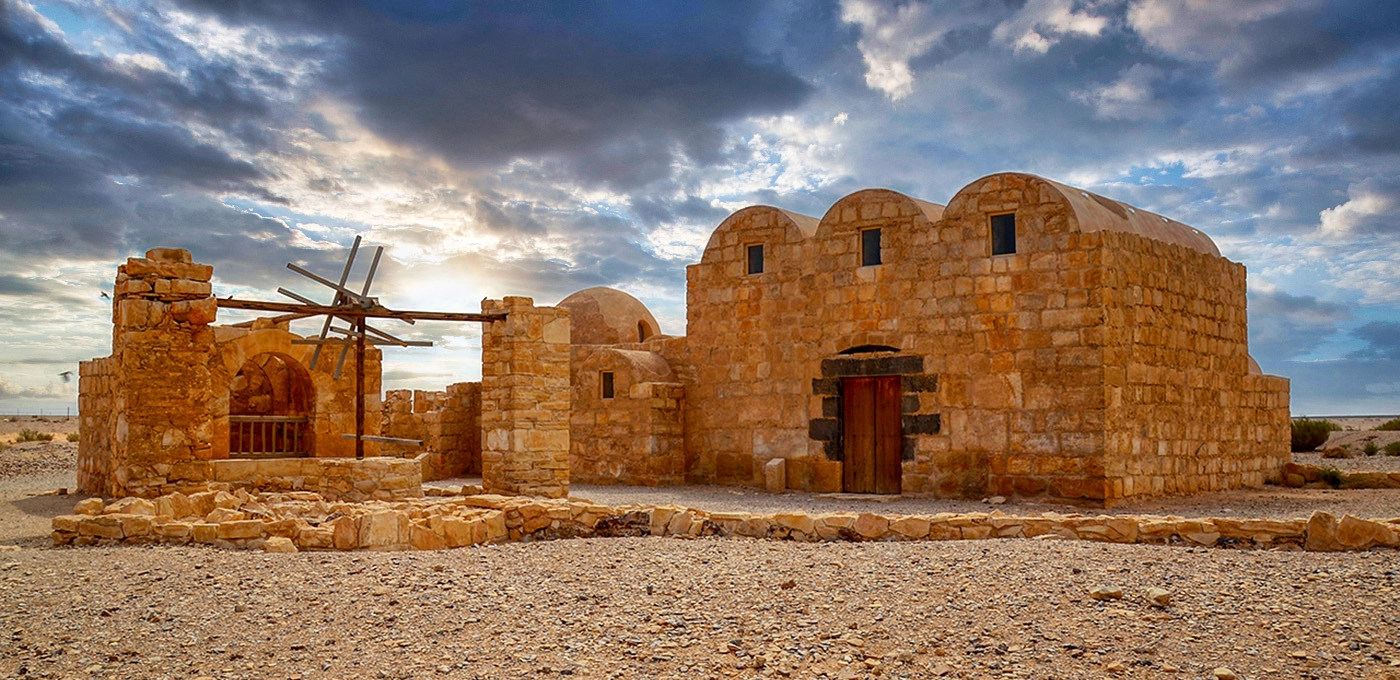
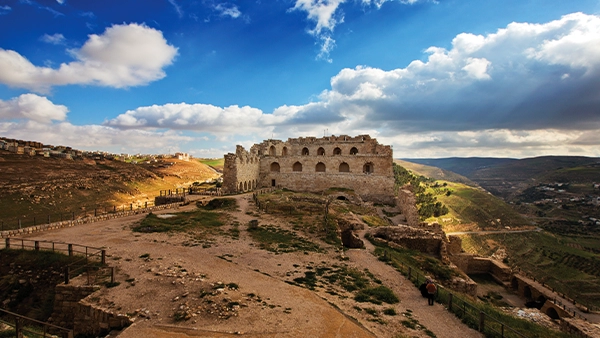
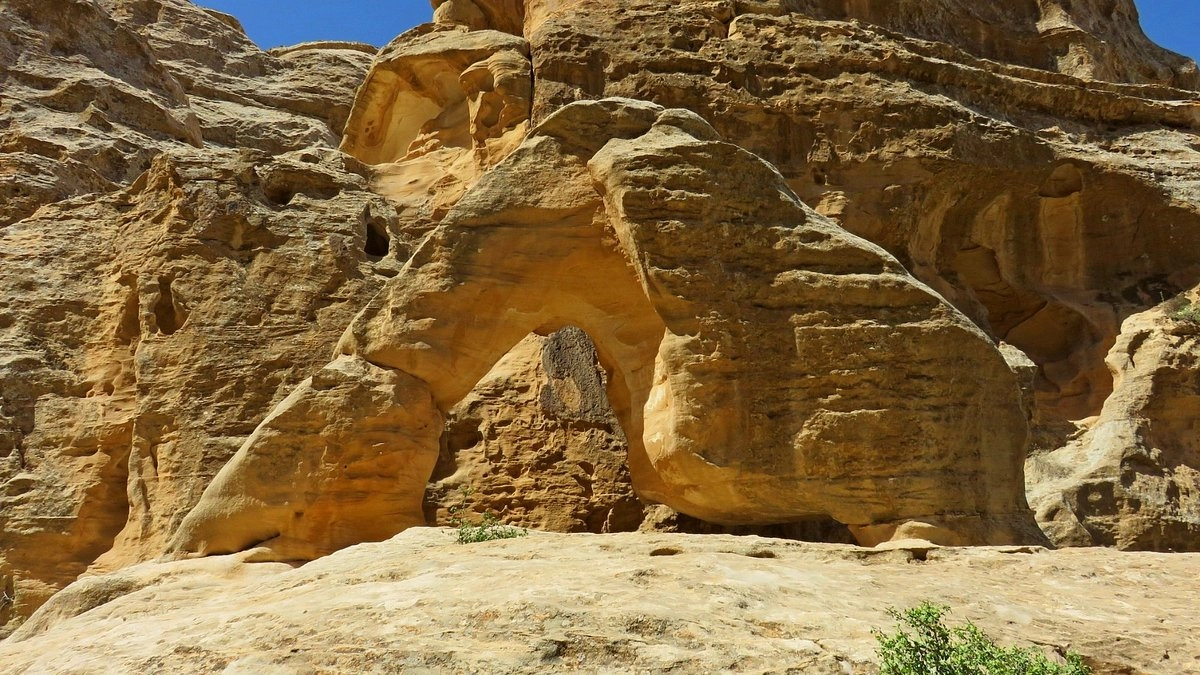



















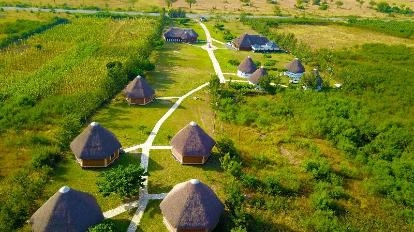
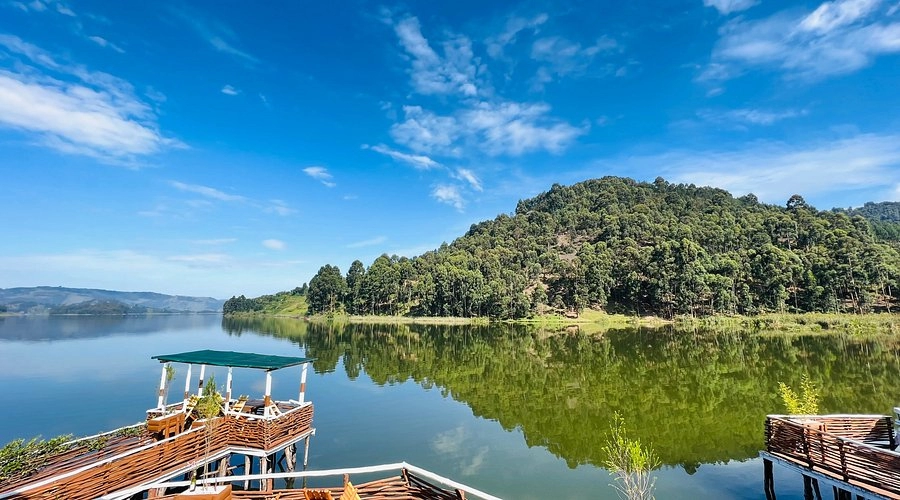
Murchison Falls National Park
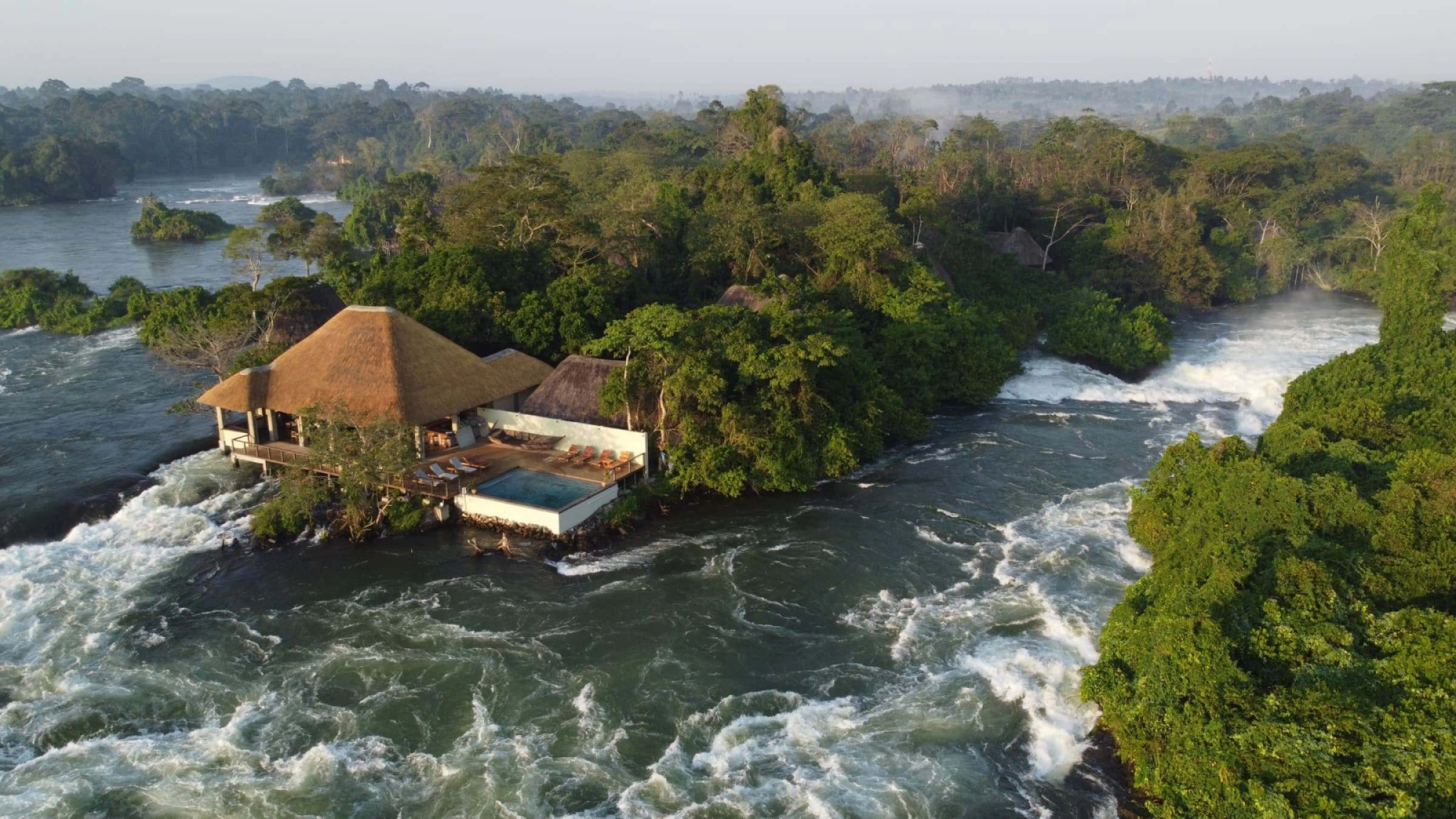
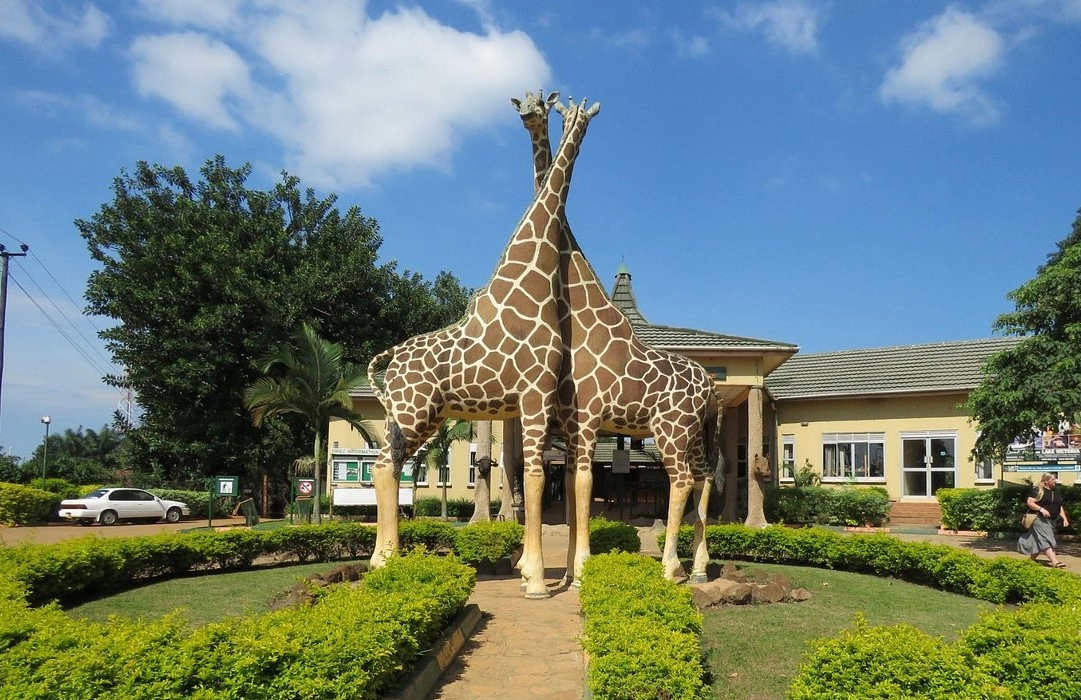
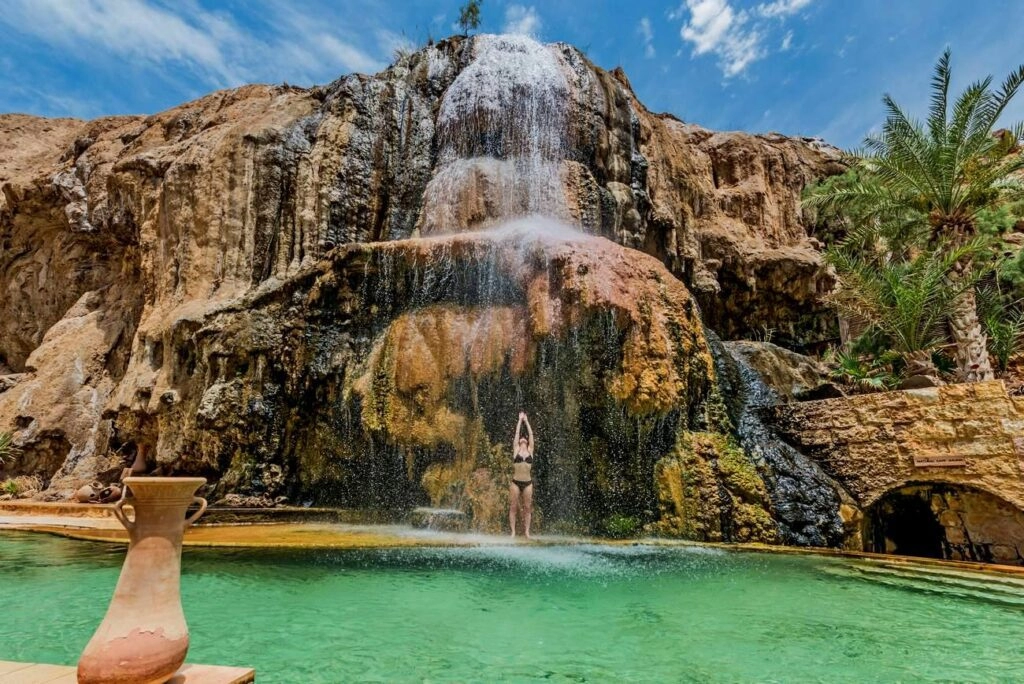
Murchison Falls National Park serves as Uganda's top safari destination which provides wildlife viewing and river cruises and adventure activities for Uganda safari tour visitors.
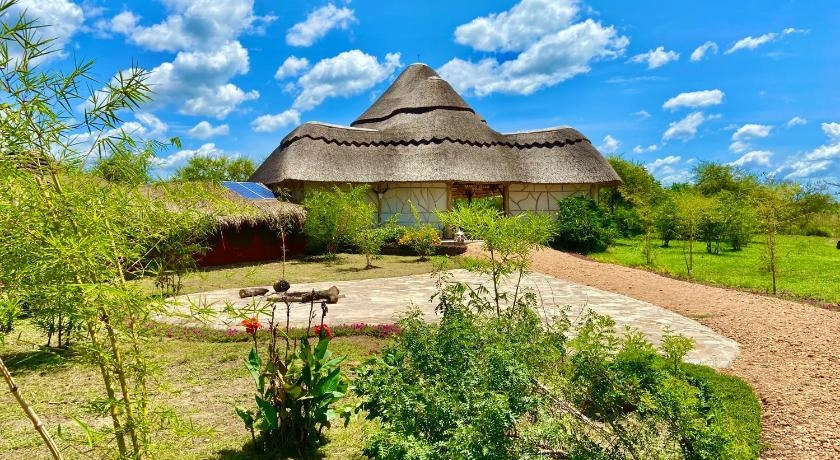
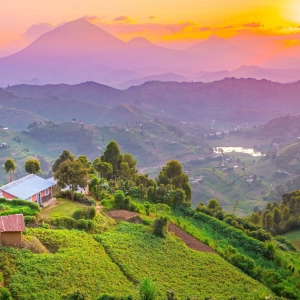
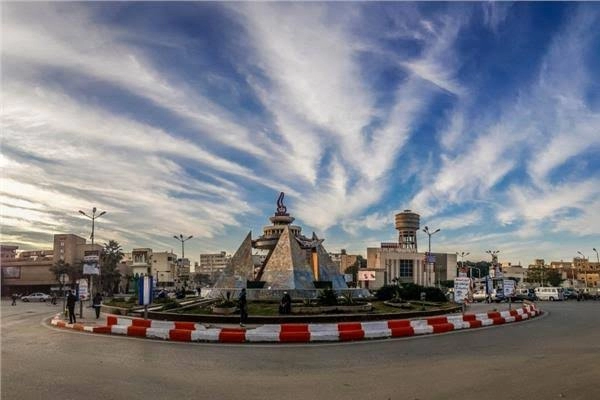
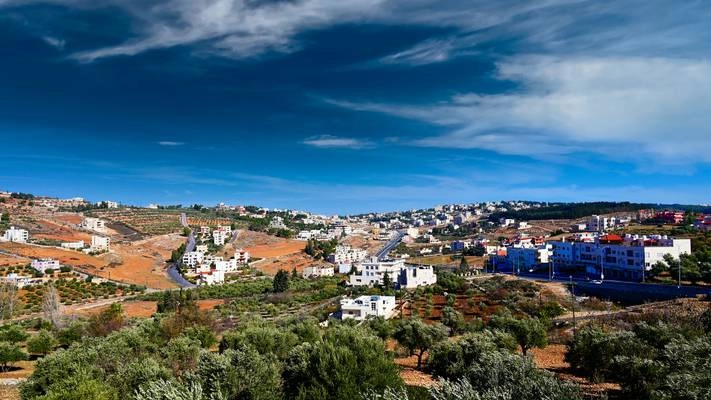
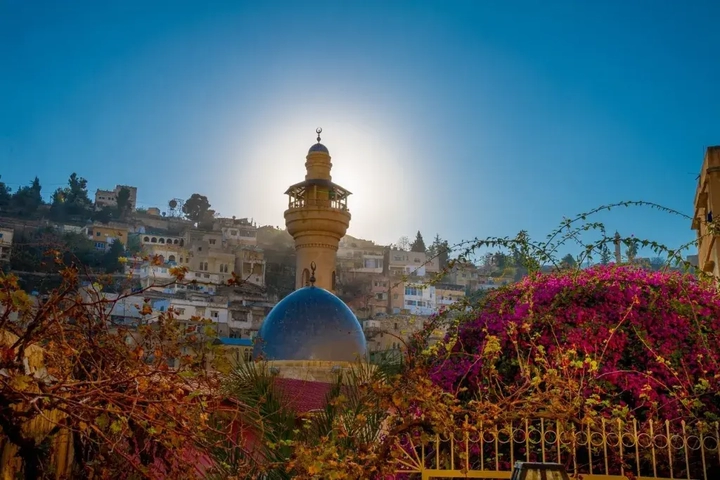
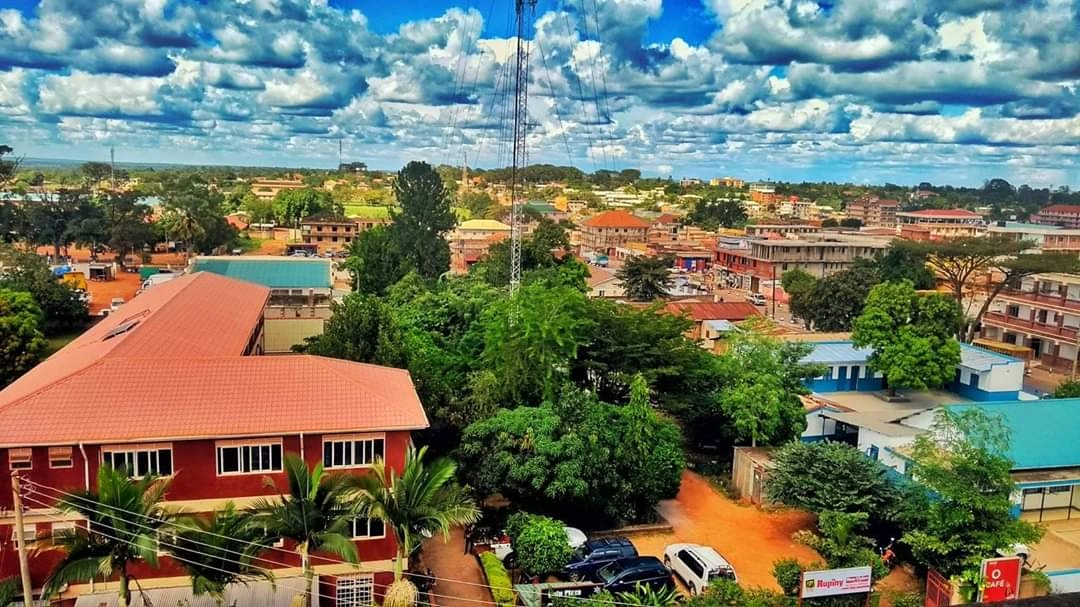
Masindi, the entry point to Murchison Falls National Park, offers visitors a mix of wildlife adventure, colonial history, and the picturesque scenery of Ugandan west.
Discover amazing destinations and book unforgettable trips around the world.
Masindi Area
Discover amazing destinations and book unforgettable trips around the world.
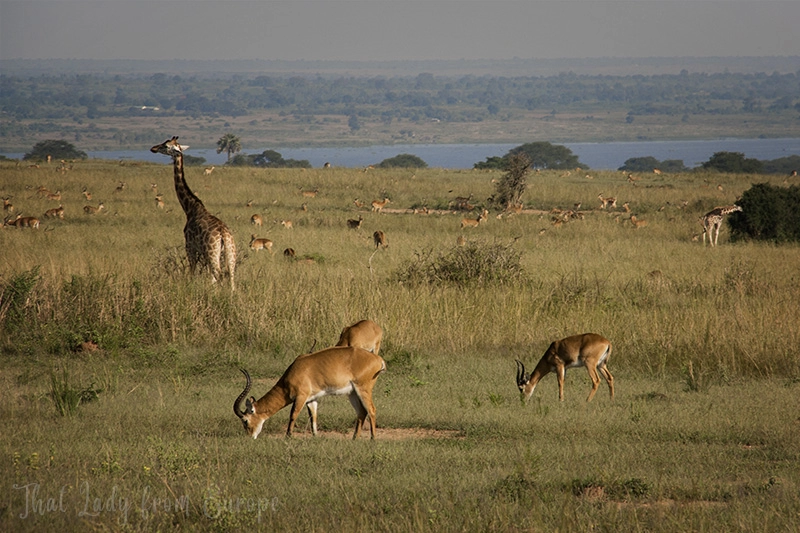
Masindi, a western Uganda locality, is not only a historic town but also the foremost gateway to Murchison Falls National Park, which is a wildlife reserve that ranks among Africa’s most beautiful ones. Masindi, with its peaceful charm and strategic location, provides an easy access to Uganda's natural and cultural treasures for the tourists.
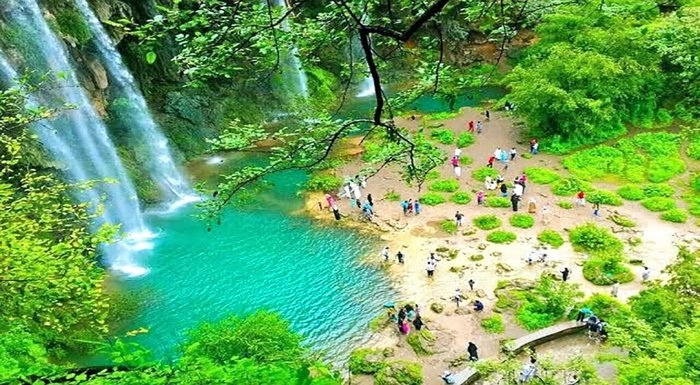
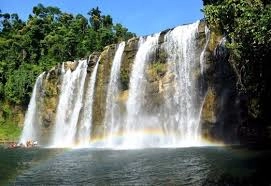
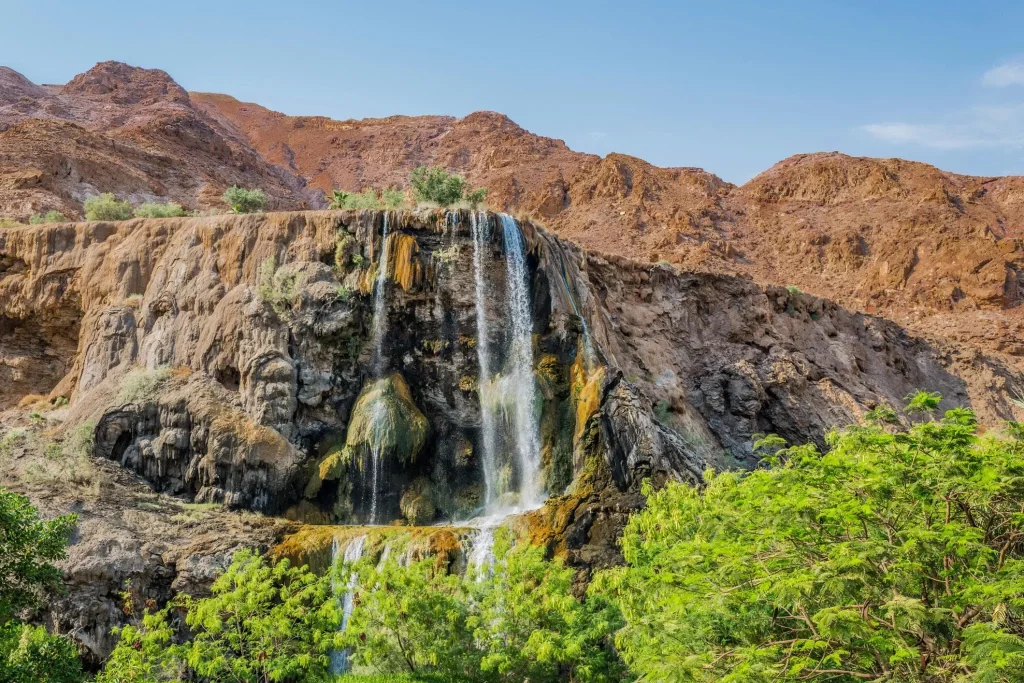
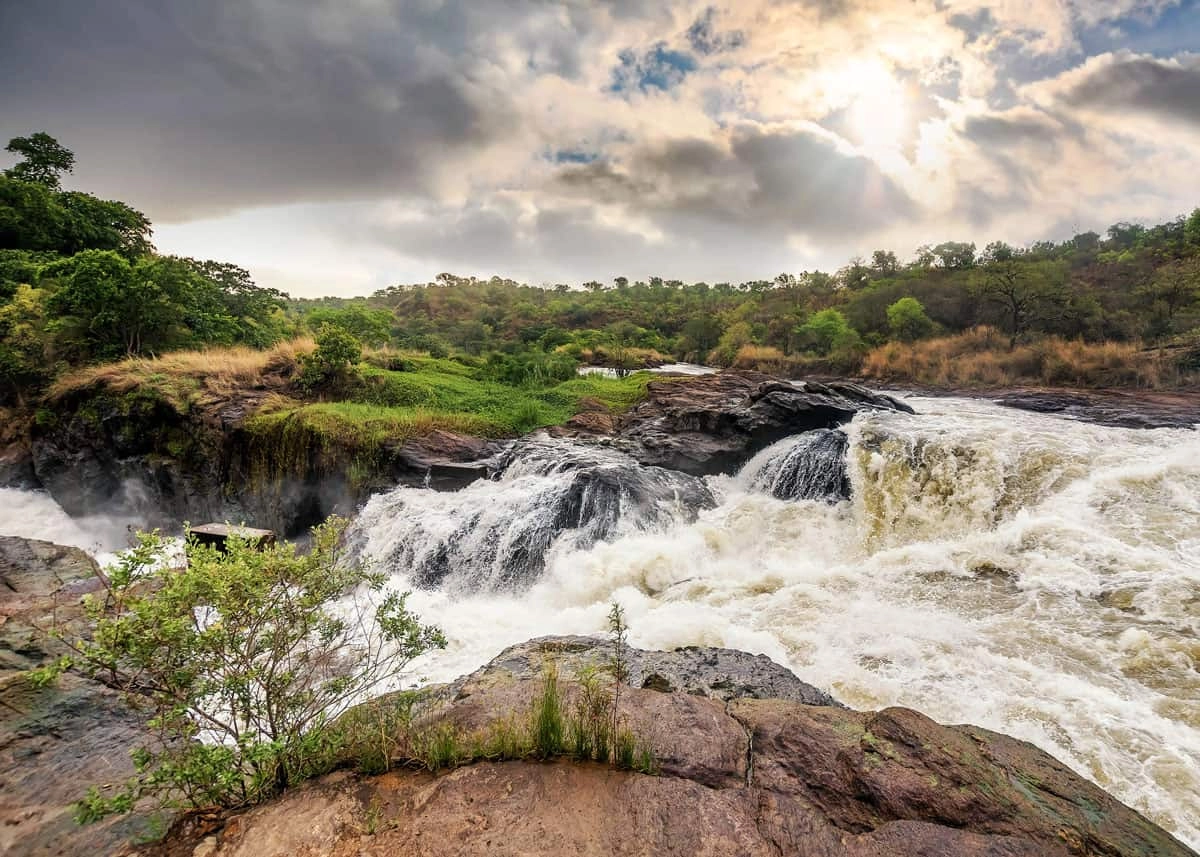
The breath-taking view and Uganda's landmark not to be missed by anyone visiting are the Murchison Falls. The Murchison Falls are located just north of the town, where the Nile River very impressively and dramatically is forced through a narrow gorge and then it drops into a thunderous waterfall—the visitors can choose to do game drives, take boat rides, go birdwatching, or even chimpanzee tracking in the forests nearby.
On the other hand, Masindi is grated with the Budongo Forest Reserve, where the largest mahogany forest in East Africa is situated along with a huge population of chimpanzees, making this place perfect for eco-tourism and wildlife activities.
The visitors can go to the colonial-period buildings, and the local markets, or participate in cultural activities in the community that are created by the various groups residing in the region. With its hospitable environment and the outstanding attractions nearby, Masindi is an excellent base for wandering the wild and beautiful western Uganda.
Discover amazing destinations and book unforgettable trips around the world.
Murchison Falls National Park serves as Uganda's top safari destination which provides wildlife viewing and river cruises and adventure activities for Uganda safari tour visitors.
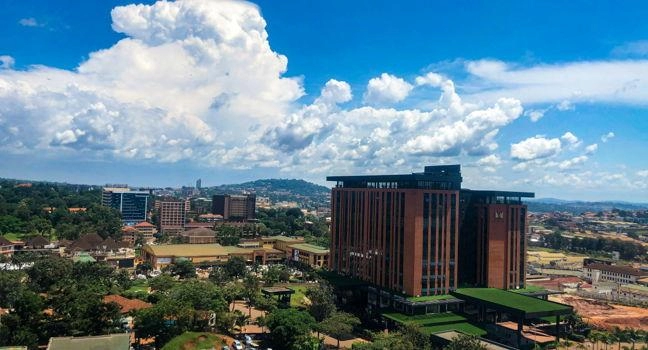
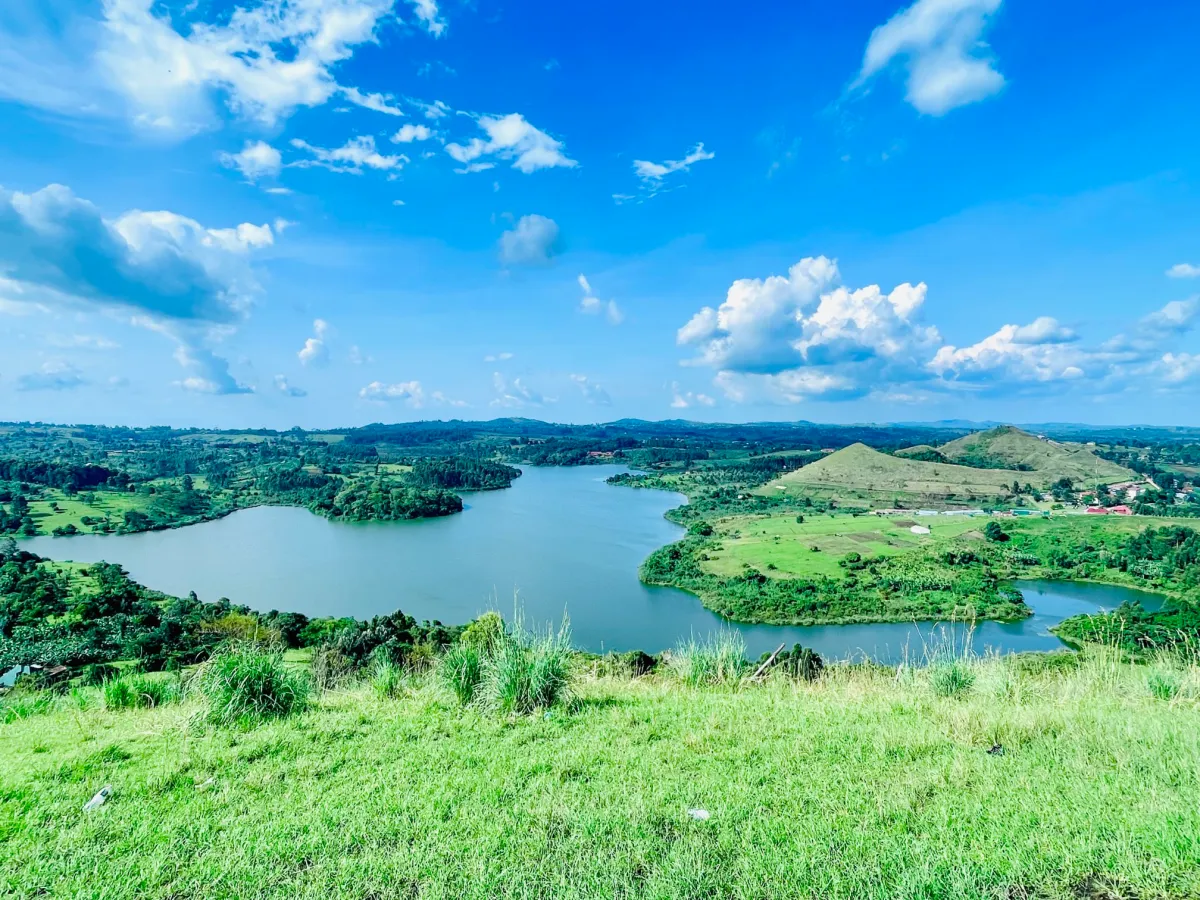
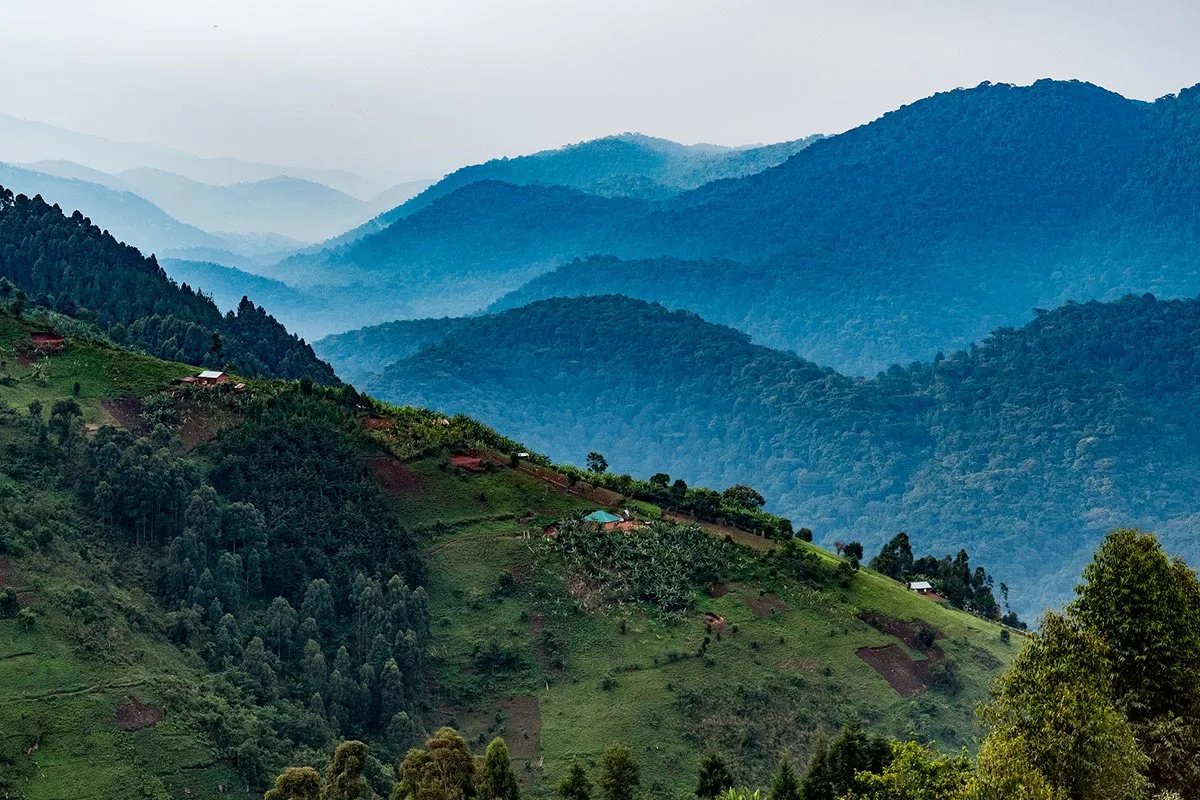
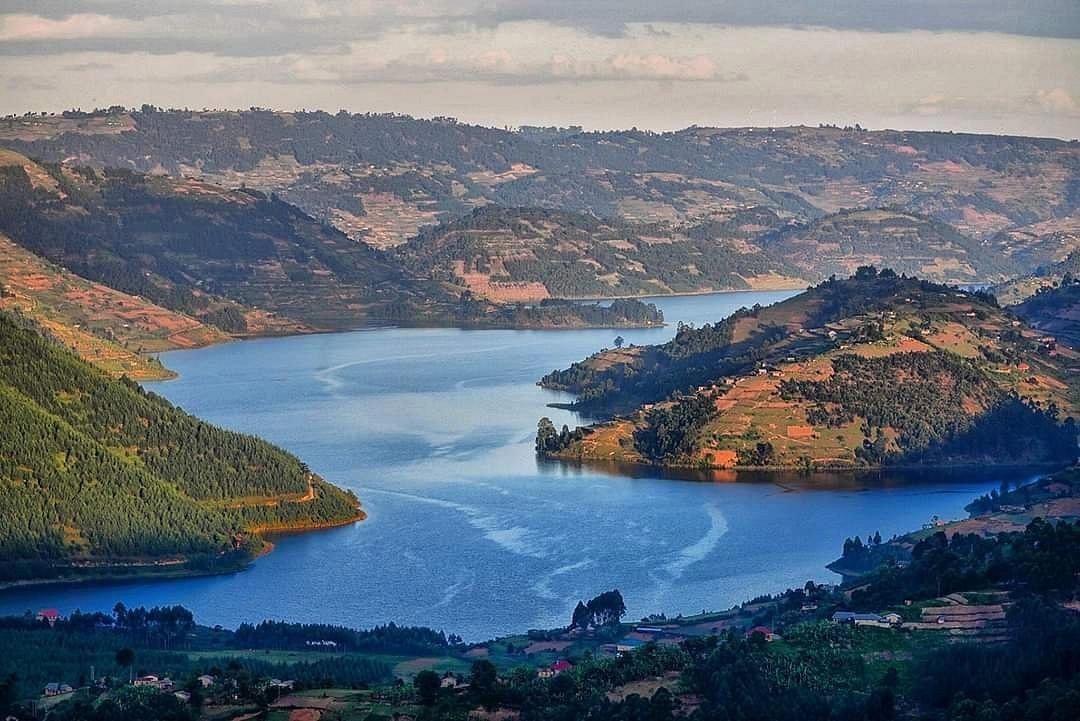
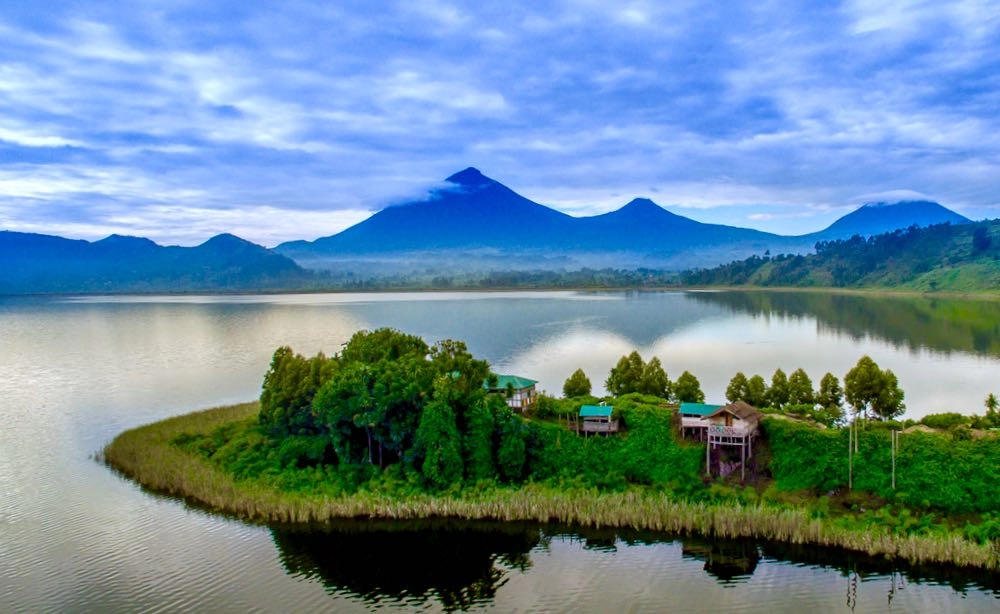
The stunning landscapes and animals of Uganda earned it the title "Pearl of Africa." Among the best places to visit are Bwindi Impenetrable National Park (where mountain gorillas live), Queen Elizabeth National Park, Murchison Falls National Park, Lake Victoria, Kampala City, and Jinja, which is the source of the Nile River. Urban among the attractions is white-water rafting and hiking in the Rwenzori Mountains for thrill seekers.
Uganda's prime timing coincides with the dry seasons, during the months of December to February and June to September, which are characterized by easy access to roads and excellent wildlife viewing opportunities. Gorilla trekking, too, is at its peak during these months due to the less muddy trails.
Uganda has a peak tourism period in the dry seasons, which are December through February and June through September. This is when remoteness and proximity of wildlife are the best for the tourists' eyes. So, if you decide to go for gorilla trekking, it would be easier as the muddy paths would be less.
Uganda is in most cases safe for tourists, especially in and around the national parks and within the major towns. The locals are very friendly and hospitable. However, it is recommended to be accompanied by a guide in the wilderness, not to walk alone at night and observe the general safety measures when travelling.
The culture of Uganda is warm, diverse, and greatly influenced by traditions. Travelers can witness the various forms of traditional dancing, music, and making crafts in different parts of the country. Ugandan food includes such delicacies as matoke (cooked bananas), rolex (a rolled chapati with eggs), luwombo (meat or chicken stew), and a variety of fresh tropical fruits. It is very common in Uganda to share food with people and feel their hospitality, which has been the core of Ugandan life together with food.