 Places to see
 Top Destinations
  Things to do












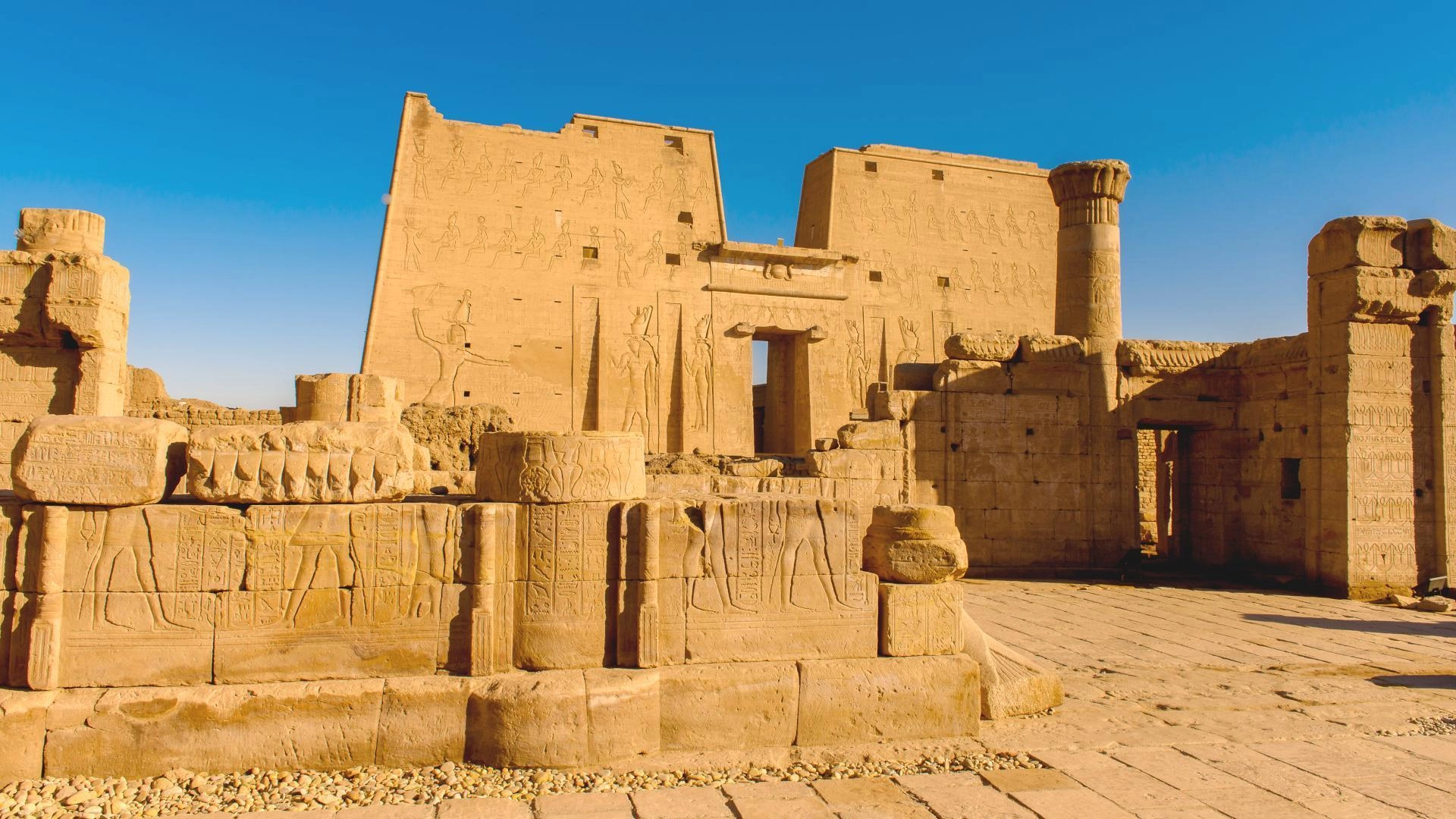
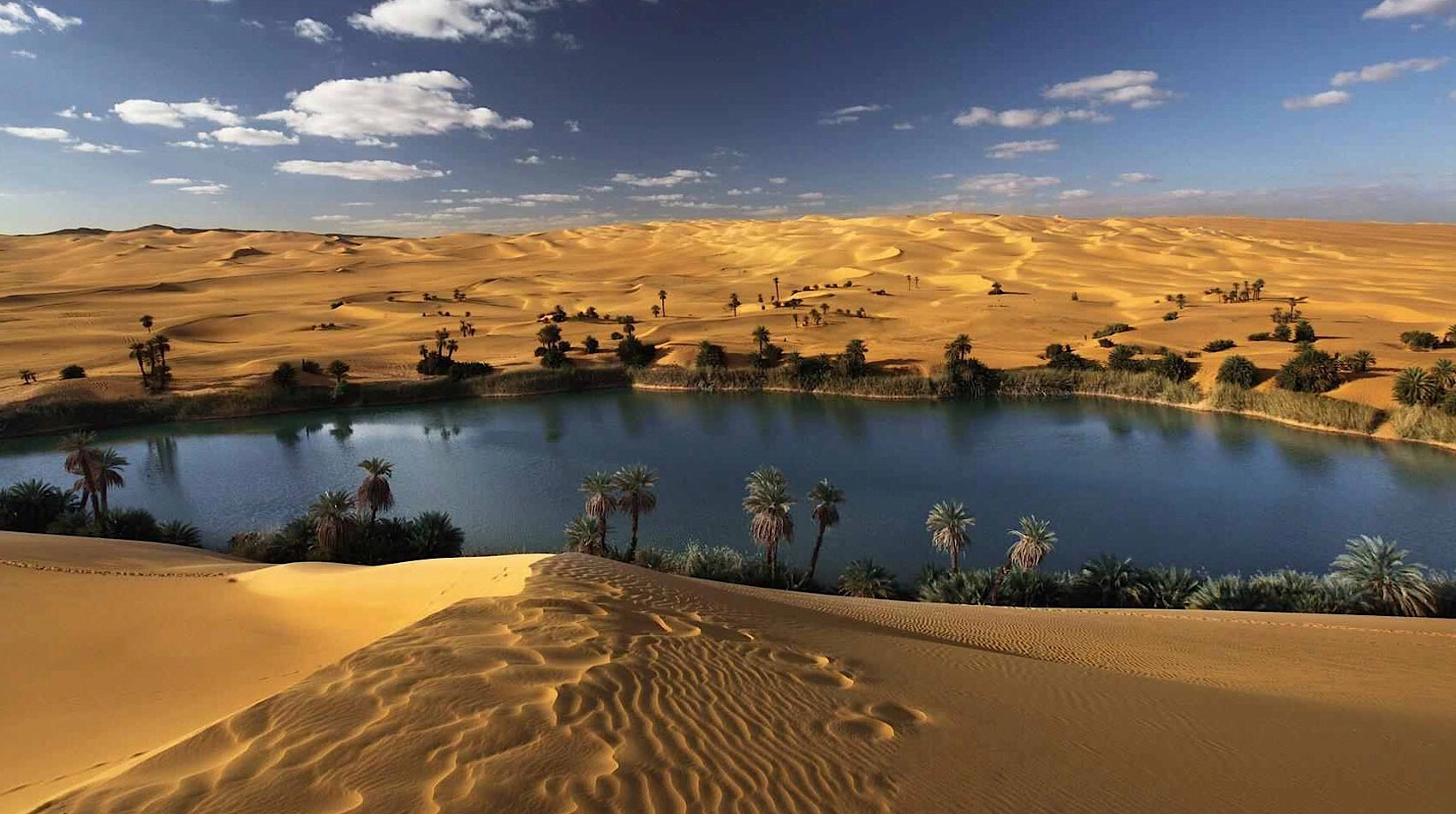
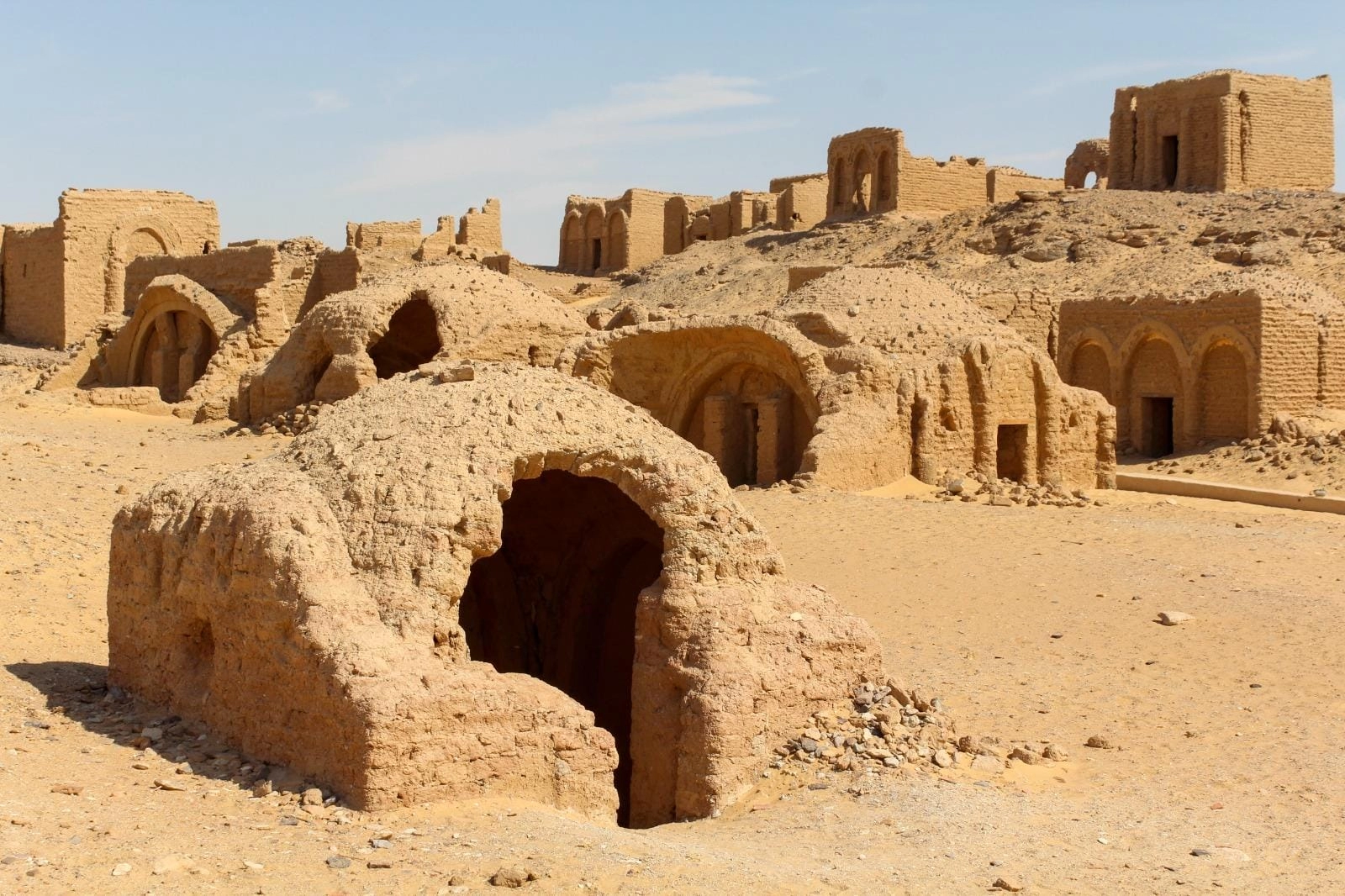
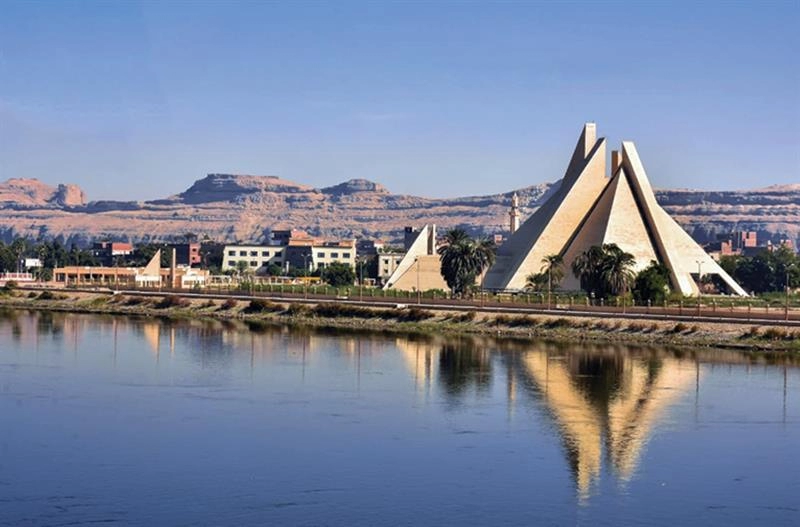
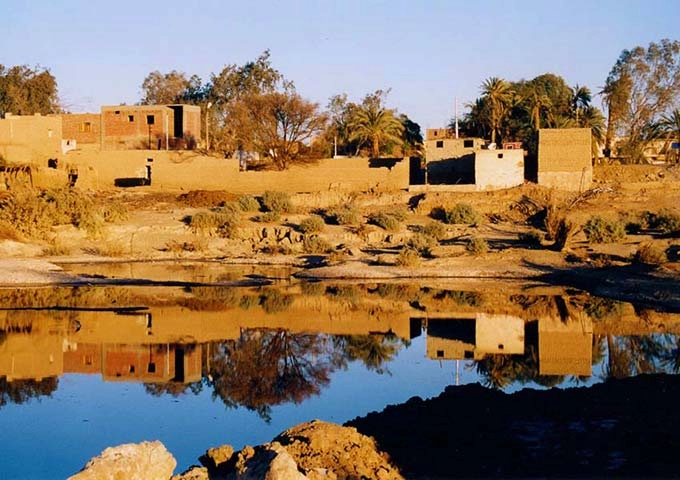
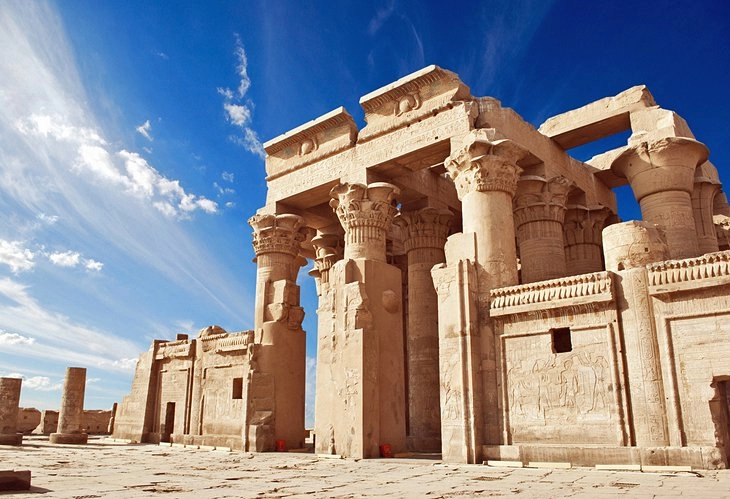
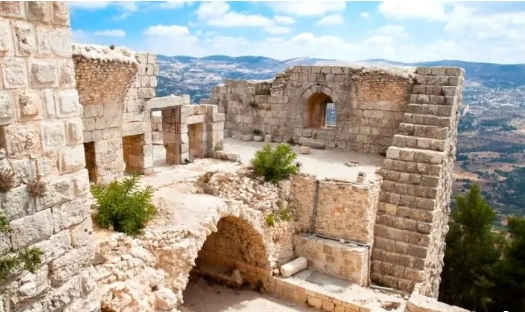
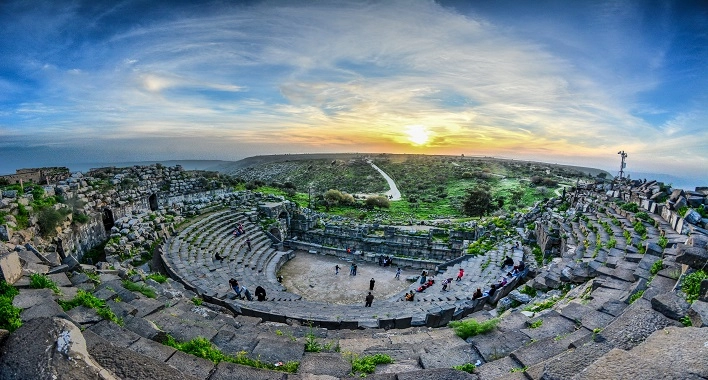
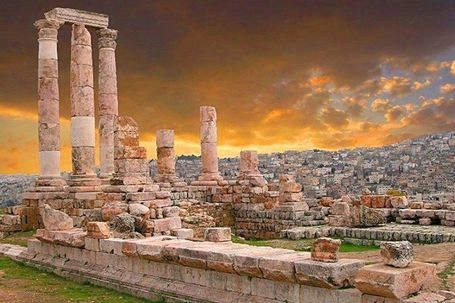
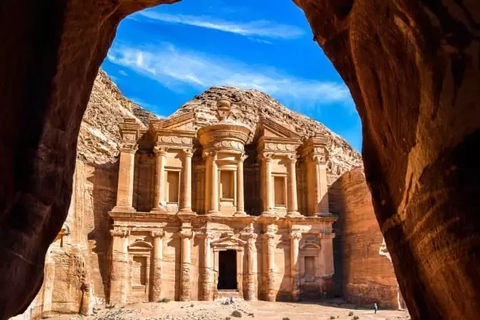
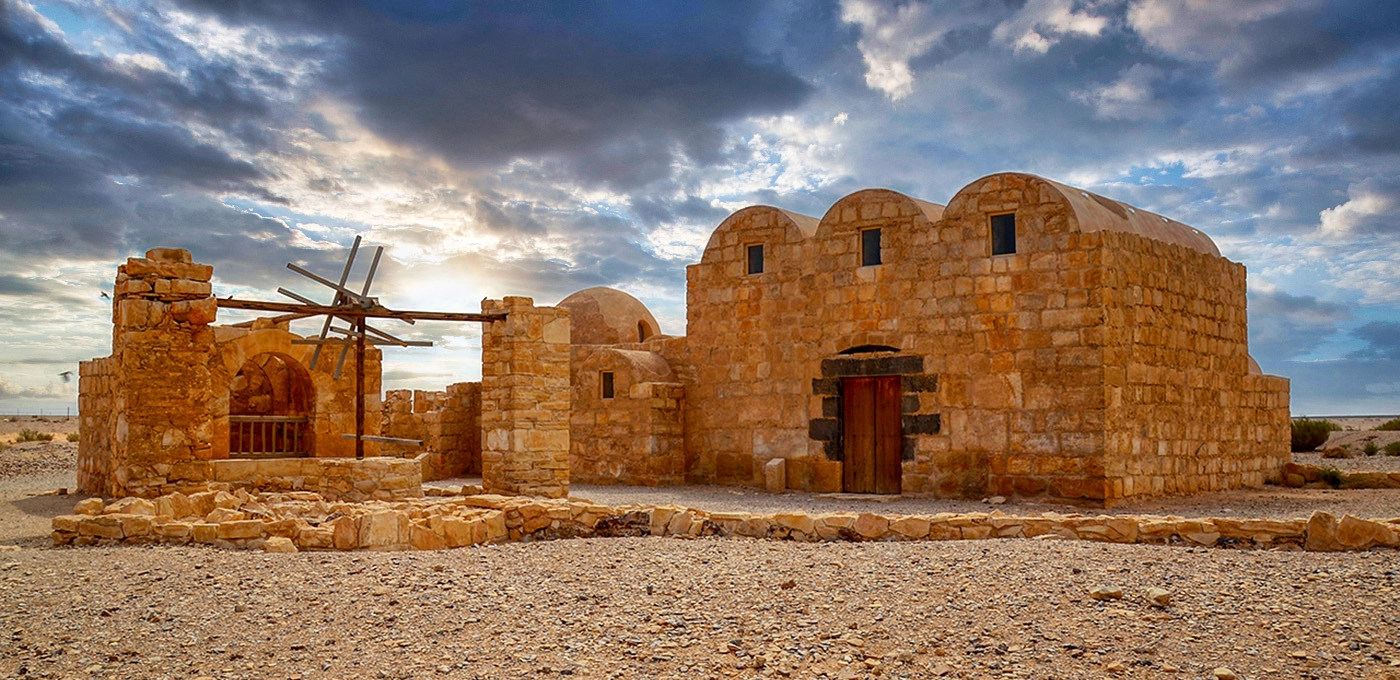
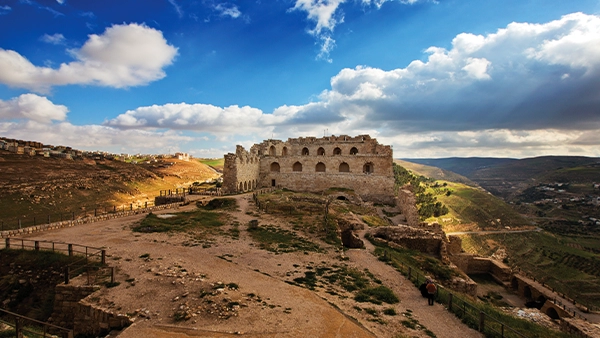
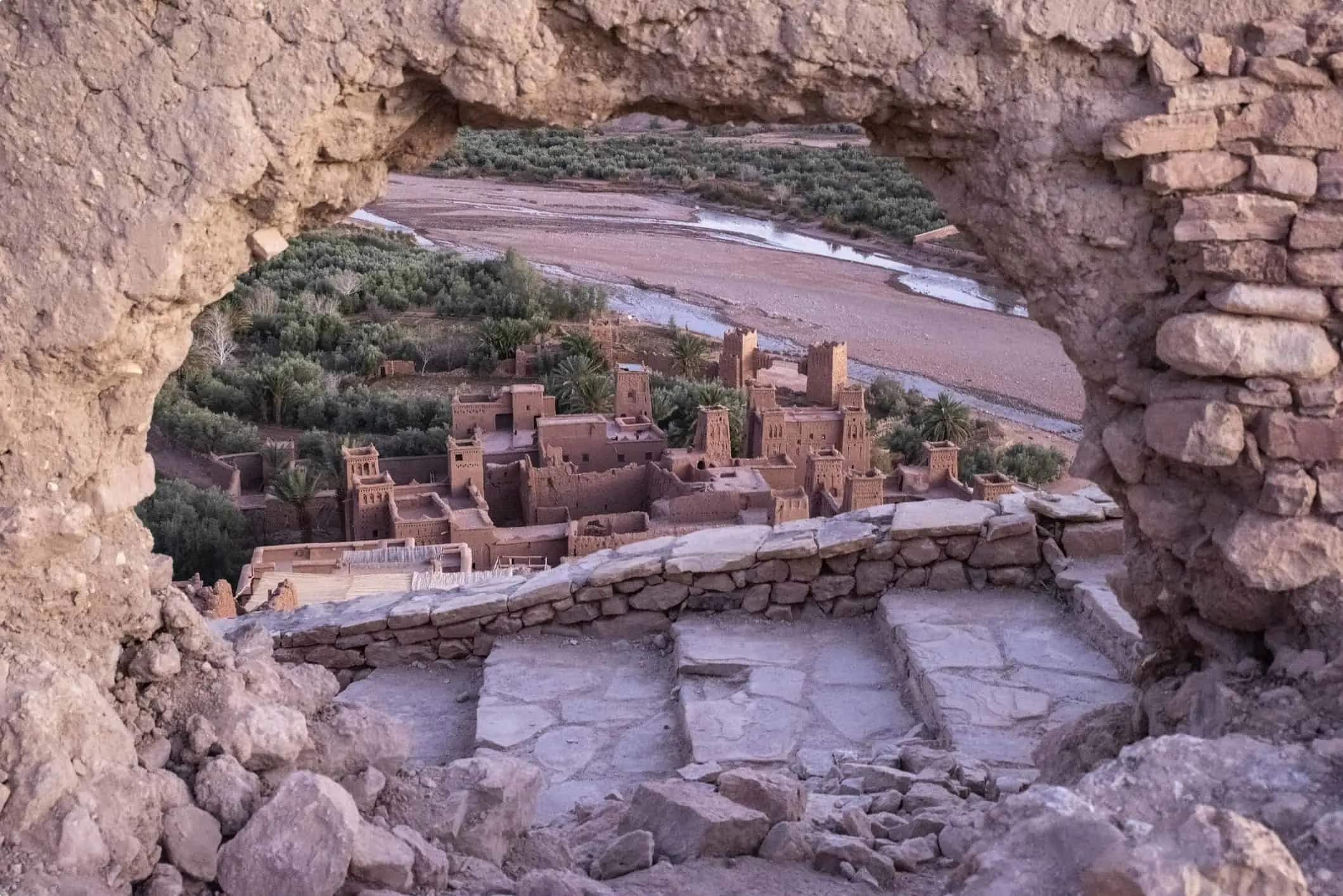
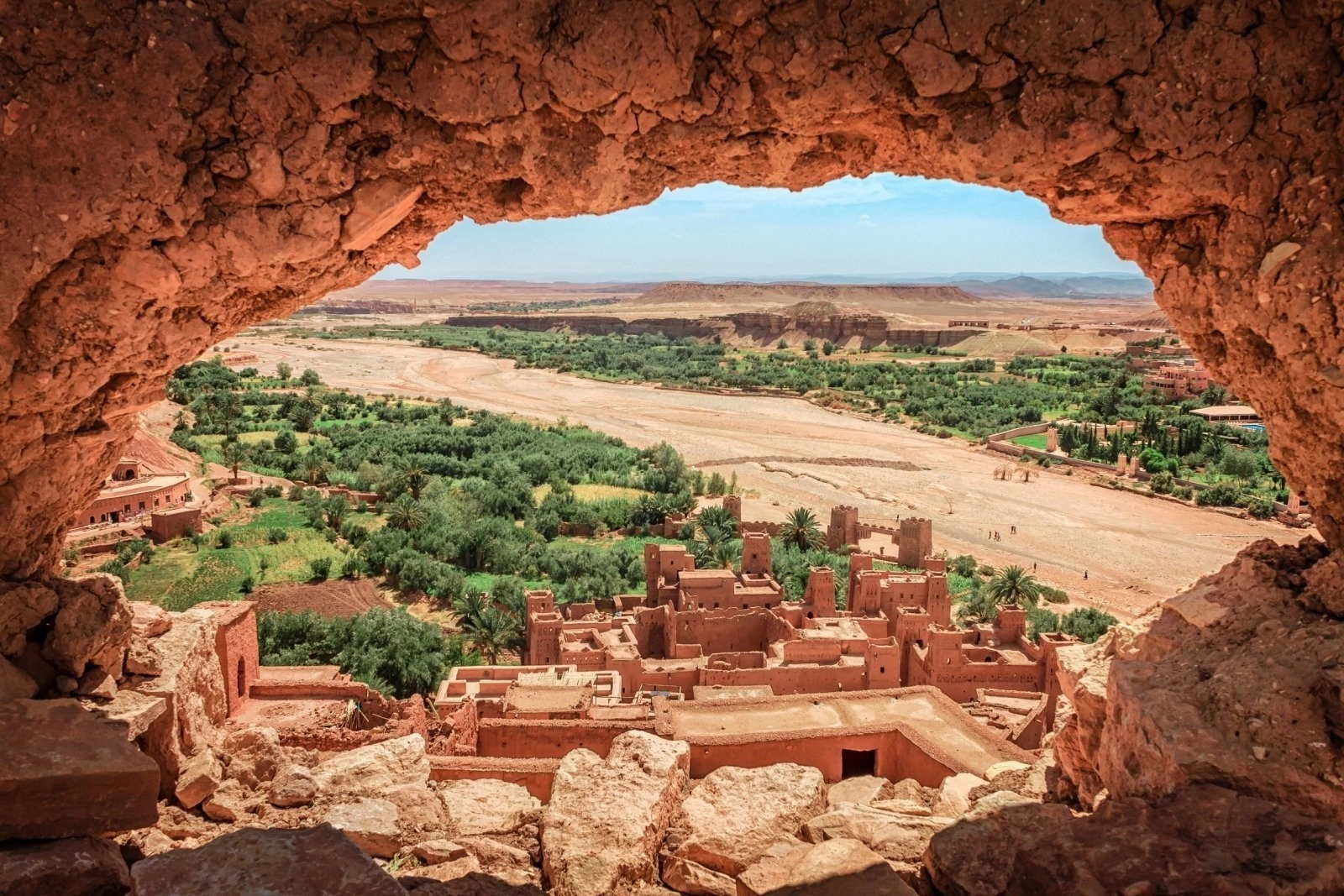
Aït Ben Haddou Village is an unbelievable representation of a classic Moroccan ksar, or fortified village, situated on the ancient trans-Saharan trade route between Marrakech and Ouarzazate. The village, which has been recognized as a UNESCO World Heritage Site, is made entirely out of mud bricks and clay, consequently, it visually fits perfectly with the rest of the desert landscape. Aït Ben Haddou was a crucial stopping point for the caravans of gold, salt, and spices for a number of centuries. But now, it has become a monumental symbol of Morocco’s architectural heritage, cultural endurance, and film industry popularity.
What Is a Ksar?
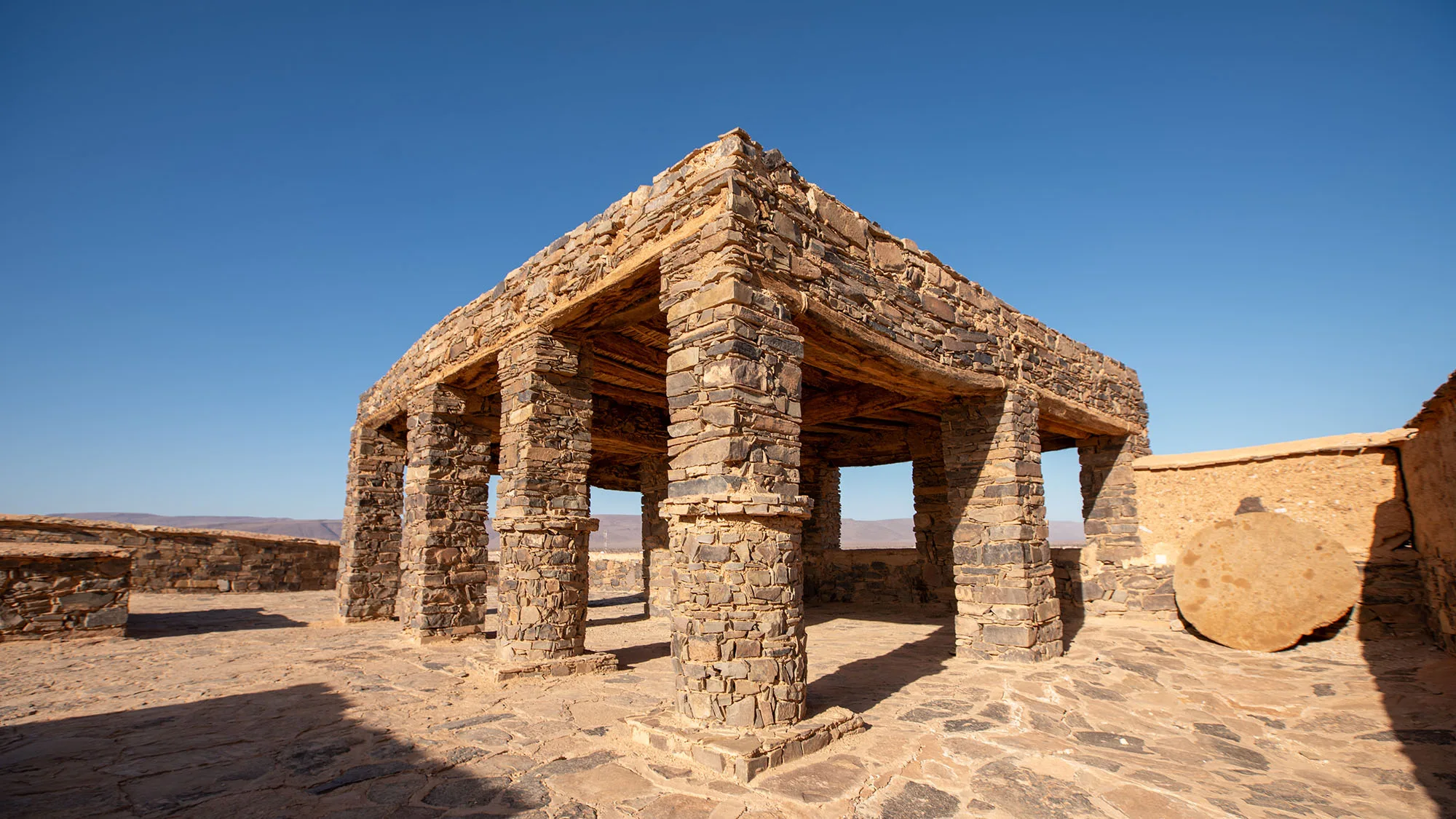
A traditional fortified village in the southern region of Morocco. It was constructed for the purpose of being protected, for trade and for community living. The settlement consists of residential houses, storerooms for grains, mosques and defensive towers.
History & Cultural Importance
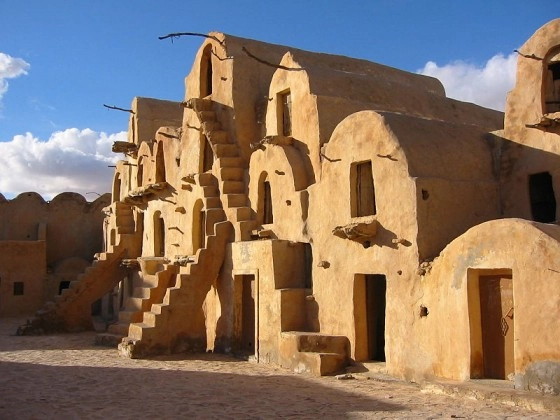
The ksar origins go back to the 11th century. It was a the main station on the trade routes for caravans since the earliest times. Heavy Berber cultural influence was present in that area.
Architecture & Design

The main material for construction was mud-brick and clay. There were houses with different floors and corner towers. The walls were for both, defense and decoration.
Exploring the Village

There are alleyways and steps that are very narrow. There are high points from which one can see the whole valley in addition to panoramic vistas. The village has its new and traditional houses and living areas.
Film & Media Fame
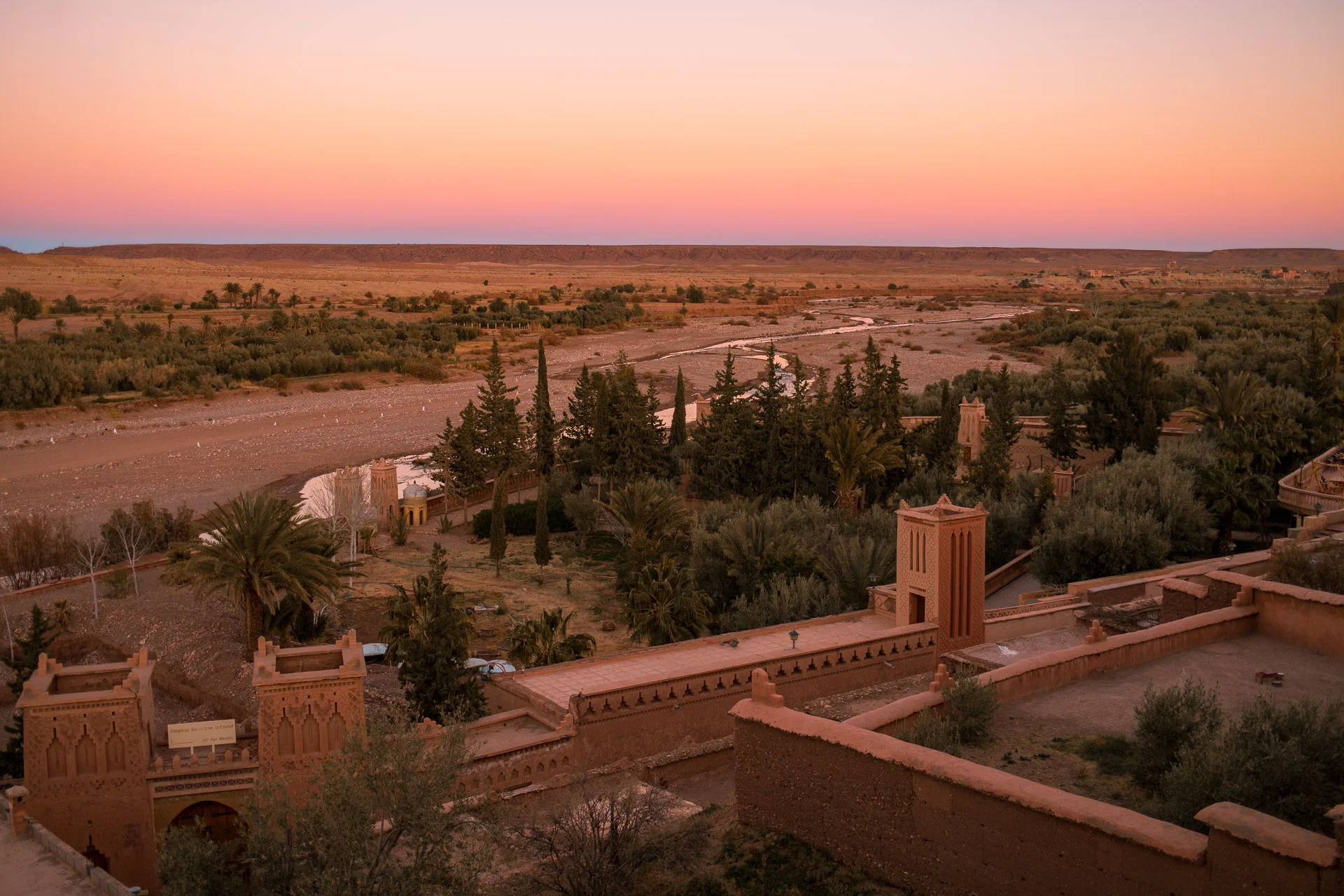
Aït Ben Haddou Village is one of the most popular locations for international cinema and TV series to shoot, thereby increasing its visibility worldwide.
Visiting Aït Ben Haddou
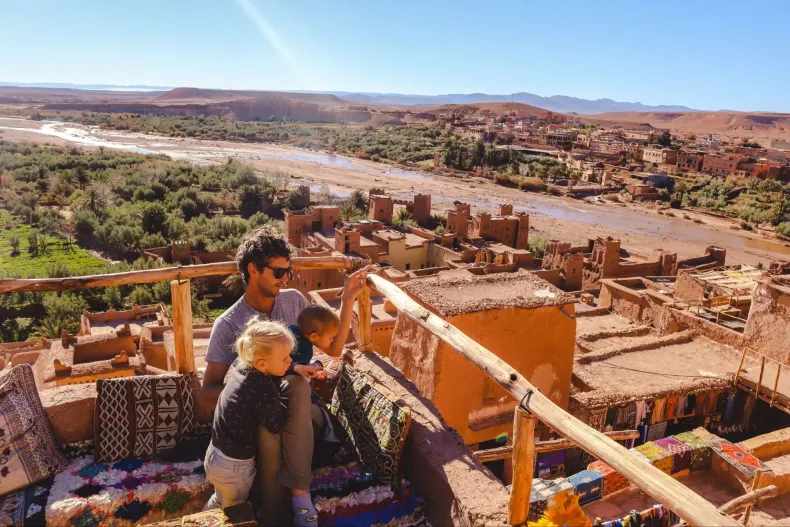
What a coincidence! It is located next to the city of Ouarzazate, the southern part of Morocco. The length of stay: one to two hours is sufficient for the visit. The place can be reached either by foot on the river crossing or through the bridge.
Best Time to Visit
Spring and Autumn: The climate is moderate. Morning or Late Afternoon: Less crowded and best light for photography.
Travel Tips
Use good climbing shoes while traveling the paths. Carry water and sun block. Be friendly to the people who live there and do not enter the areas that are protected.