 Places to see
 Top Destinations
  Things to do











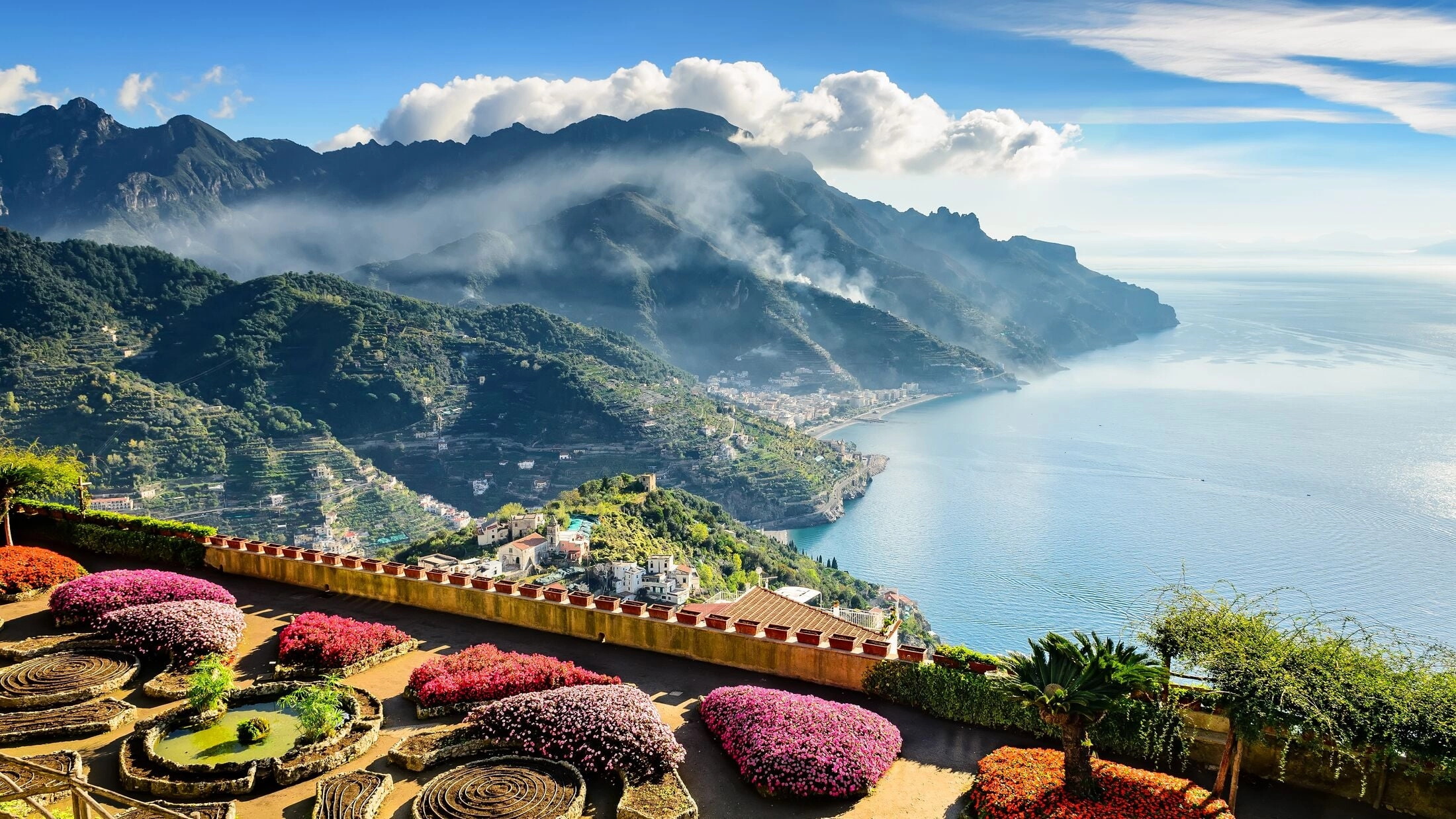
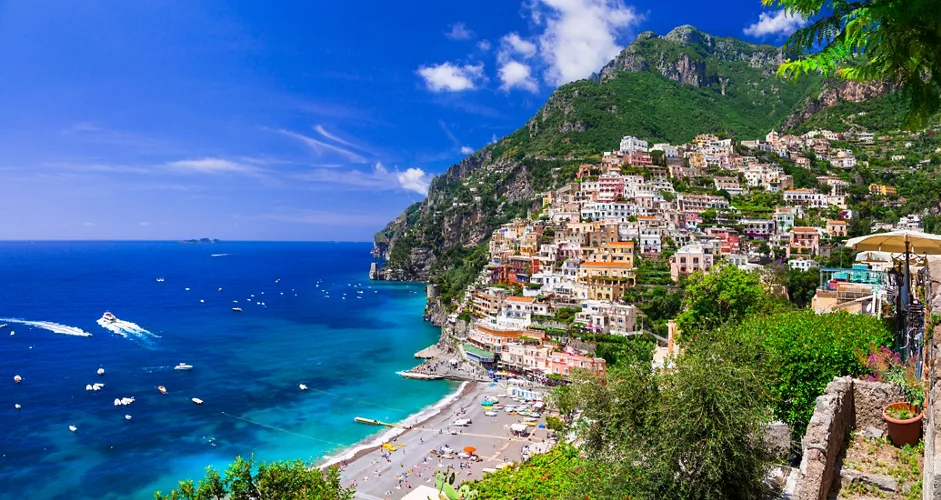
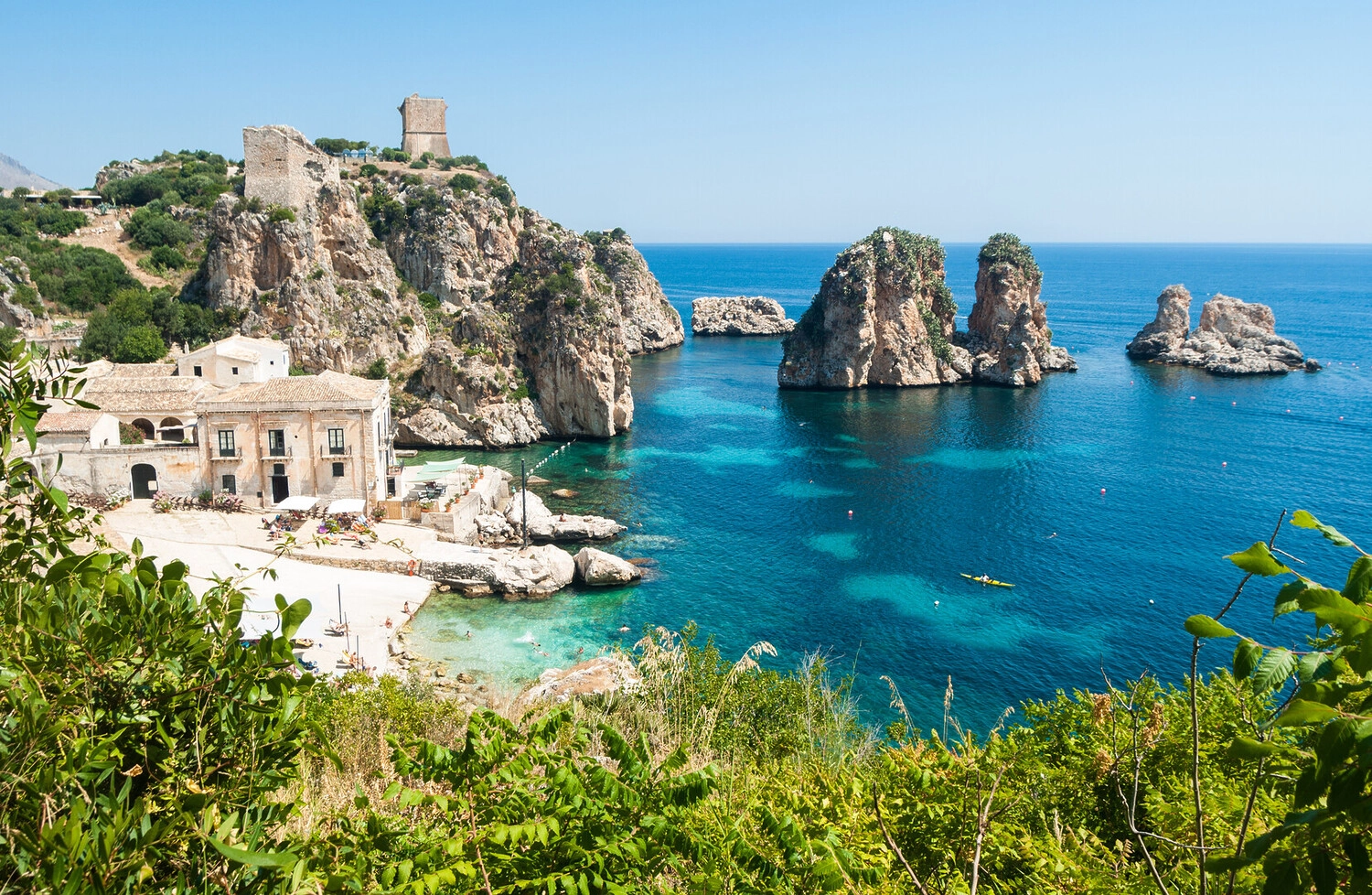
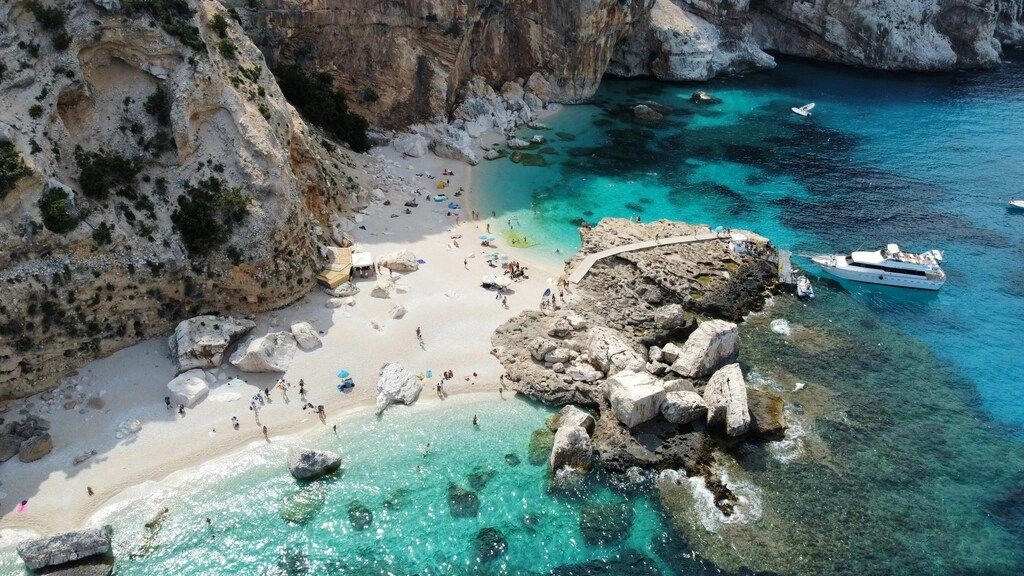



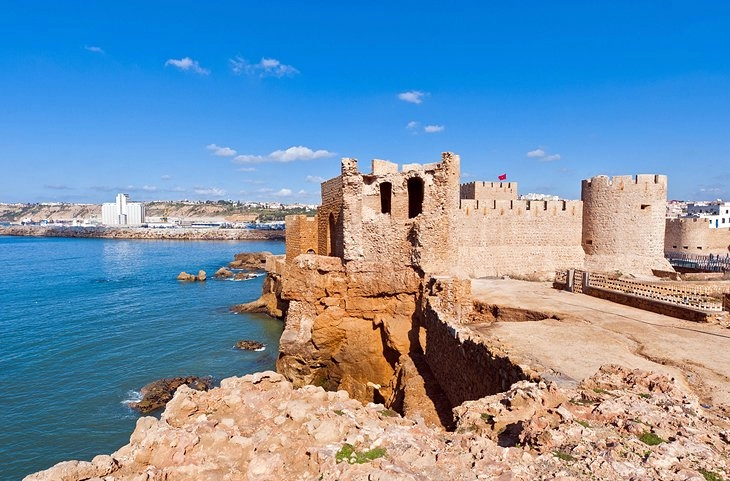
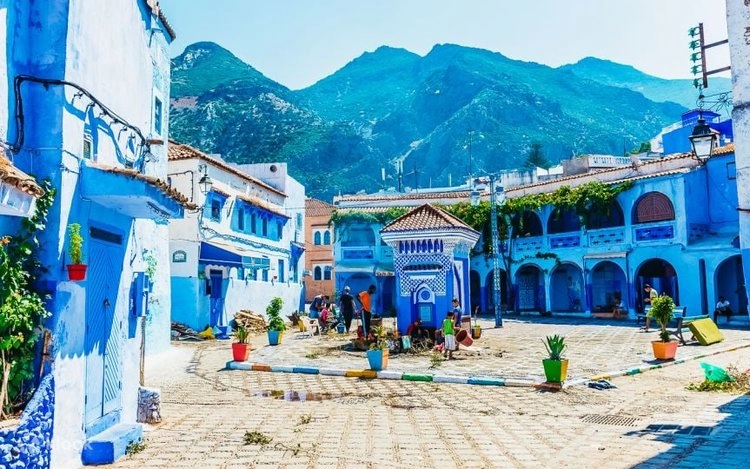
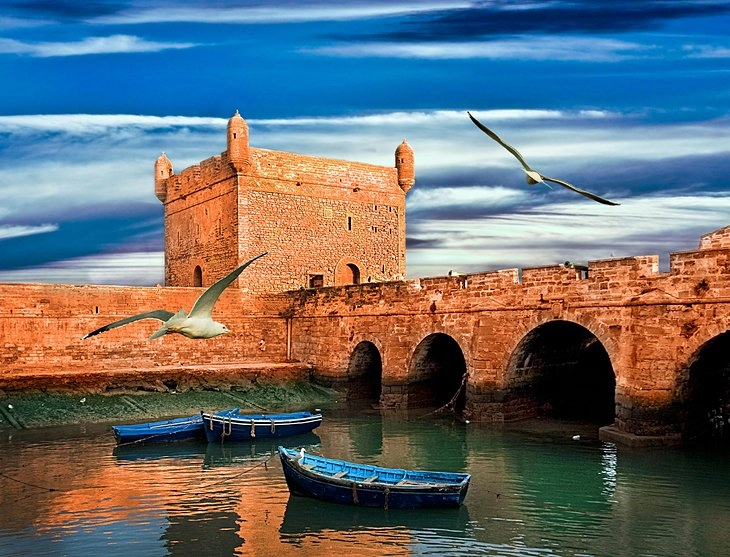
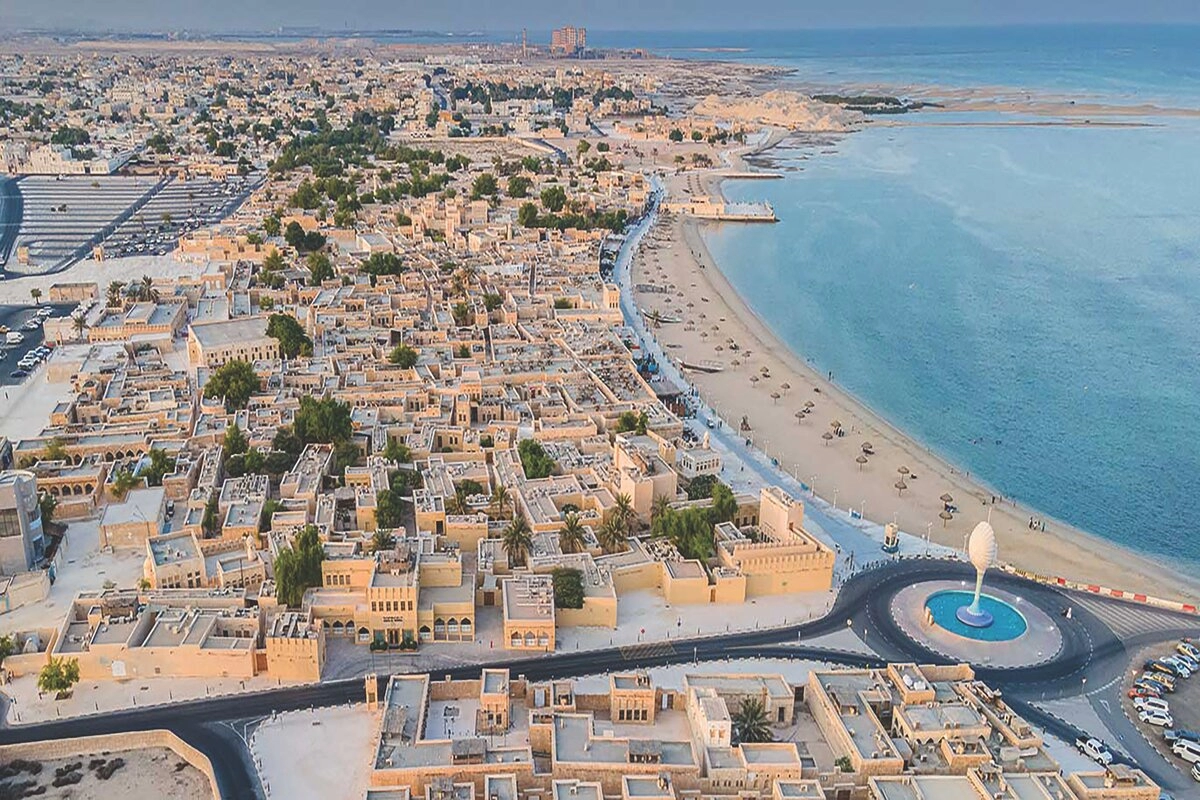
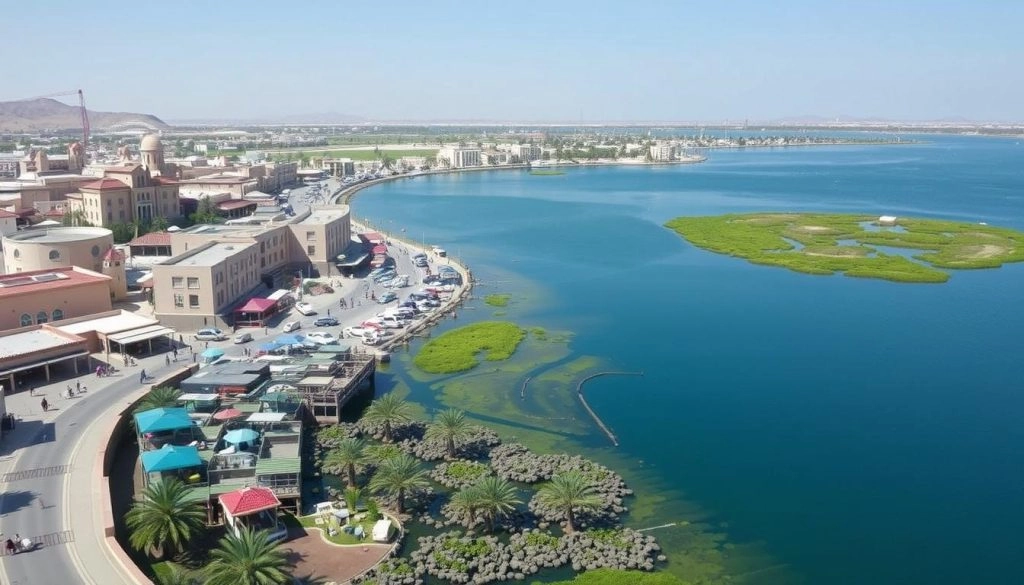
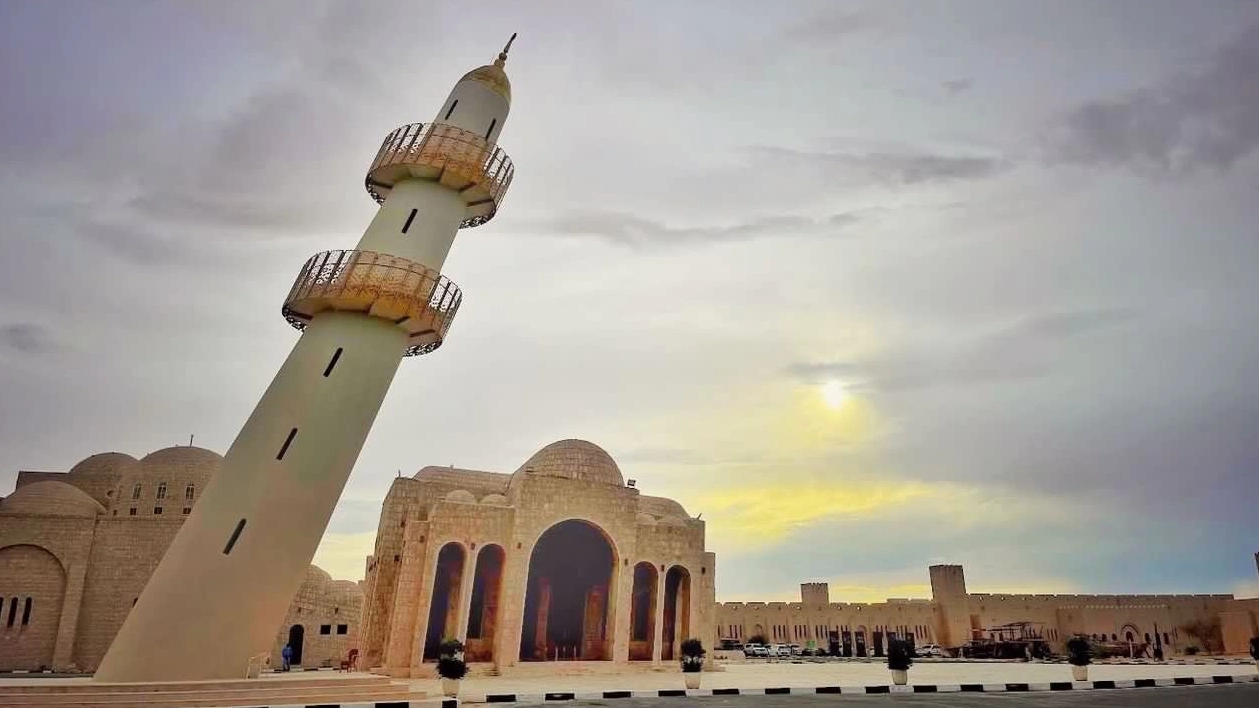






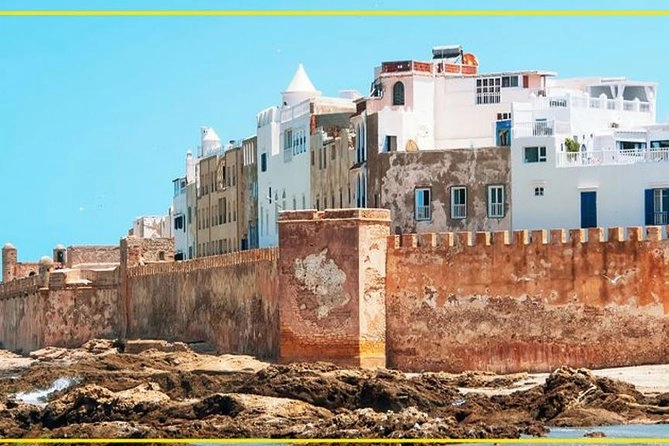
The UNESCO-listed Essaouira Medina is a remarkable example of Morocco's coastal cities, which preserves their history and culture and, on top of that, has been called to a global audience through its rich and varied influences. The fortified walls of the 18th century, the merchants and the shoppers in the souks, and the blend of Portuguese, French, and Berber cultures all make the medina irresistible for a short but very informative trip through Morocco's maritime history. Typical of the atmosphere created by the medina’s alleys, whitewashed houses with blue details, and the constantly busy and noisy fishing port, the local craftsmen, musicians, and chefs all come together to create an authentic coastal atmosphere right in the middle of the city. It is definitely a place that attracts not only the curious who want to get their hands on the real local experience but also history lovers, photographers, and all other travelers in general needing an authentic Moroccan experience.
History & Cultural Significance
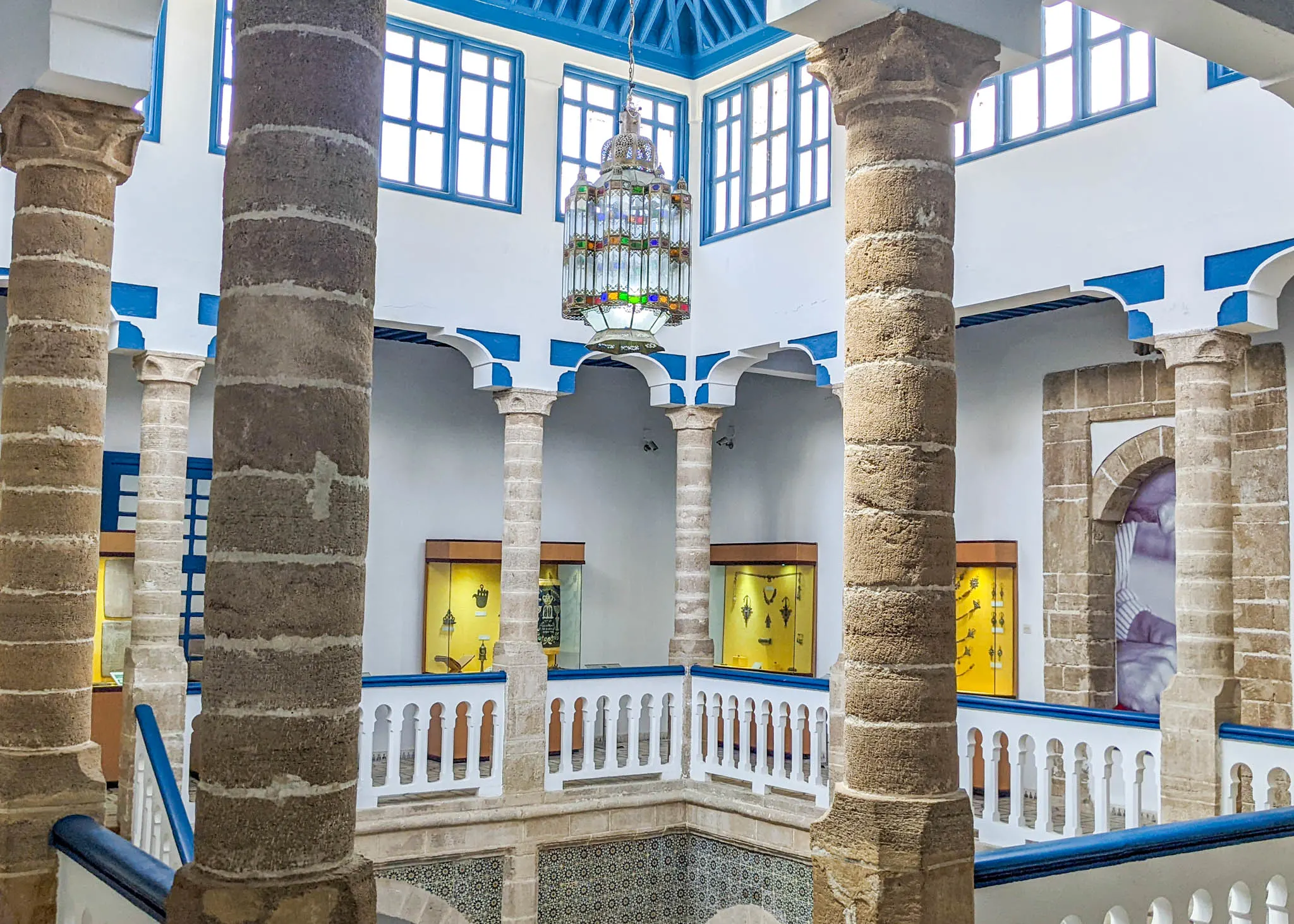
Sultan Sidi Mohammed ben Abdallah established the city in the 18th century. The city was a melting pot of cultures: Portuguese, French, and Berber. It was listed by UNESCO as one of the places of historical and architectural preservation.
Architecture & Fortifications
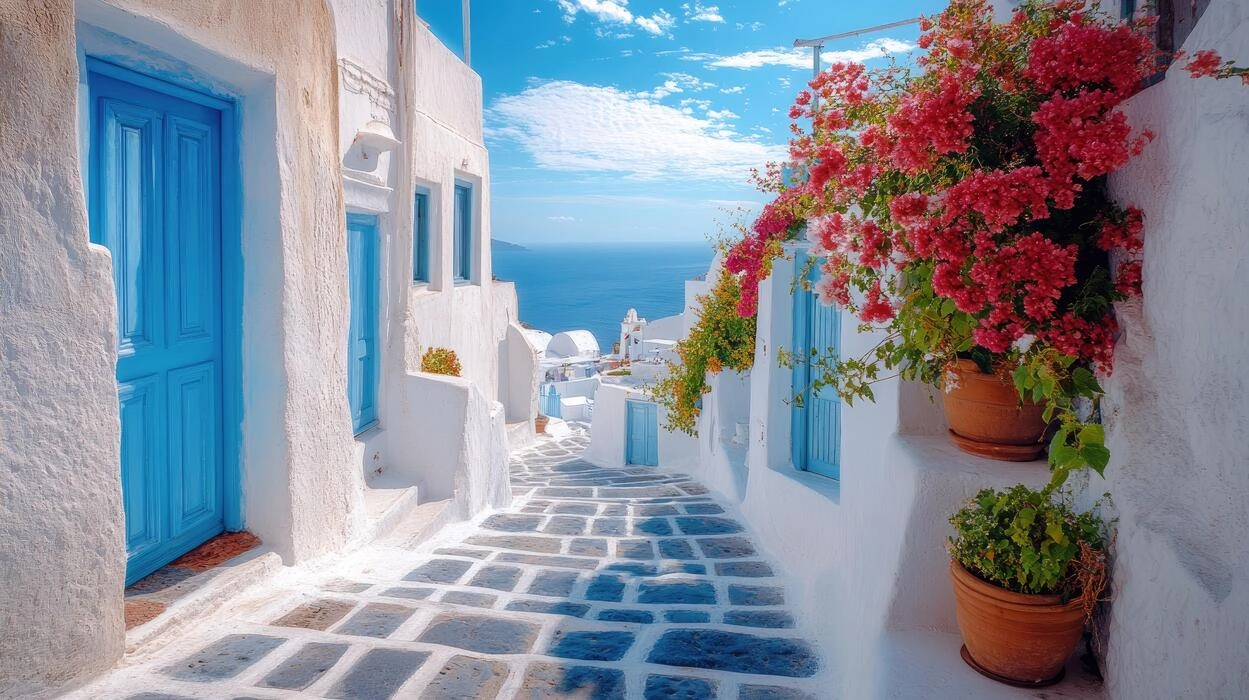
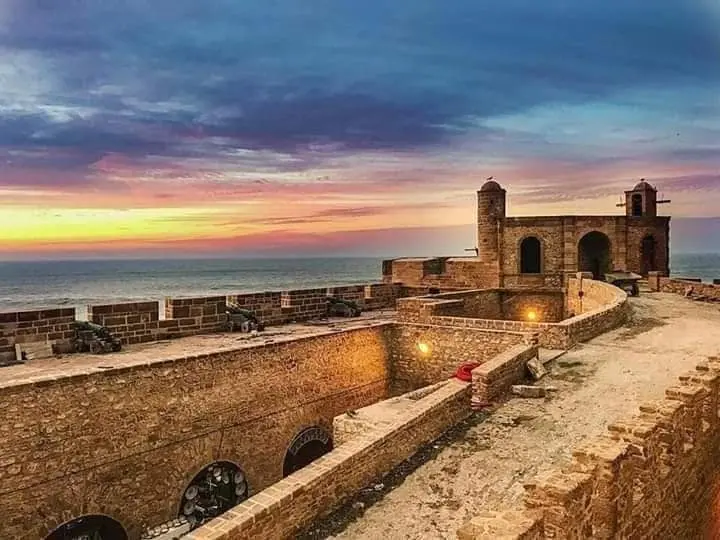
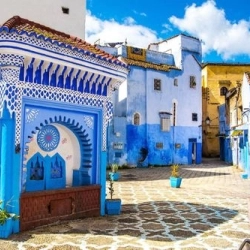
The Atlantic ocean was dominated by the city’s strong walls and bastions. There were whitewashed houses with blue doors and shutters. The narrow winding streets served both as a defensive measure and a place for trade.
Souks & Local Crafts
The markets were full of spices, textiles, and traditional crafts. The craftsmen dealt with wood, silver, and ceramics. The visitors had the chance to see the process and to buy the souvenirs.
Coastal Charm & Port Life
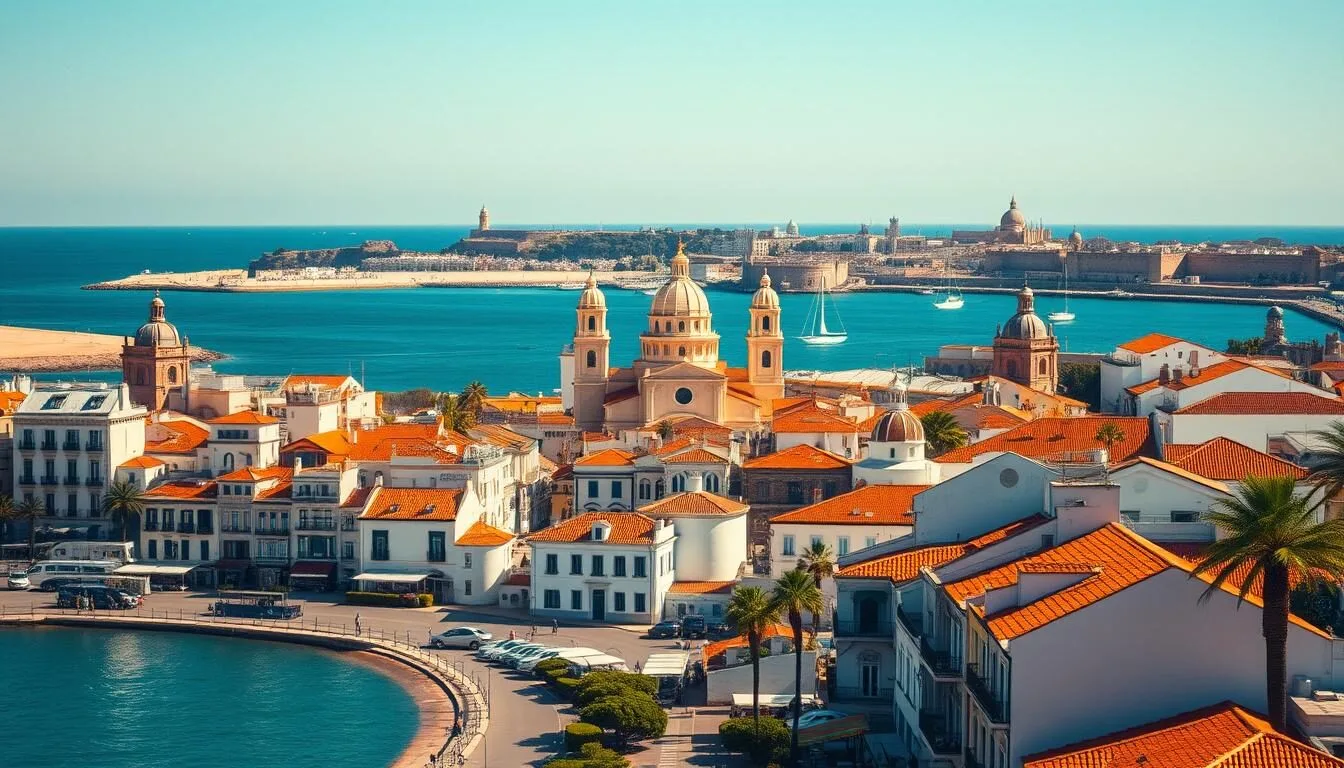
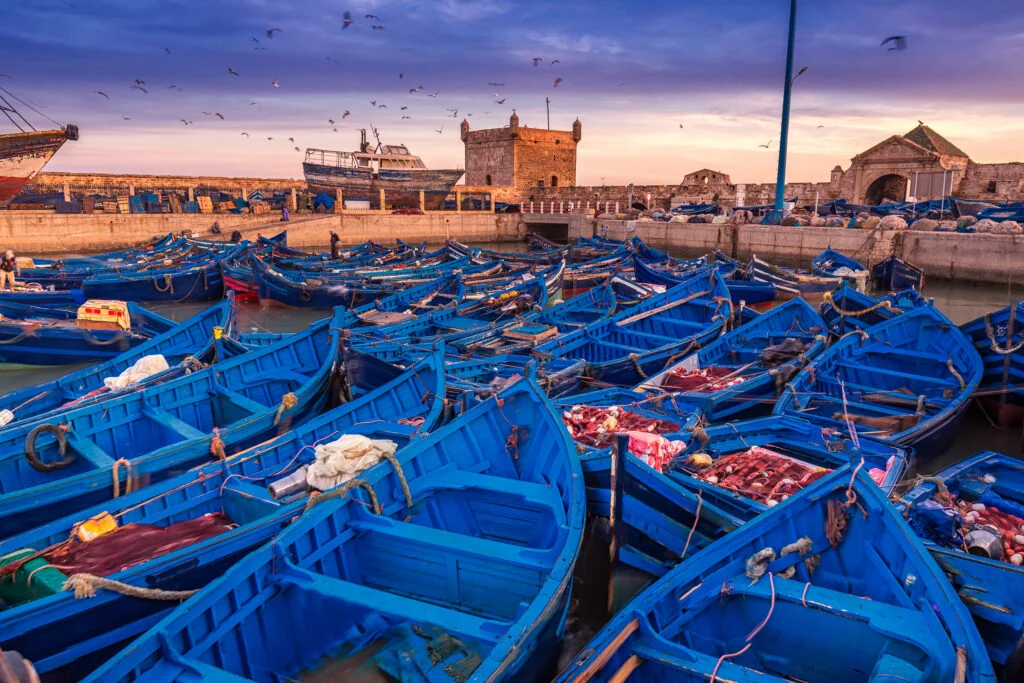
The fishing port was historic with colorful daily activity. The seaside cafes and the fresh seafood were all part of the trip. The ocean was dramatic and the promenades were picturesque
Cultural Activities & Festivals
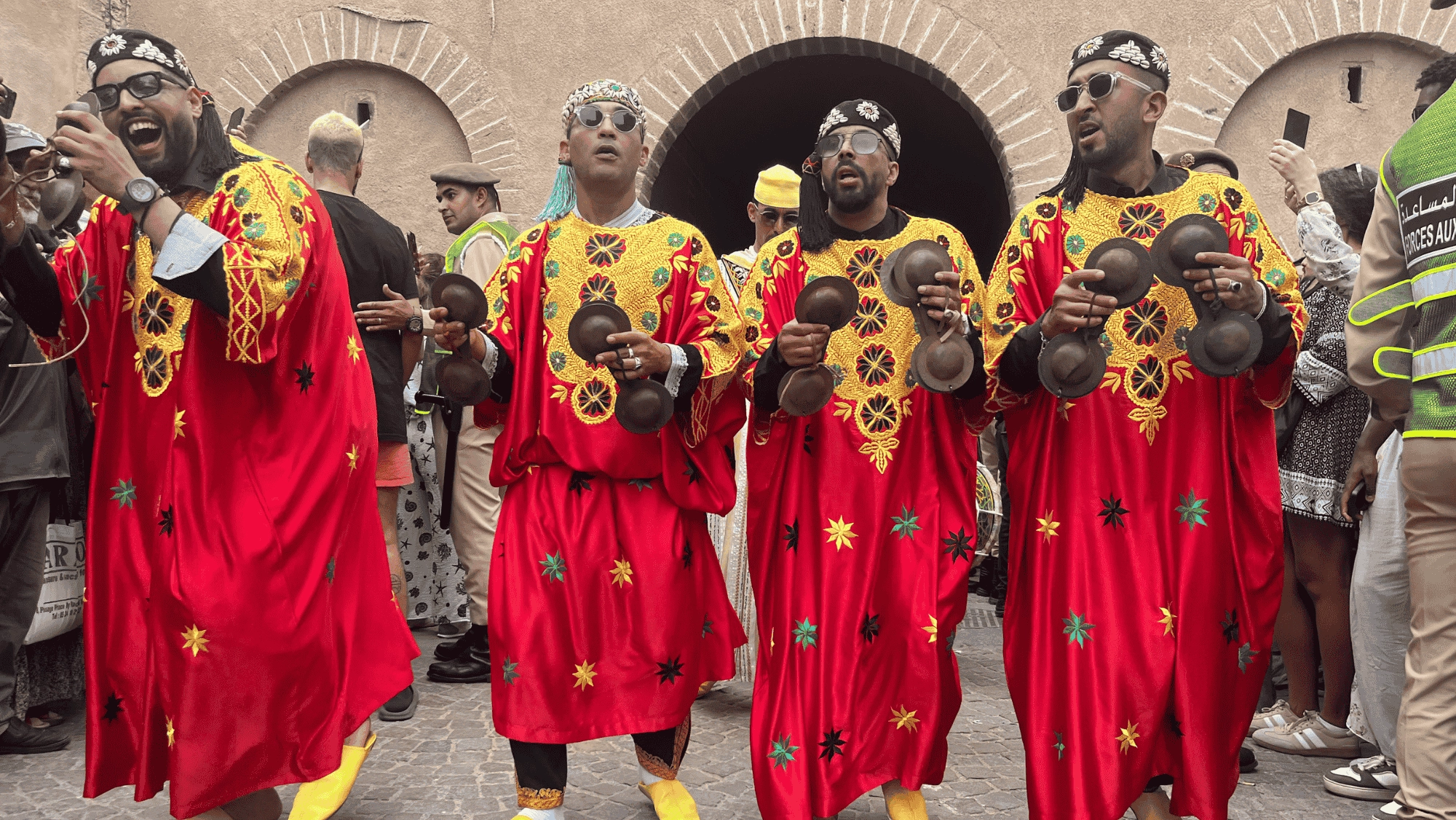
Gnawa music was performed and cultural events took place. The Moroccan food was first-class and street food was just as good. The workshops and the art galleries were inside the medina.
Best Time to Visit
Spring (March–May): Nice weather and not so many tourists. Autumn (September–November): Pleasant temperature and festivals. Summer: Lively atmosphere but crowded
Visitor Tips
Comfortable footwear is a must for walking on the cobbled streets. Haggle with kindness in the souks. Go to the places early morning or late afternoon for less crowd. Travel to nearby beaches and Essaouira walls along with your visit.