 Places to see
 Top Destinations
  Things to do




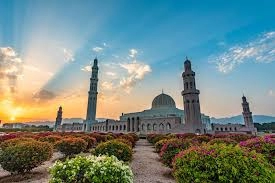






























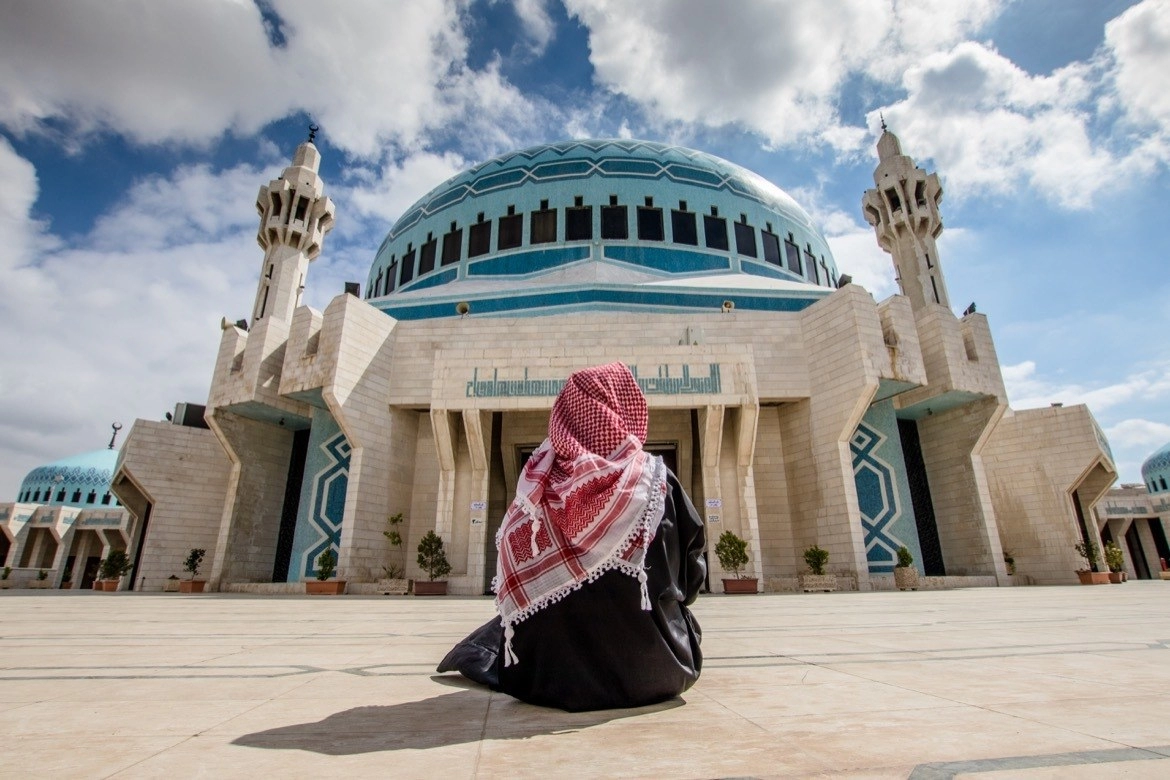







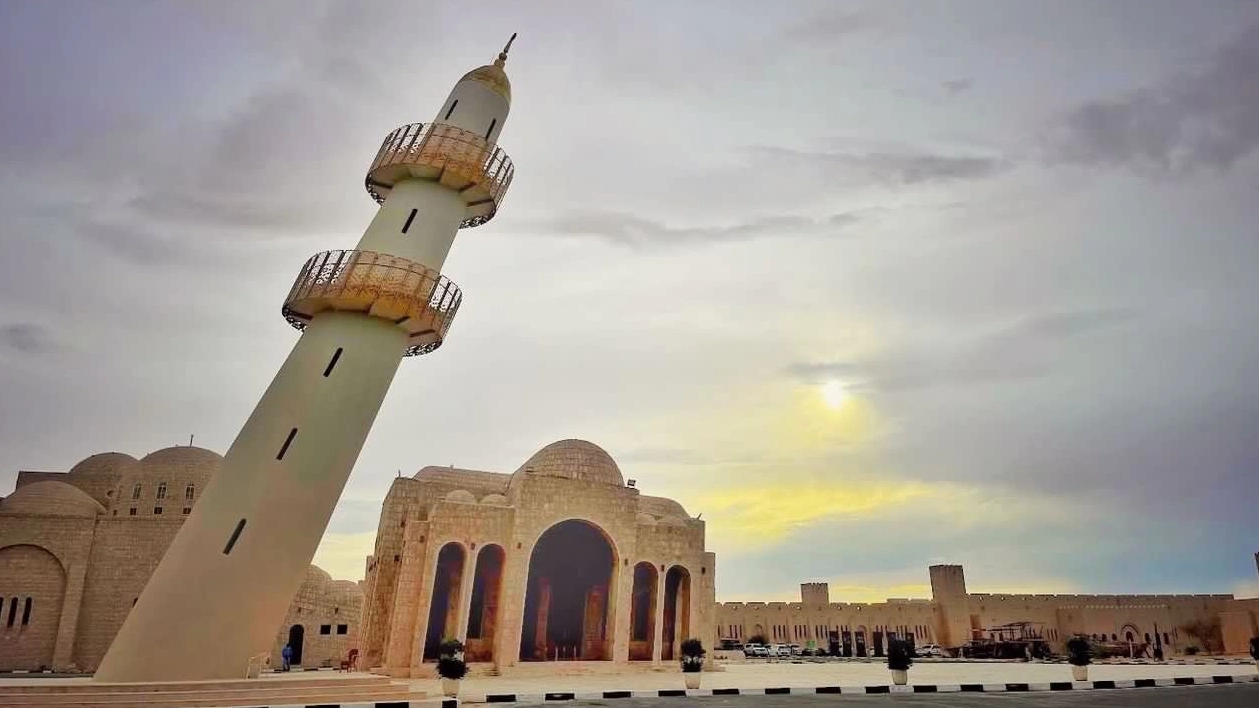












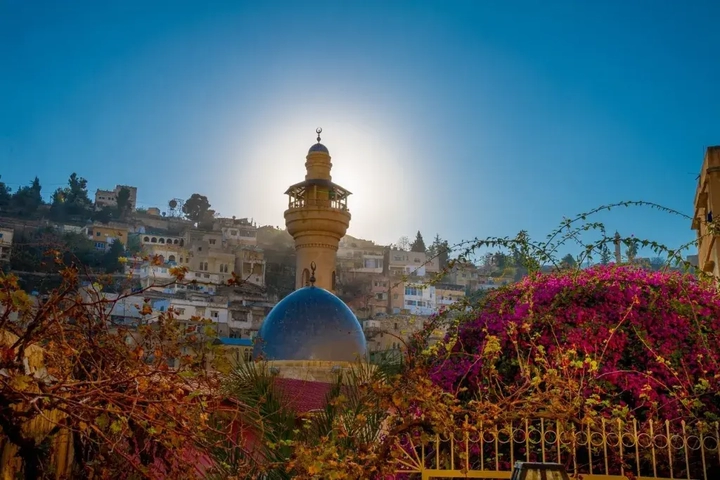
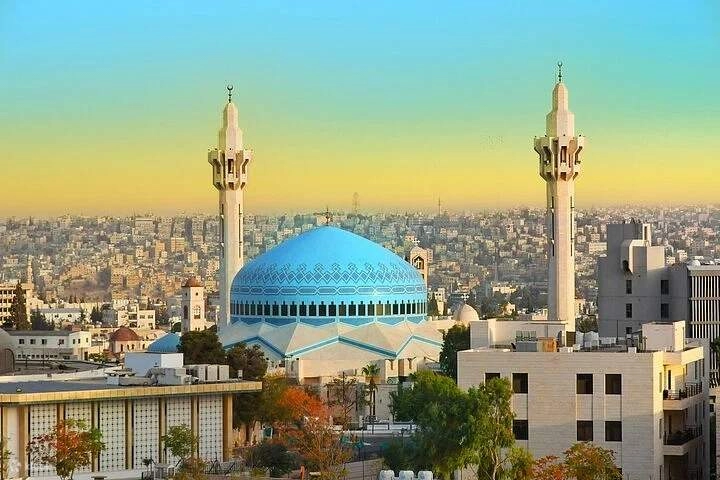
The King Abdullah I Mosque is one of the most recognizable landmarks in Amman and a principal center for Islamic worship in Jordan. The construction of the mosque started in 1986 and was finished in 1989, it is named after the first king of Jordan. The mosque is widely known for its massive blue dome, white stone wall, and the presence of other classic and modern Islamic architectural features. The mosque can hold more than 7,000 people and allows visitors of all religions into its premises except during prayer time. The prayer hall is decorated with colorful mosaics, marble flooring, and wonderful calligraphy. The courtyard and gardens of the mosque give a peaceful place for contemplation, while its position in the Al Weibdeh area makes it convenient for tourists to visit after they have explored the city.
Historical Background
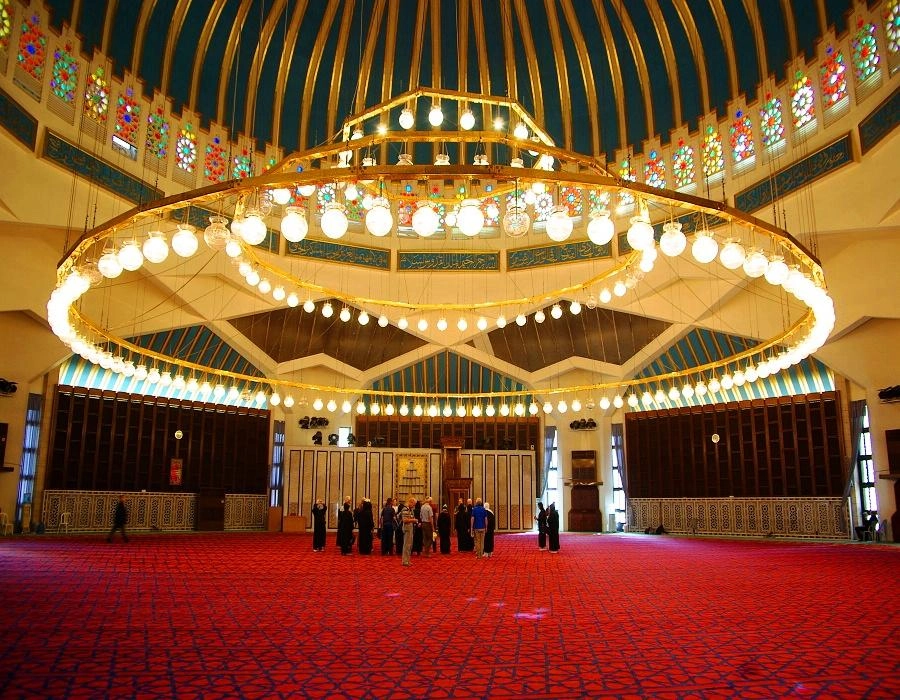
The mosque received the name of King Abdullah I, the King of Jordan. It was finished in 1989 and was intended to be a central mosque in Amman. The mosque structure is a mixture of the classic Islamic style and modern construction methods
Architecture & Design
Large dome covered with blue tiles and the outer part made of white stone. Prayer hall for 7,000 worshippers, marble flooring, stained glass windows, and Islamic calligraphy. Open courts and gardens accessible to the public.
Visiting the Mosque
It is a non-Muslim visitors’ area during the prayer times. Women have to wear a long-sleeved dress and a headscarf. It is mandatory to take off shoes before entering the prayer areas.
Scenic Views & Photography
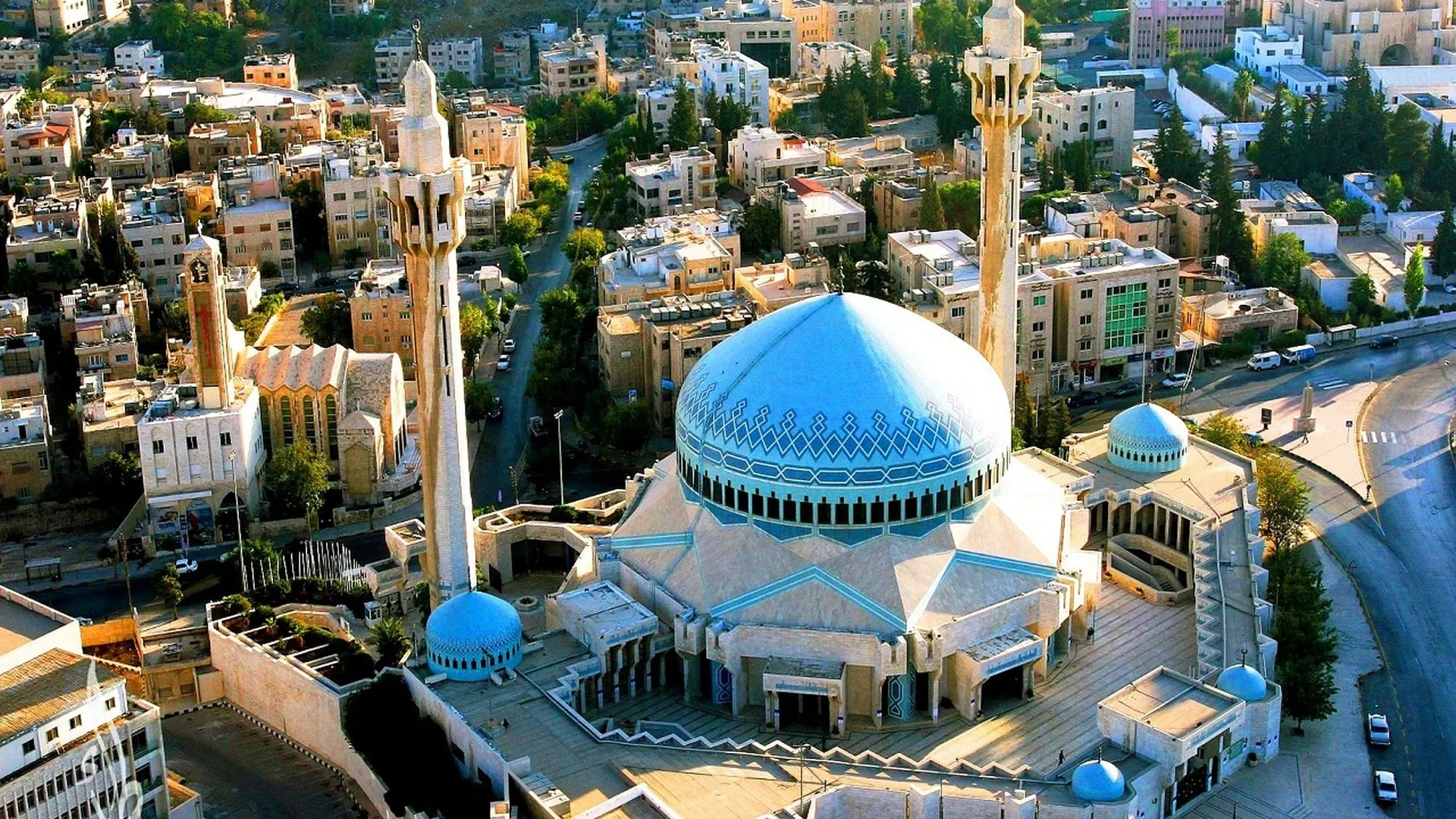
The mosque is situated on a hill where one can see the whole city of Amman. The mosque’s bright and beautiful design attracts photographers. A visit at the time of night allows the visitors to see the blue dome lit up.
Location & Accessibility
The mosque is in the Al Weibdeh area of Amman. The mosque can be reached easily by a car, taxi, or walking from the downtown area. The mosque is near cafes, galleries, and cultural areas. The King Abdullah I Mosque is incorporated into a lot of Jordan tour packages, which makes it an attractive place for tourists who are visiting the cultural and religious sites of Amman.
Best Time to Visit
The morning is the best time to visit if you want to avoid crowds and enjoy a tranquil atmosphere. The late afternoon is good for taking photos since the light is very soft. Visiting on weekdays is better than on weekends because the place is less crowded.
Visitor Tips
It is recommended to dress in a modest and respectful manner. If you need a head covering, then carry a scarf. The best times to visit for tours and photography are outside of prayer hours. Be polite to the worshippers and keep quiet conversations far from the area you are in.