 Places to see
 Top Destinations
  Things to do

















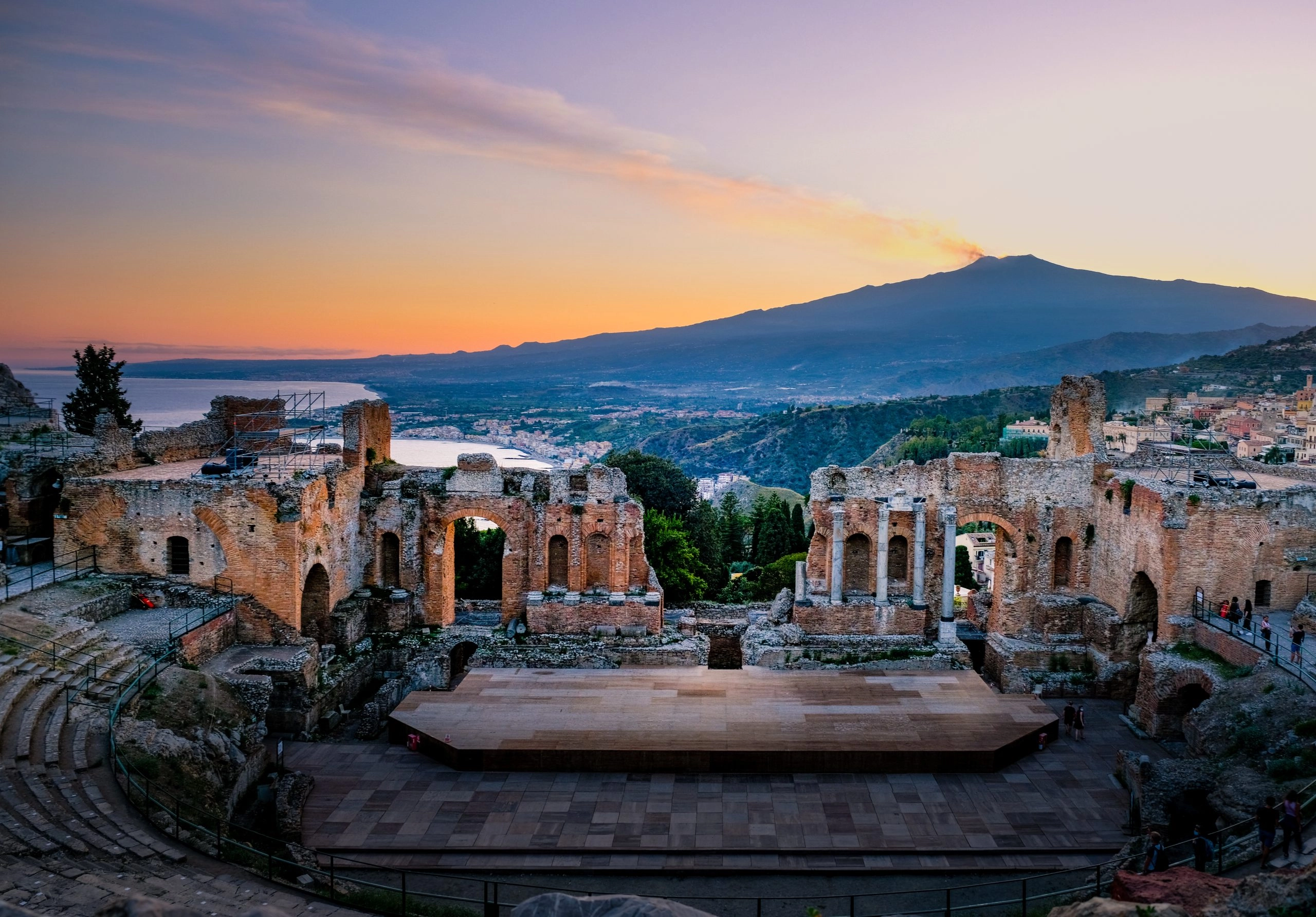














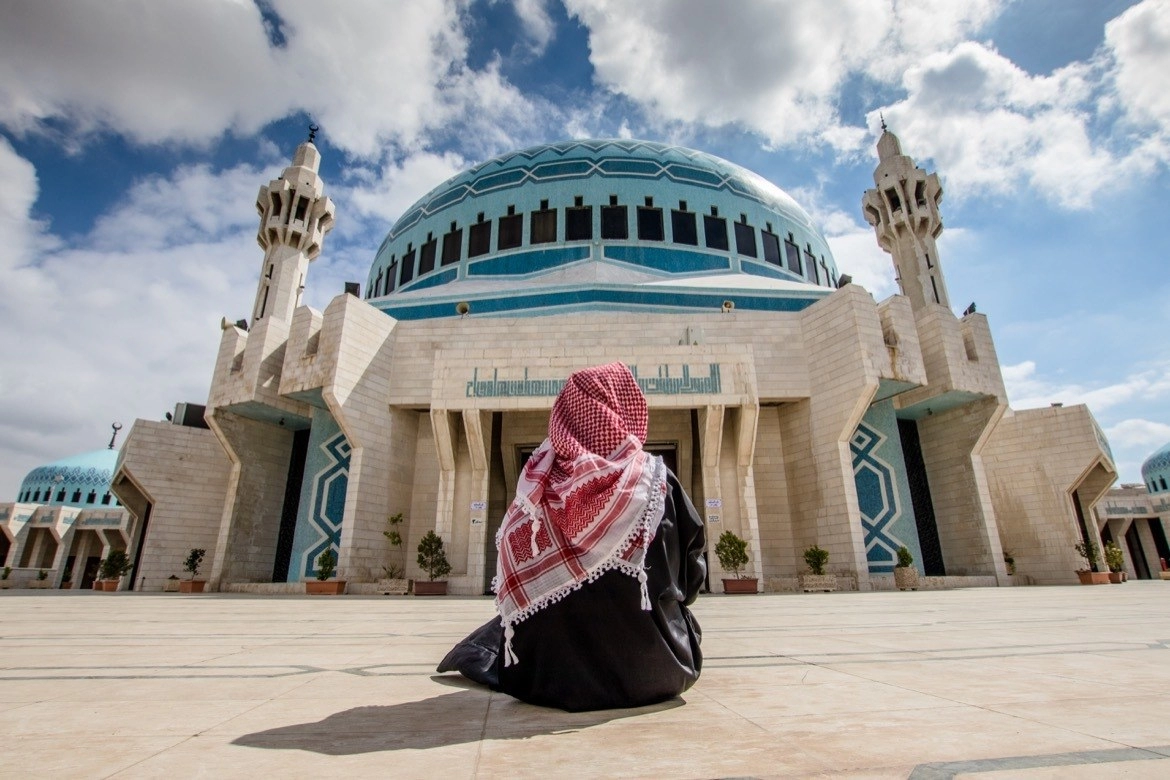
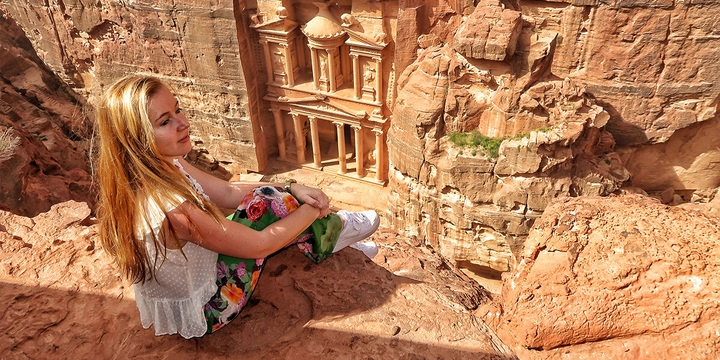
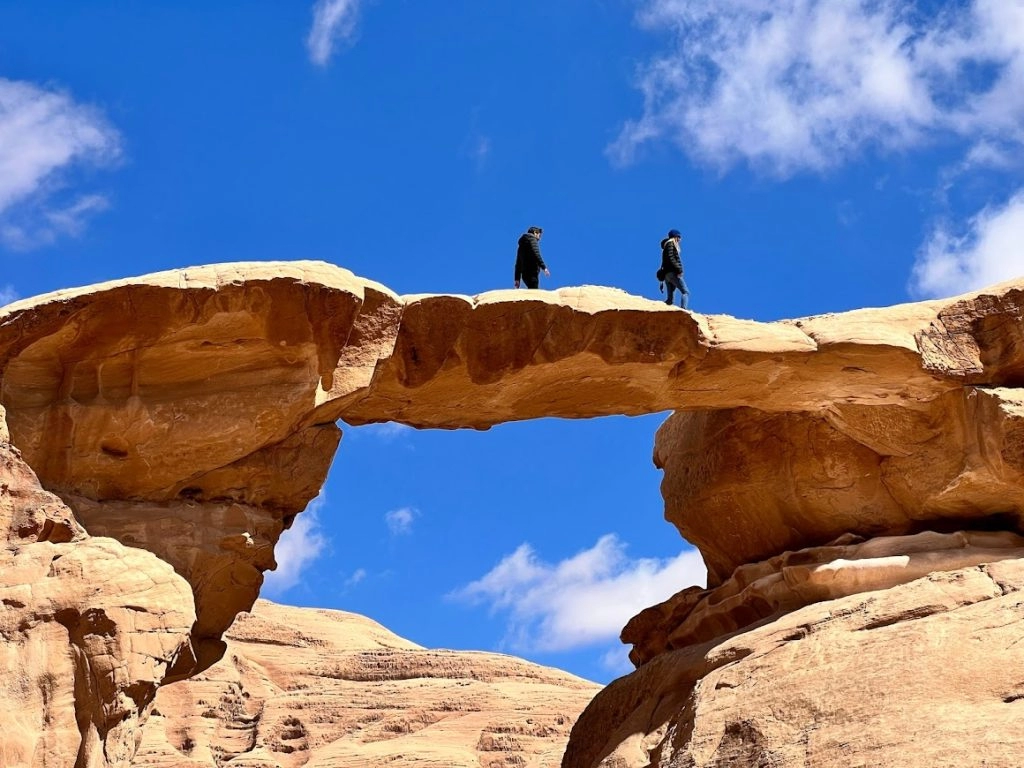



















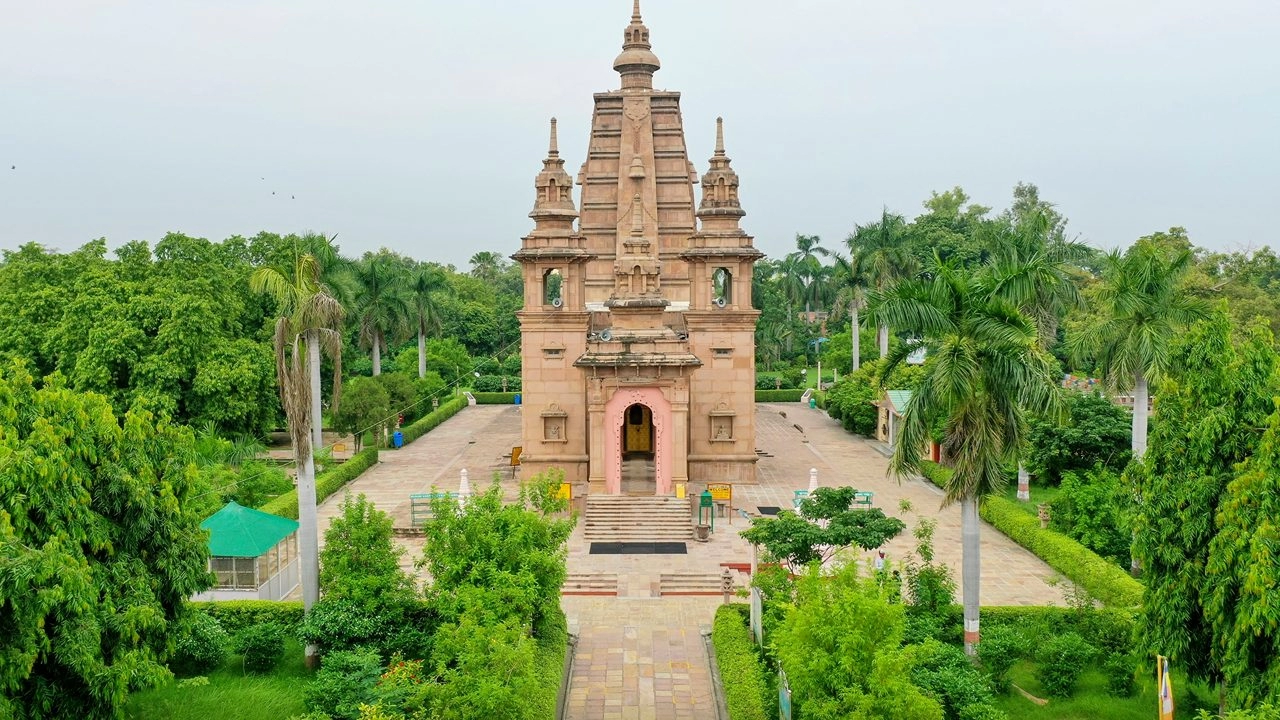
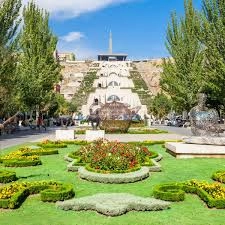
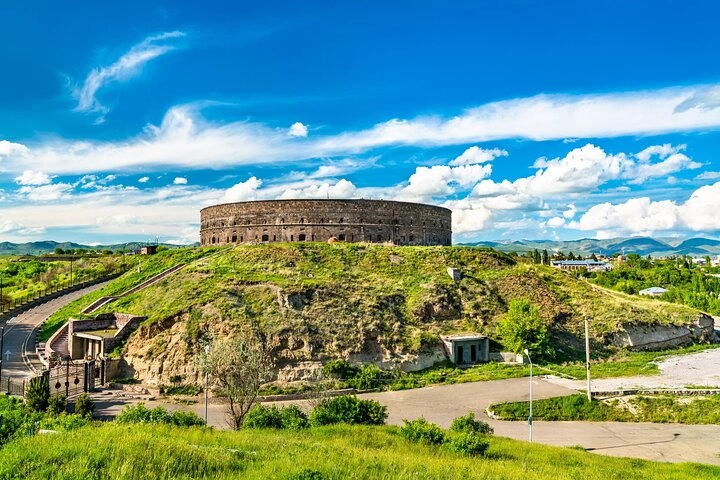
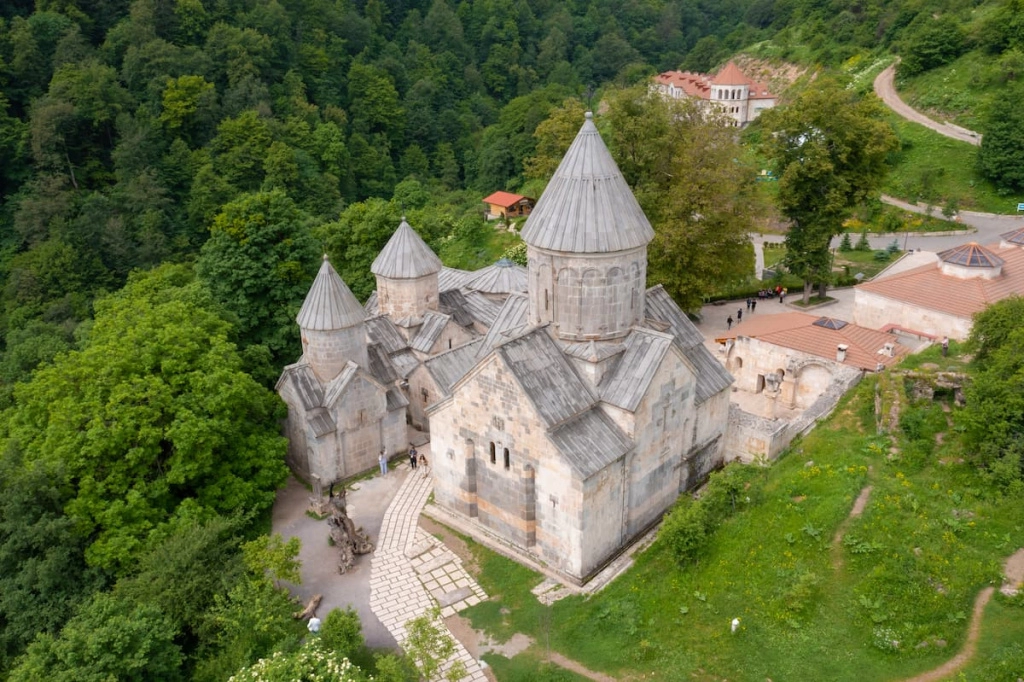










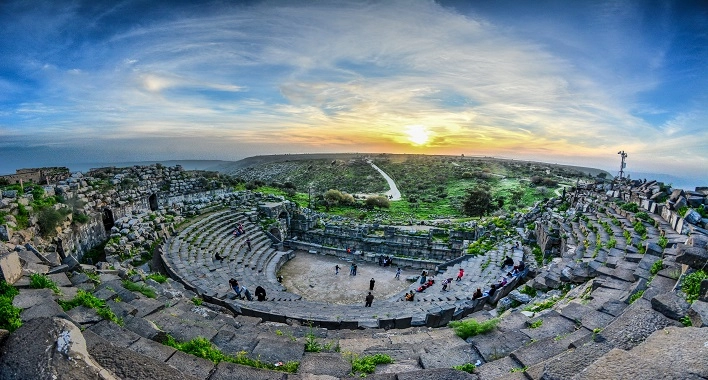
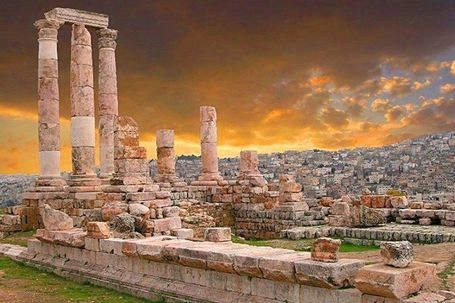

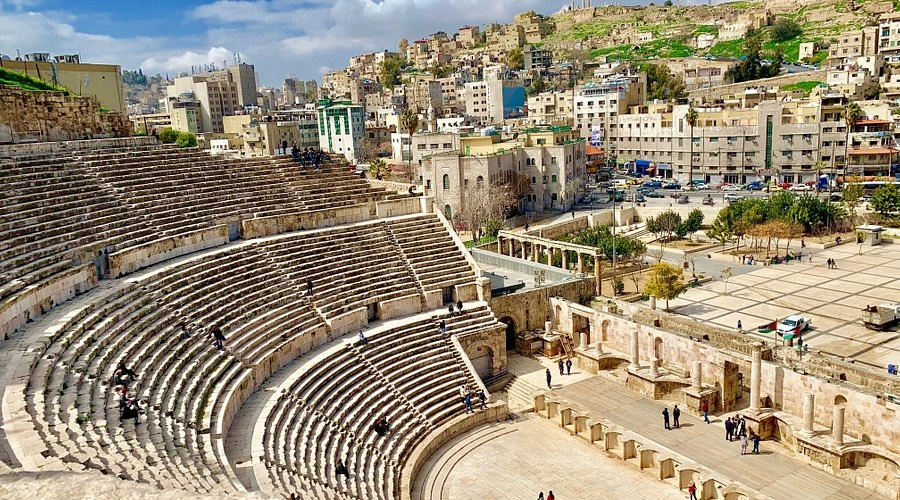
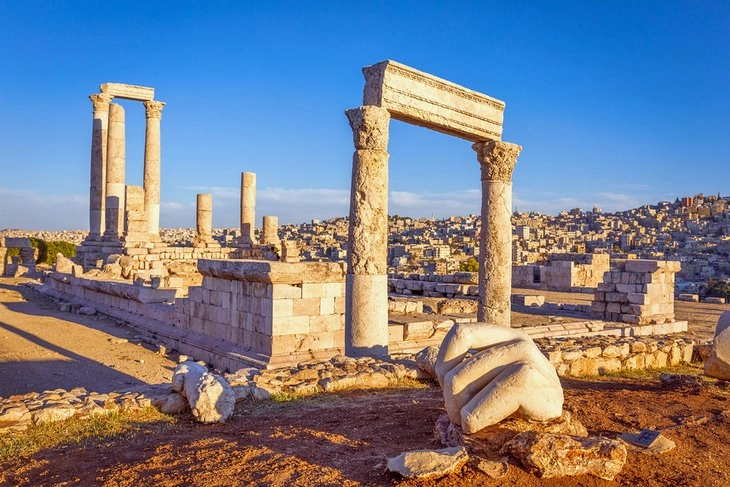
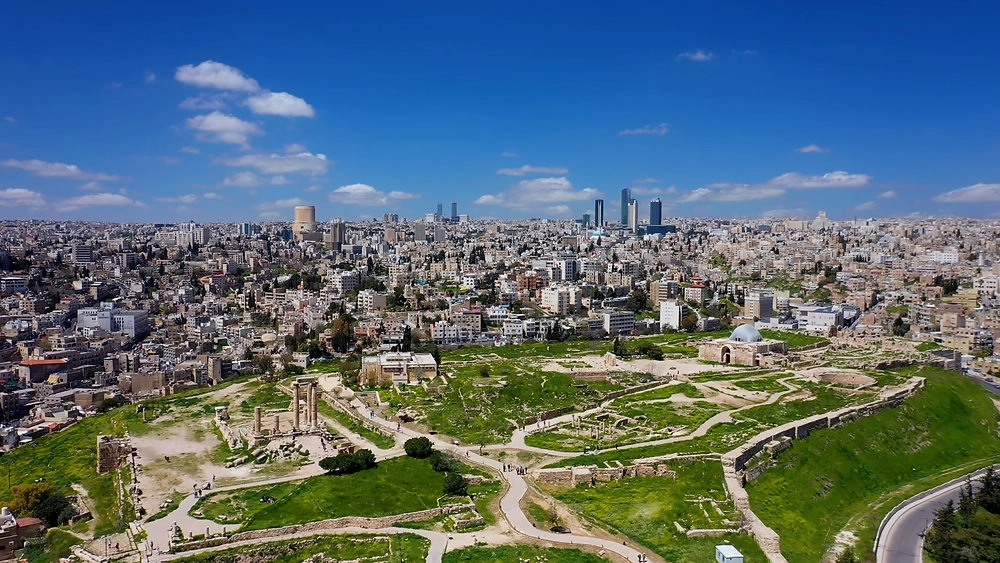
The Roman Theatre in Amman is an ancient and enormous historical site that attracts many visitors and is the city’s main tourist area. Its construction was commissioned by Emperor Antoninus Pius in the 2nd century AD and originally it had a capacity of around 6,000 people. The theater was built on the northern slope of a hill to get the best sound and keep the audience cool. Roman civilization is at the peak of its technical prowess with this magnificent theatre that is still in use today for cultural activities, concerts, and performances. The ruins of the Amman Citadel lying above the theatre make it a mandatory visit for those who wish to delve into the city’s ancient past.
Historical Background & Architecture
Built in the 1st century AD, the Roman Theatre of ancient Philadelphia (modern Amman) was used for public gatherings and theatrical performances. The theater could accommodate around 6,000 spectators, with stone seating arranged in three main tiers. It features a semicircular orchestra and stage, and is renowned for its excellent natural acoustics, which are still impressive today.
Cultural Use & On-Site Museums
The Roman Theatre still today embraces an active cultural role by holding concerts, festivals, and public performances that express the mixture of ancient heritage and modern life in Amman. Because of its historical importance and central location, the Roman Theatre is included in most Jordan tours and travel itineraries, making it a key stop for visitors exploring the capital.The site also allows the visitors to visit the Folklore Museum and the Museum of Jordanian Traditions which are presenting the traditional clothing, handicrafts, and aspects of everyday Jordanian life.
Location, Accessibility & Best Time to Visit
Theater is placed in the heart of Amman. It is very convenient to get there by taxi or on foot. It is a part of the sightseeing circuit that includes the Citadel.
Morning: The temperature is cooler and there is less noise. Late afternoon: The photos can be taken in very nice light. Spring and autumn: Weather is perfect for outdoor tours.
Visitor Tips
Footwear with comfort is required because of the stone steps. It is advisable to take along water and protection against the sun. Know the timetable for the performances that are to be held live. Give 1 - 1.5 hours for your visit.