 Places to see
 Top Destinations
  Things to do

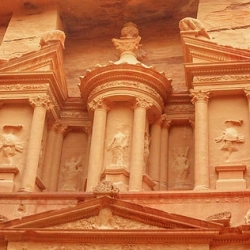




















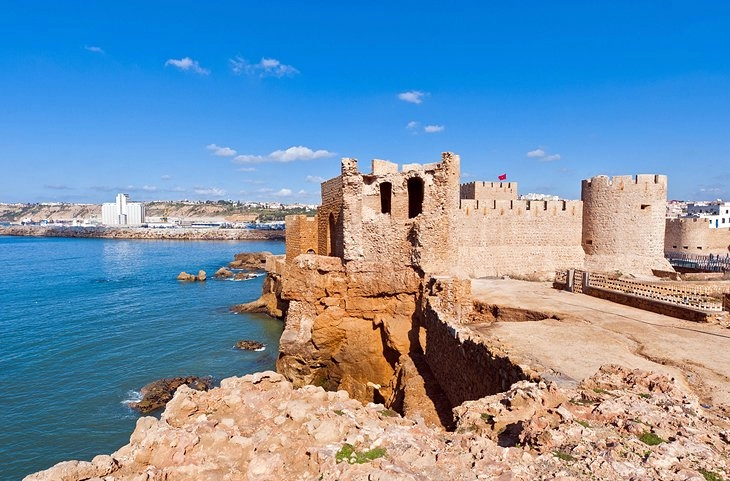
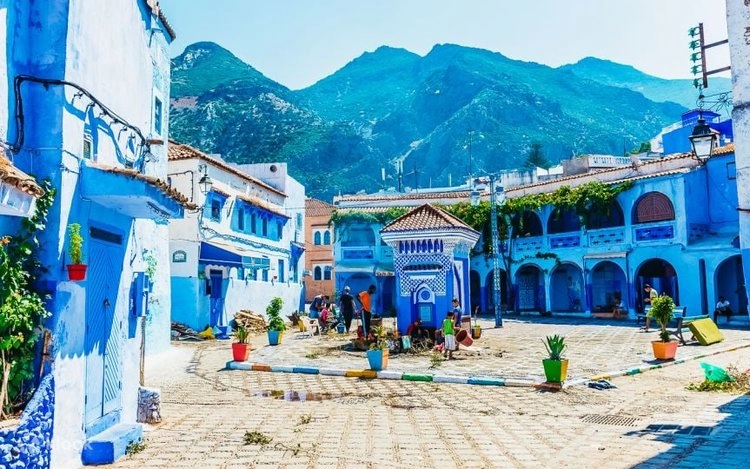
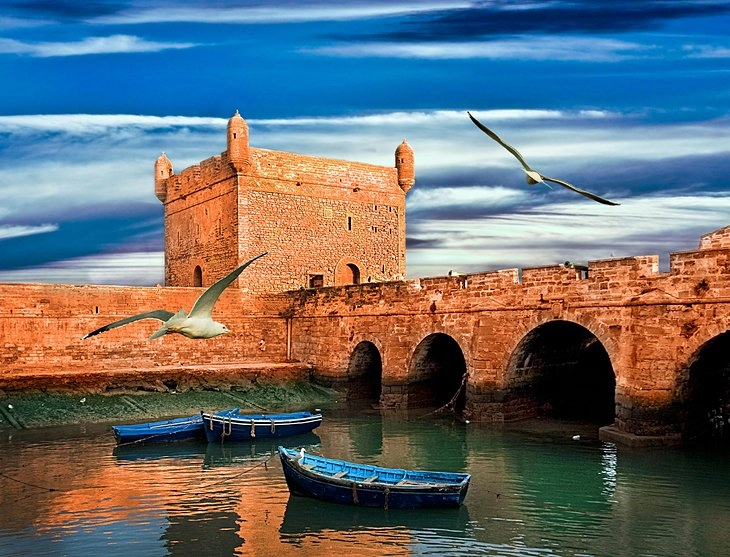

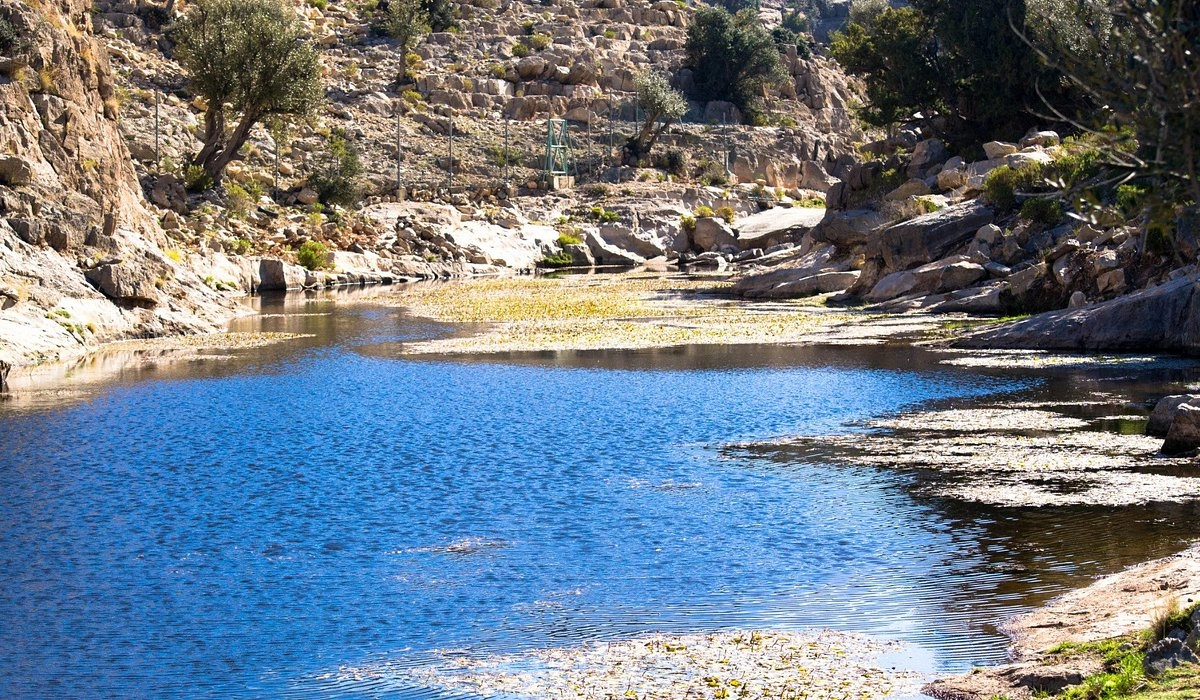

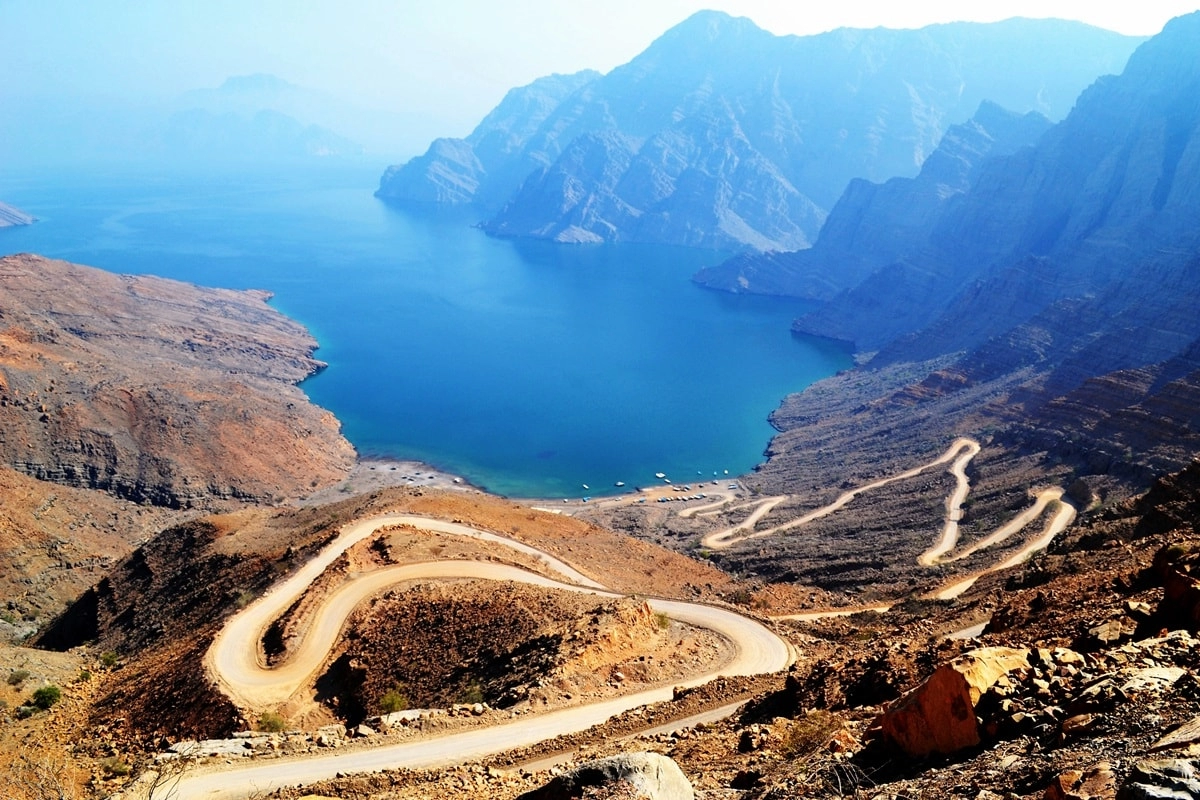









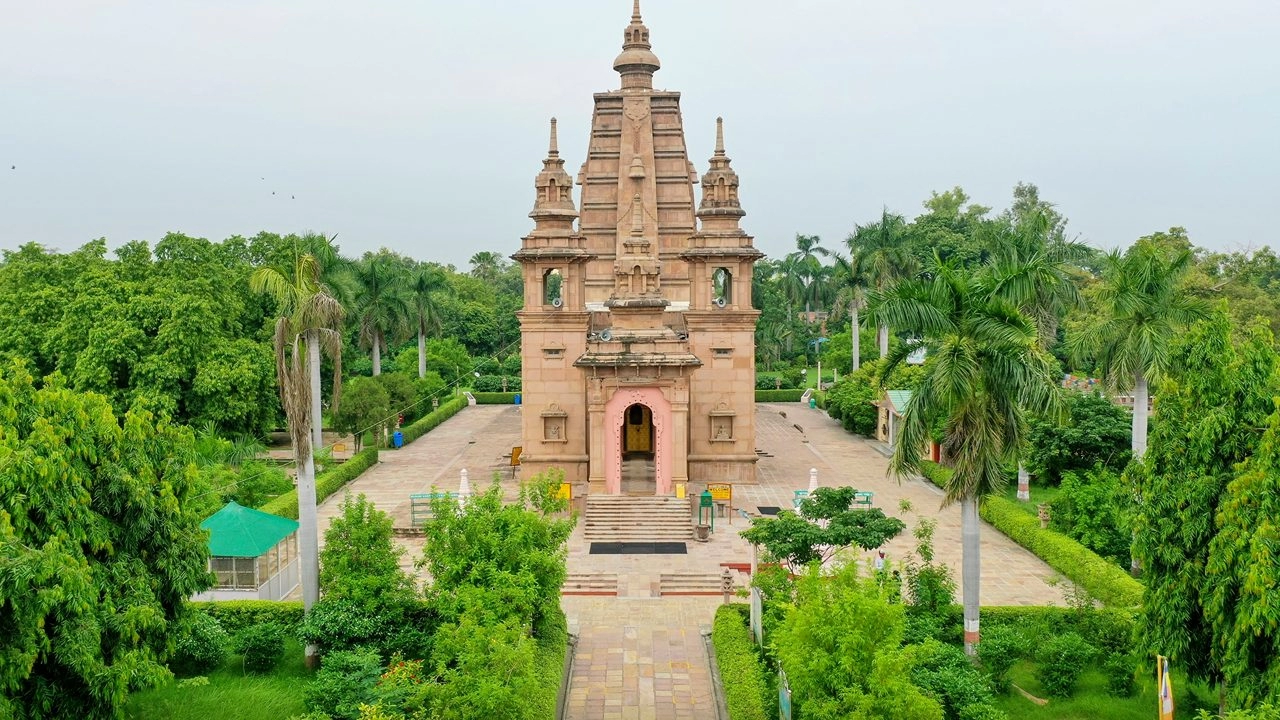
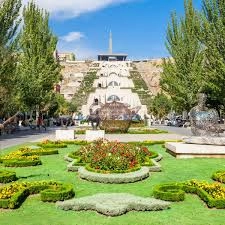
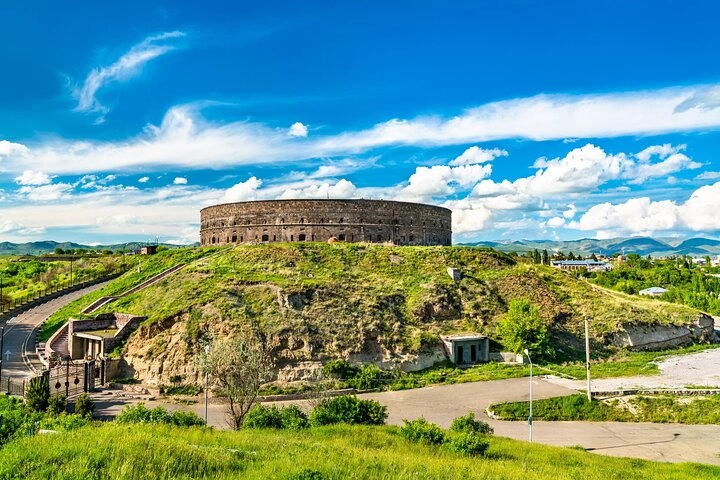
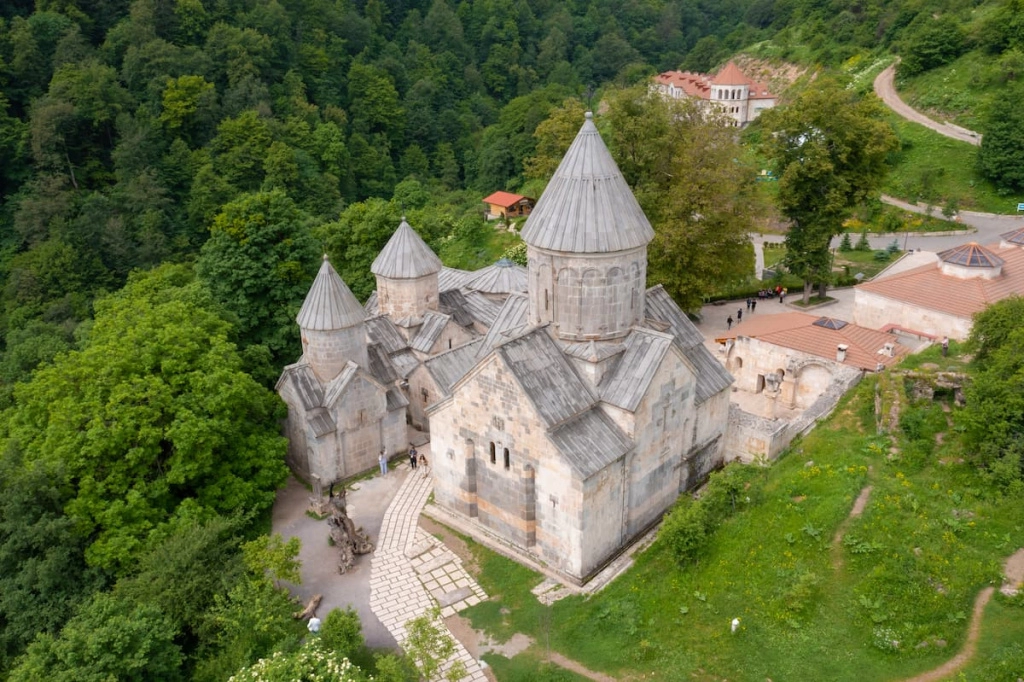
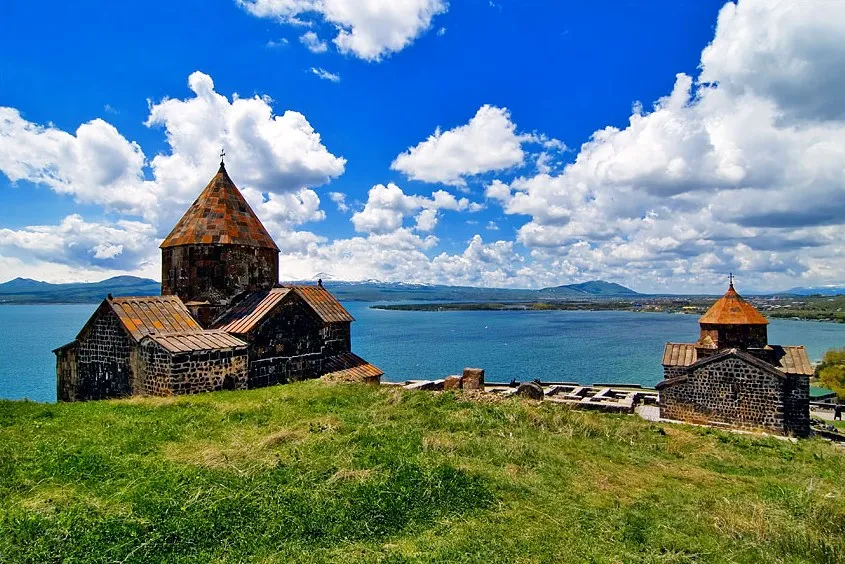
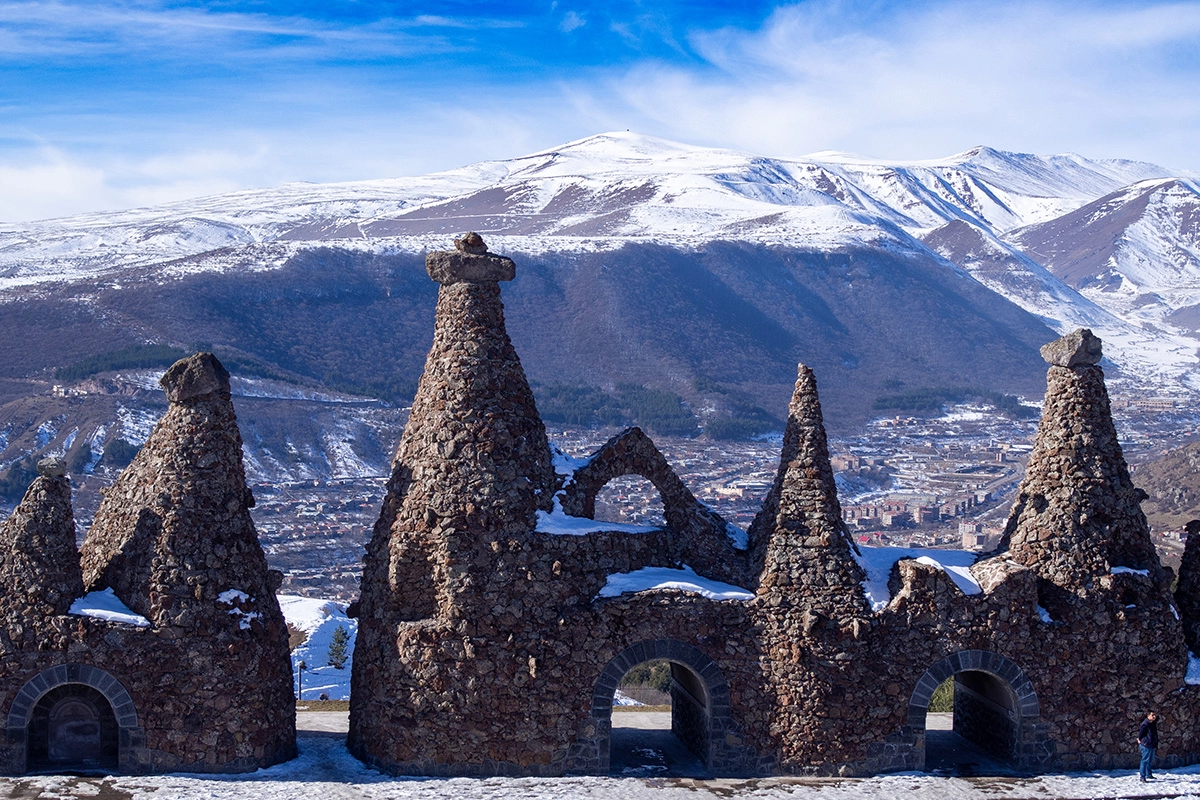
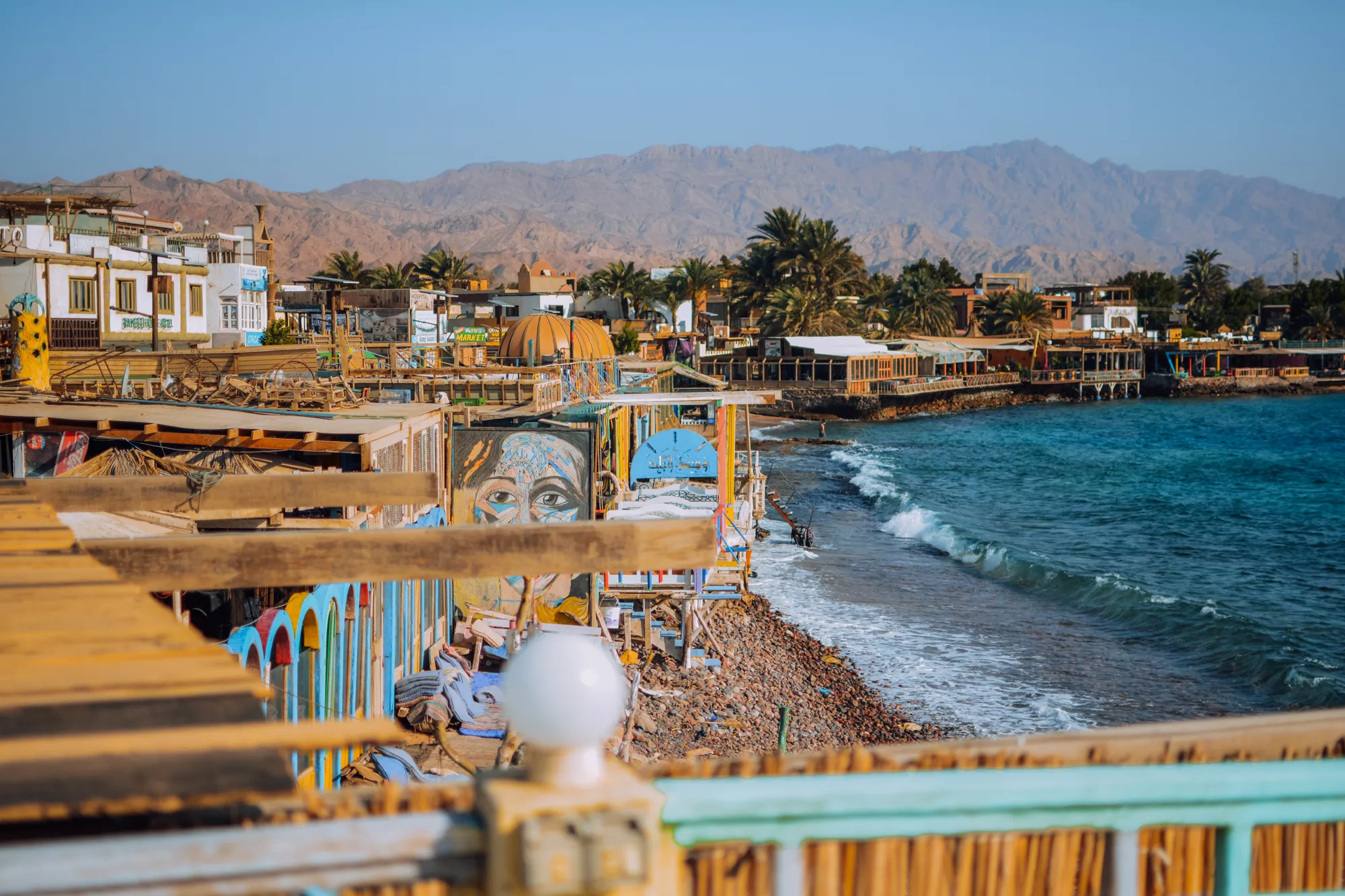

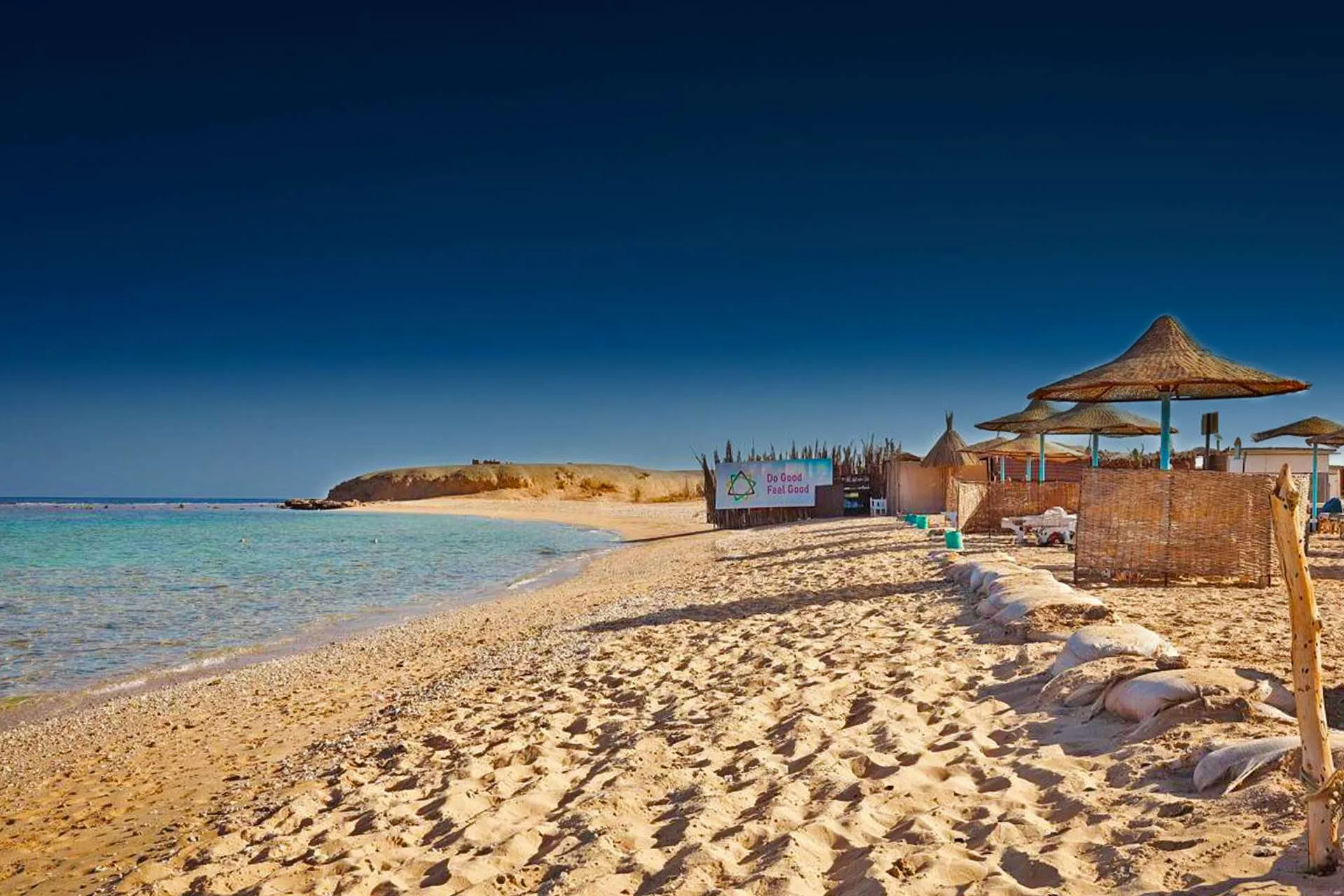
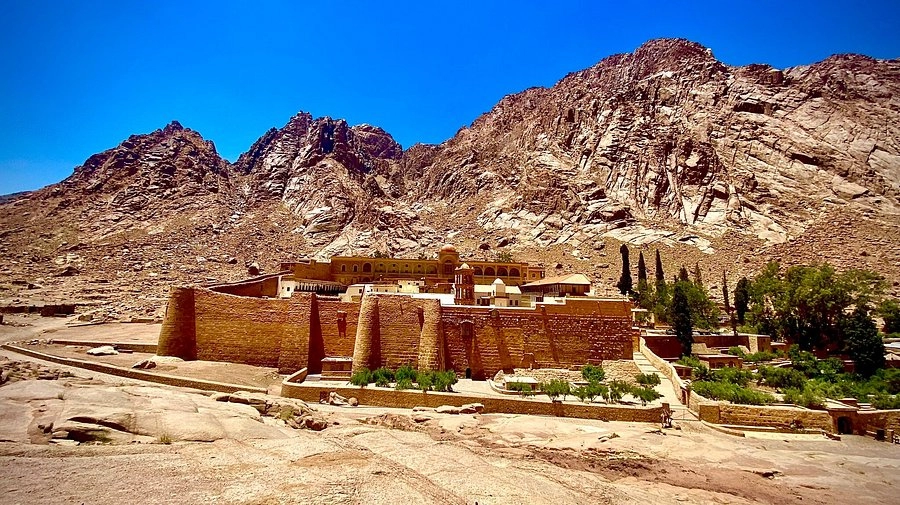
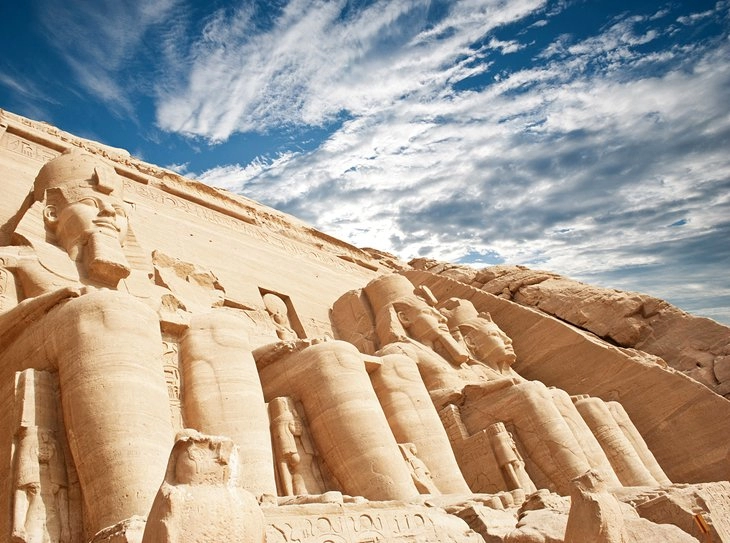

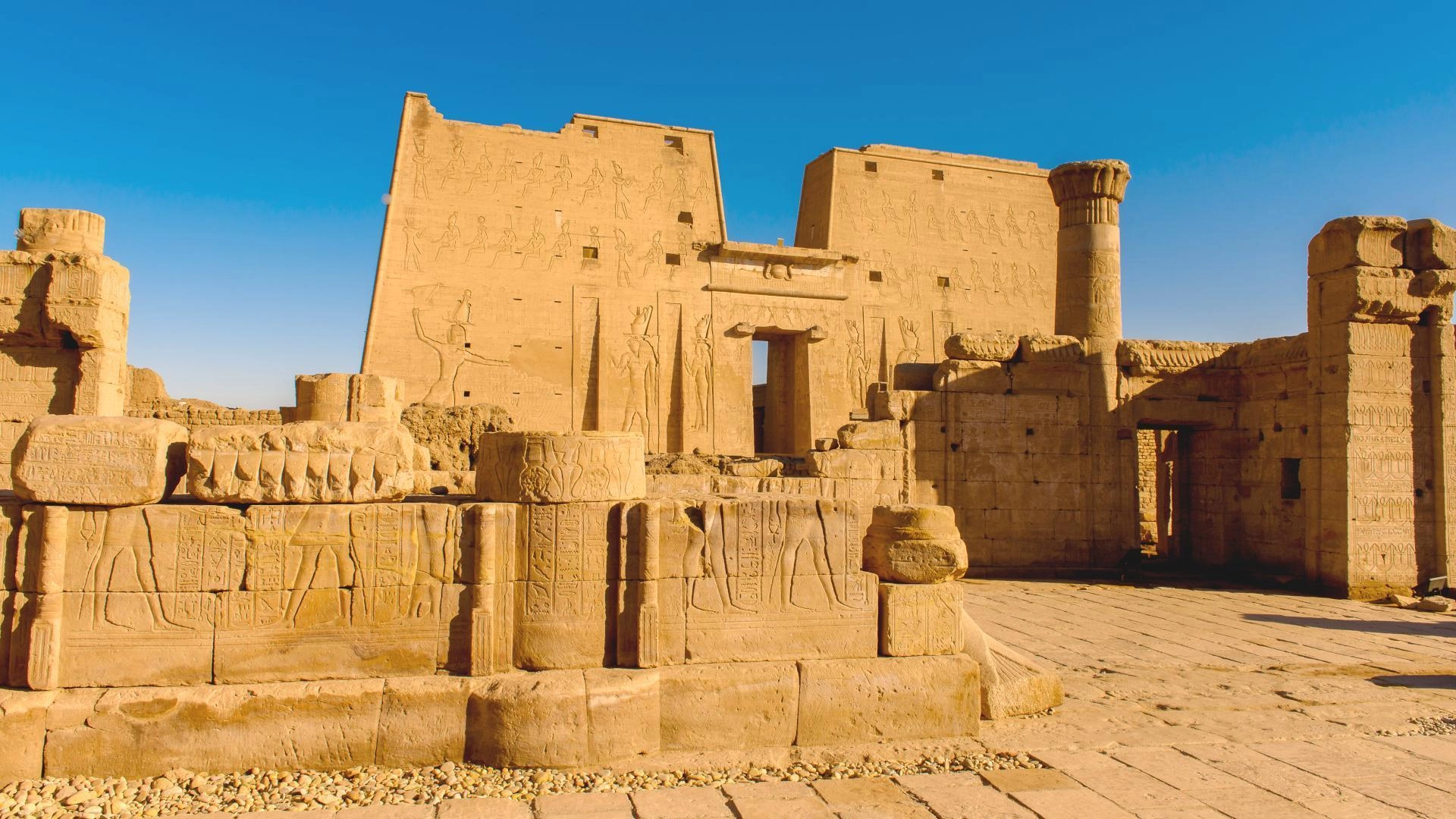
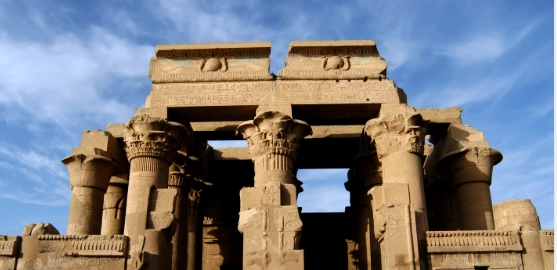
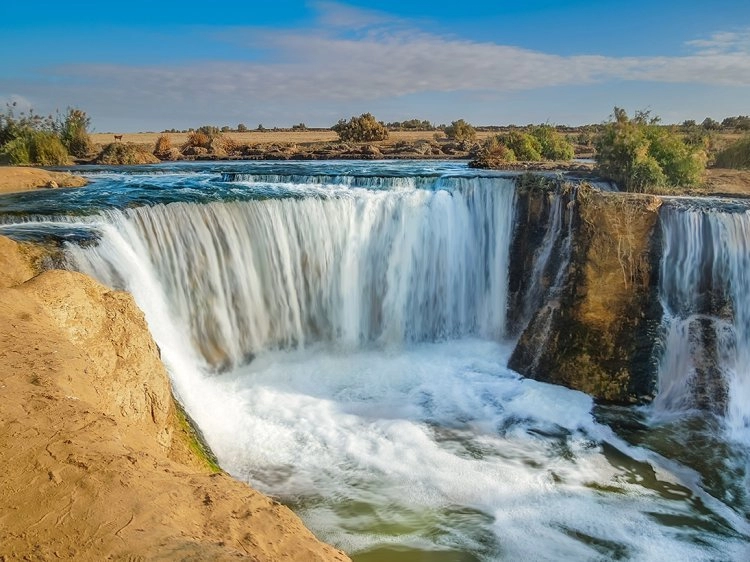

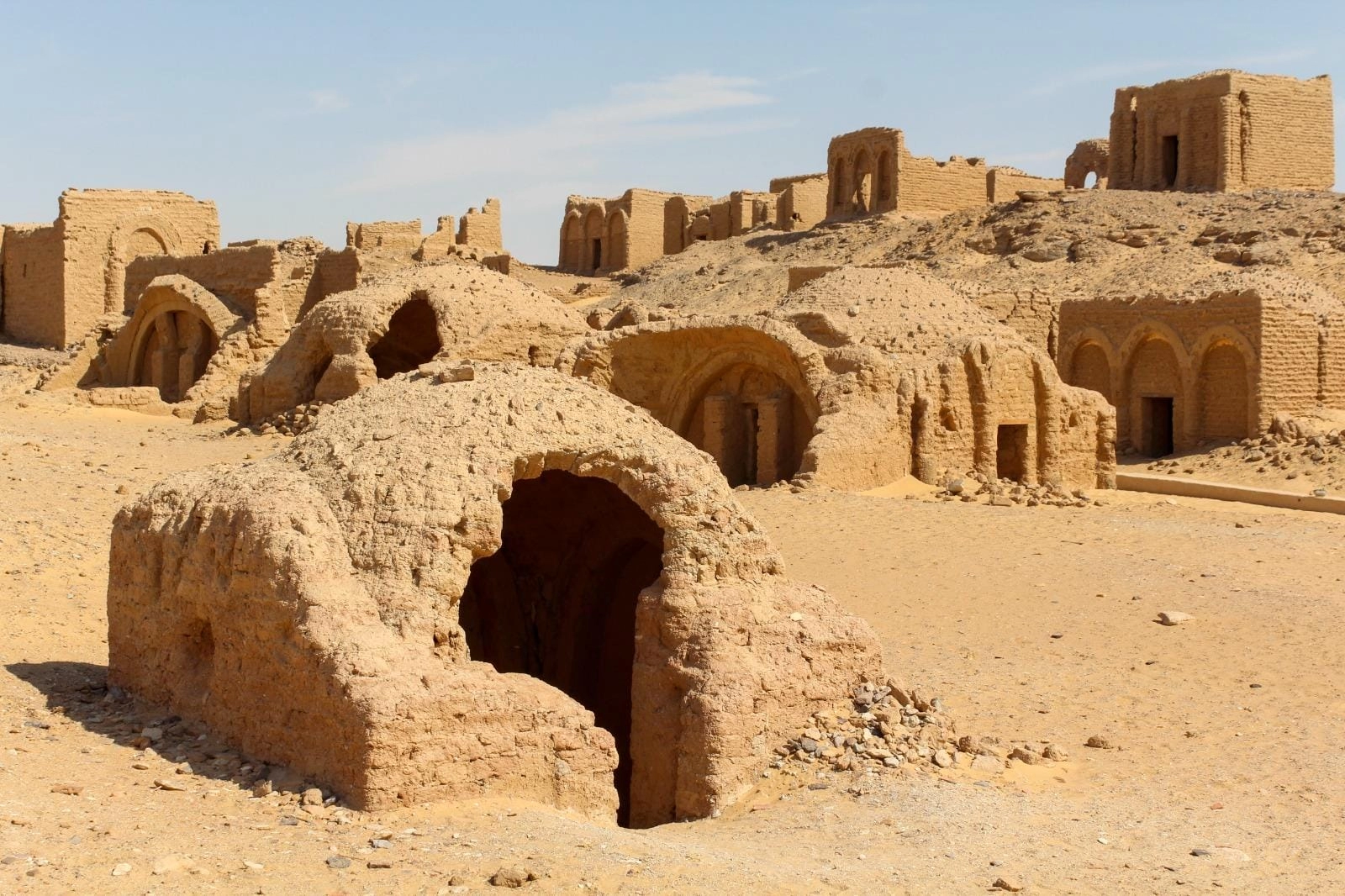
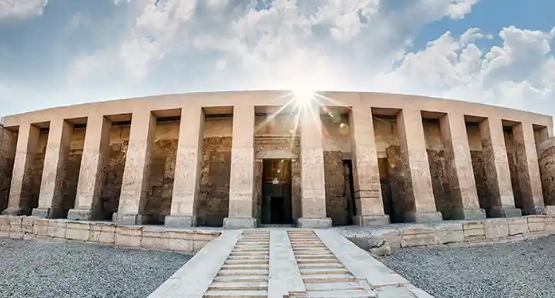
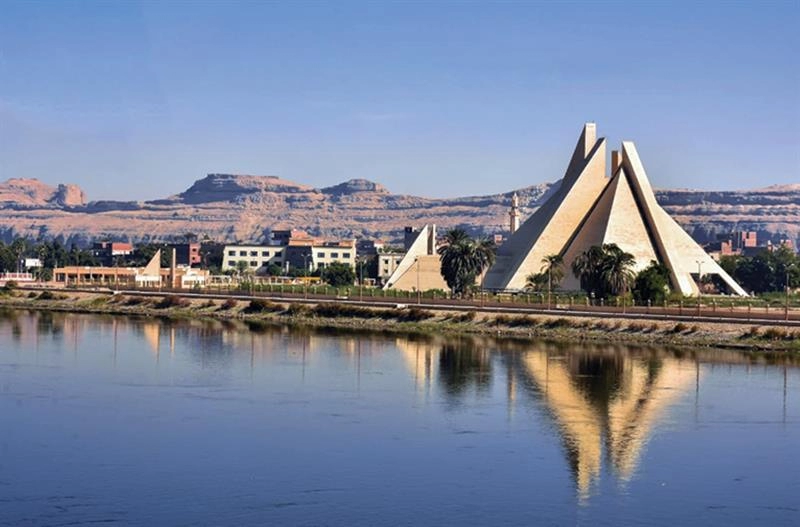
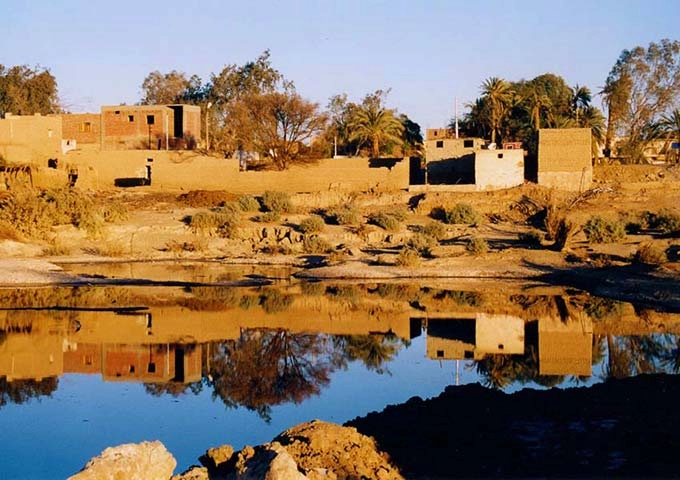
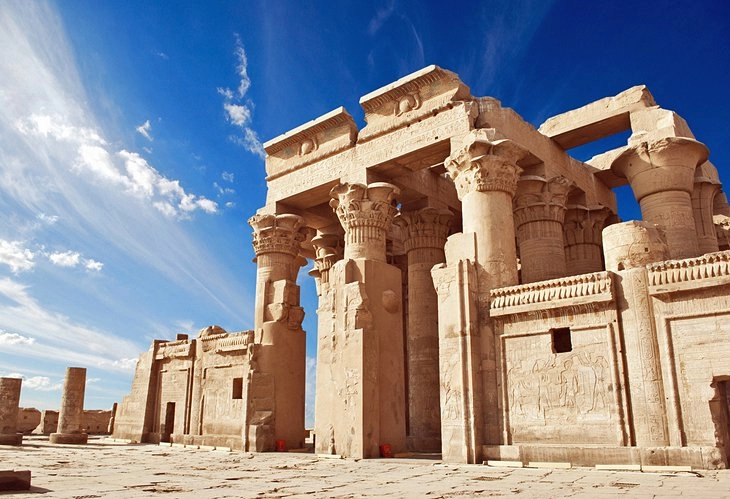
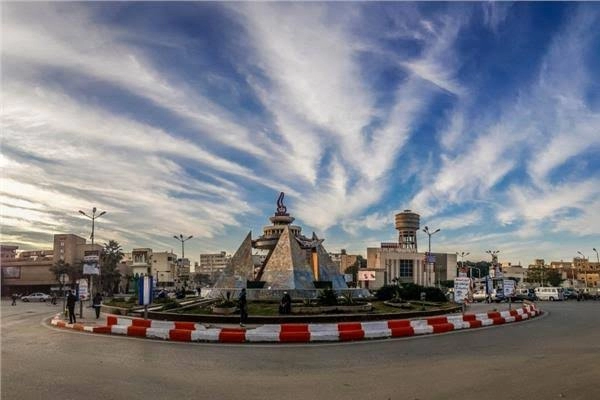
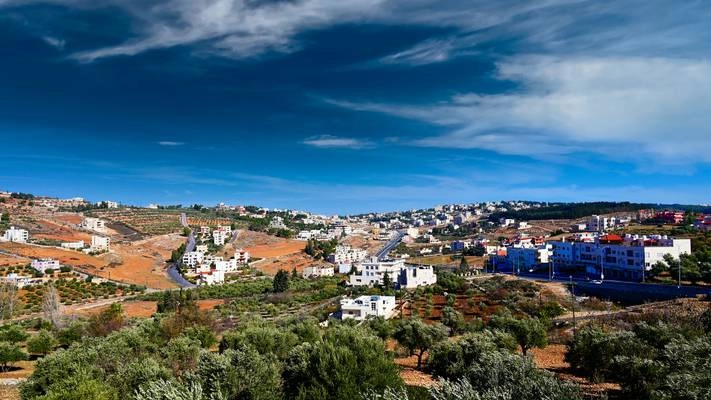
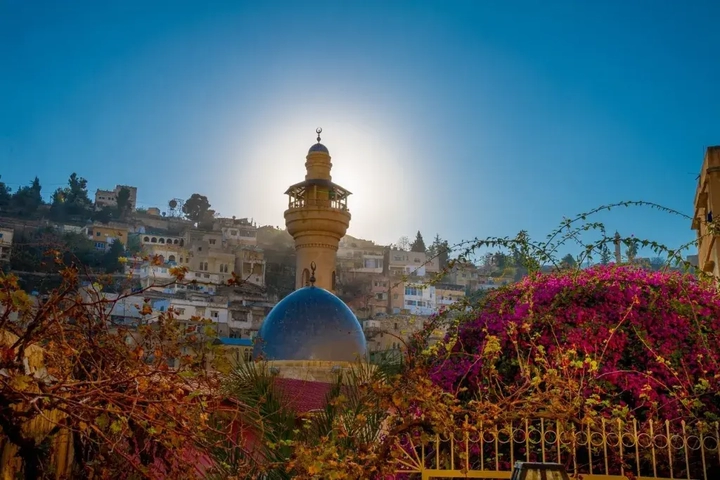
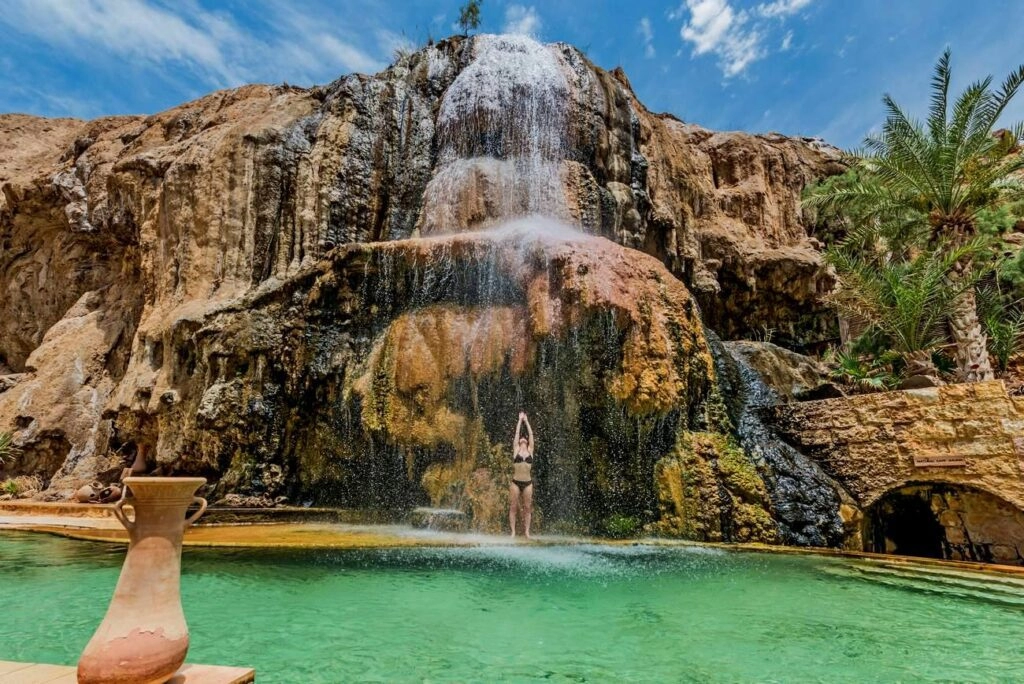
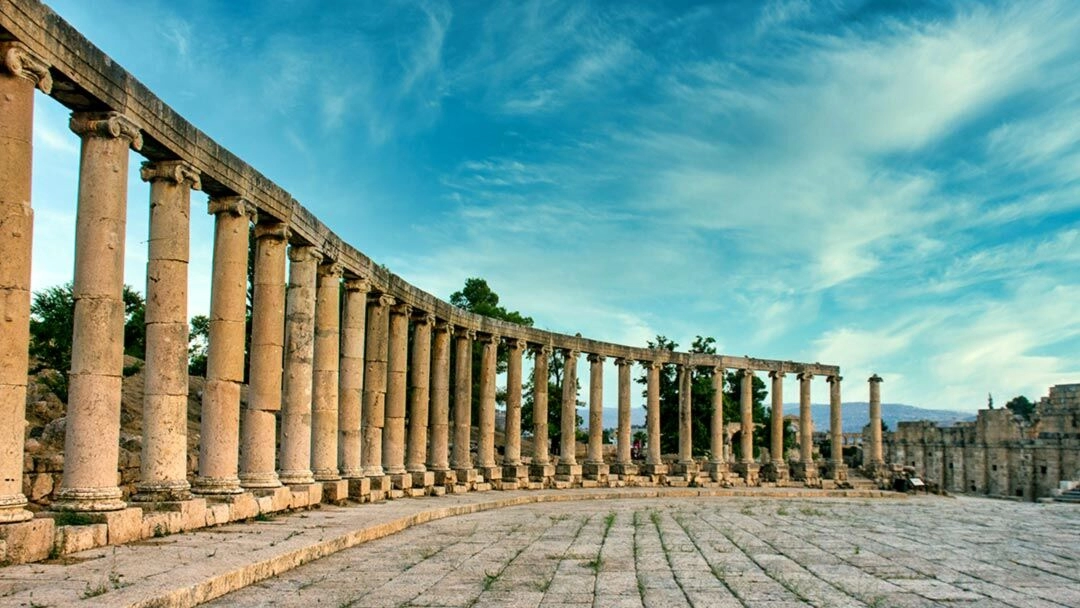
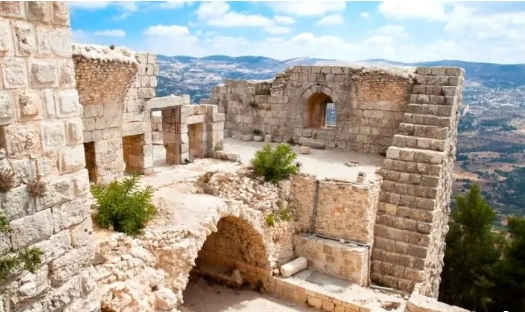
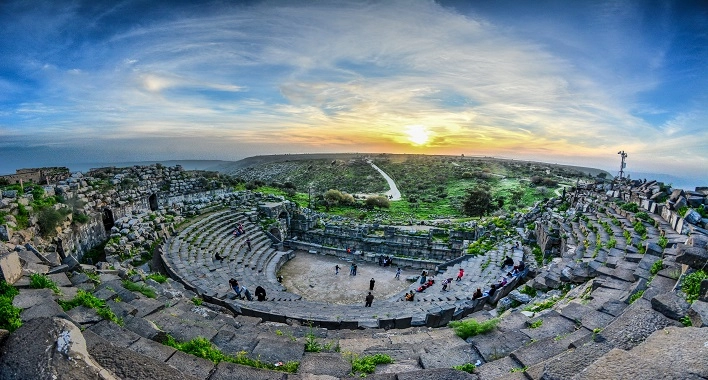
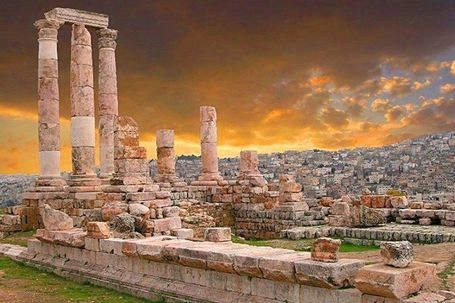
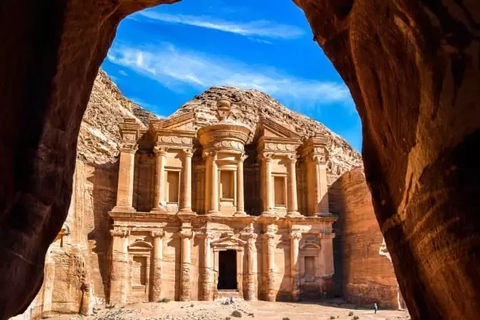
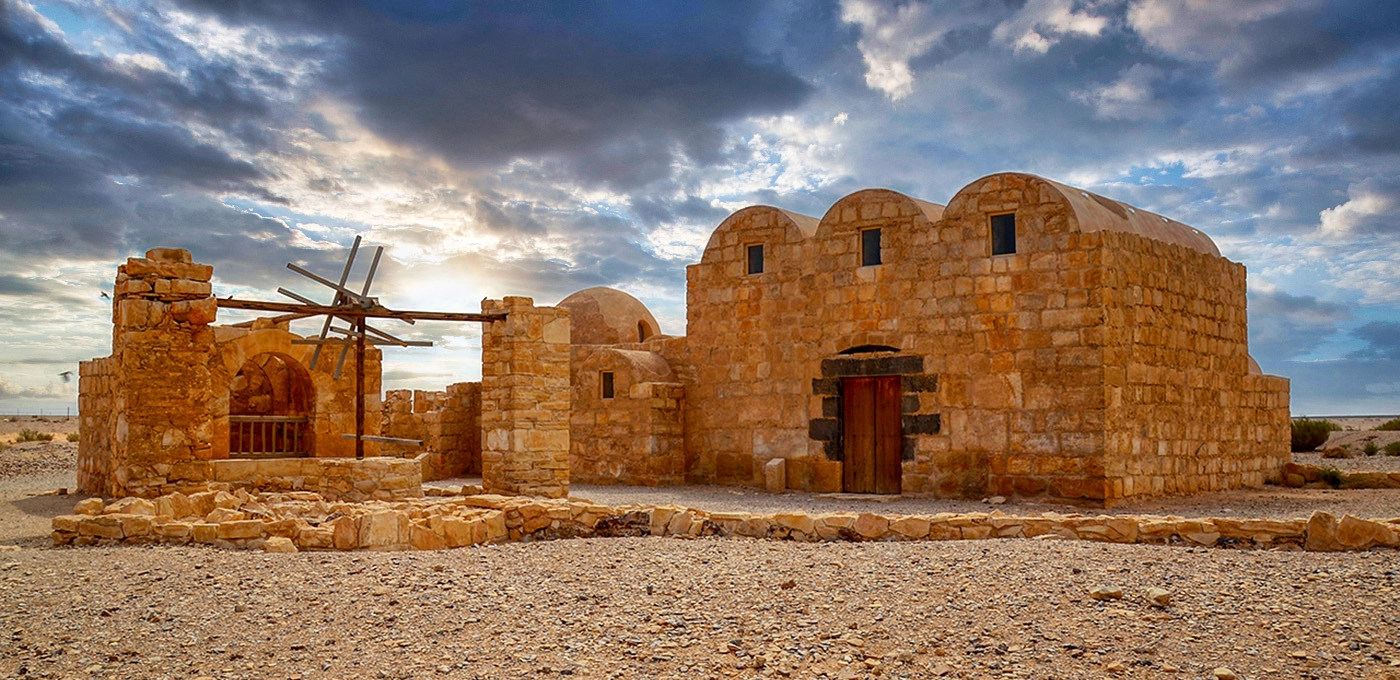
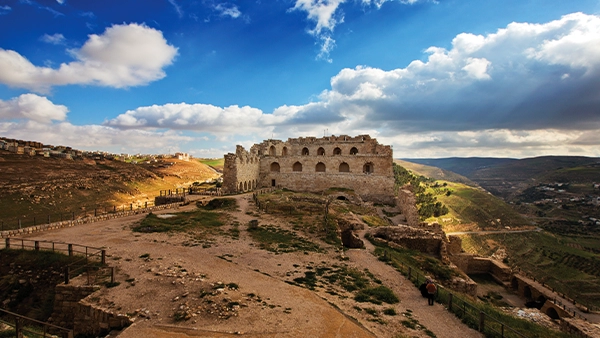
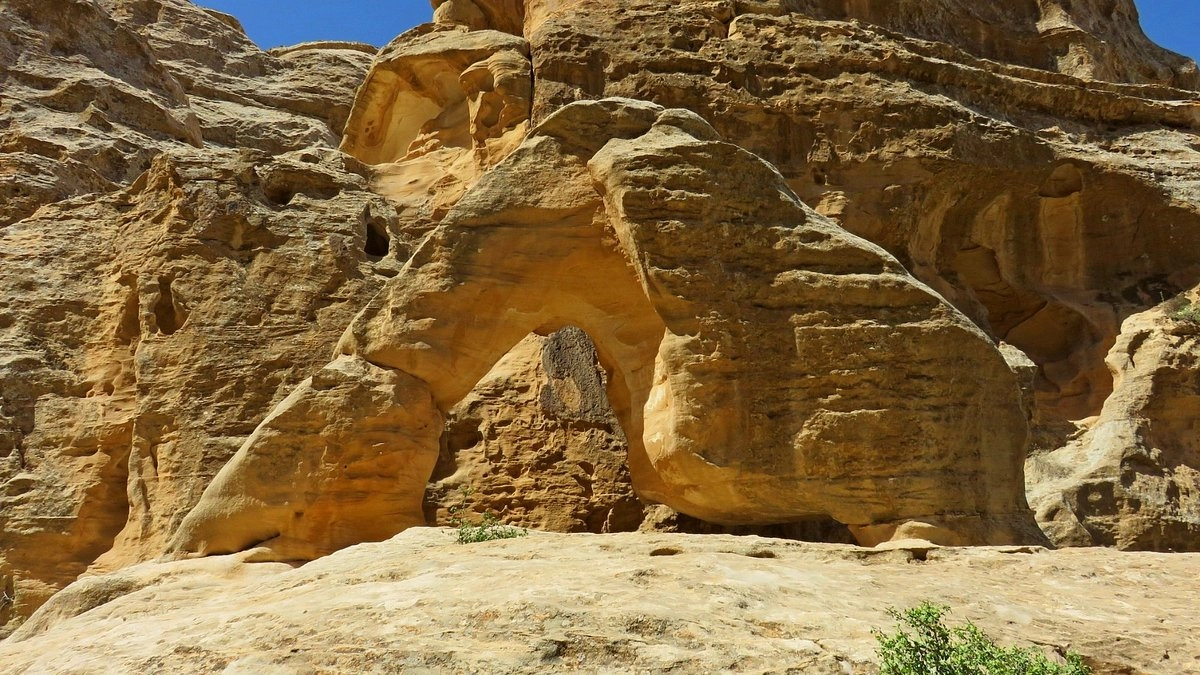
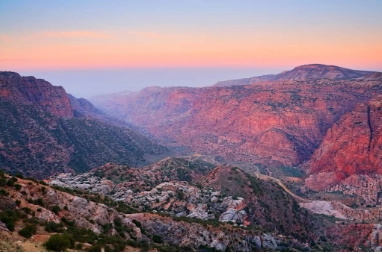
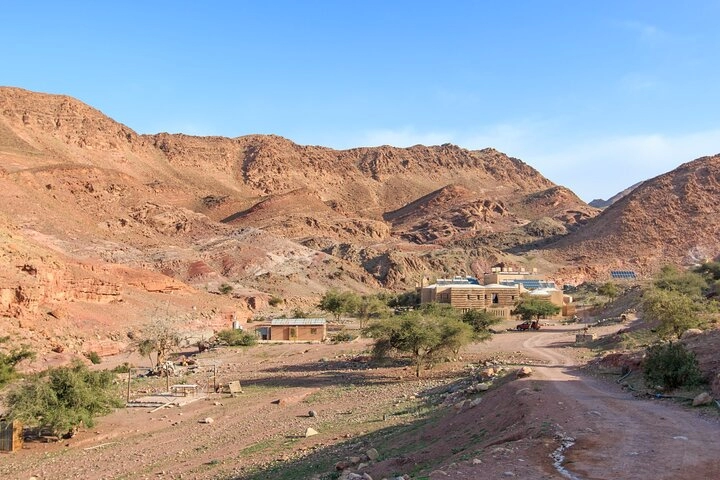
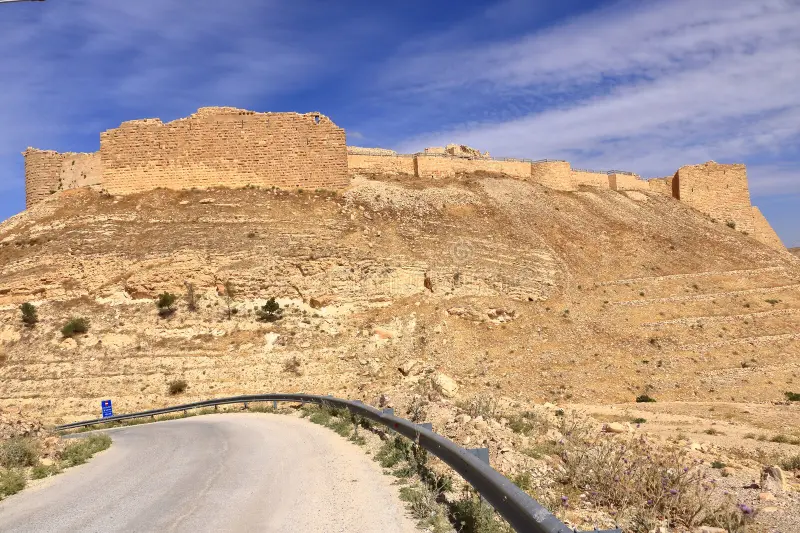
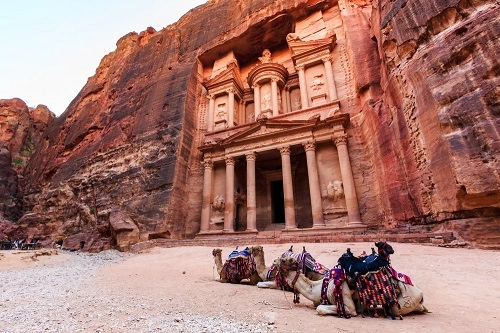
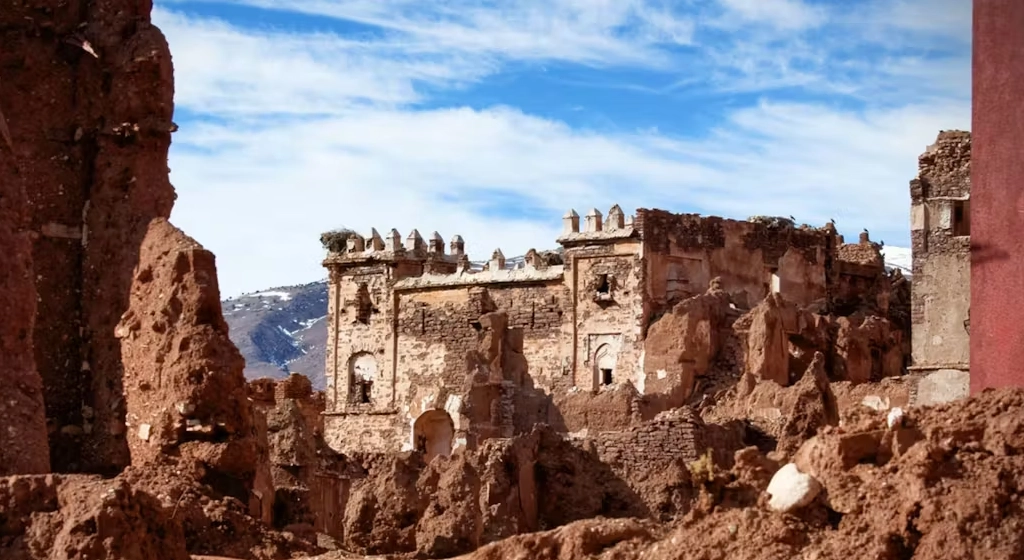
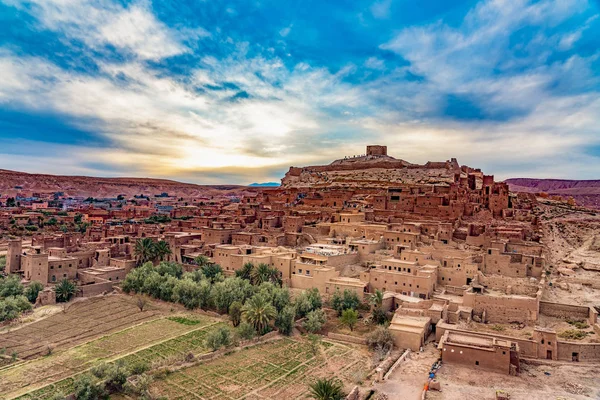
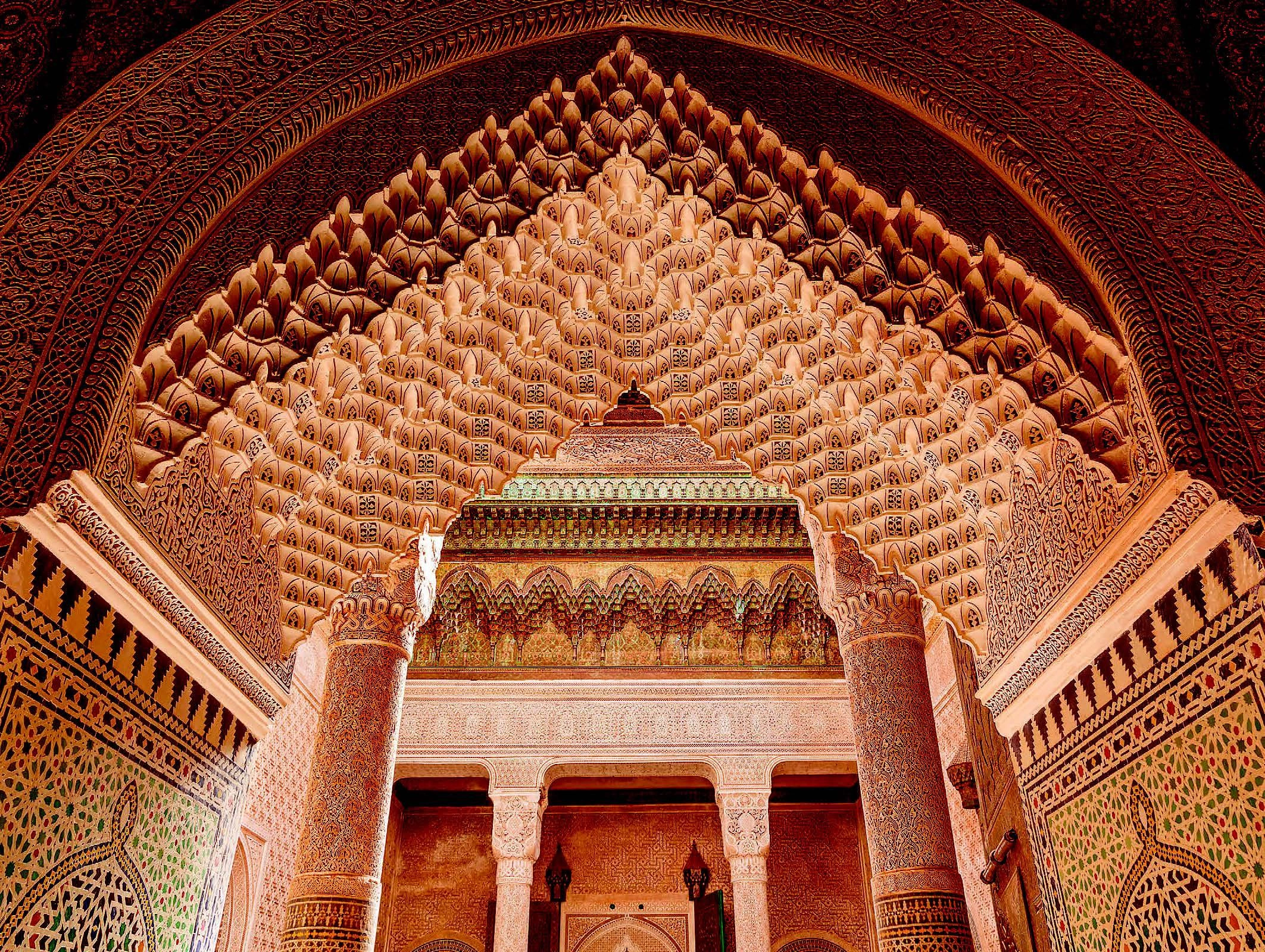
Having been positioned strategically on the historic caravan trail that ran between Marrakech and the Sahara, Telouet Kasbah was a stronghold of the Glaoui family, who were among the most potent rulers of Morocco. The kasbah, first erected in the 17th century and later extended in the 19th century, is the most stunning instance of Moroccan architecture, with the most intricate cedarwood carvings, the most energetic zellij tiles, and the grandest courtyards. Even in its derelict state, Telouet Kasbah continues to be a picturesque place to visit and, by so doing, one gets to peep into the past of the Atlas region, its power brokers, and the lavish living of the former Moroccan elite.
Historical Background
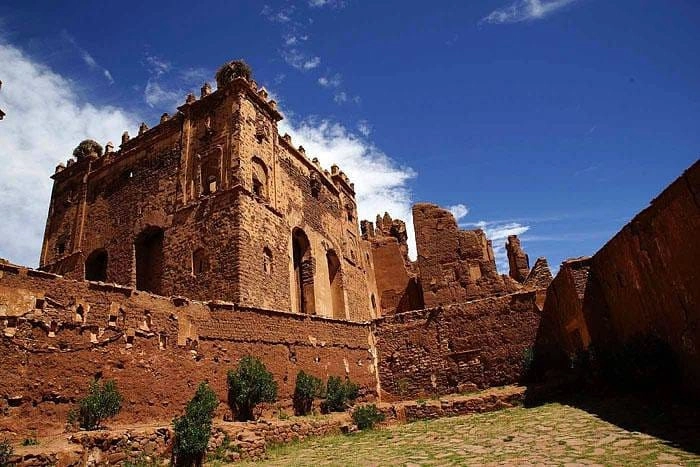
The 17th century saw the construction of this majestic building, which later on was enlarged by the Glaoui family during the 19th century
Pasha of the Atlas was the main ruler and the route for the Saharan trade caravans later on became a stopover for those kings
The Glaoui dynasty is now represented in terms of power and culture through this landmark
Architectural Highlights
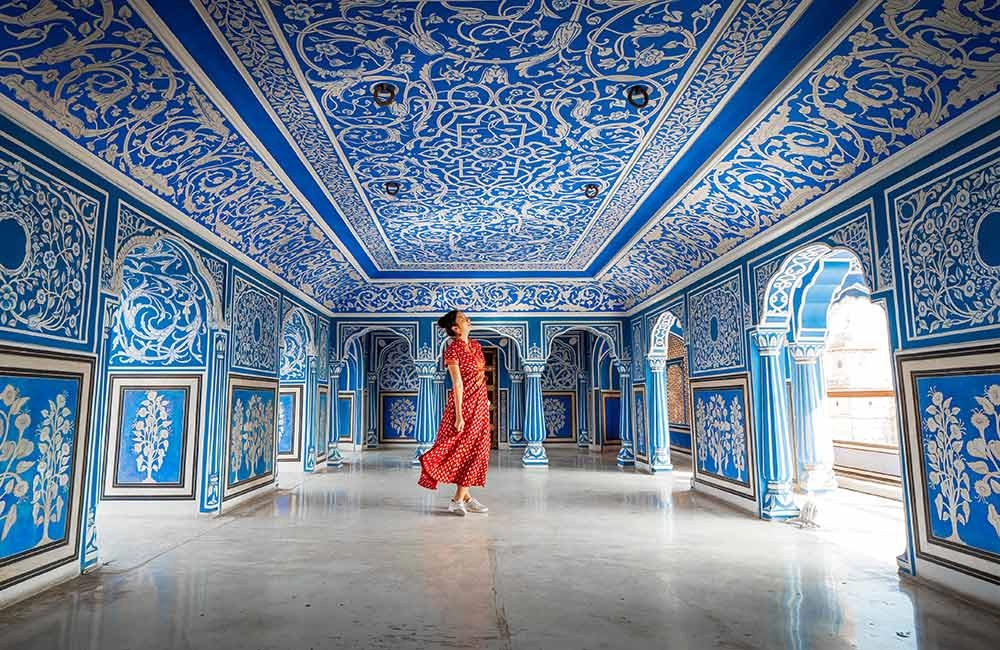
Superb hand-carved cedar wood and splendid ceilings
Amazing zellij tile mosaics
Huge plazas and reception rooms
Typical Moroccan riads and living areas
Exploring the Kasbah
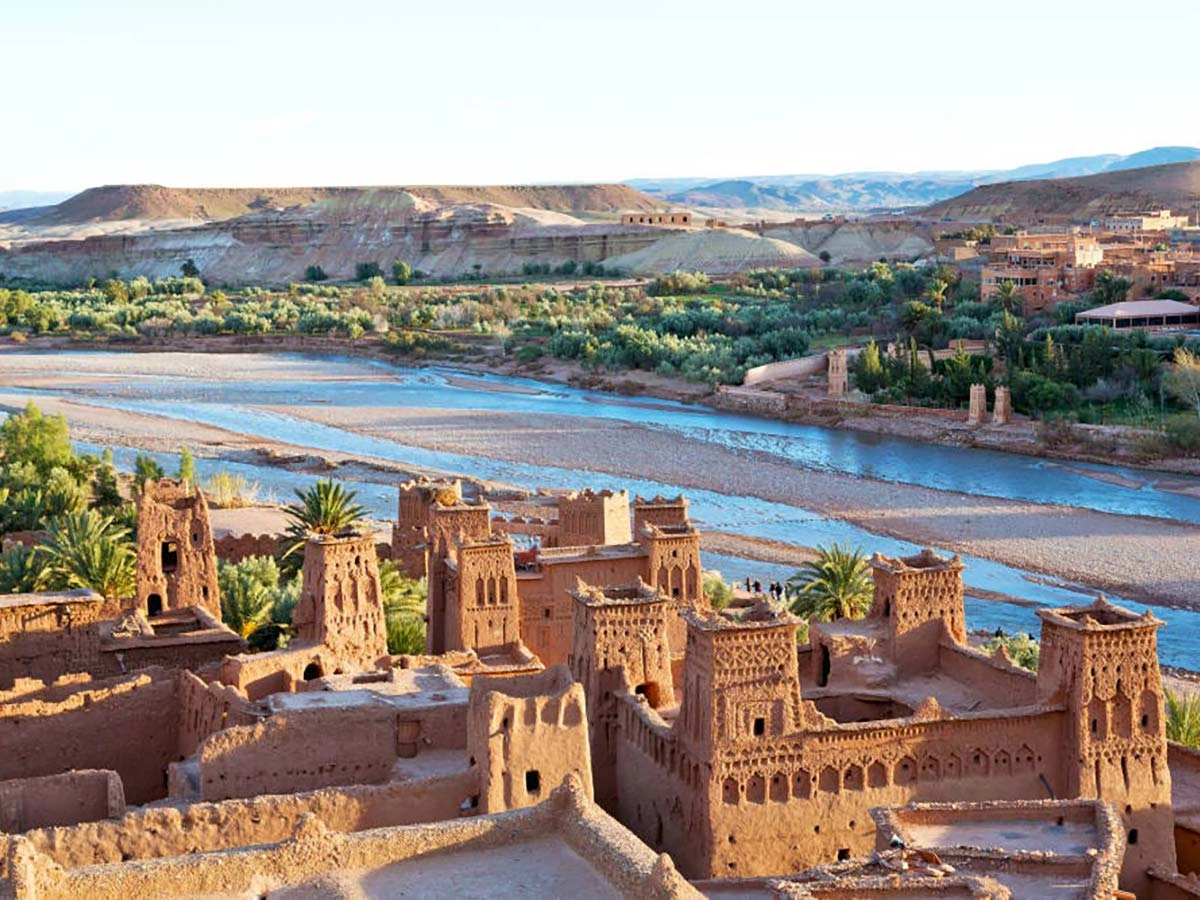
Stroll through the partially renewed corridors and chambers
Notice the mix of Berber and Moroccan architectural styles
Feel the atmospheric ruins and sense of historical greatness
Scenic Views & Surroundings
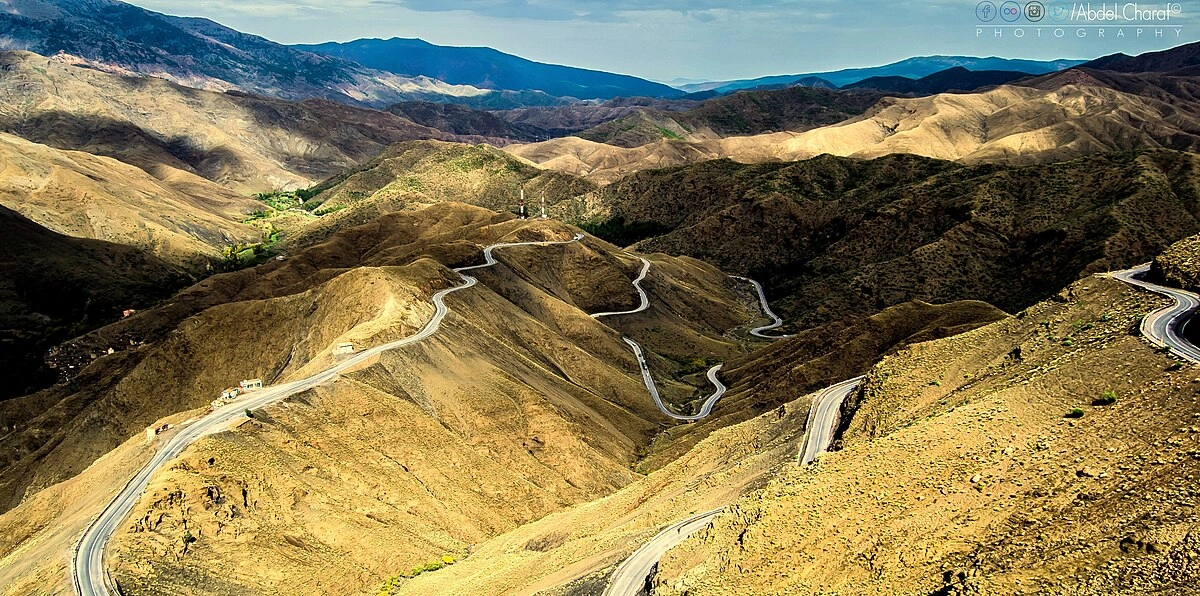
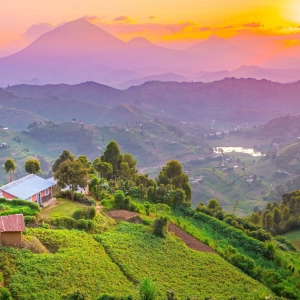
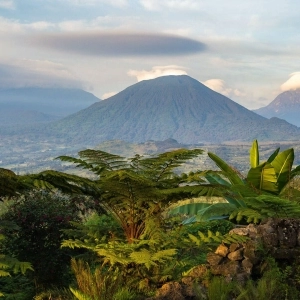
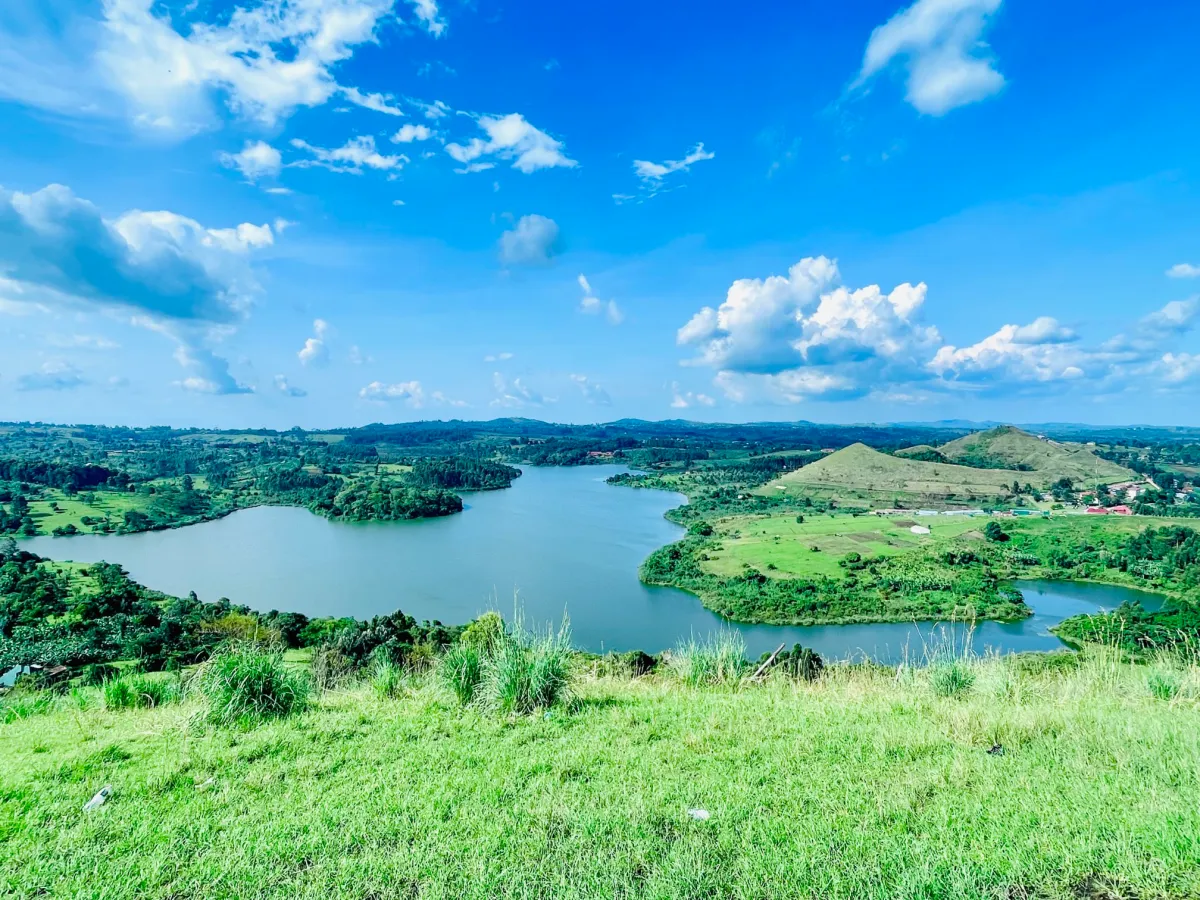
Aerial view of the High Atlas mountains
Tizi n’Tichka route passing by the nearby Berber villages
Great place for capturing landscape pictures and immersing in the culture
Visiting Telouet Kasbah
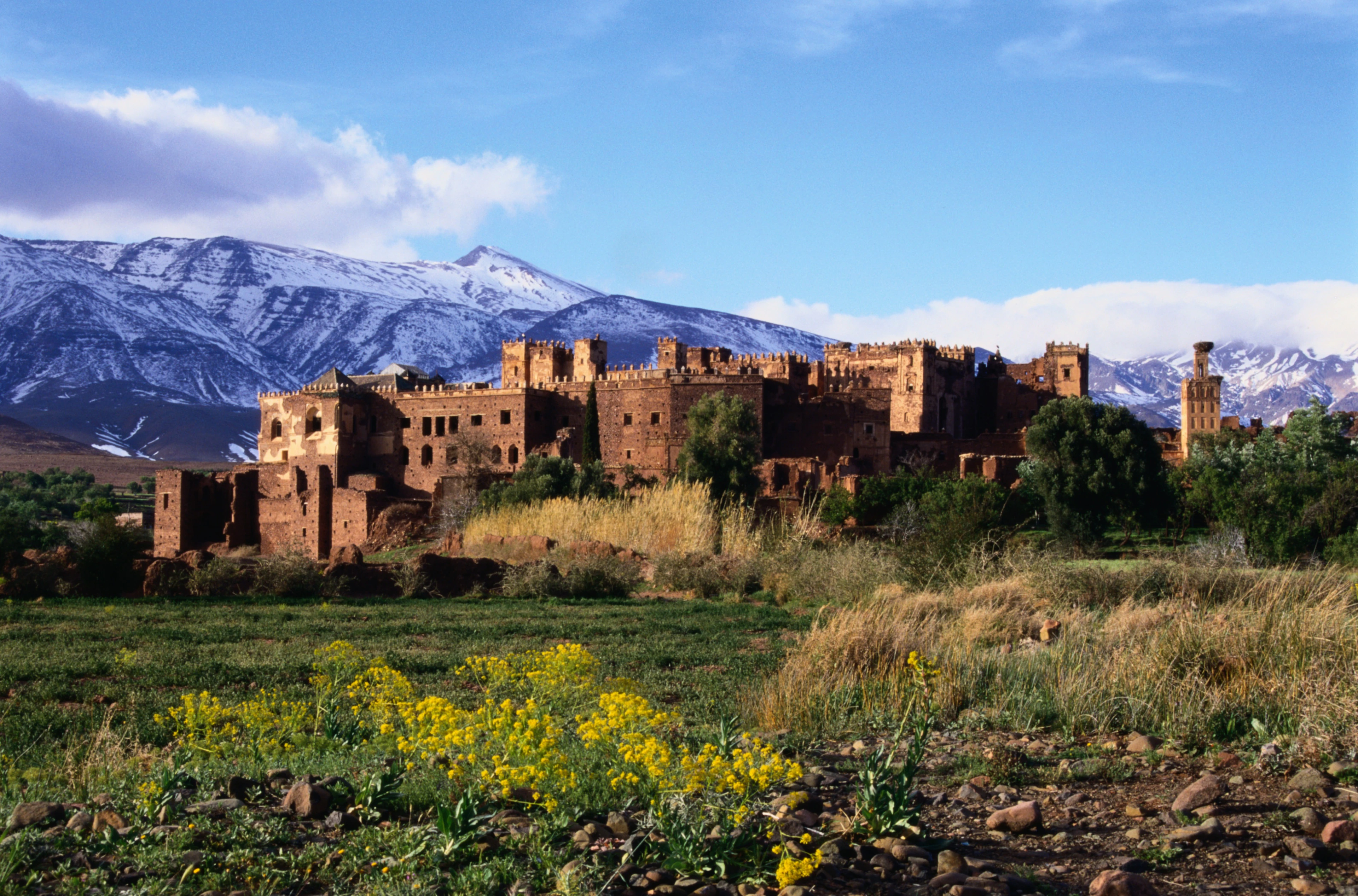
Location: Tizi n’Tichka Pass, the connecting road from Marrakech to Ouarzazate
Recommended Visit Duration: 1–2 hours
Tips: Have a professional guide to explain the historical background
Best Time to Visit
The months of March to May and September to November: mild temperature and unclouded sky
Early time: no trouble with the scorching sun and the light for shooting is also soft
Travel Tips
Strong footwear is needed for walking on the rough and ruined areas
Do not forget drinks and protection from the sun
Having a local guide is the best way to get an understanding of the place's history and architecture
Going through the High Atlas road trip together will give the ultimate experience