 Places to see
 Top Destinations
  Things to do










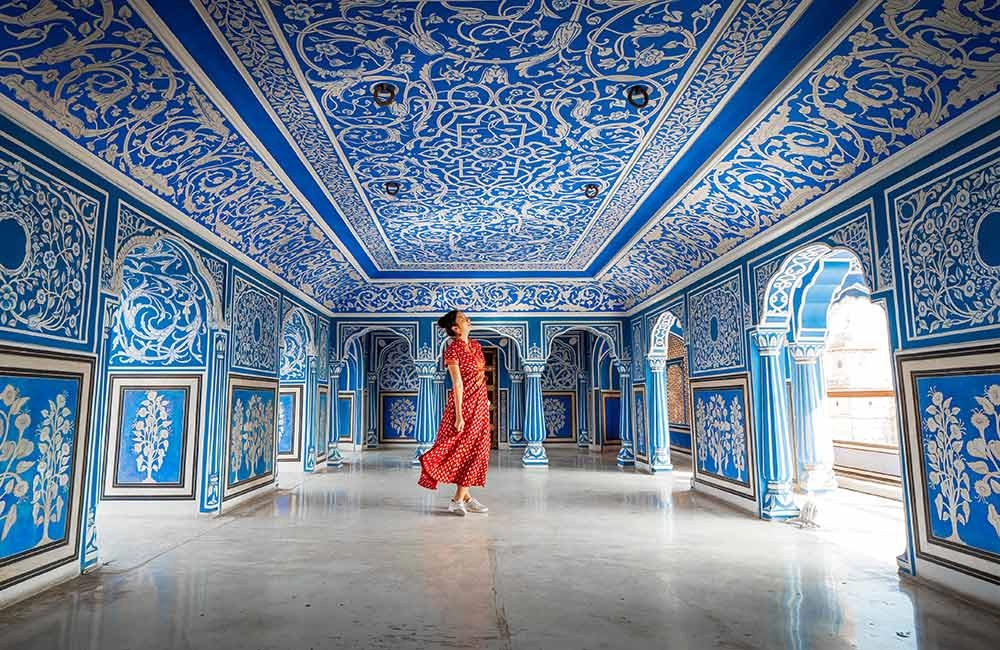
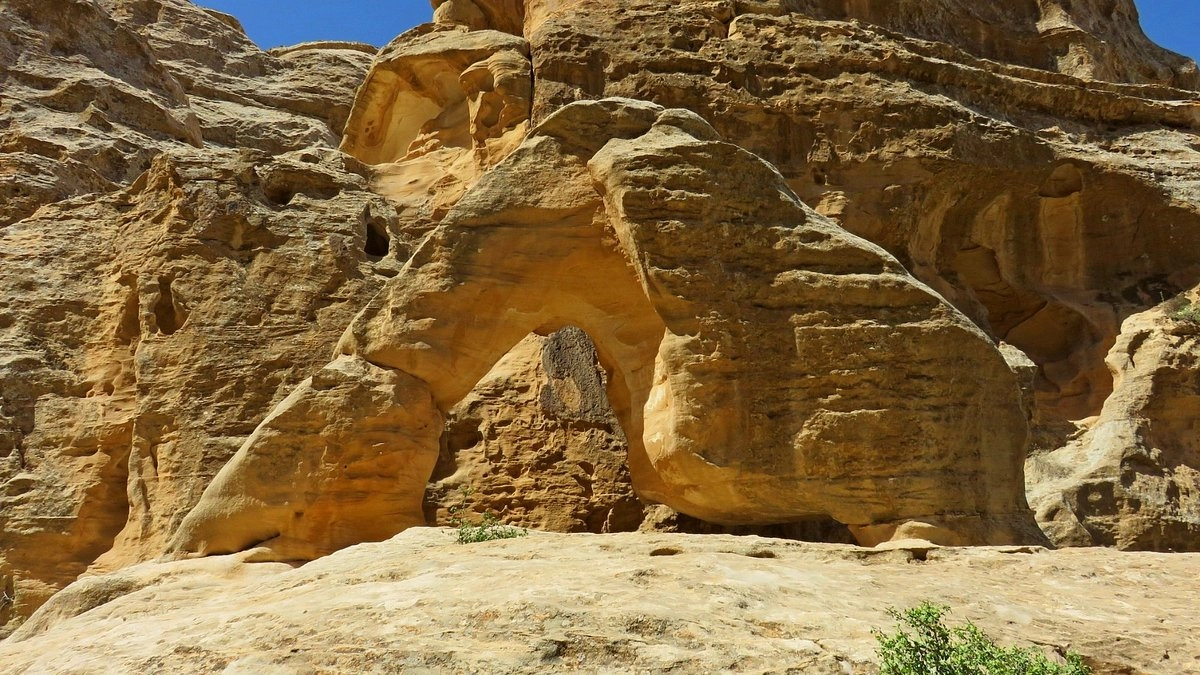
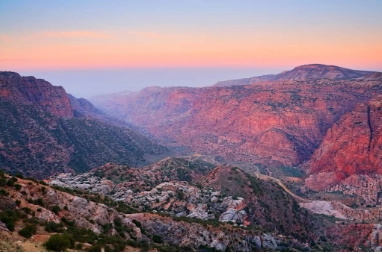
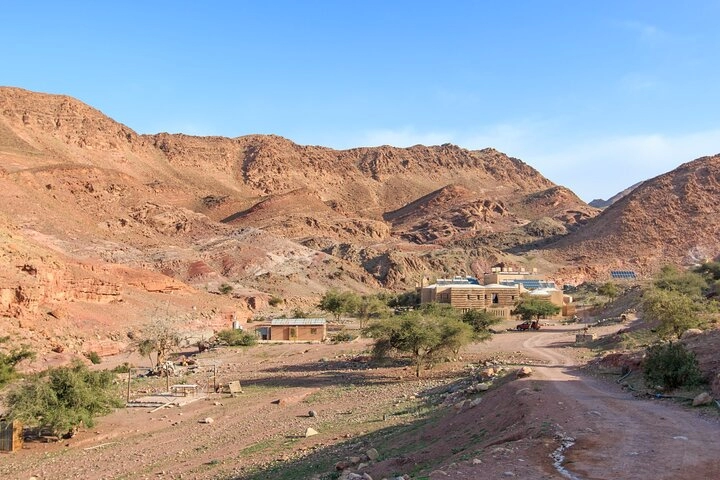
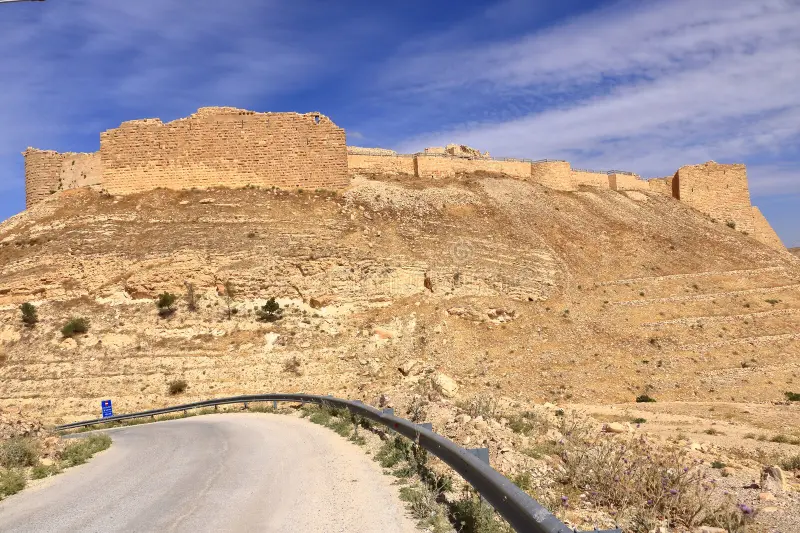
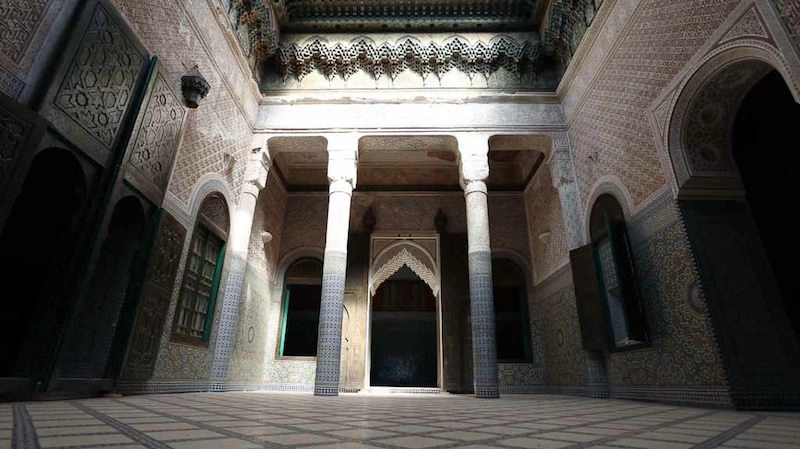
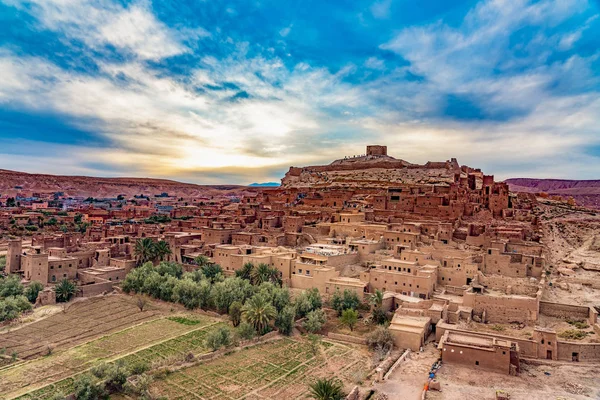
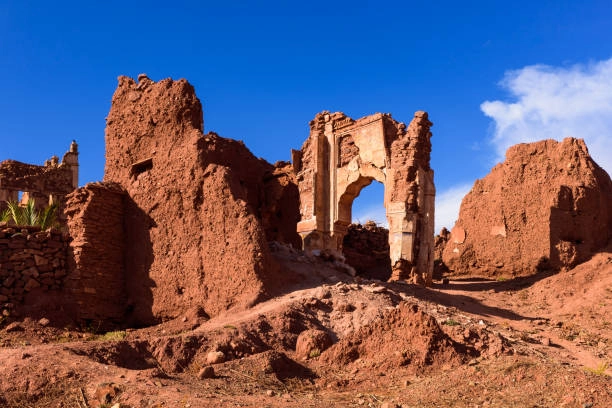
The Glaoui Kasbah in Telouet is undoubtedly one of the most magnificent and telling representations of the Moroccan kingship and opulence. This extremely remote place in the High Atlas Mountains which was once the Glaouis' power base, the family that controlled not only the key trans-Saharan trade routes but also the local politics, was built in 1600s and continuously expanded until the early 20th century. The kasbah is composed of very luxurious rooms with zellij mosaics, carved cedarwood ceilings, and large reception halls that were specifically made to receive and impress the guests of high rank. Even though some parts have been damaged, what remains gives a clear hint about the splendor and might of one of the most powerful Muslim families in Morocco.
The Glaoui Family & Political Influence
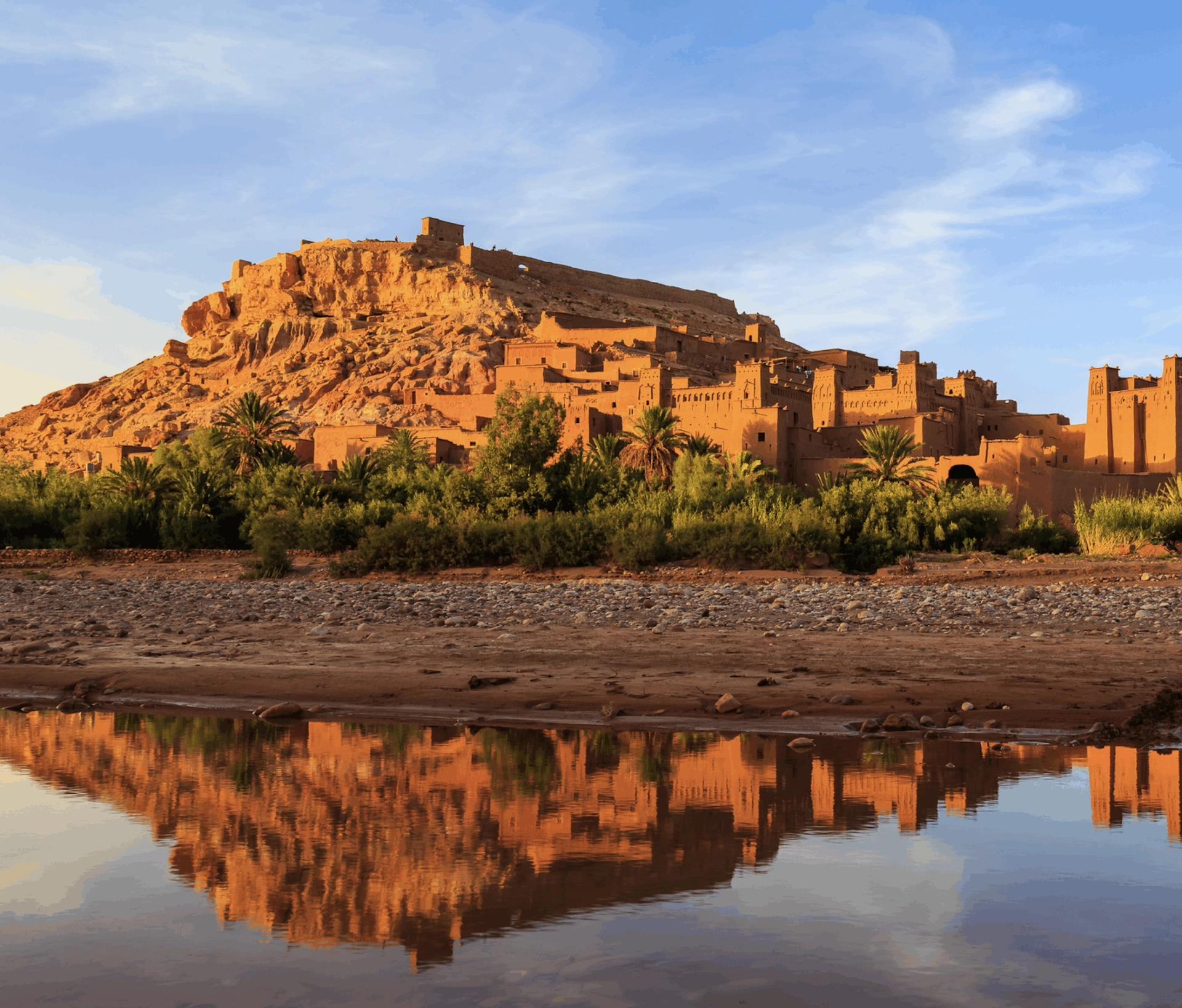
The Glaoui family held the title of Pashas in Marrakech They were able to keep control over the trade routes through the High Atlas Mountains They were at the the center of the whole French Protectorate period
Architectural Luxury
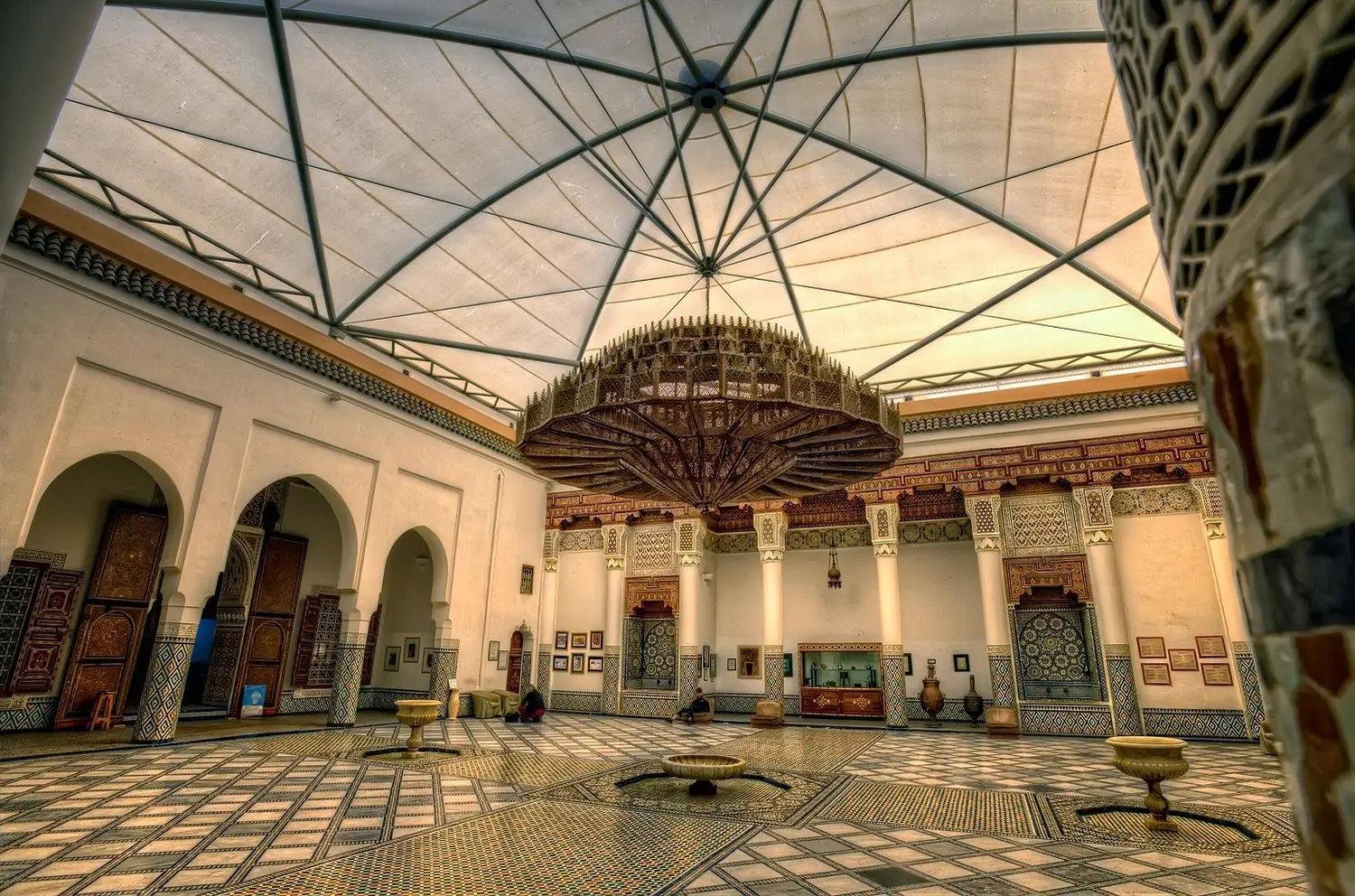
Zellij tilework and painted plaster that were very skillfully done The cedarwood ceilings and monumental doors were of great luxury Beautified salons that were made for formal receptions were as well done
Power, Ceremony & Daily Life
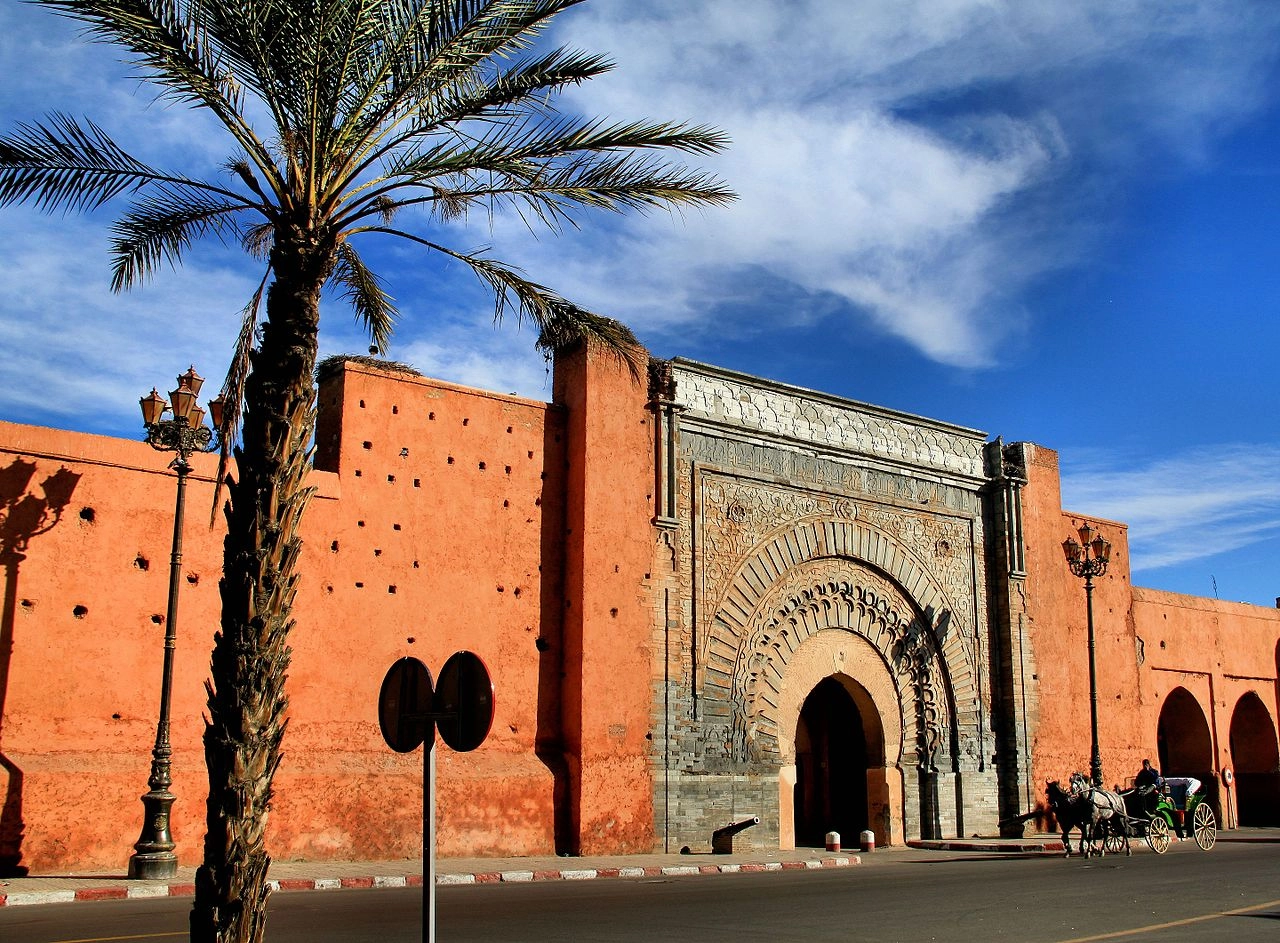
By enabling the family’s influence and power over the region, the kasbah became the site of political events such as the signing of treaties and the king’s celebrations.
Exploring the Kasbah Today
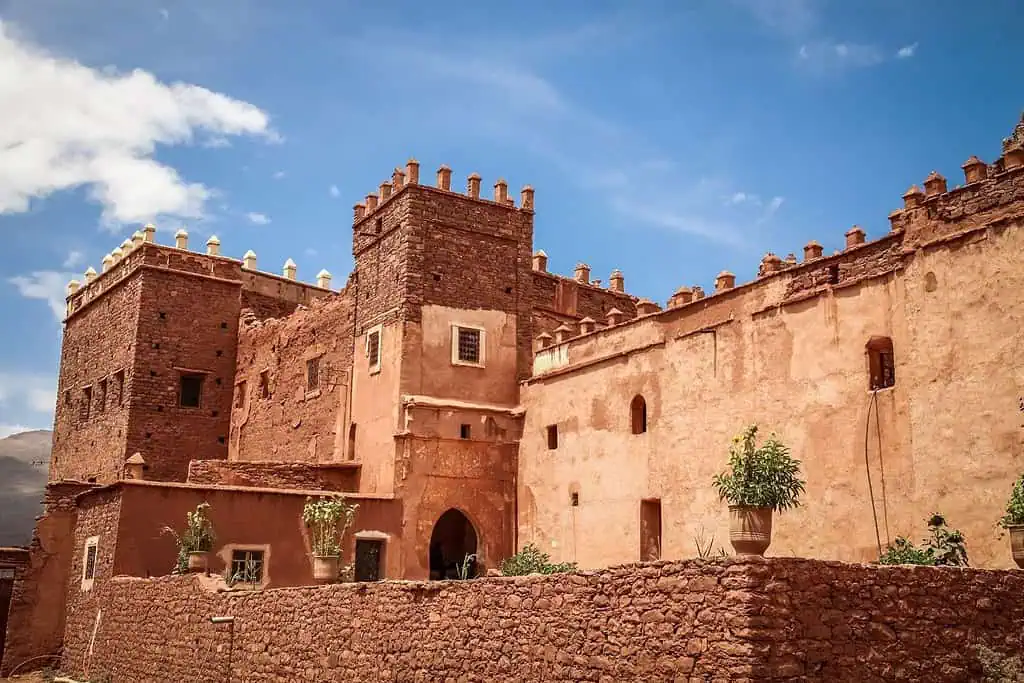
Rooms that have been restored next to ruins that are full of atmosphere Visits with a guide that tell about the symbolism and history of the place Telouet village and the Atlas Mountains can be seen from a panoramic height
Location & Access
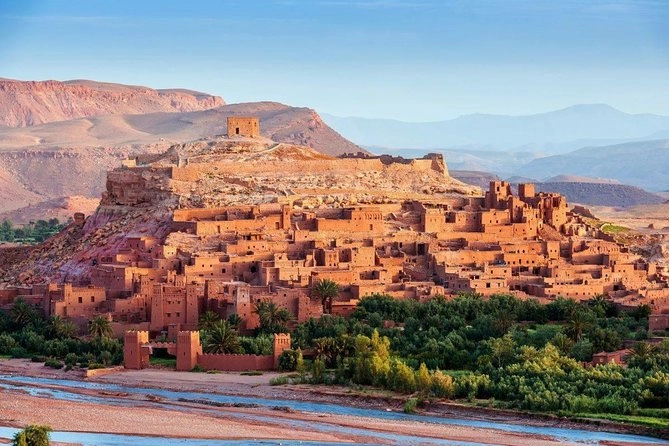
The kasbah is situated on the ancient caravan route connecting Marrakech to Ouarzazate The place can be reached via the beautiful Tizi n’Tichka Pass
Best Time to Visit
Spring and Autumn: Comfortable temperatures and clear mountain views Morning: Less crowded and more photographs can be taken because the light is better
Travel Tips
Wear shoes that can endure and are comfortable, as the surfaces can be rough Get the services of a local guide to get a better understanding of the past Bring along water and sunscreen Make it into a heritage route together with Aït Ben Haddou or Skoura