 Places to see
 Top Destinations
  Things to do











































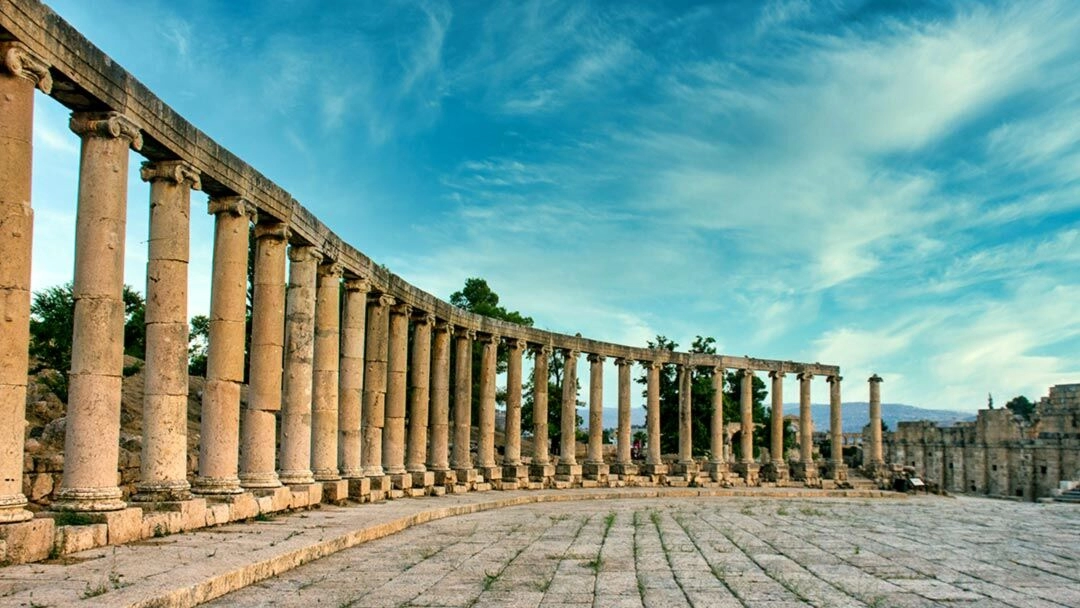
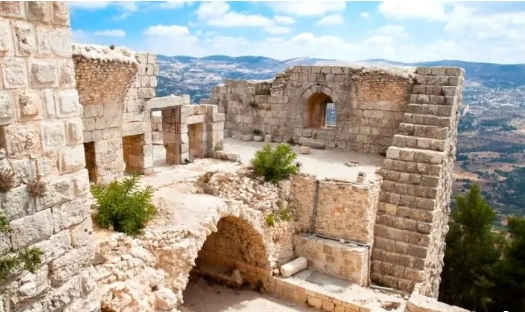
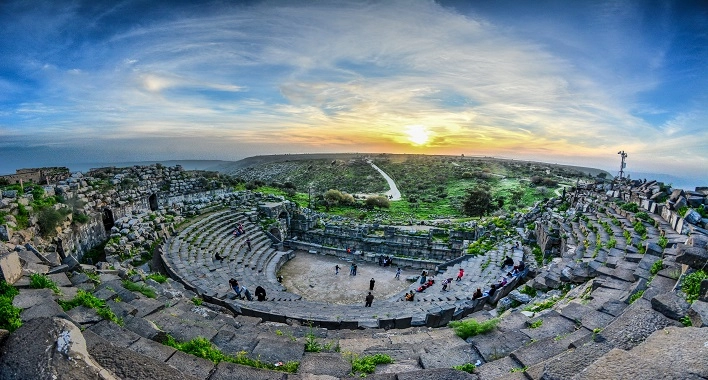
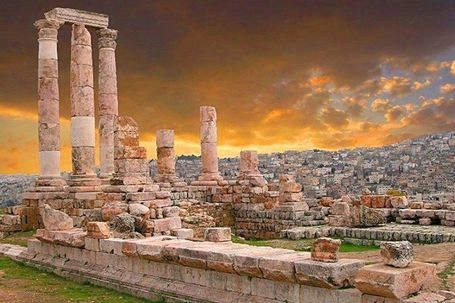
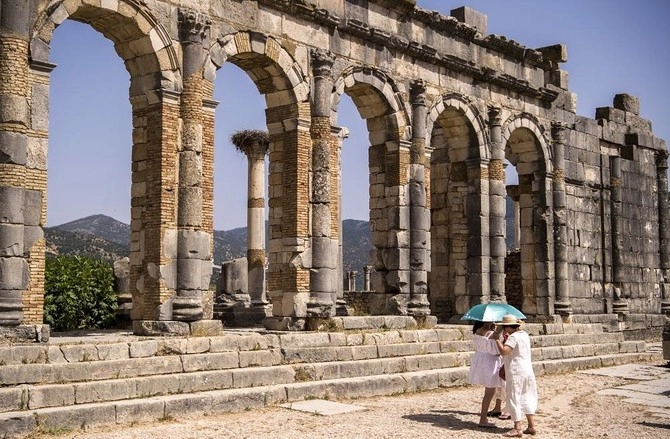
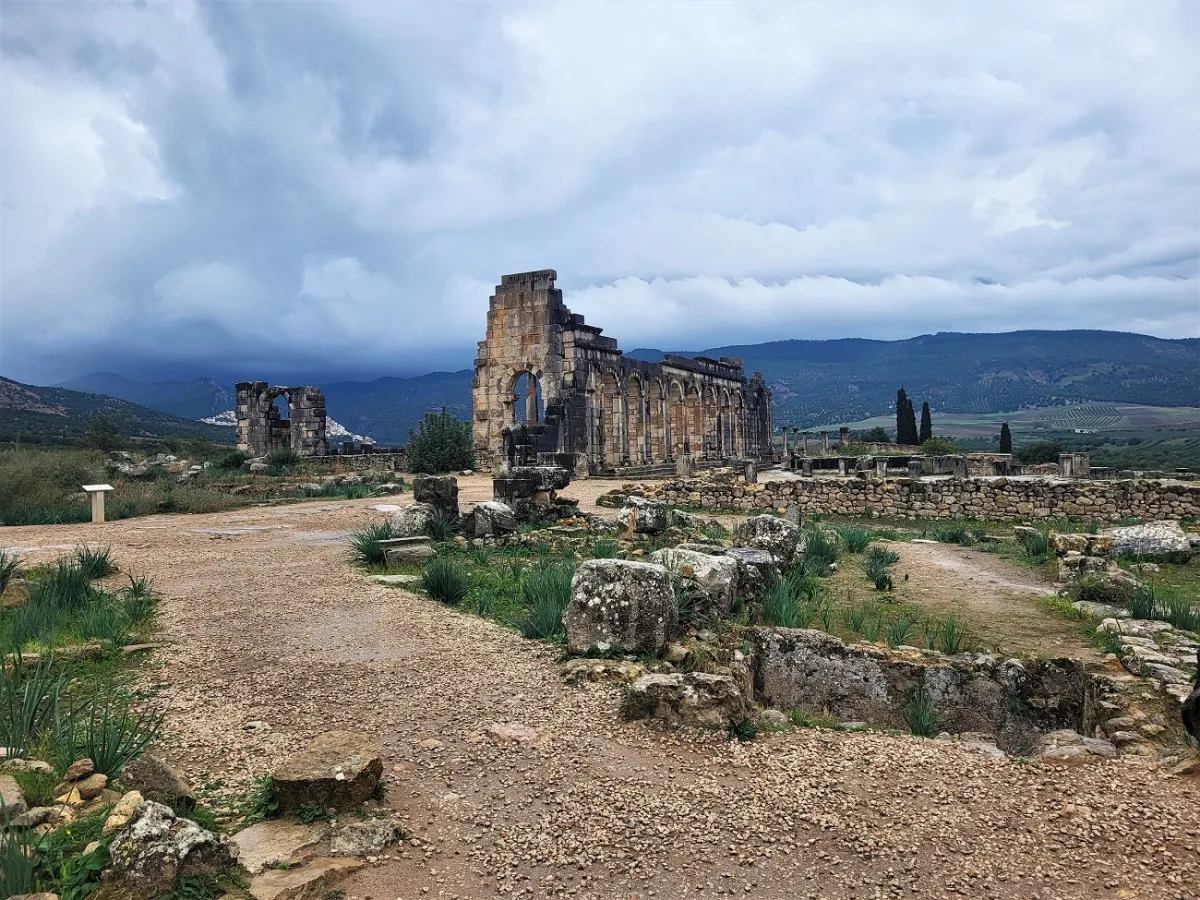
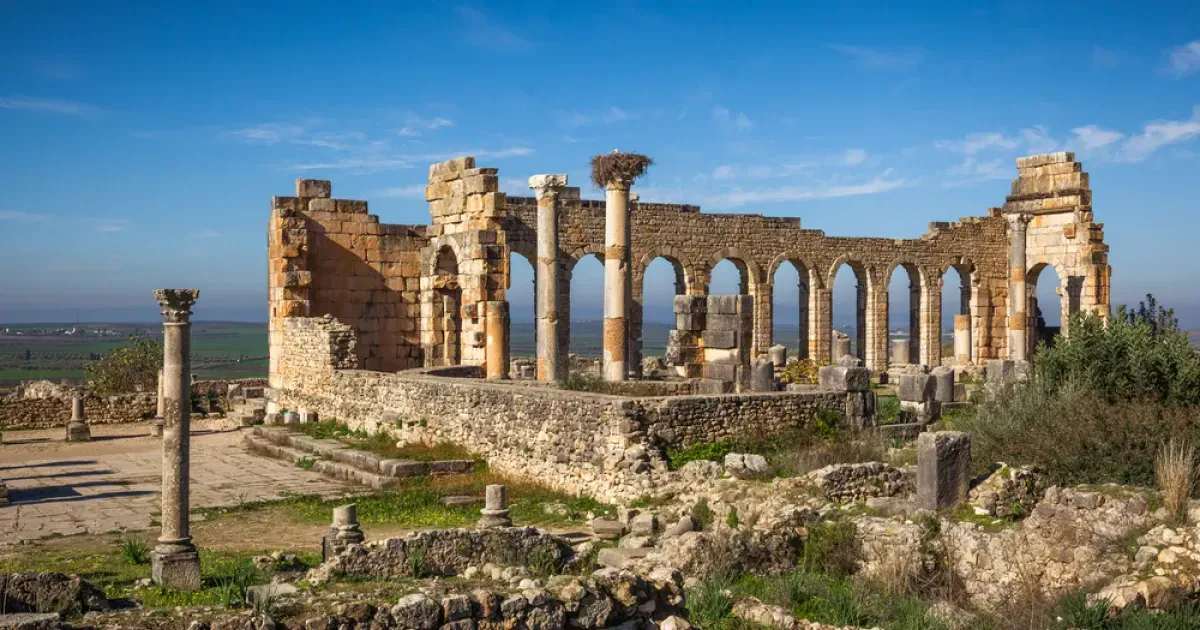
Among the surviving pieces of Roman art in North Africa, the mosaics of Volubilis are the most magnificent. These intricate stone artworks that adorned the floors of affluent Roman dwellings in 2nd and 3rd century AD have been retreating to the past. The mosaics are showing scenes from different areas of mythology, nature, and even portraying daily life highlighting both the artistic mastery as well as the wealth of Volubilis during Roman times. The remains of most mosaics are still in their original locations giving the tourists a chance to witness the Roman artistry amidst its actual architectural setting.
Artistic Style & Techniques

The artwork was made by using thousands of small stone tiles (tesserae) Natural pigments were used in earthy tones Good shading and perspective techniques were applied.
Mythological Themes
the Romans' worshipped gods and goddesses heroes and stories of legends Icons of power and virtue by denoting them
Scenes of Daily Life
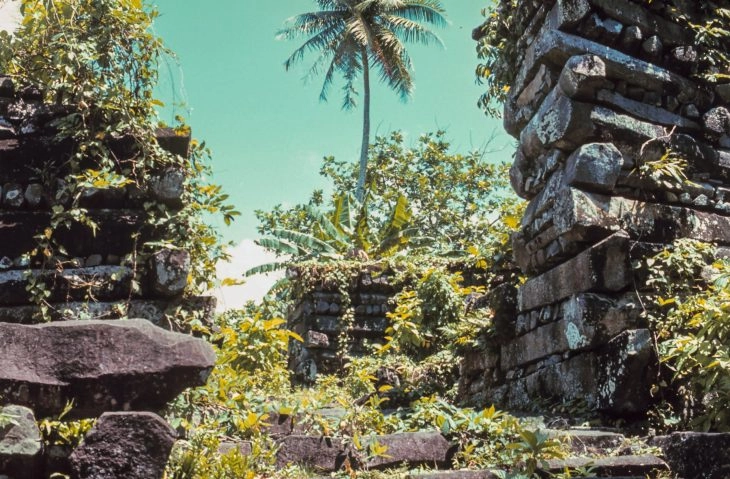
Activities like olive harvesting were carried out in agriculture There were animals, hunting scenes, and rural life Roman domestic culture became familiar through the comics
Best-Preserved Mosaic Houses

The House of Orpheus The House of Dionysus The House of the Labors of Hercules
Preservation & Conservation
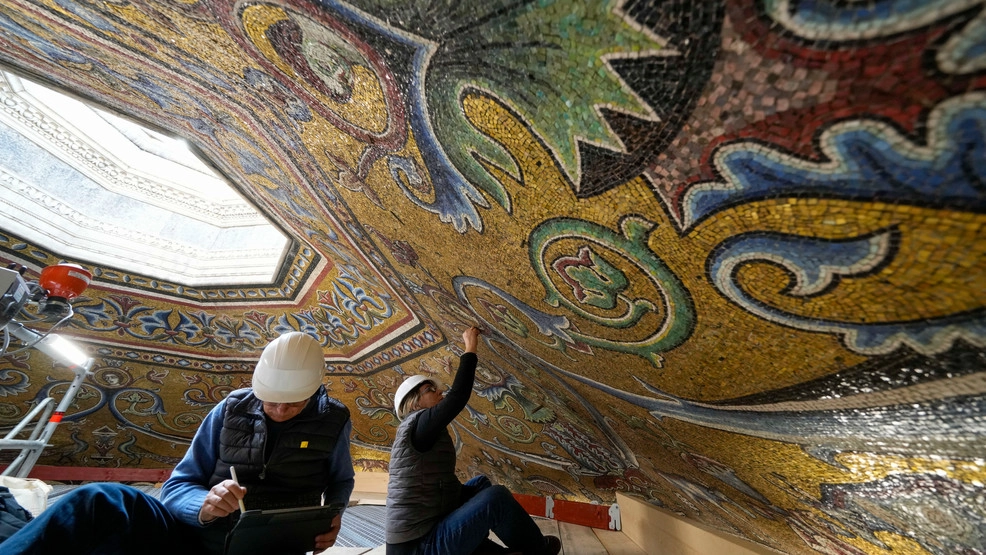
The original spots for many mosaics are still their places The efforts for the preservation are still on-going The mosaics are protected from bad weather and foot traffic
Visiting Tips
The lighting in the early morning is the best for the visit Do not walk on the mosaics that are exposed A guided tour can be taken for more profound insight A full tour of the Volubilis ruins can be combined with it