 Places to see
 Top Destinations
  Things to do







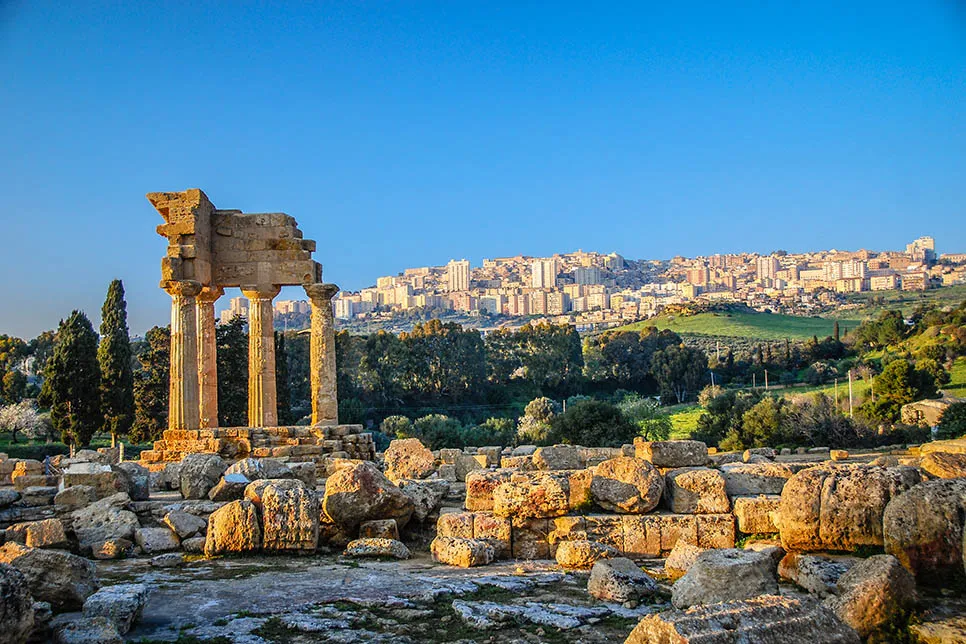







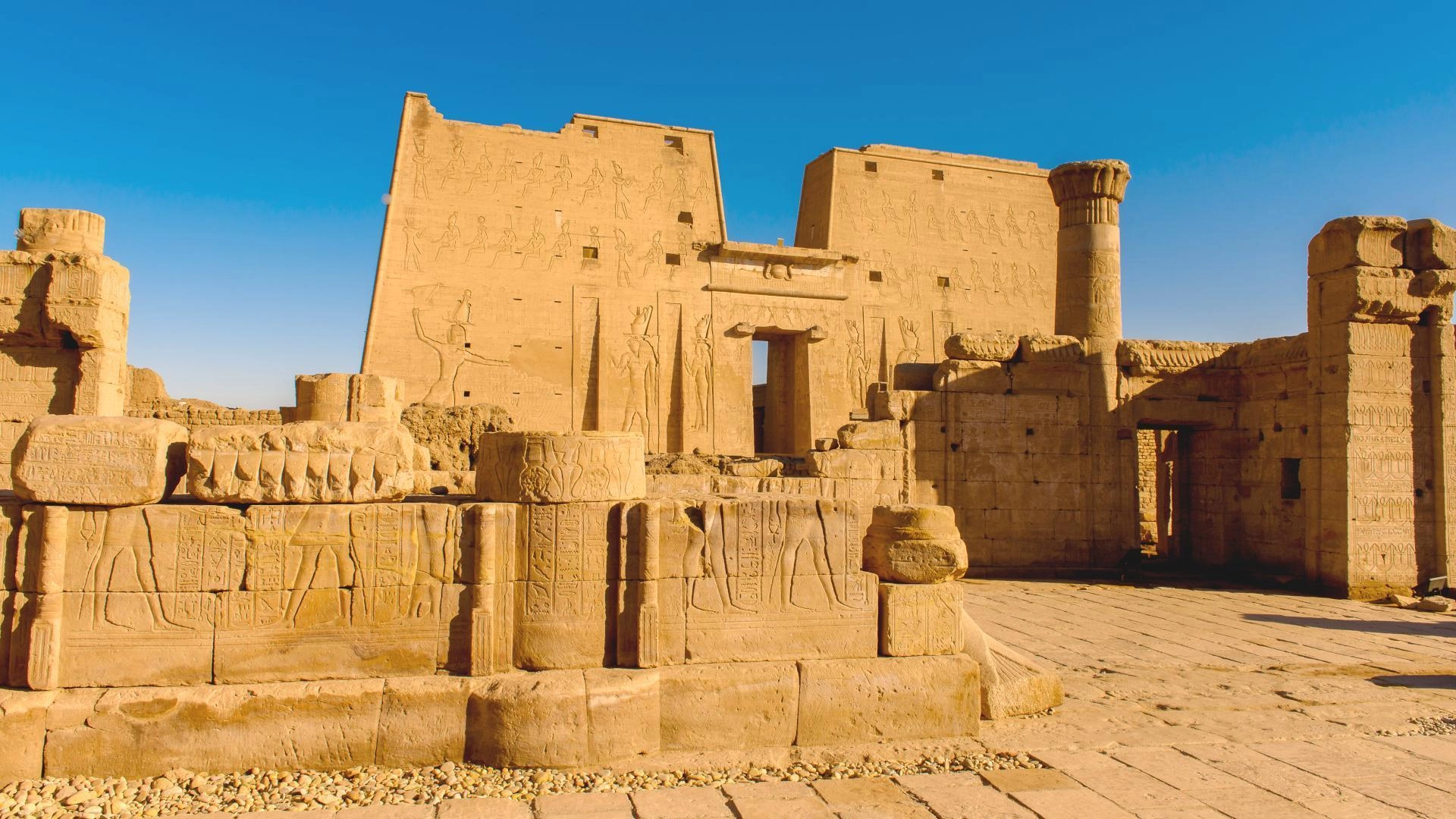
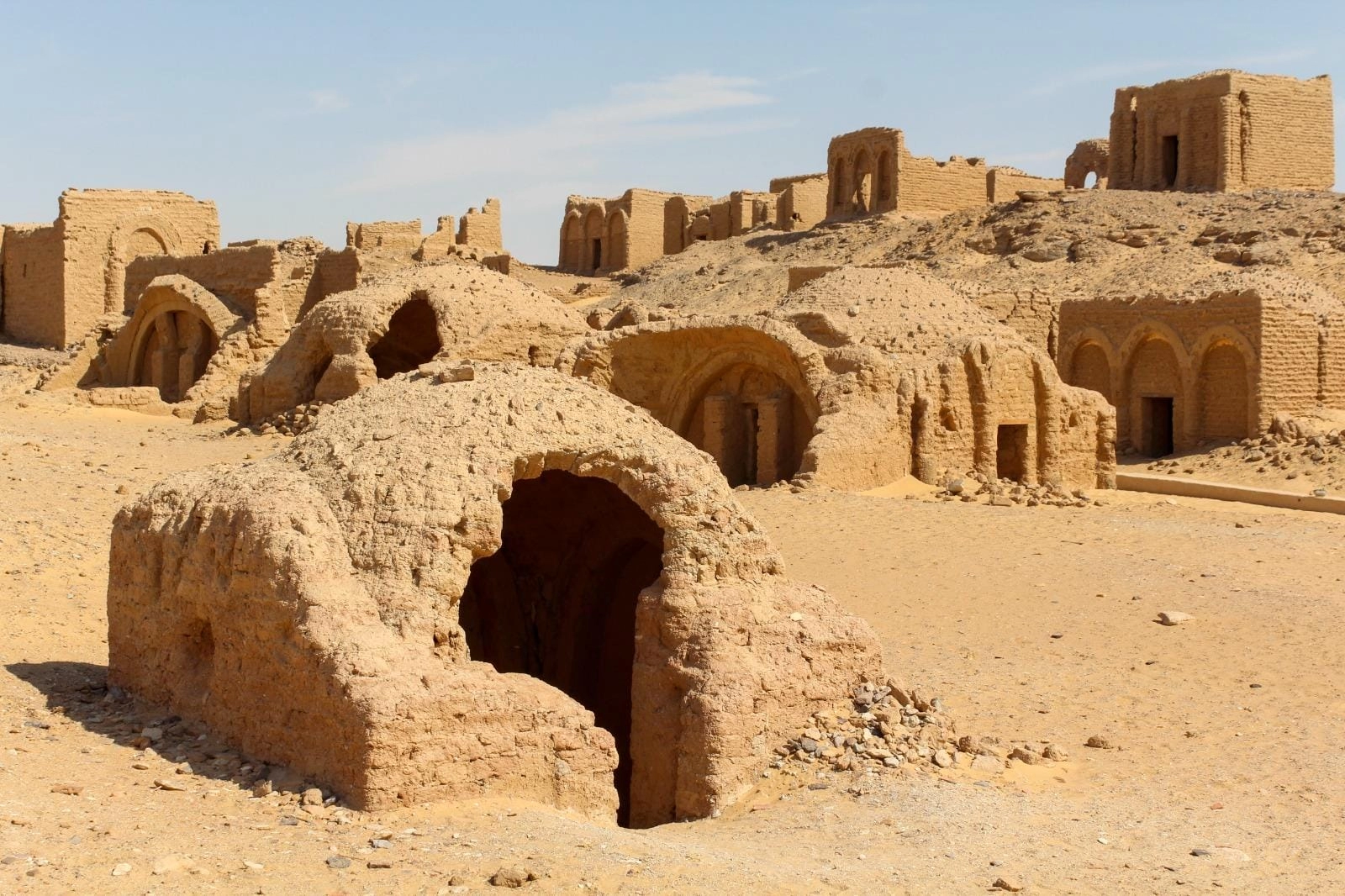
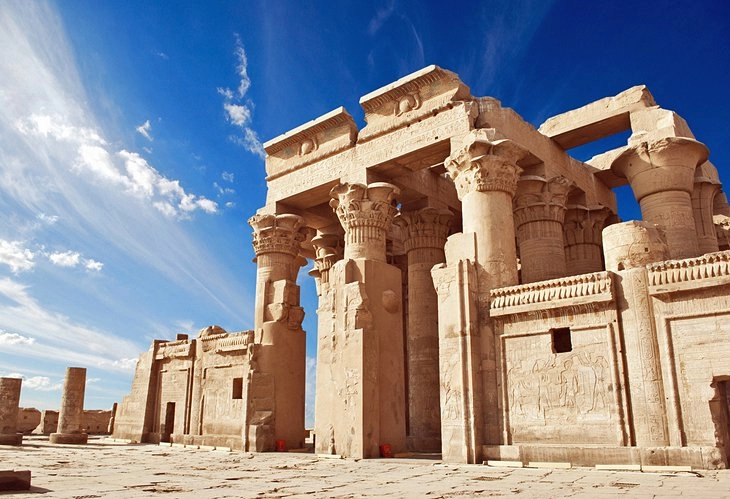
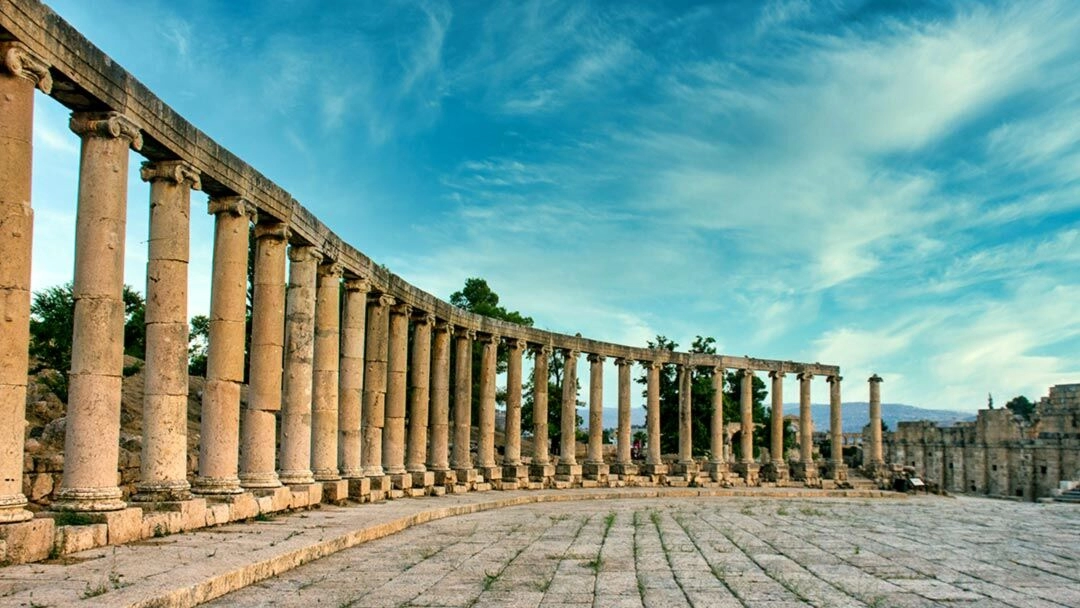
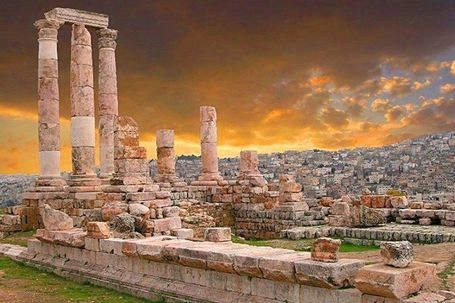
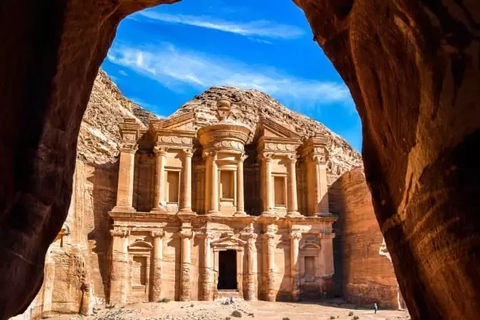
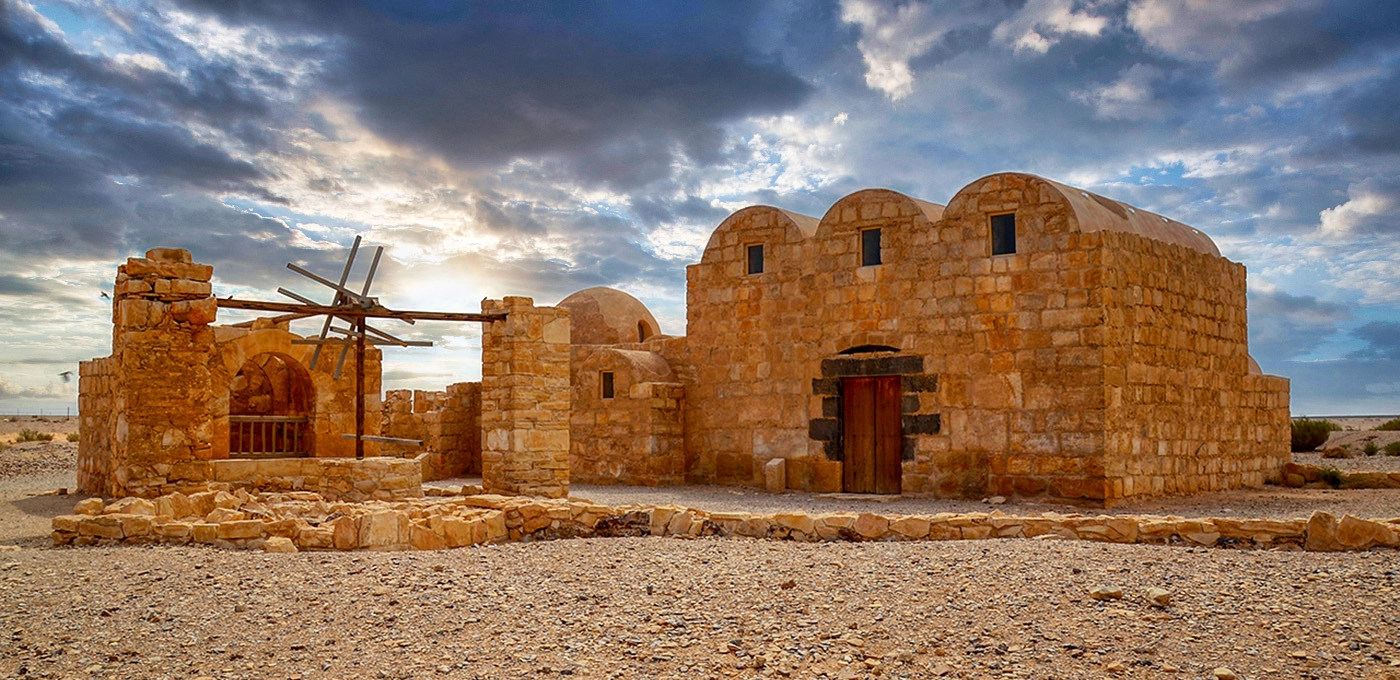
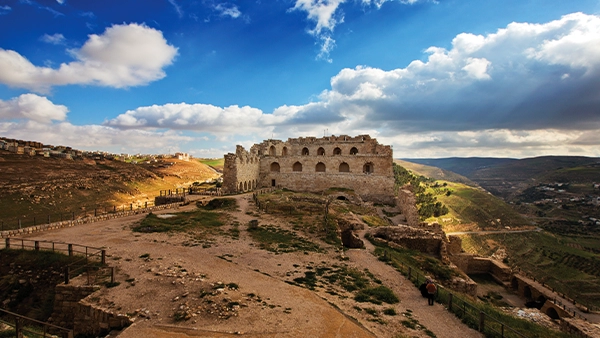

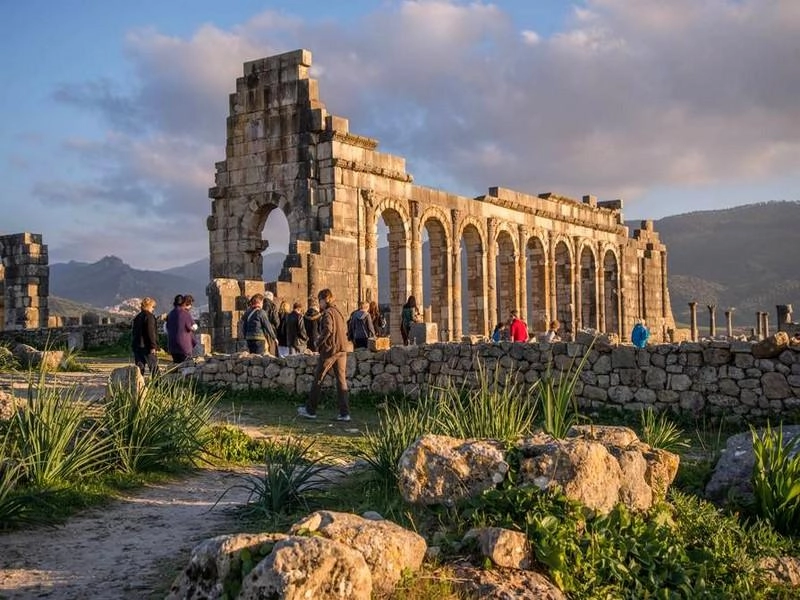
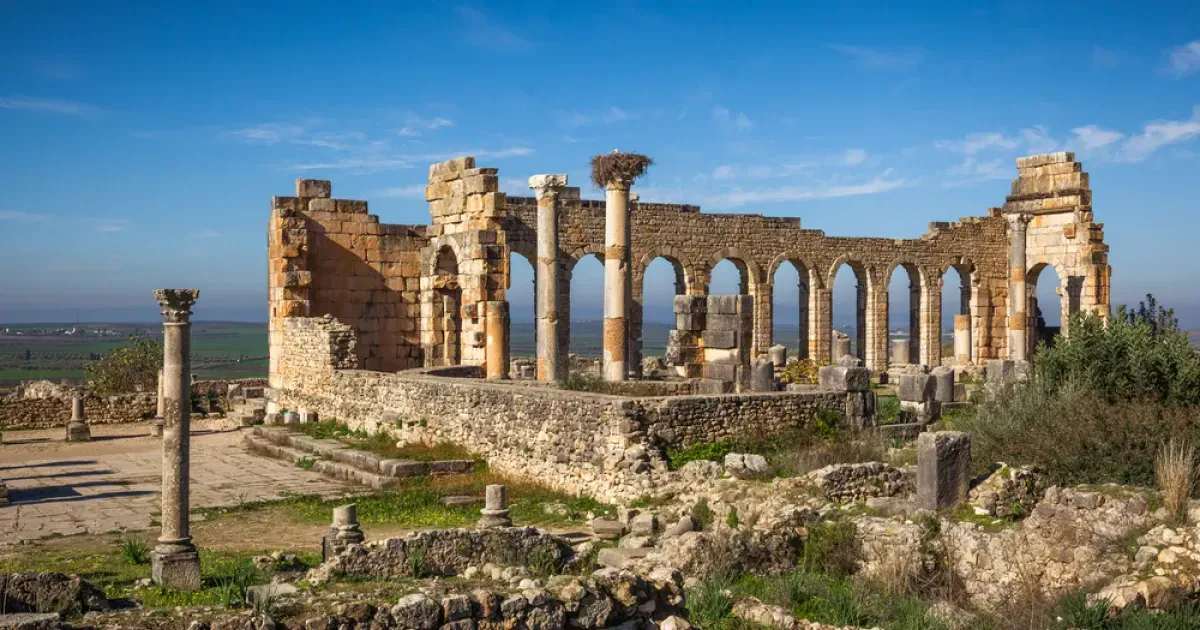
Volubilis is a magnificent archaeological site and a UNESCO World Heritage Site, being one of the most important Roman remains in North Africa. The town was located close to Meknes in northern Morocco and was the main city of the Roman province of Mauretania Tingitana during the time from the 1st to the 3rd century AD. The city that once existed can still be seen through the ruins that are still standing. These ruins consist of triumphal arches, basilicas, temples, and residential villas that give a clear and lively picture of urban Roman life at the edge of the Empire. With rich soil surrounding it, the Volubilis site was always flourishing due to its olives and was, therefore, a place where the Romans and the local people mingled and exchanged ideas culturally.
Historical Importance

Became a significant city of the Roman Empire The city that produced and traded a lot of olive oil
UNESCO World Heritage Recognition
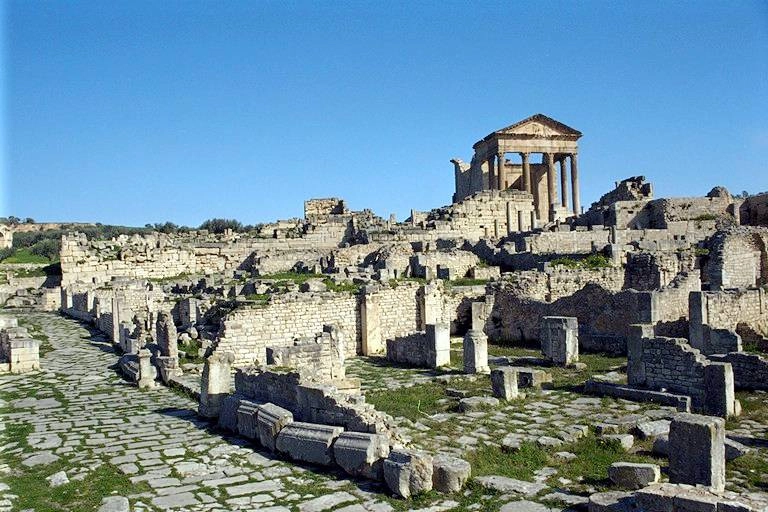
Listed in 1997 Urban planning was considered outstanding and Roman Monuments and mosaics were original and preserved
Key Monuments & Ruins
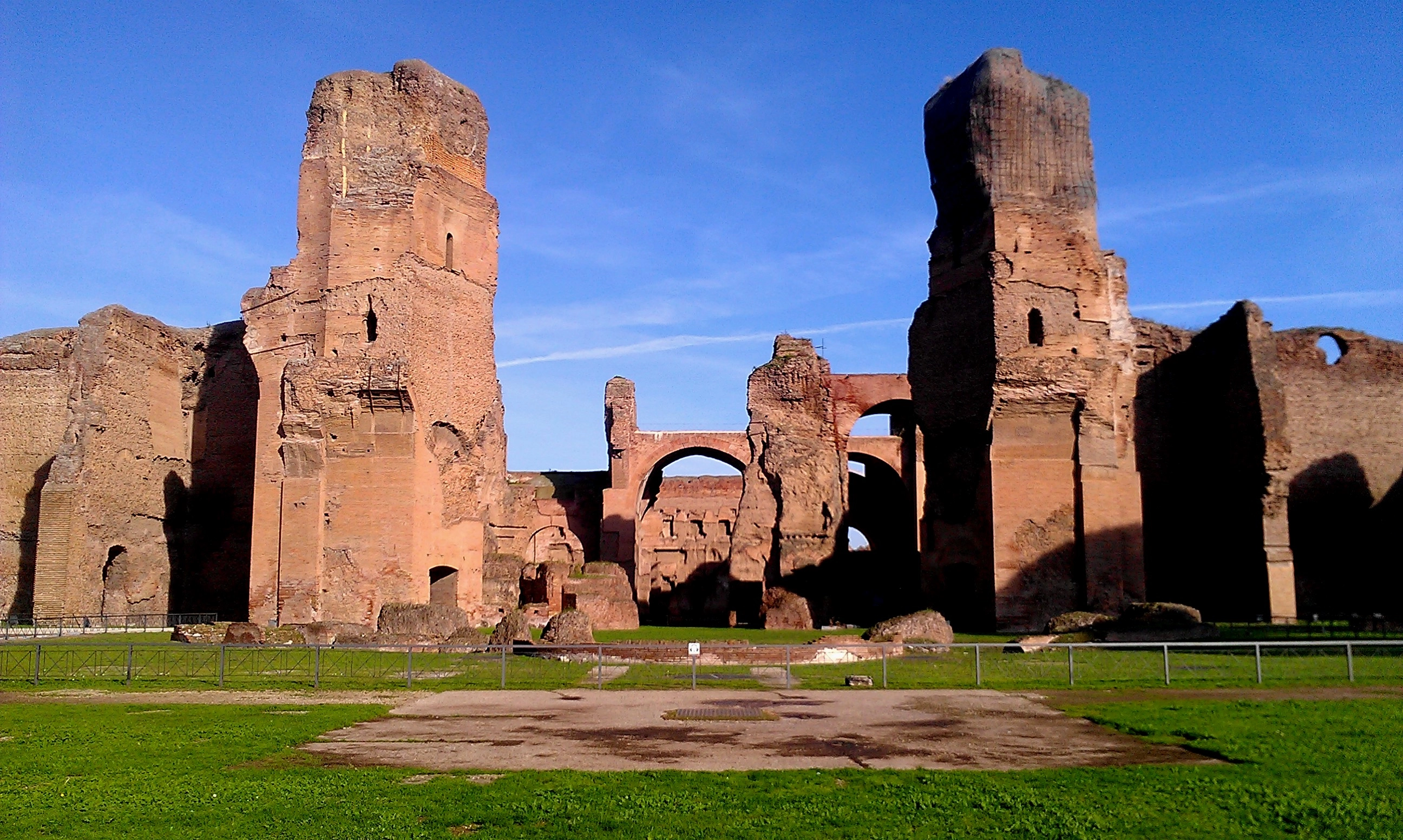
Caracalla's triumphal arch Basilica and Capitol temple The public baths and streets with paved area
Roman Villas & Mosaics
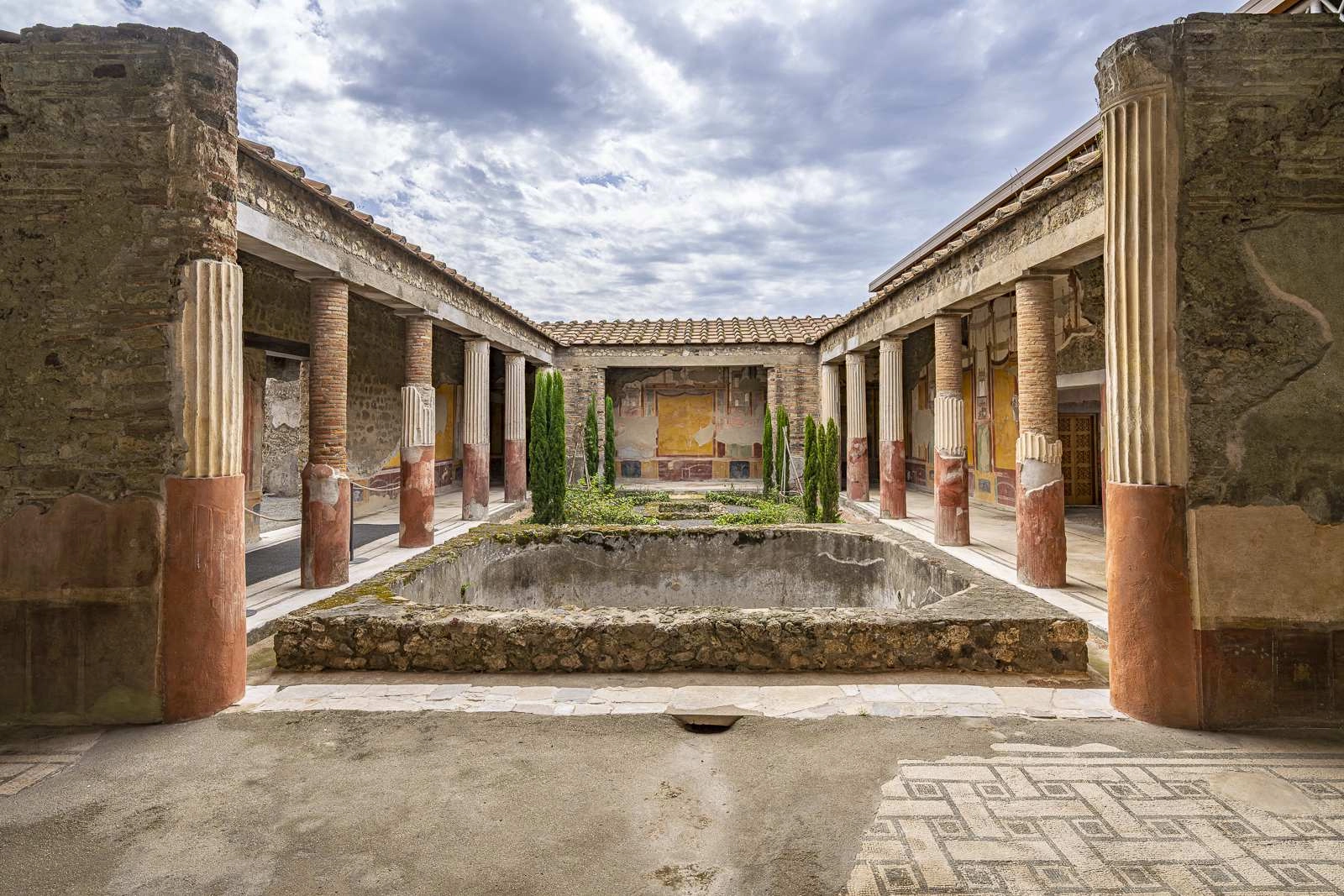
Mansions of rich families with beautiful mosaic floors Scenes from mythology and daily life Importance for art and culture
Location & Scenic Setting
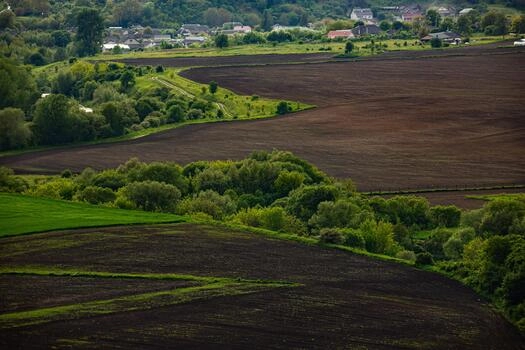
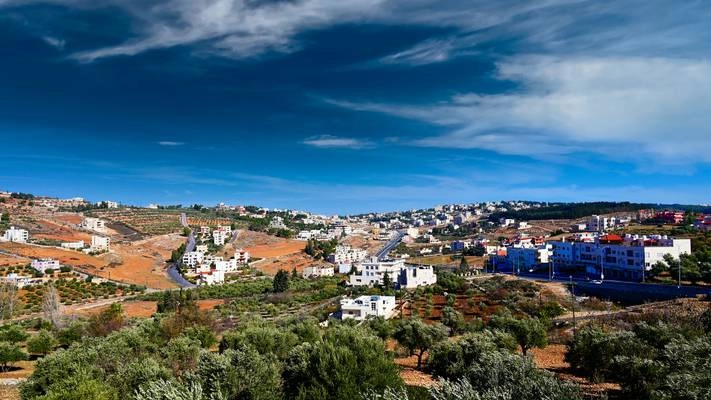
Positioned to overlook the land of fertile crops Views over the Zerhoun hills are wide Quiet and calm rural area
Nowadays Volubilis is a touristic place
Trails for walking and information boards Tours are guided and on demand It is a common place to have a rest on the way between Meknes and Fes
When is the best time to visit?
Spring (March–May): The weather is mild and the landscapes are green Autumn (September–November): The temperatures are average
Visitor tips
Wear footwear for walking that is comfortable Sun protection and water should be brought Follow the rules for preservation with care A combination of visiting Meknes and Moulay Idriss Zerhoun is recommended