 Places to see
 Top Destinations
  Things to do

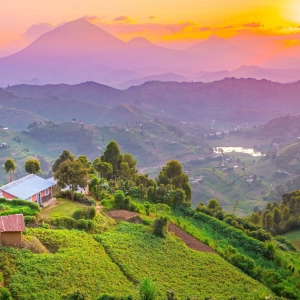
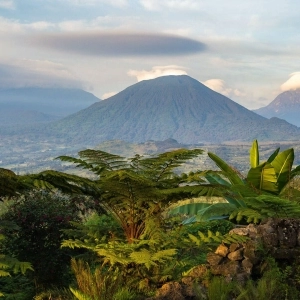








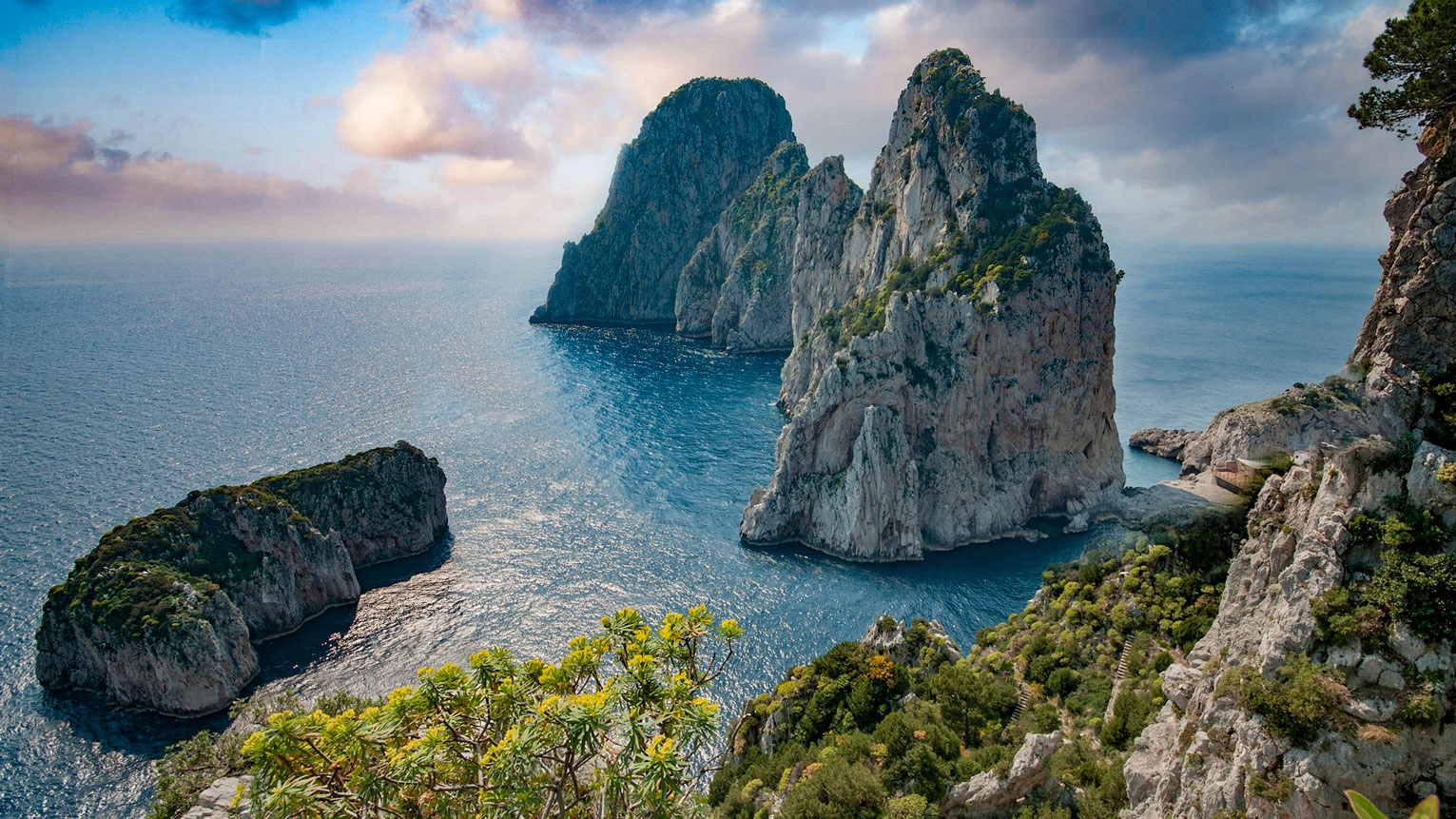
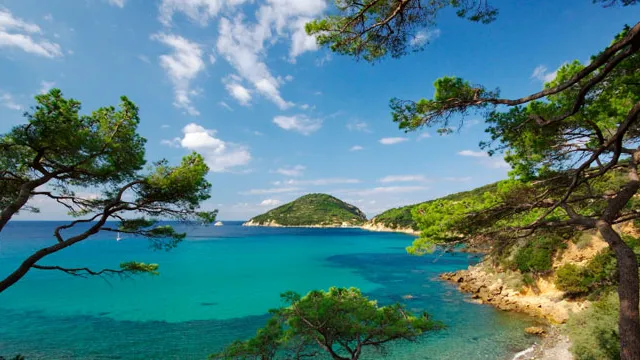
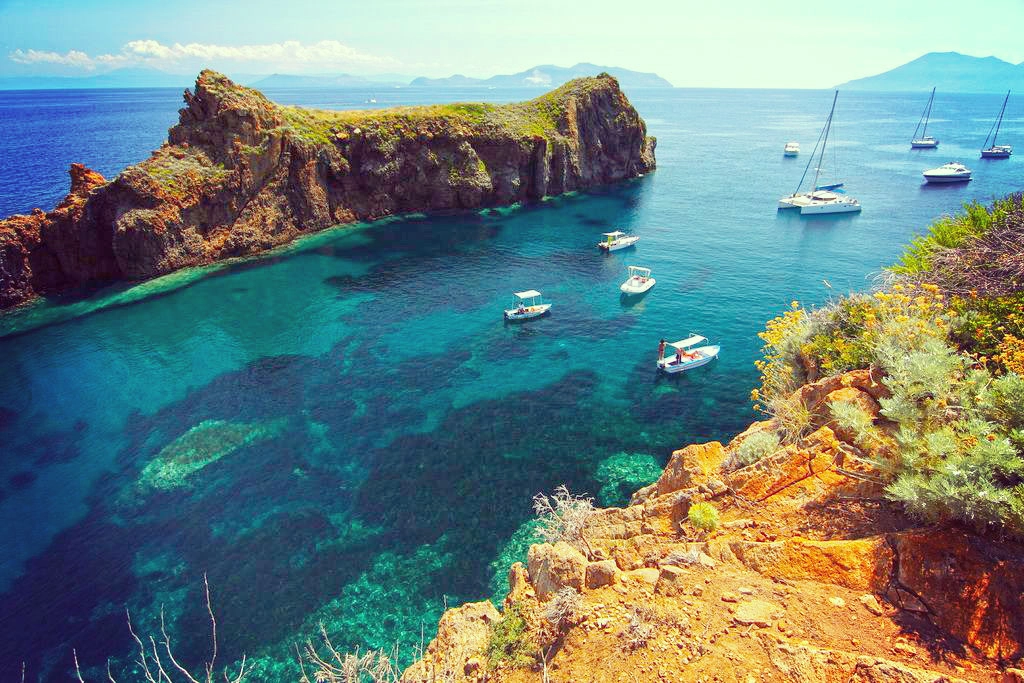
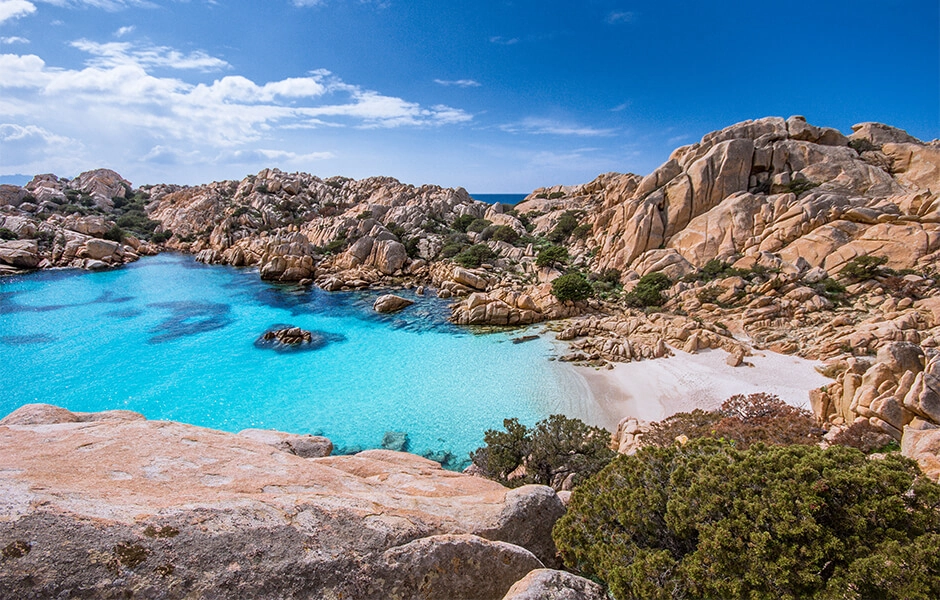


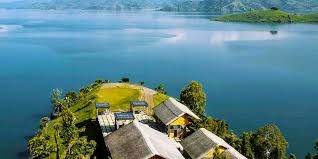


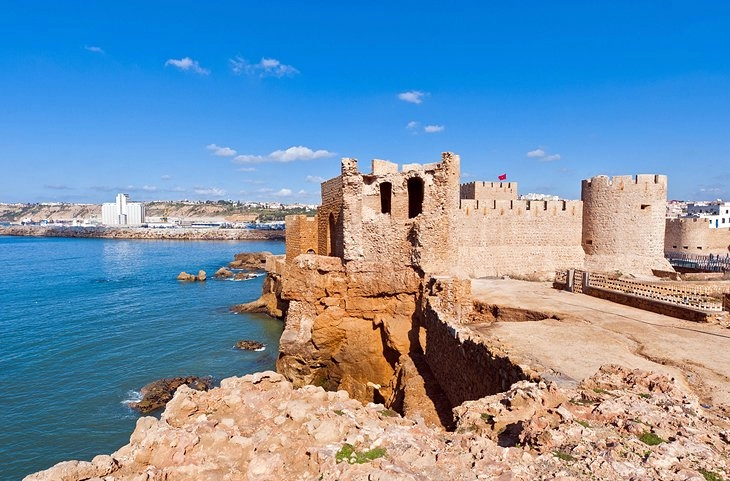
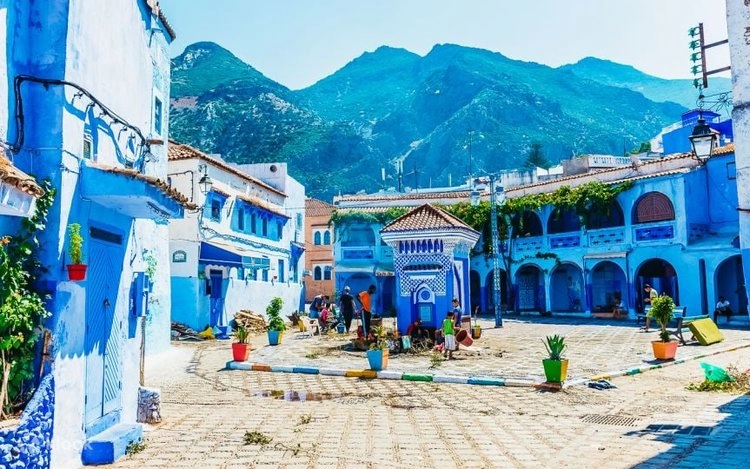
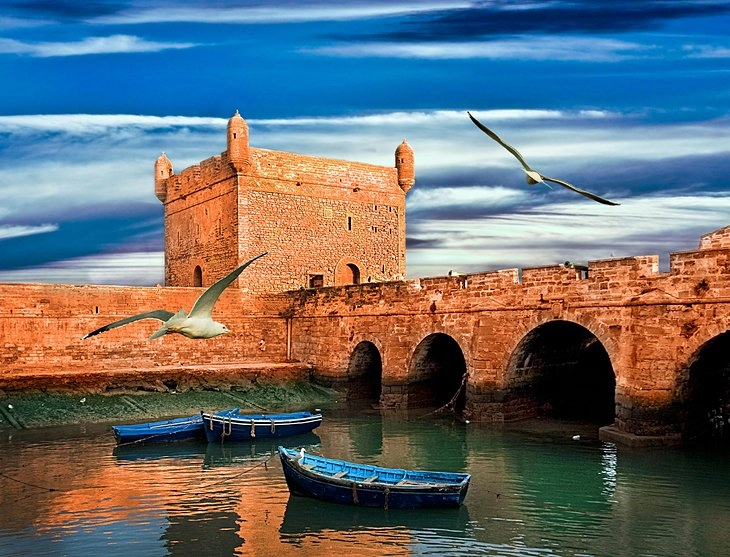
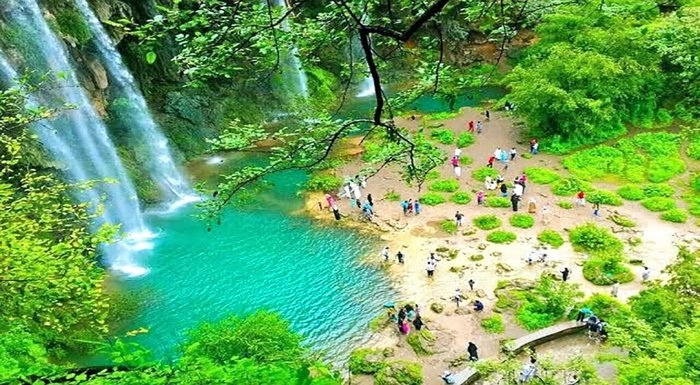
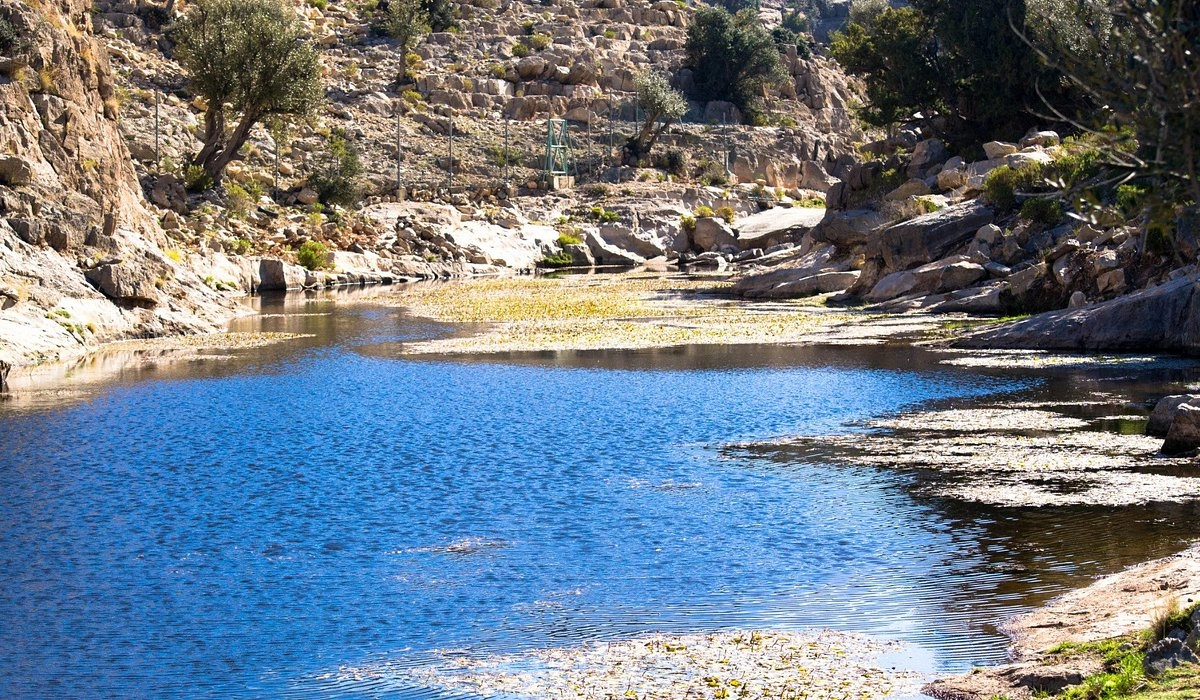
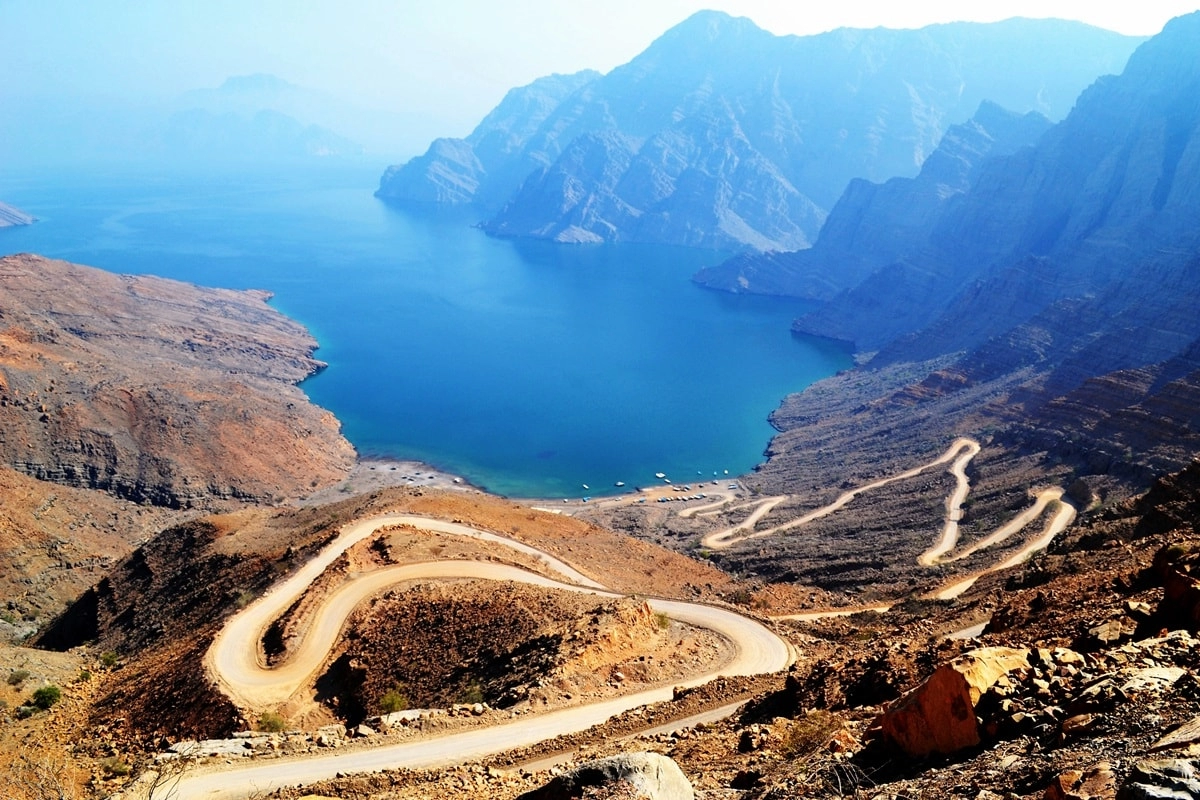





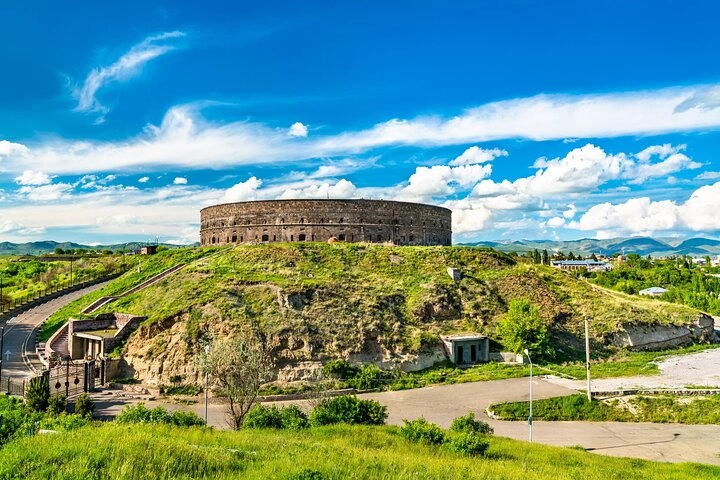
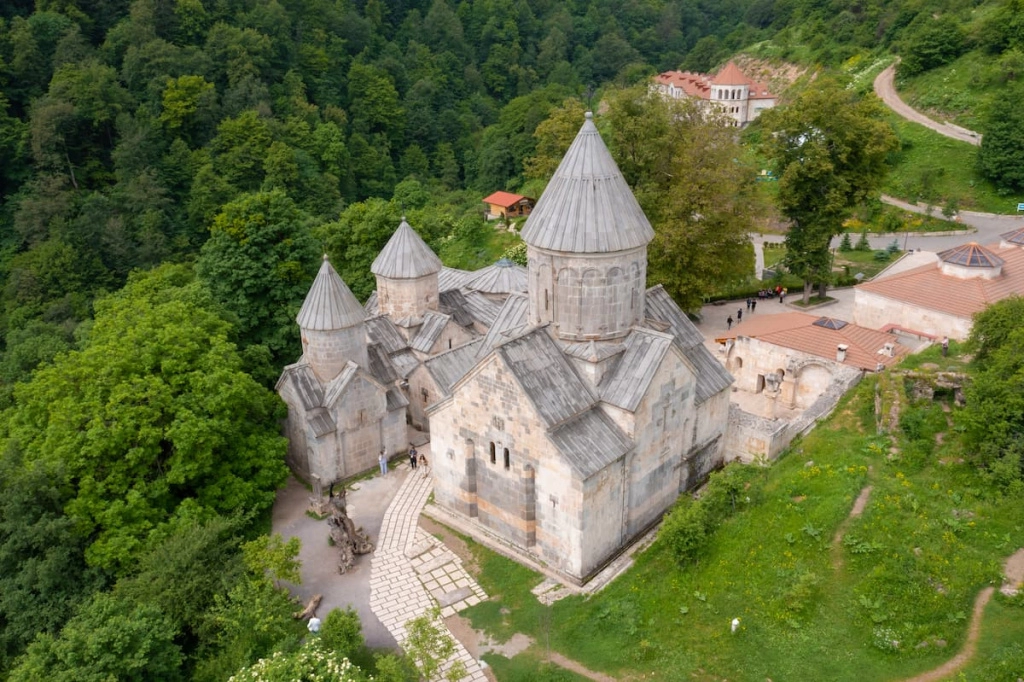
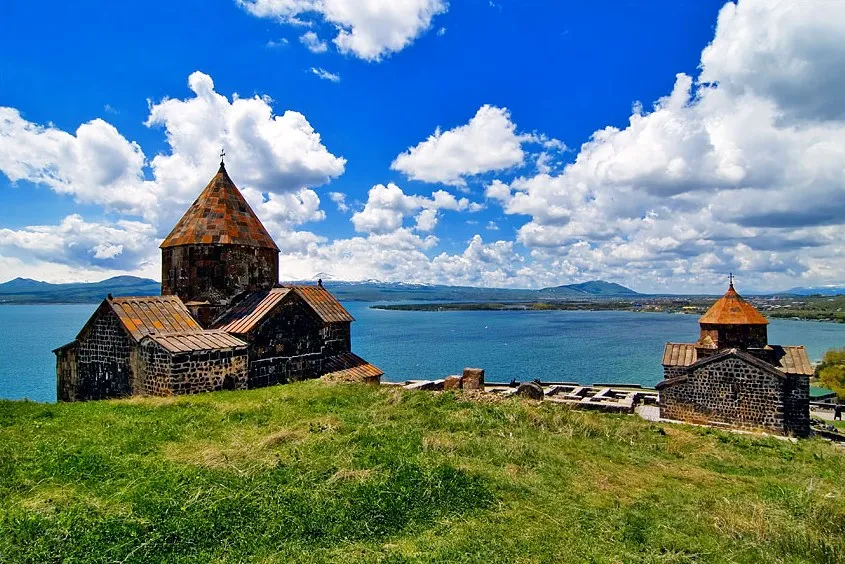
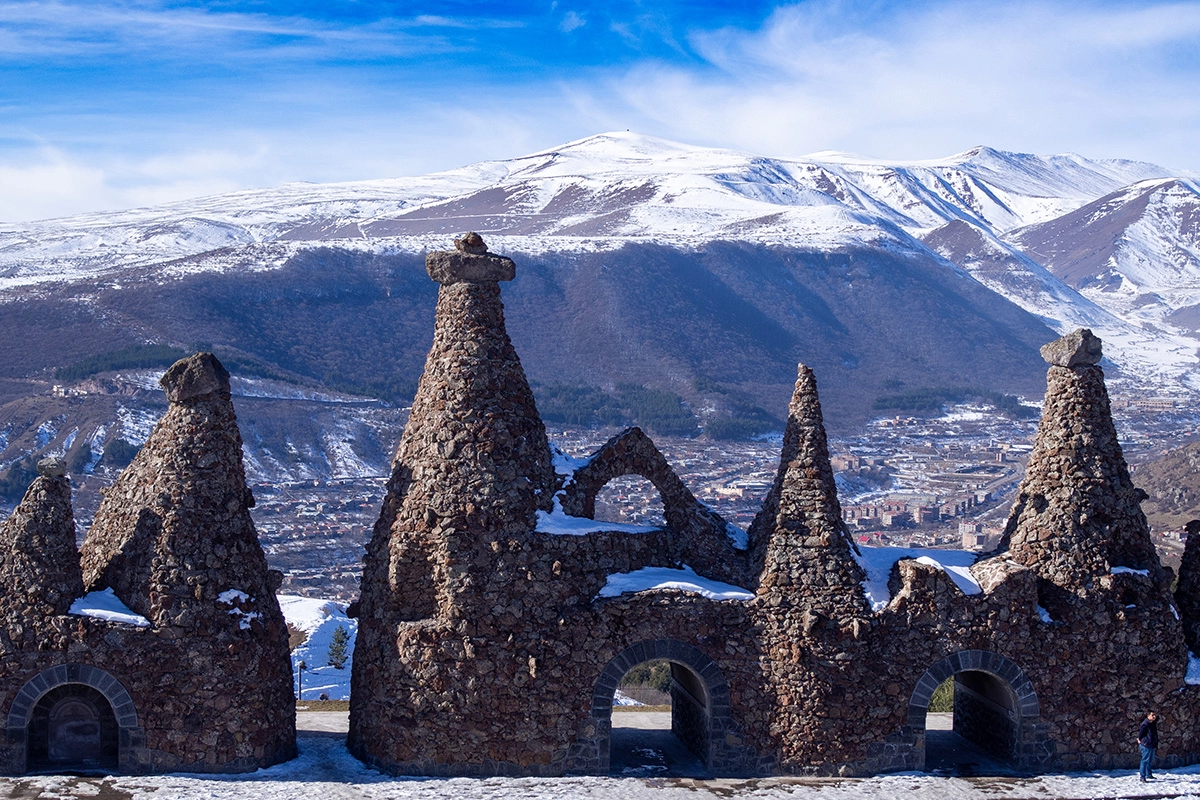


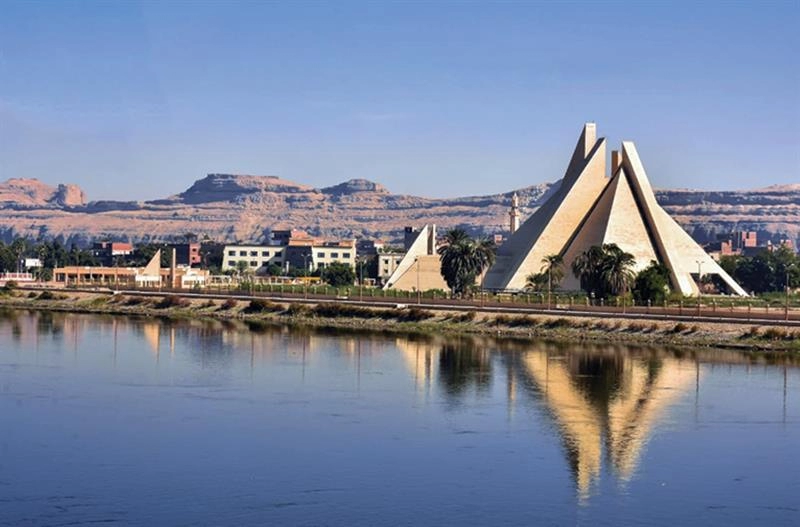
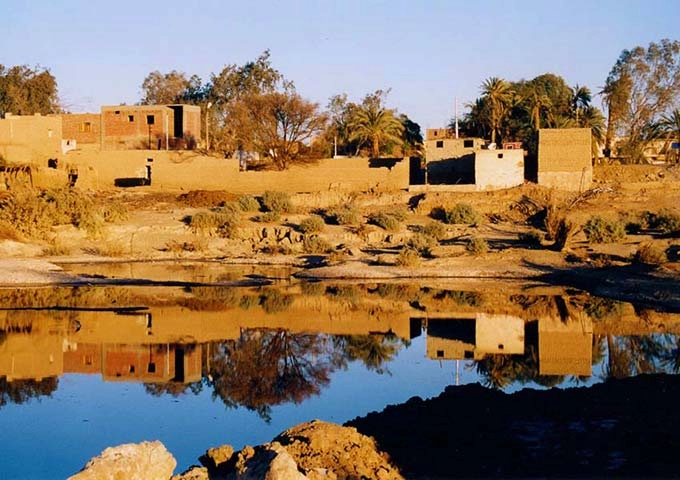
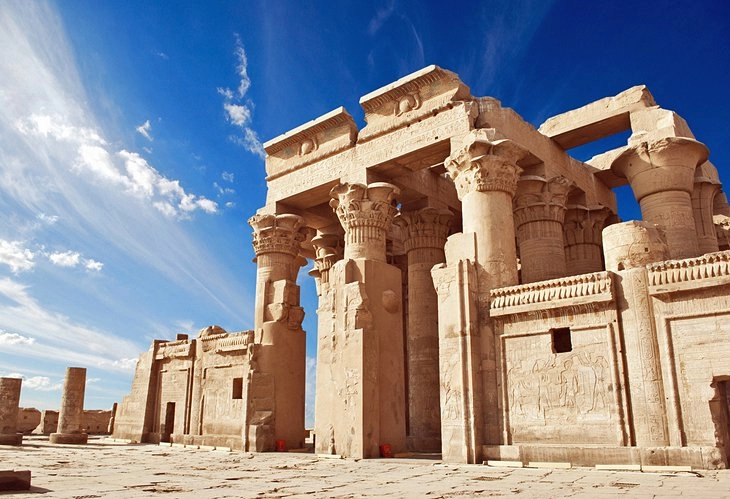
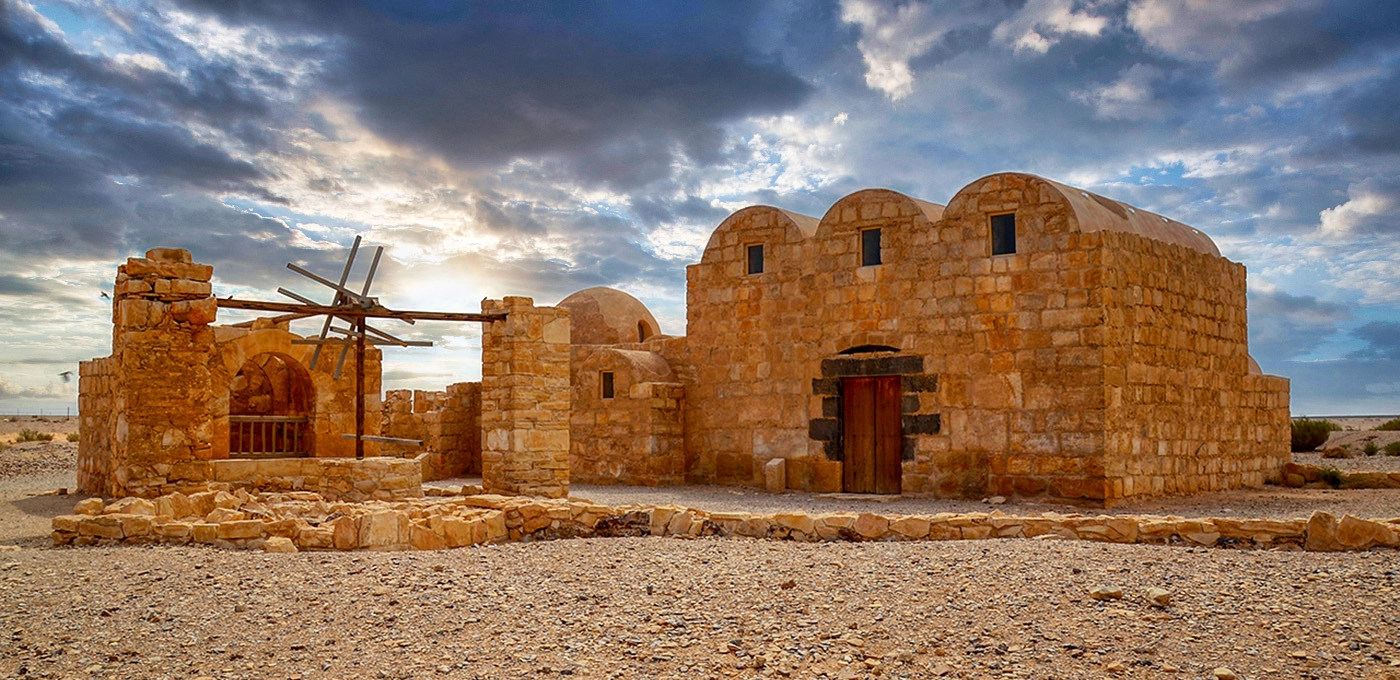
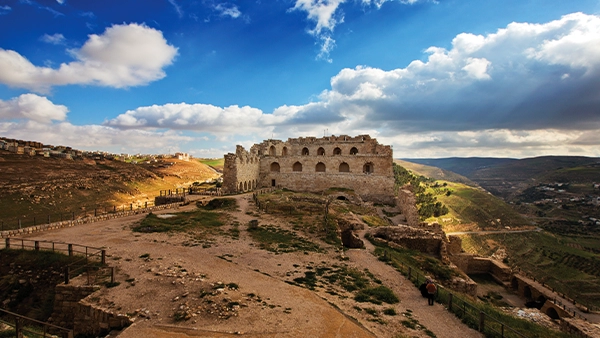
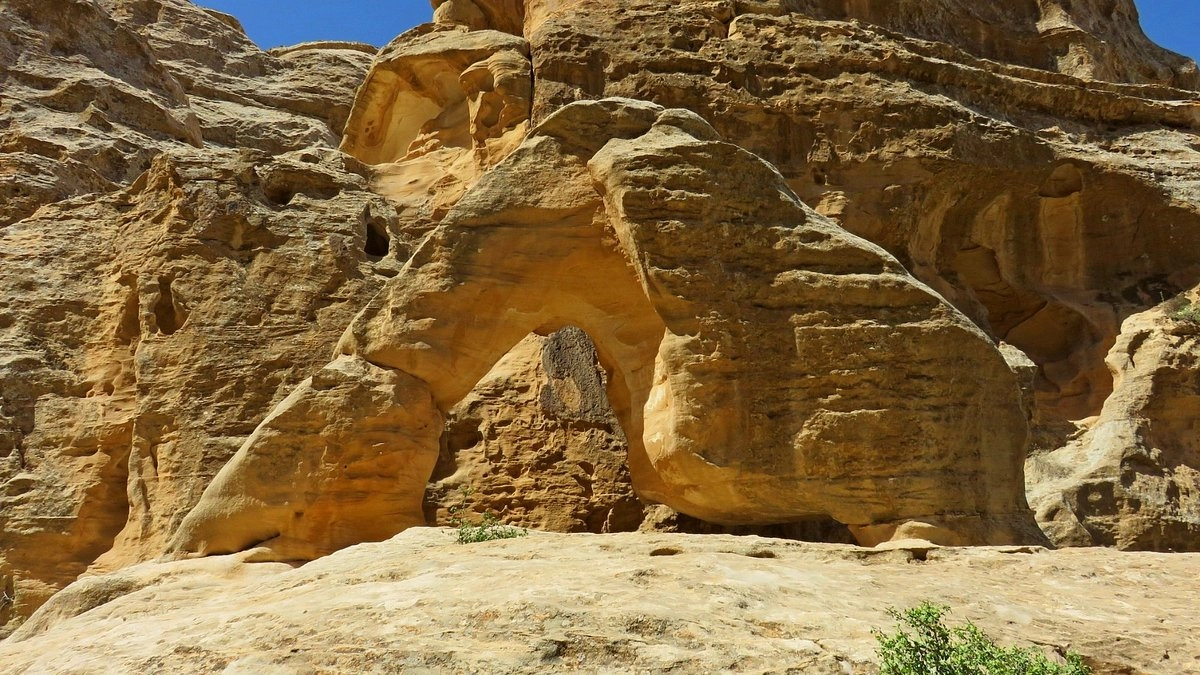
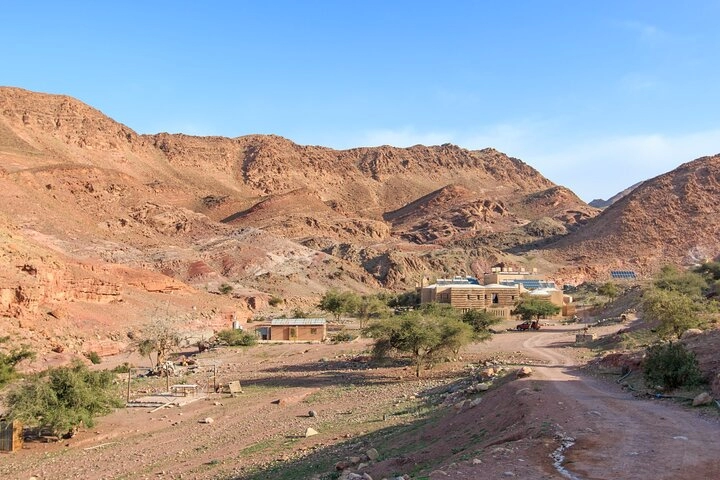
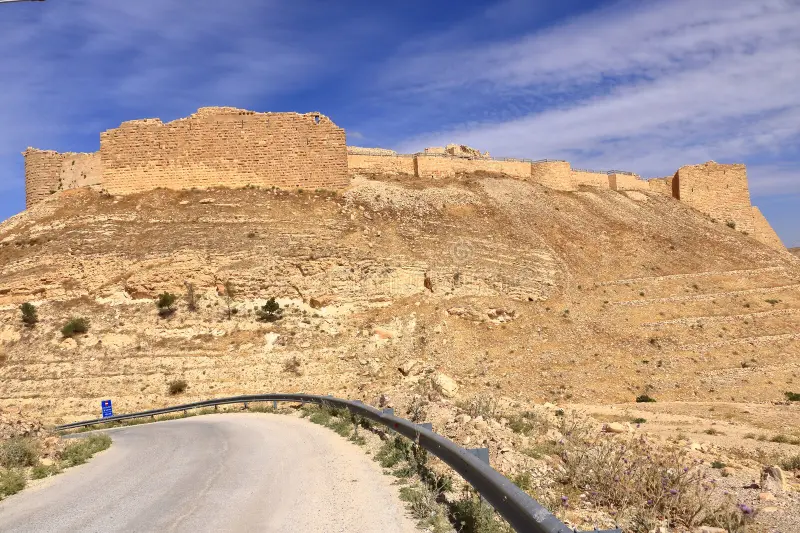
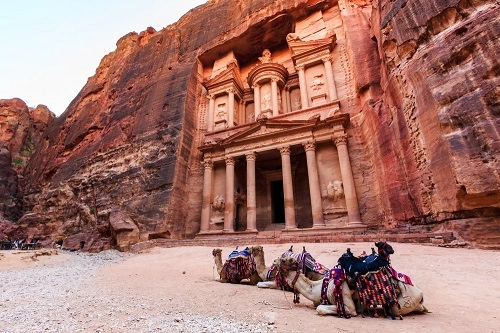
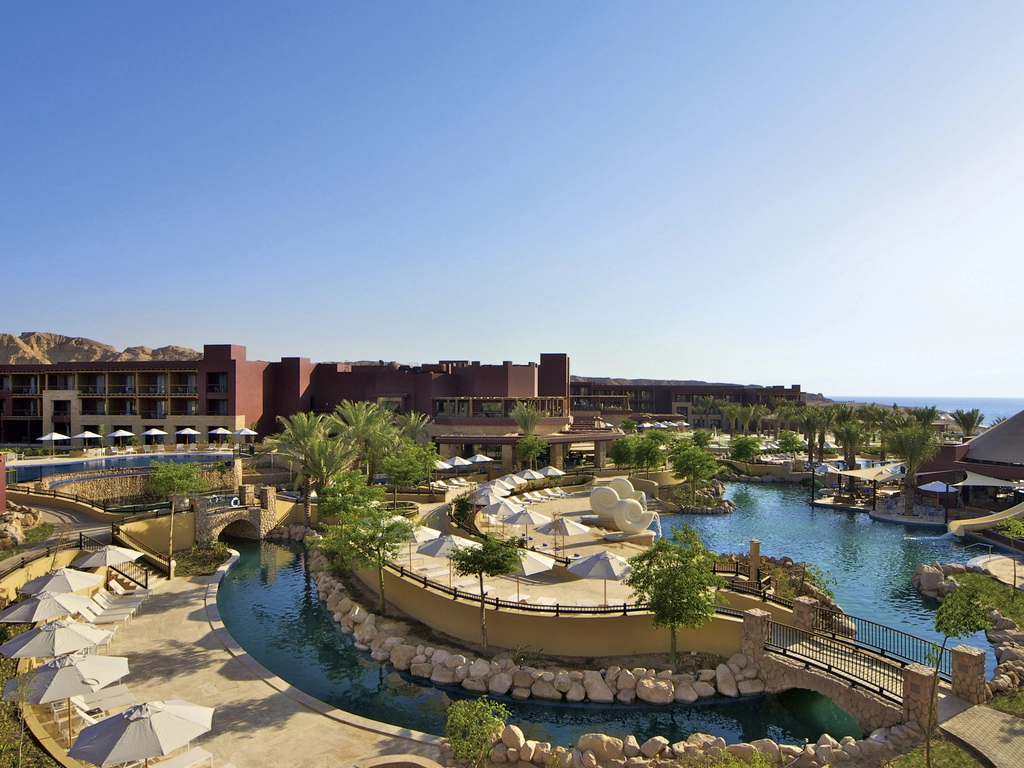
















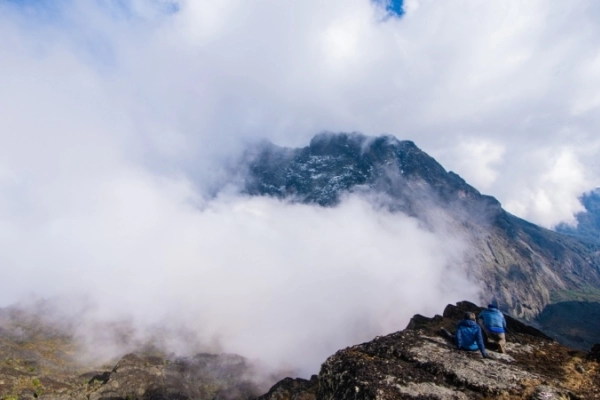
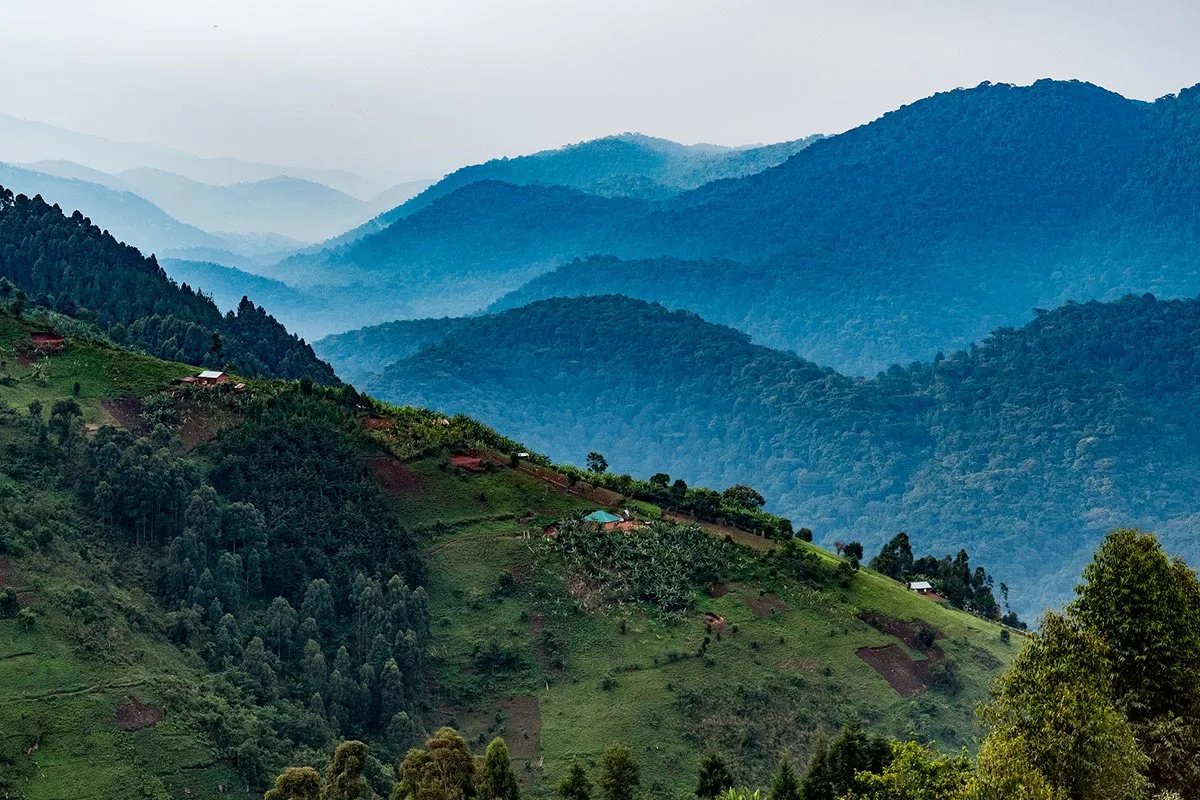
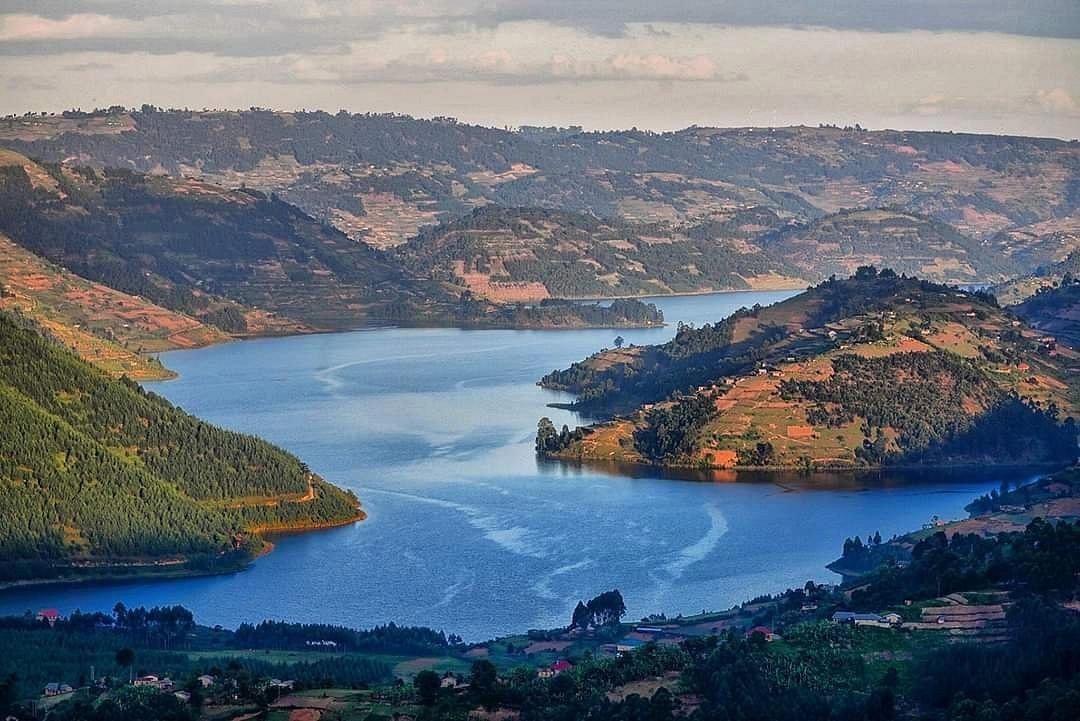
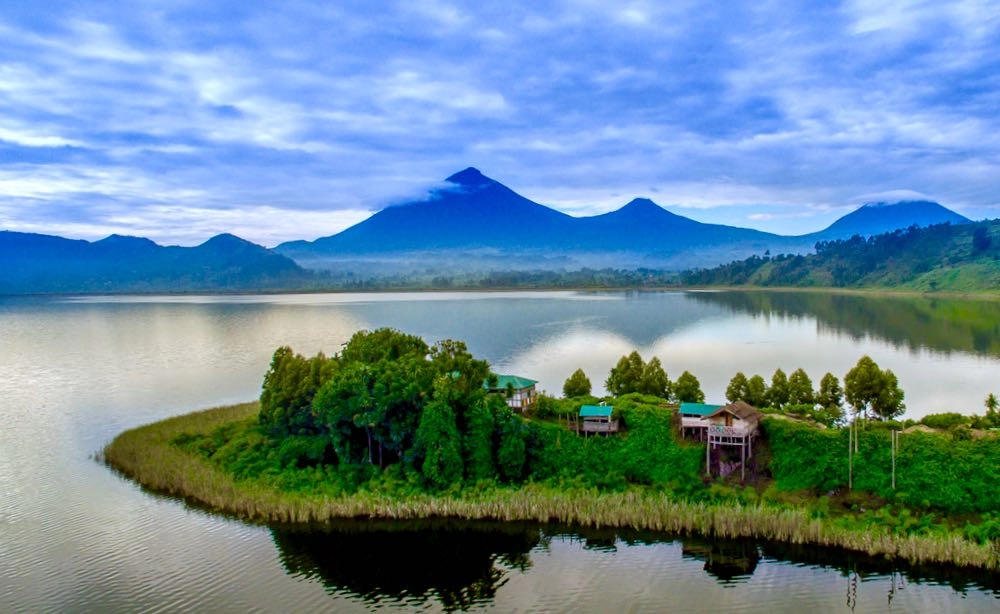
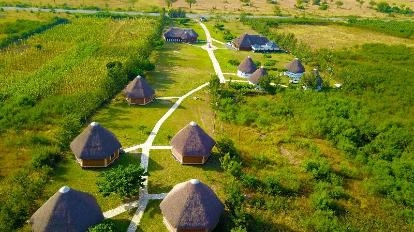
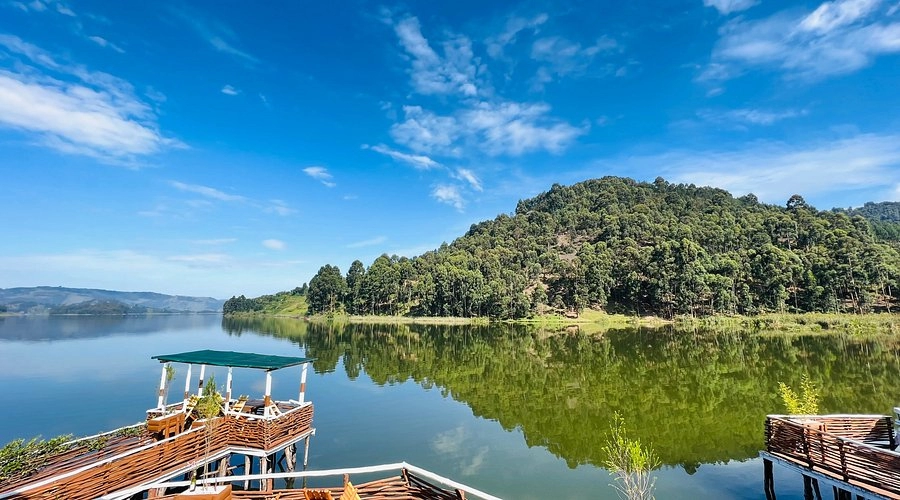
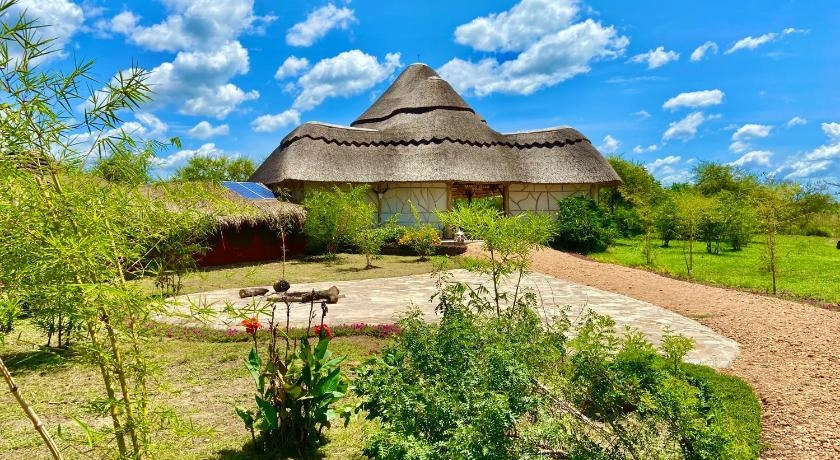
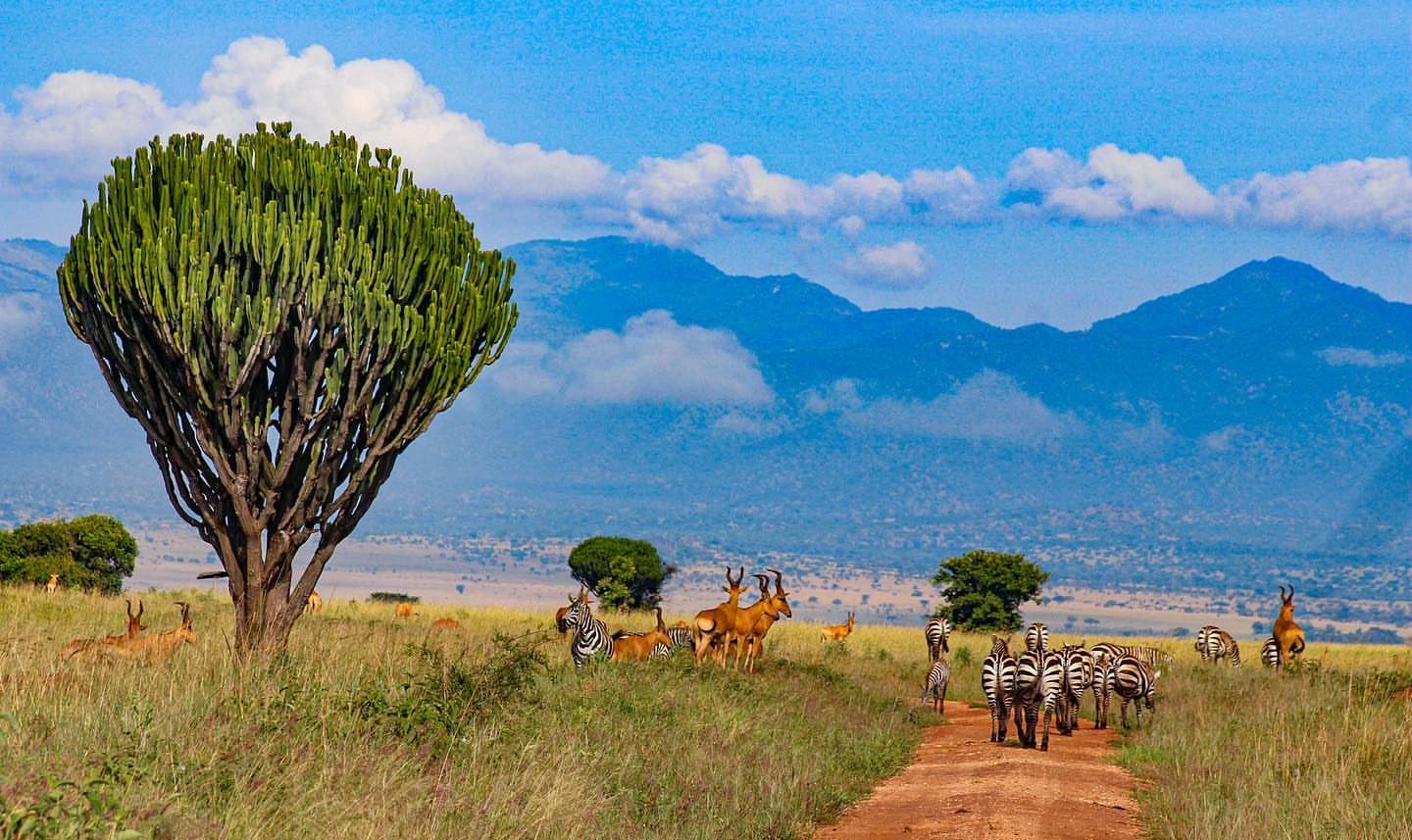
Kidepo Valley National Park
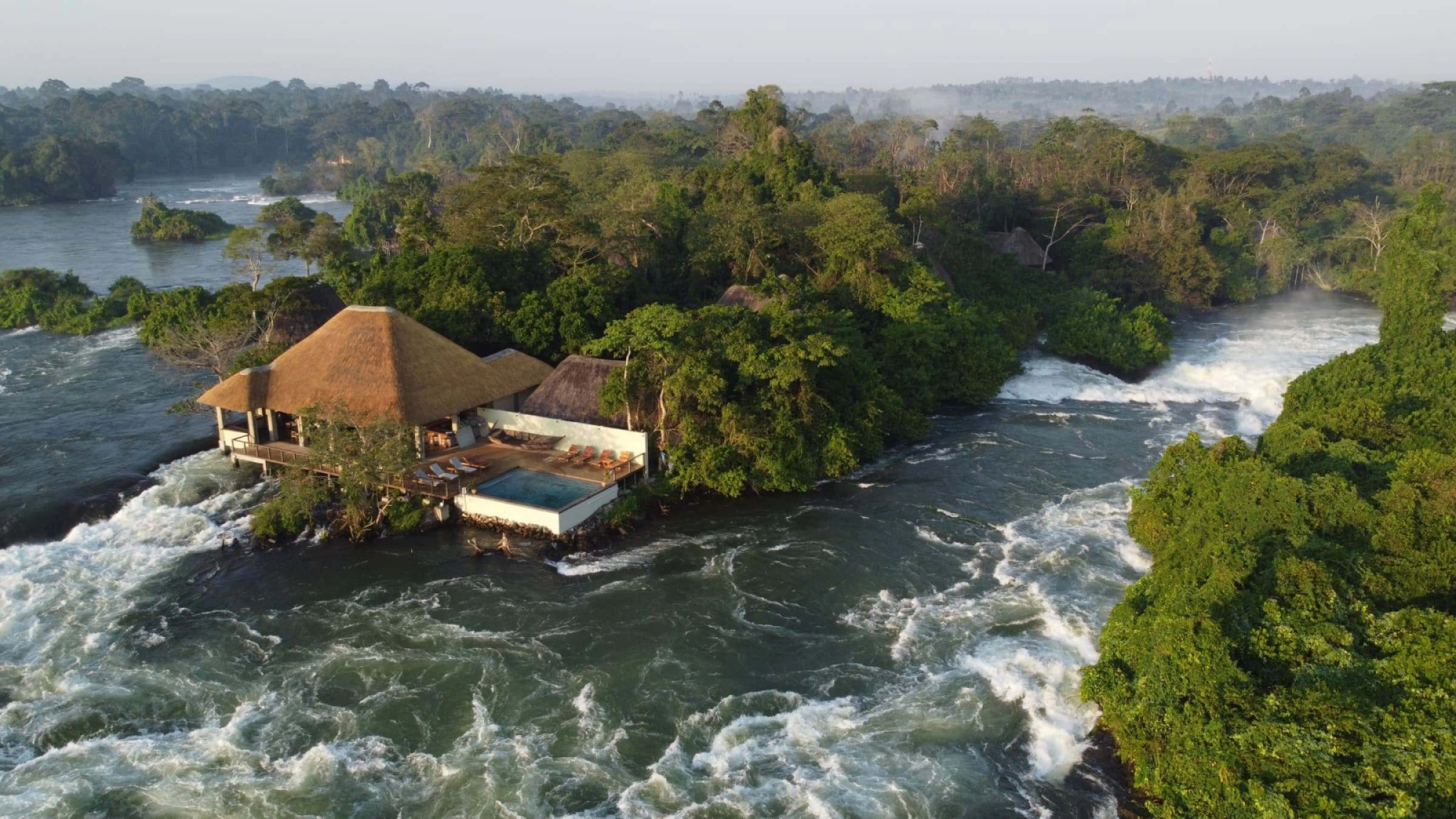
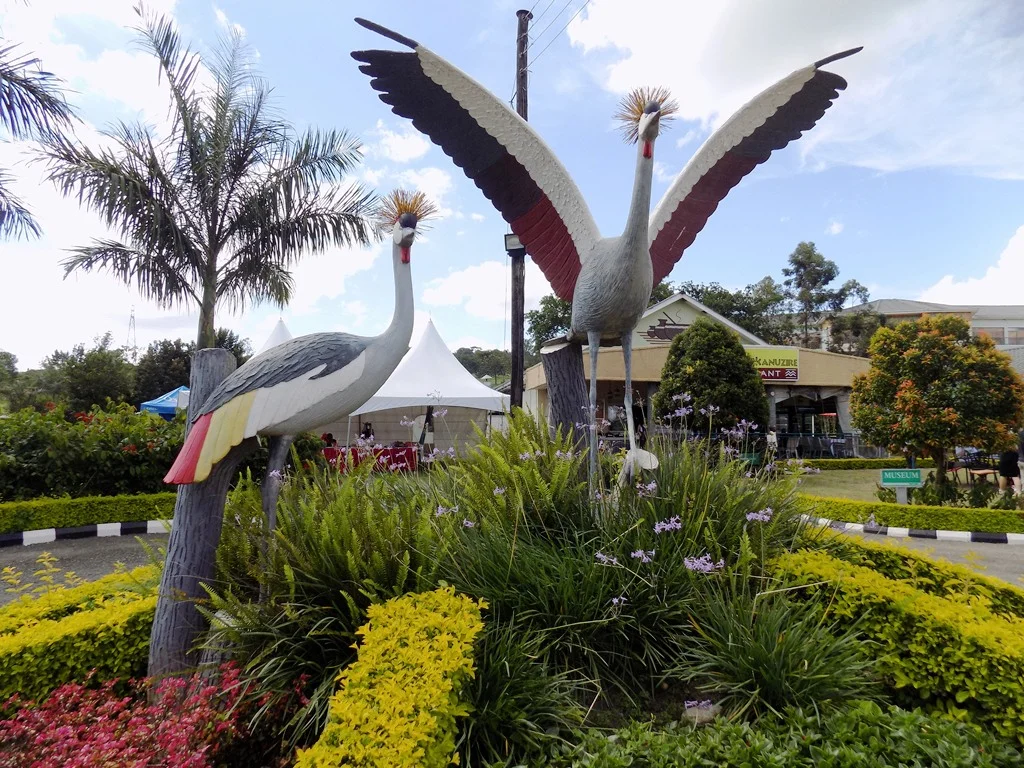
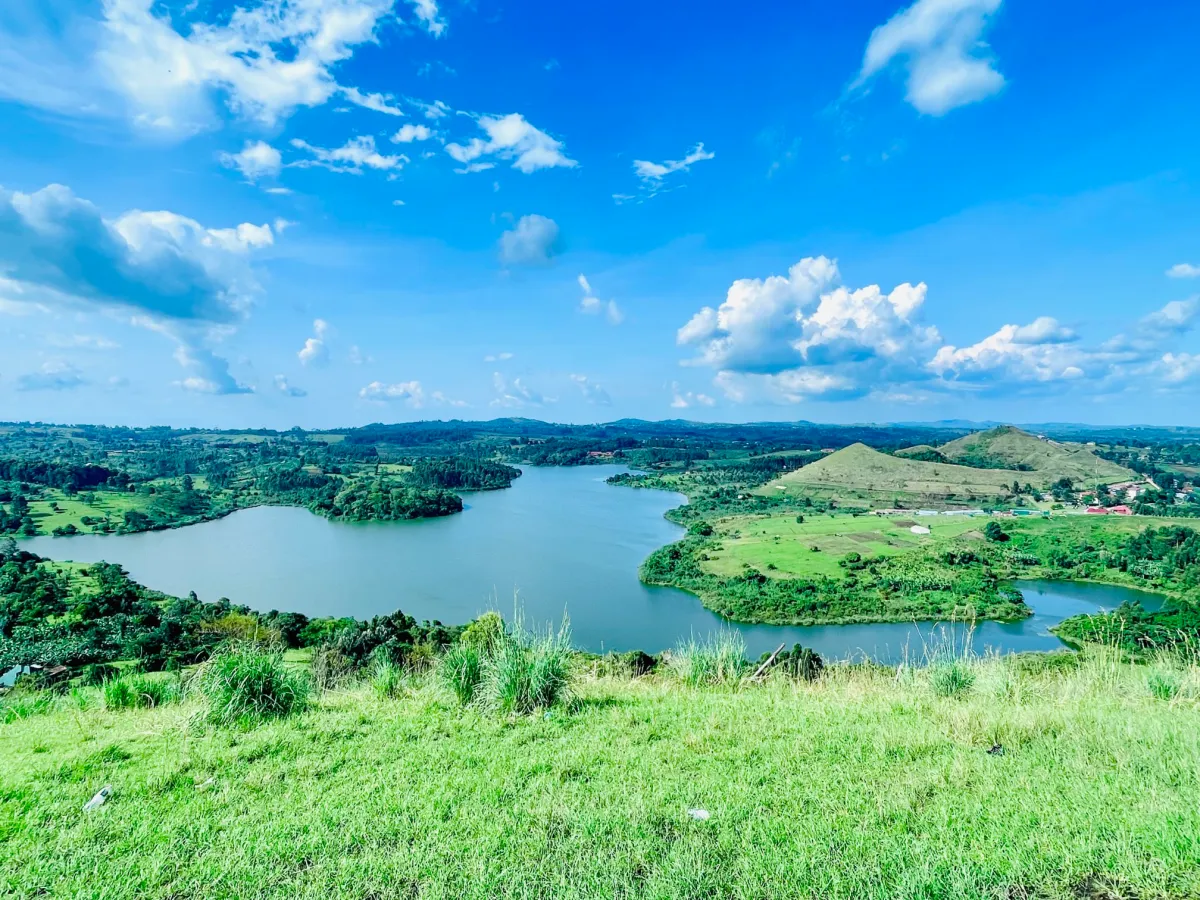
Kidepo Valley National Park serves as an isolated Ugandan national park which provides visitors with opportunities to observe wildlife and experience beautiful scenery and local traditions. Perfect for uganda tour.
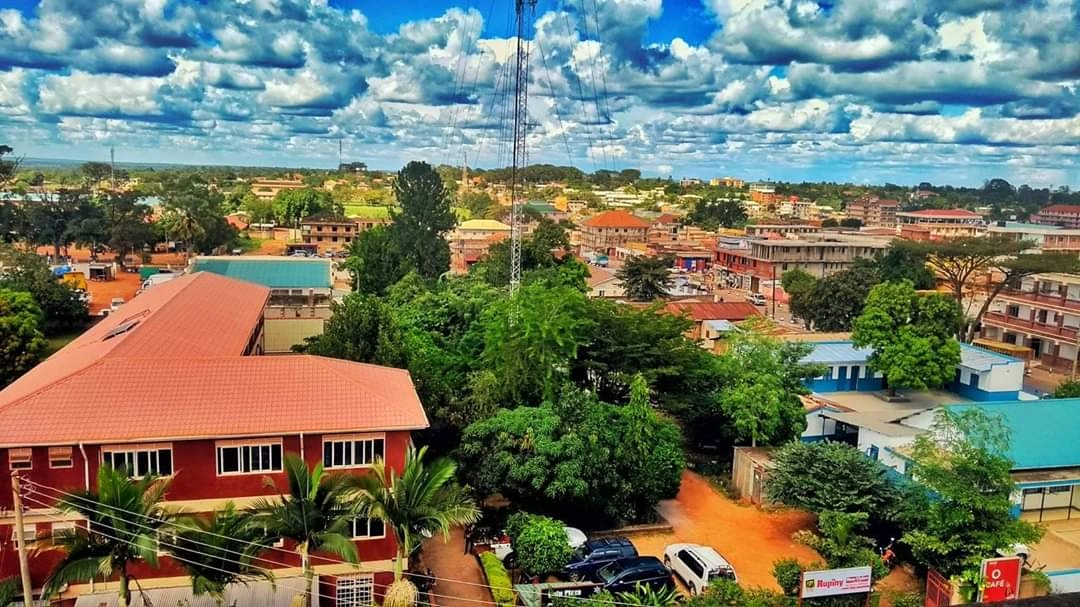
Gulu Tours take you to the heart and commercial center of northern Uganda, a city full of lively community life and rich history. Murchison Falls and Kidepo Valley National Parks are particularly easy to access from Gulu, and thus the city is a good base for wildlife pursuits in Uganda. Design your travel experience within Tripaty and pick from its numerous Uganda Holiday Packages for something truly exceptional.
Discover amazing destinations and book unforgettable trips around the world.
Gulu
Discover amazing destinations and book unforgettable trips around the world.

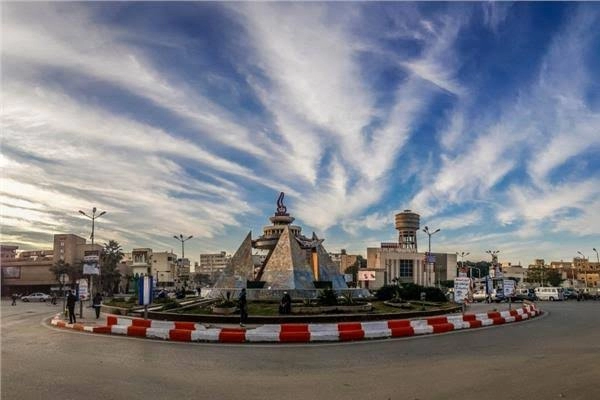
Gulu town is a bustling town in northern Uganda that is rising fast and is known for its billiards, rich Acholi culture, and the impressive stories of the area’s rejuvenation. Gulu, which was once the capital of the Acholi Kingdom, has undergone a transformation into a joyful and hospitable place where modernity coexists alongside the age-old Ugandan customs.
The local markets and art centers, and the cultural villages, can be visited by tourists to witness the dance, music, and crafts of the Acholi people. The Gulu Main Market and Pece Stadium are the places where the local people are most active and they offer vivid and colorful glimpses of the daily life in Uganda.
Moreover, Gulu is ideally located for venturing into the wilds of northern Uganda, where some of the most famous attractions, like Murchison Falls, Kidepo Valley National Park, and Ziwa Rhino Sanctuary, are also found.
Gulu's tranquil beauty, friendly population, and ecological tourism are the factors that made it change from a transit point to a place where the vibrant spirit of Uganda's resilient north can be experienced through a more profound connection.
Discover amazing destinations and book unforgettable trips around the world.
Kidepo Valley National Park serves as an isolated Ugandan national park which provides visitors with opportunities to observe wildlife and experience beautiful scenery and local traditions. Perfect for uganda tour.
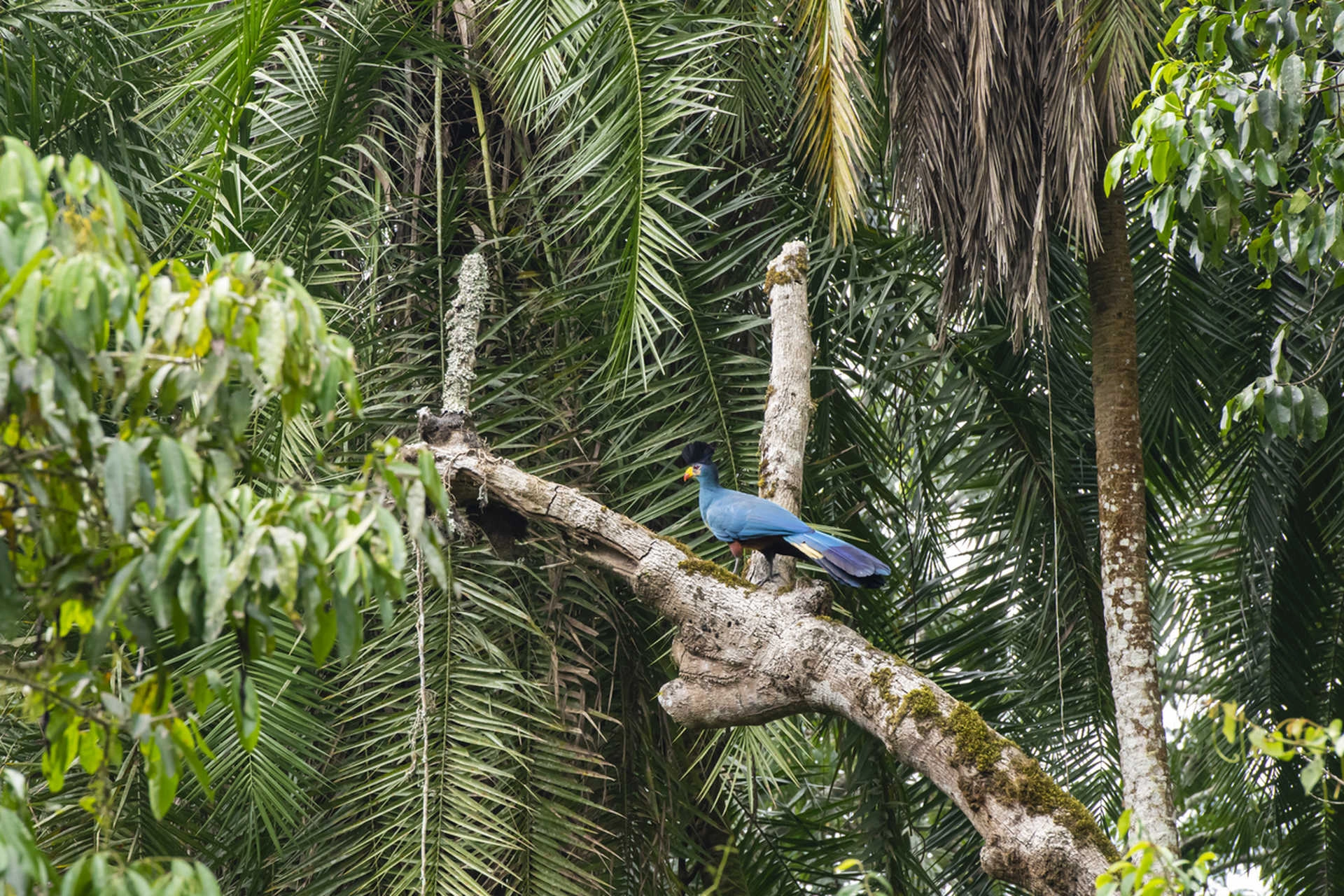
Do not miss watching the birds and walking in nature trails in Uganda, where the abundance of forests, beautiful paths, and excellent wildlife make the experiences very memorable. Great for Uganda tours and nature-oriented travel packages that aim at the best places to visit.
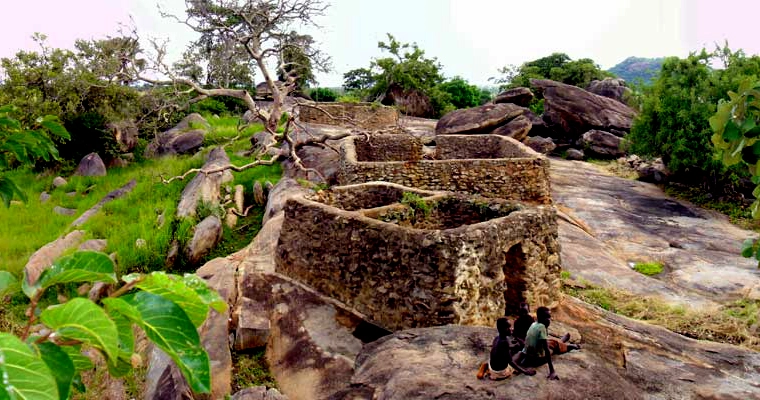
Take a trip to Baker's Fort in Gulu, Uganda, a historical military site that offers a wealth of history and beautiful nature. It is a site that cannot be missed on Uganda tours and Gulu travel packages for the most visited places.
Gulu is characterized by its rich culture, historical importance, and also its being a gateway to the northern Uganda attractions. Mainly, its historical background, bustling markets, and the nearby wildlife and conservation areas are the major attractions to tourists.
Among the main attractions is the Gulu Central Market, Labbo Cultural Centre, Lelwala Rock Paintings, and a day trip to Murchison Falls National Park, also, the visiting of local churches and monuments.
The best period to be in Gulu is the dry season between December and February, also June and August, which are to be favored for the outdoor activities and sightseeing. During the rainy season, some of the rural roads can be difficult to traverse.
The options to choose from are: road or domestic flights from Kampala. It is possible to travel by private car or bus or by domestic airline and the guided tours are available for the city and its attractions nearby.