 Places to see
 Top Destinations
  Things to do




















































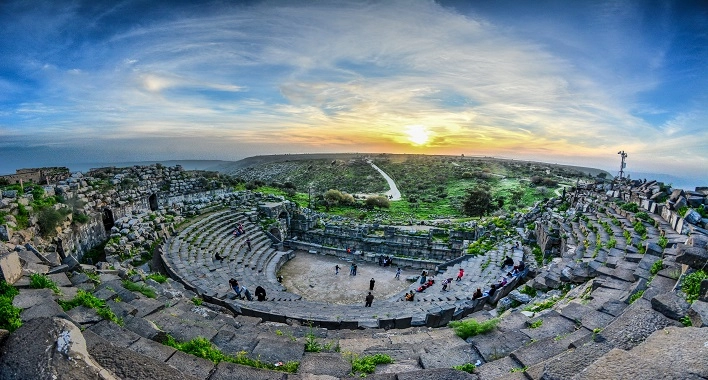
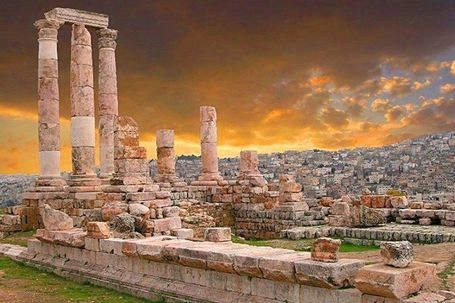
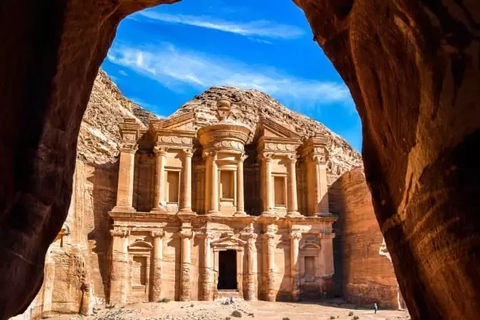
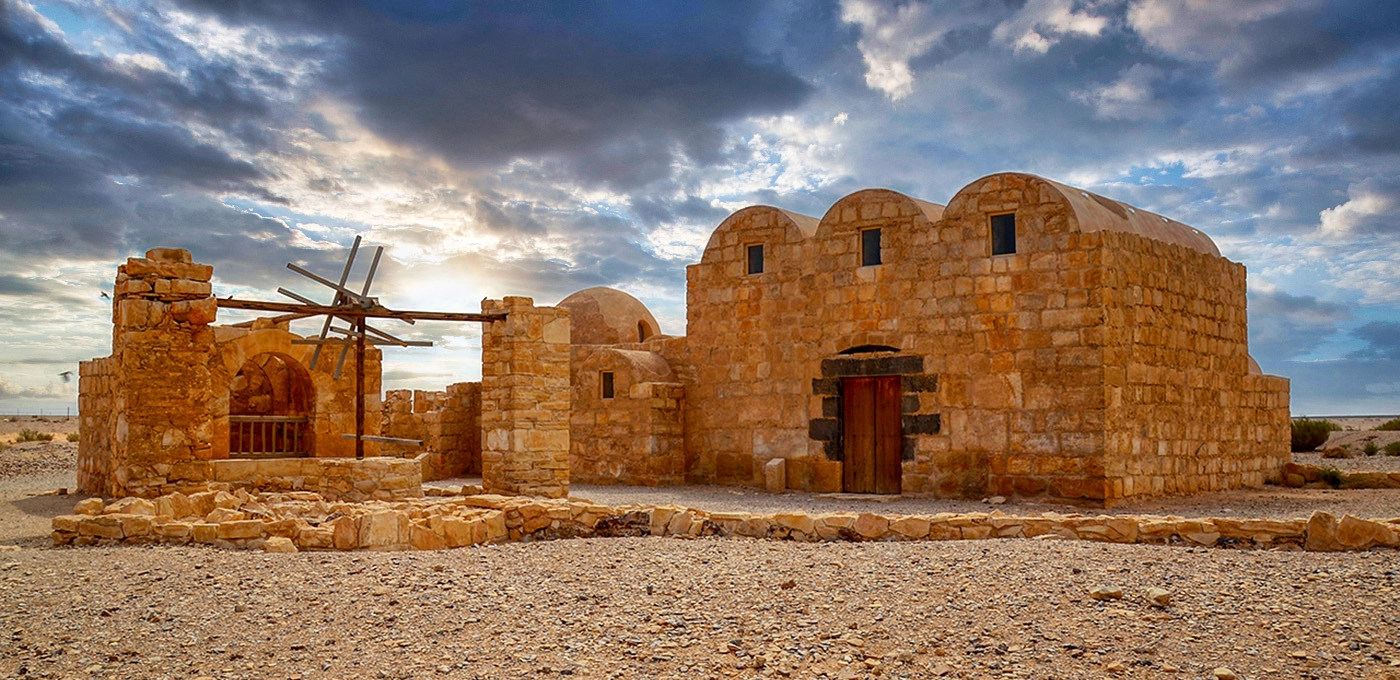

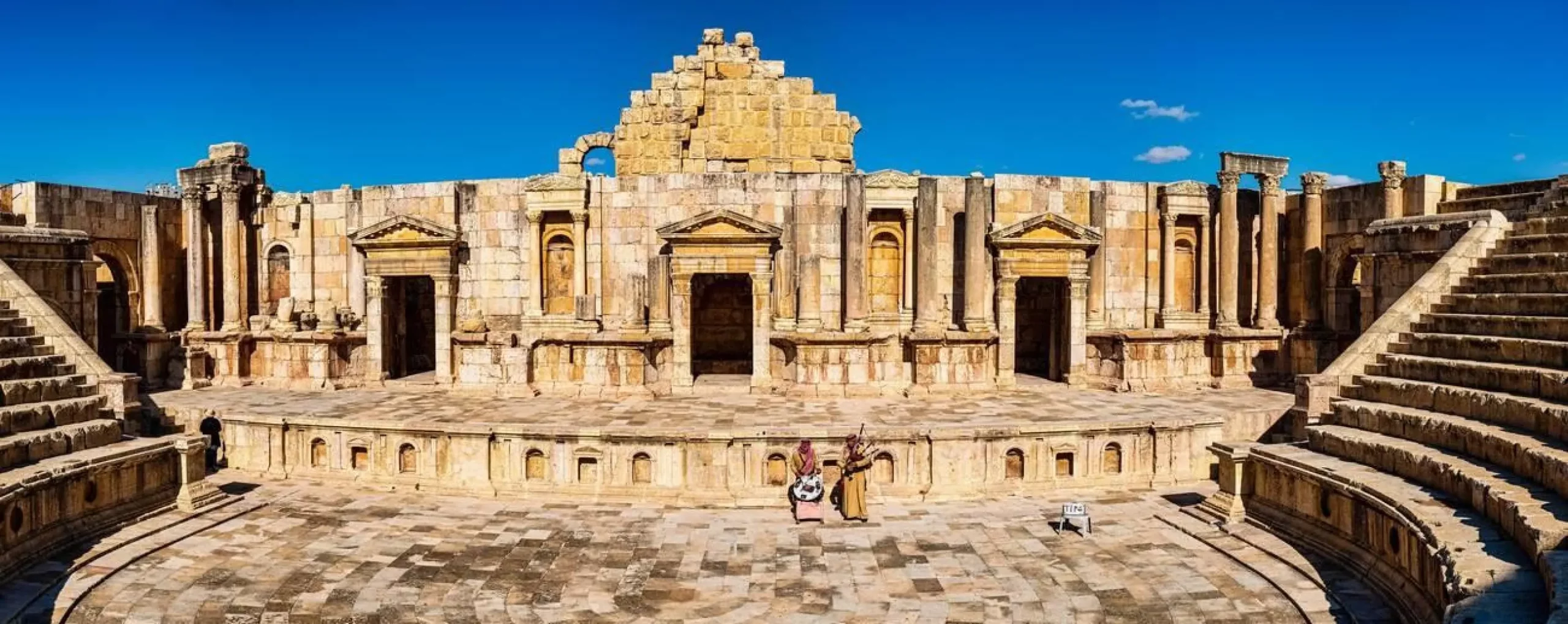
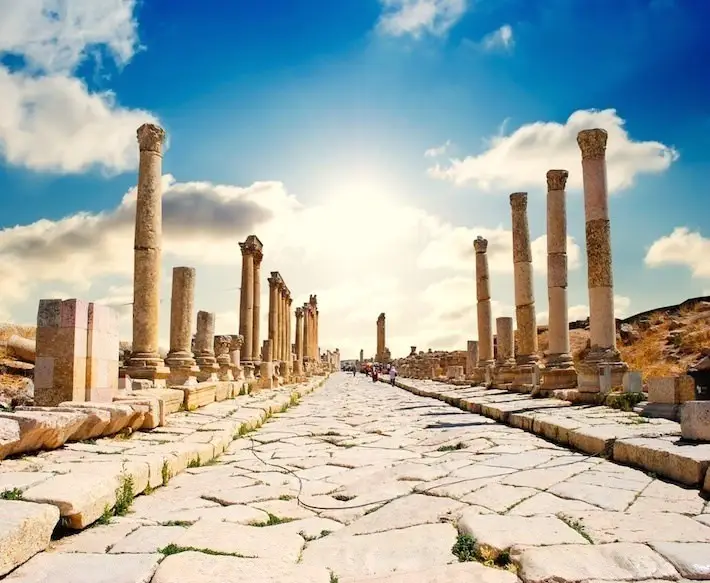
Jerash is an ancient Rome time capsule—fully preserved, richly detailed, and hazy with history. It's "The Pompeii of the Middle East" for its preserved architecture and layout; Jerash is among the top places that unveil the grandeur of the Roman Empire. Visitors are the ones who come to see temples, theaters, fountains, and the like, but they've got the street right where chariot racers and traders used to be... almost two millennia ago. This guide gives an account of why Jerash is a must-see to the Jordan tourism map and a how to get close to its iconic sites.
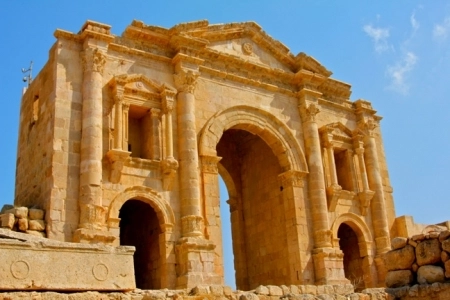
Hadrian’s Arch
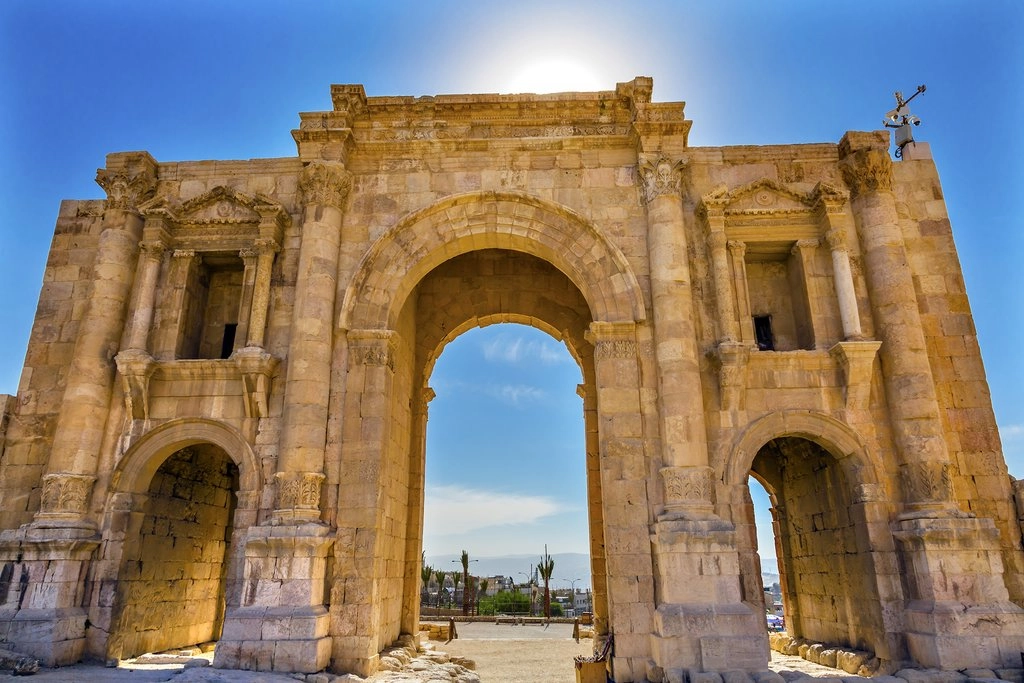
A gate in the form of a huge arch, indicating your entrance to the ancient Jerash.It gives a hint of the opulence that is to be experienced inside.
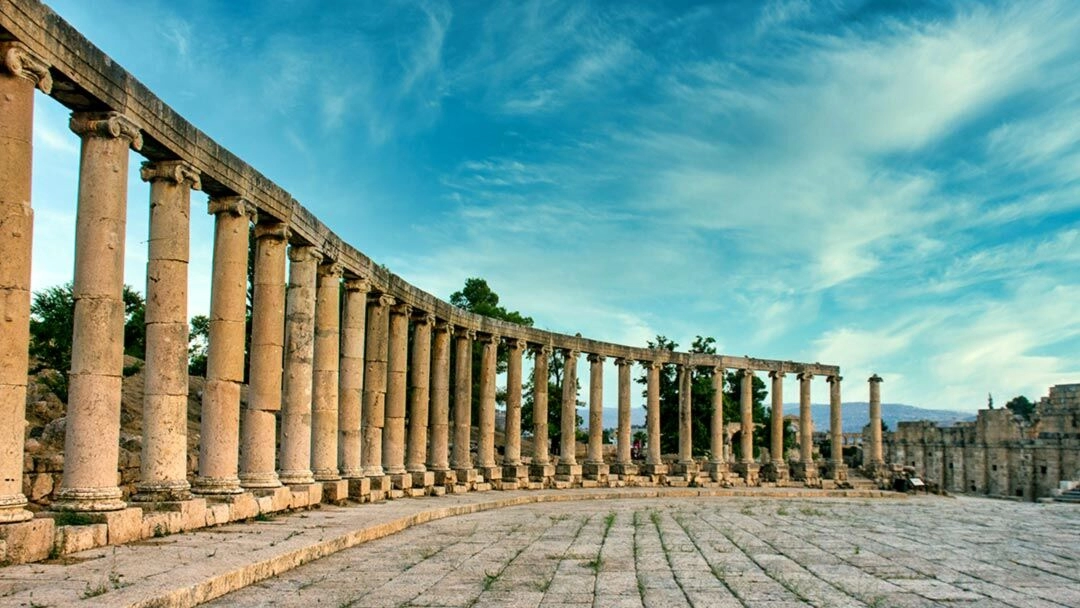
Oval Plaza
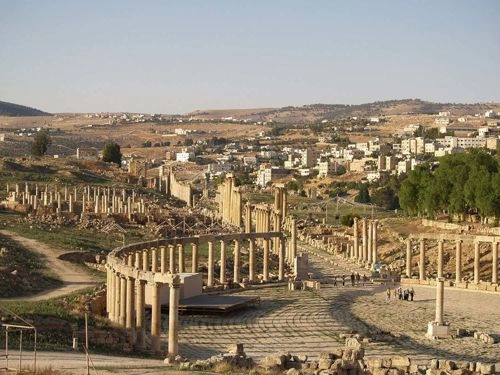
The city’s center – a huge elliptical plaza surrounded by Ionic columns.A place that is undoubtedly one of the most photographed and iconically associated with Jerash.
The Colonnaded Street (Cardo Maximus)
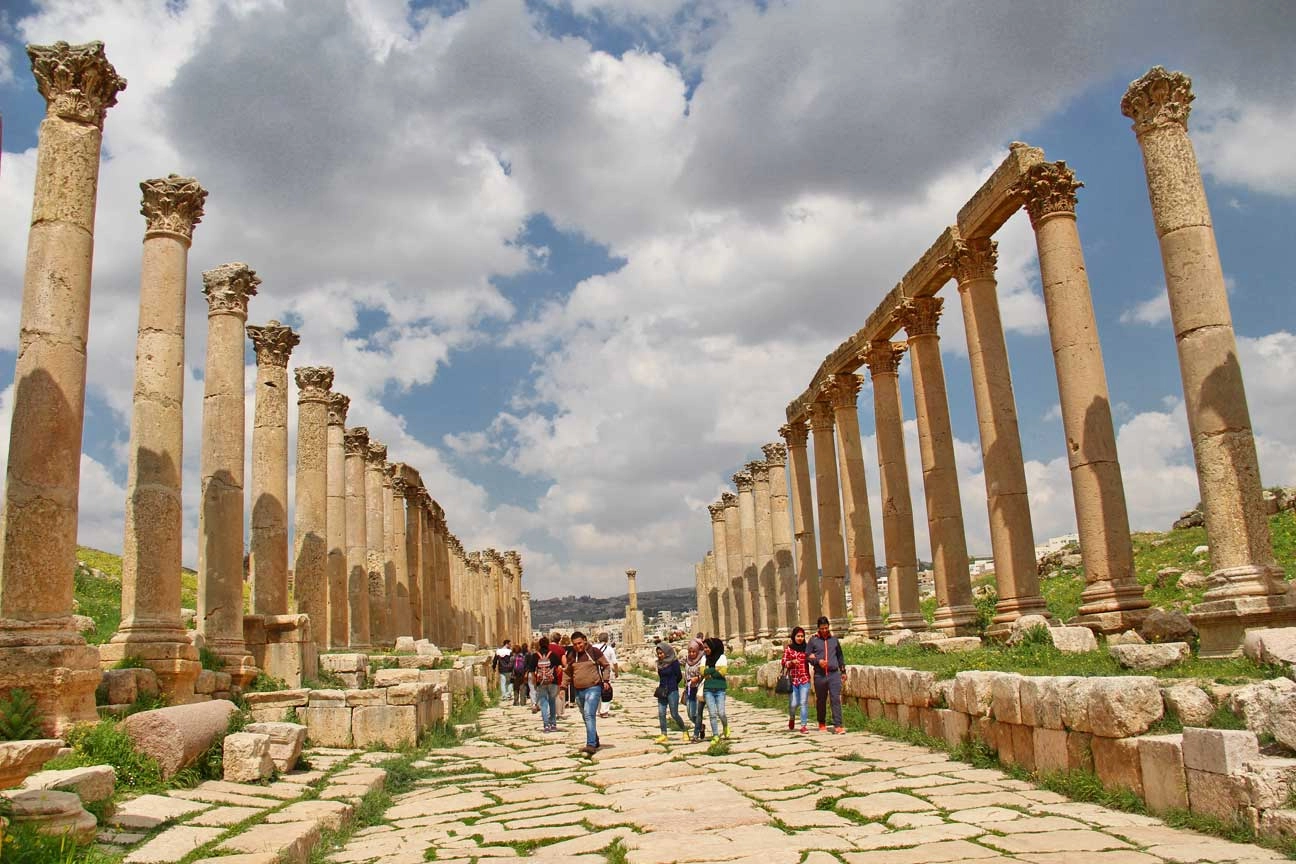
An avenue with perfect alignment running through the city from beginning to end.Look very carefully for the ruts made by the wheels of chariots that have been preserved in the stone.
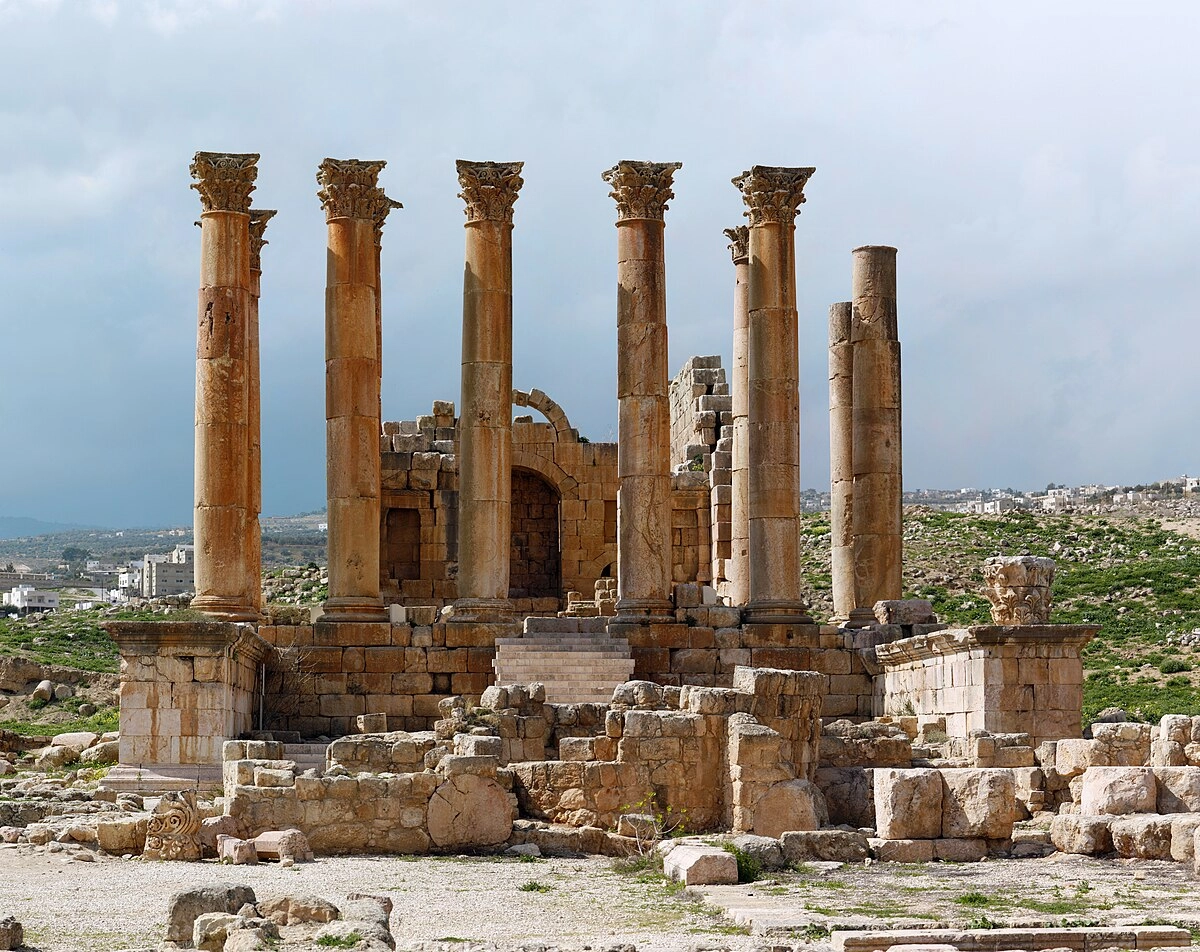
Temple of Artemis
Vast columns, wide staircases, and breathtaking vistas.Built to pay tribute to the patron goddess of the city.
South Theater
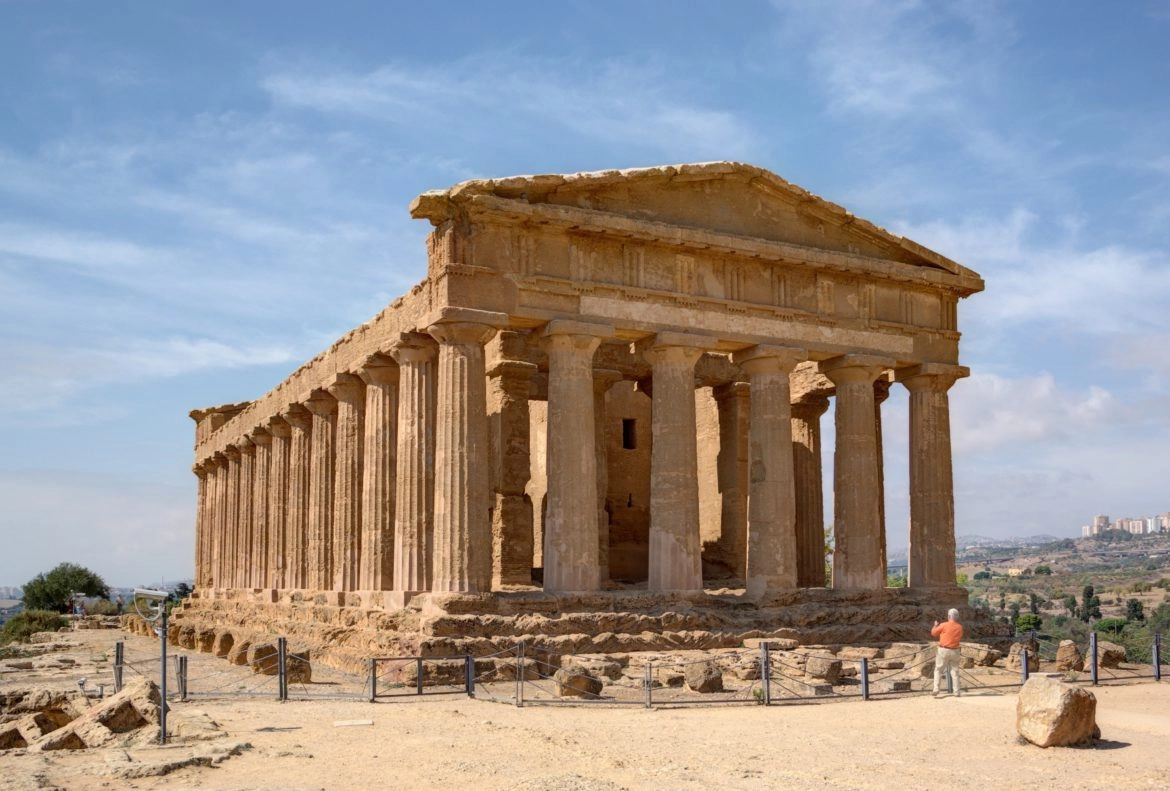
A sound engineering wonder that was able to host more than 3,000 spectators.Say something softly at the middle and your voice will travel around the stage.
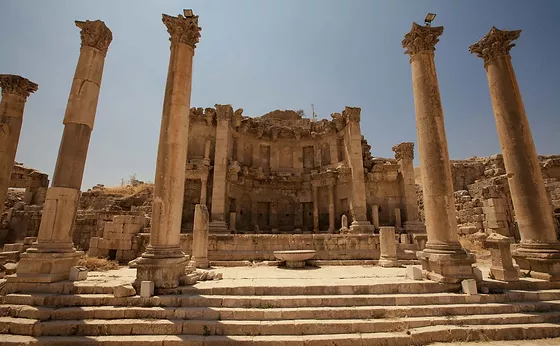
The Nymphaeum
An ornately designed fountain that was once filled with clear running water.A representation of the opulence of the Roman Empire and the luxury of urban living.
The Hippodrome
The place where chariots were speeding and the masses were cheering.You can still be at the spot where the gladiators fought.