 Places to see
 Top Destinations
  Things to do





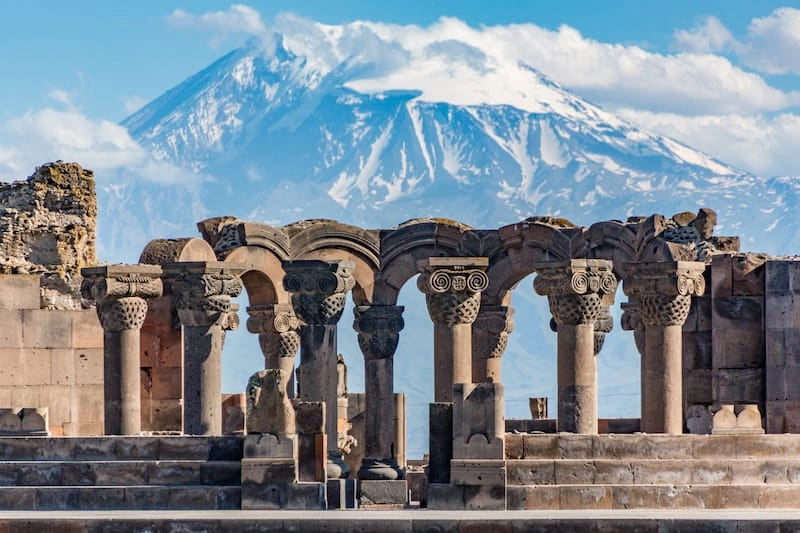






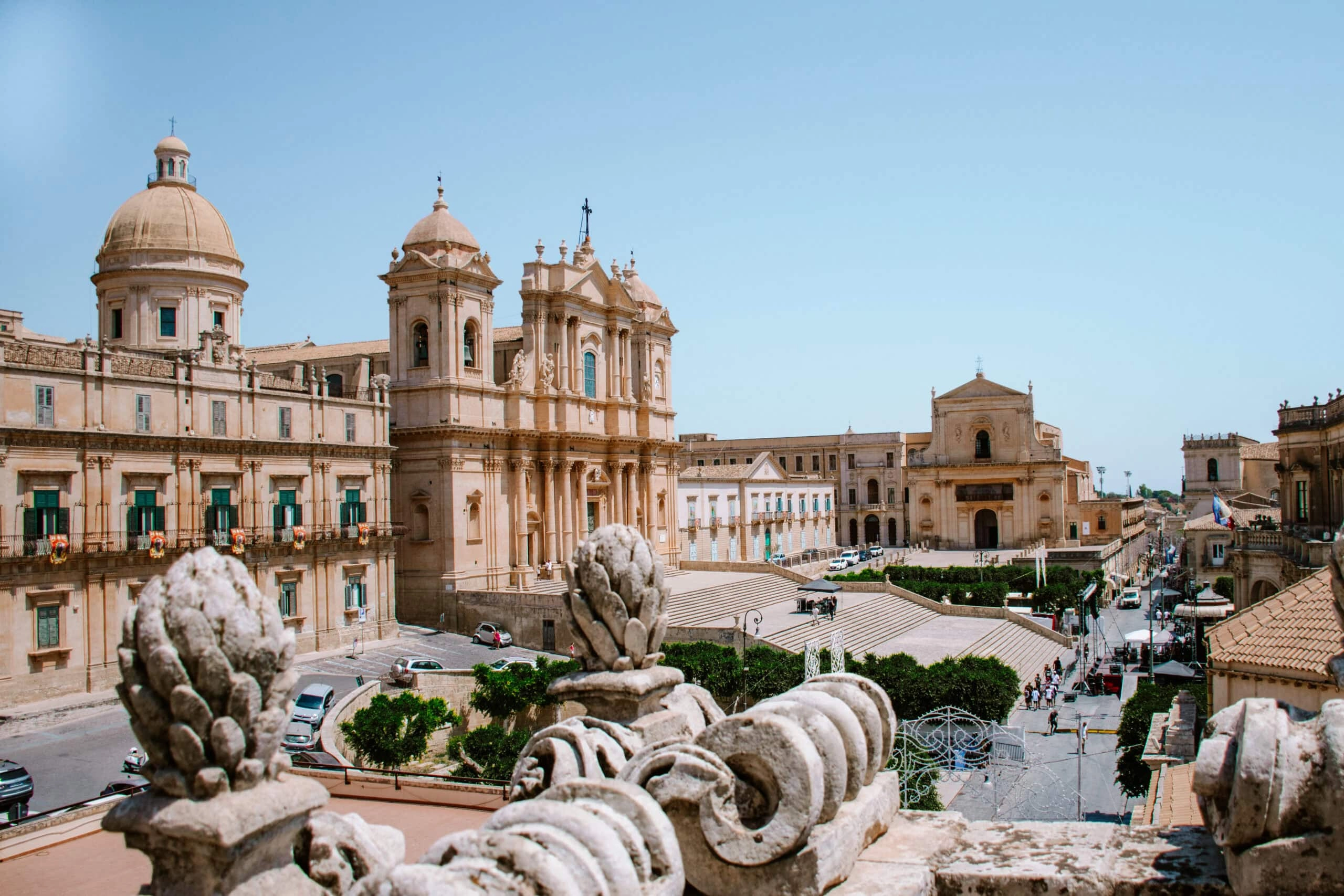
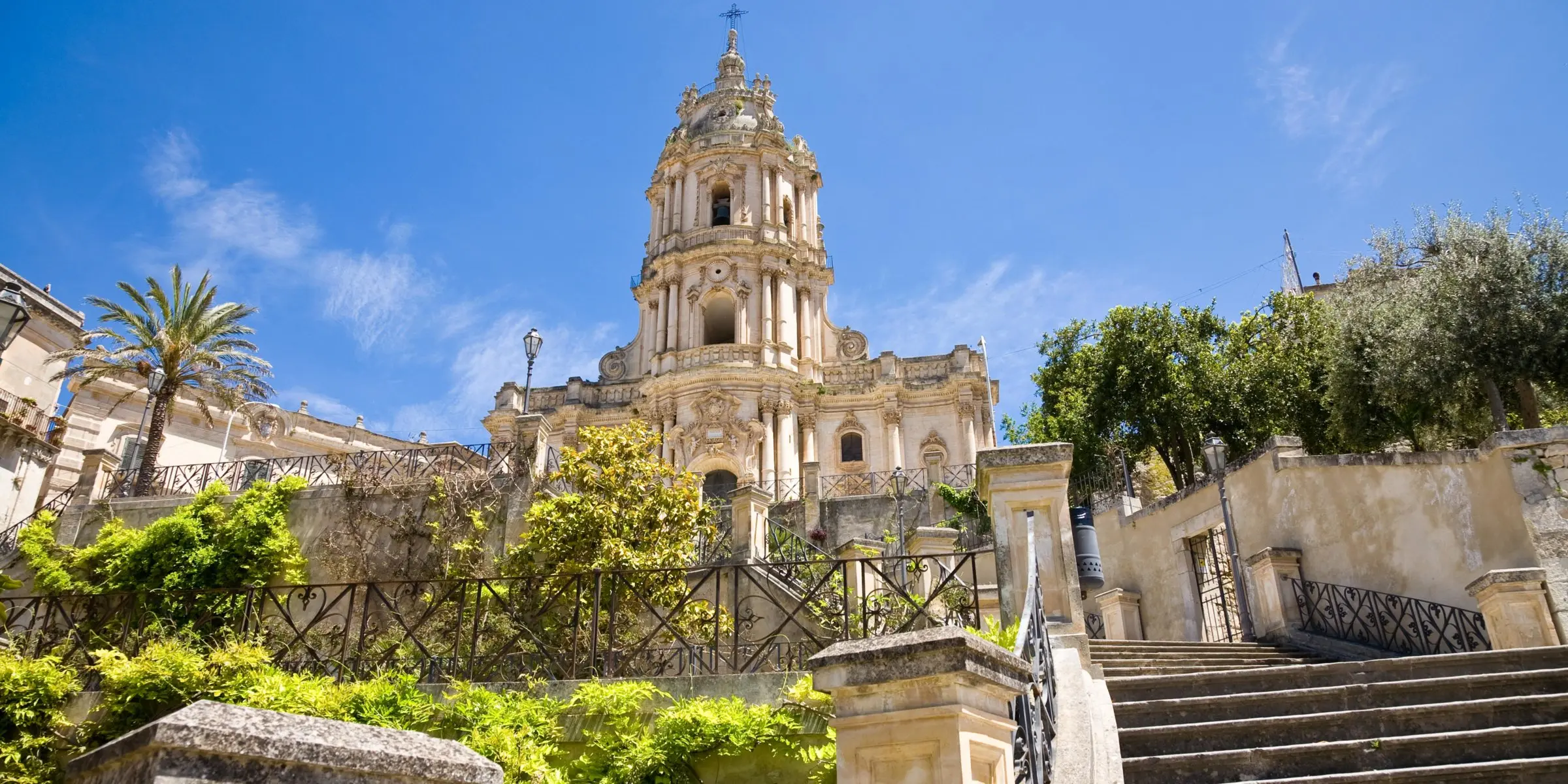
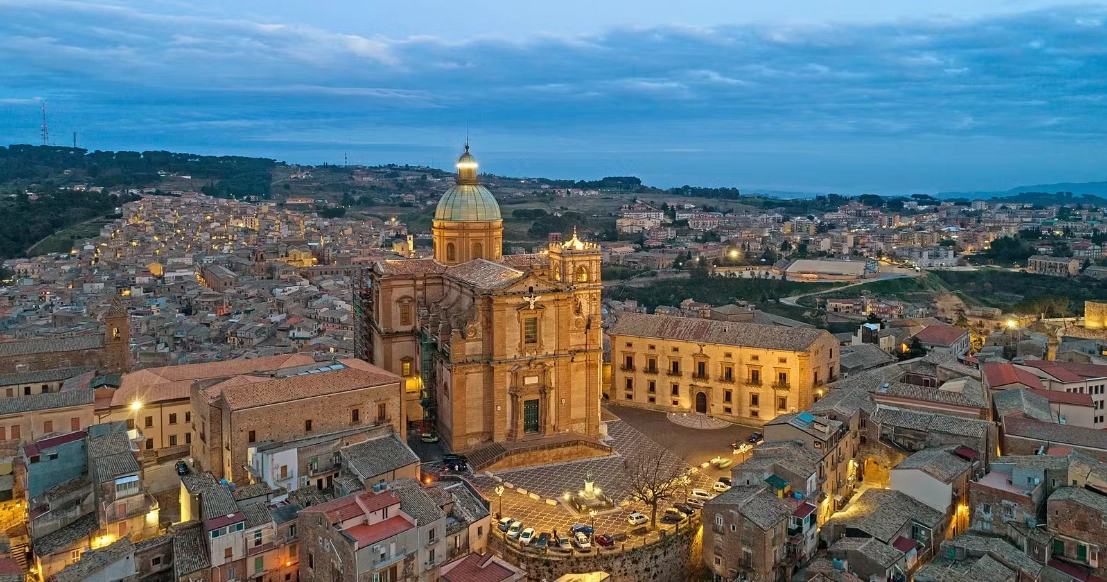
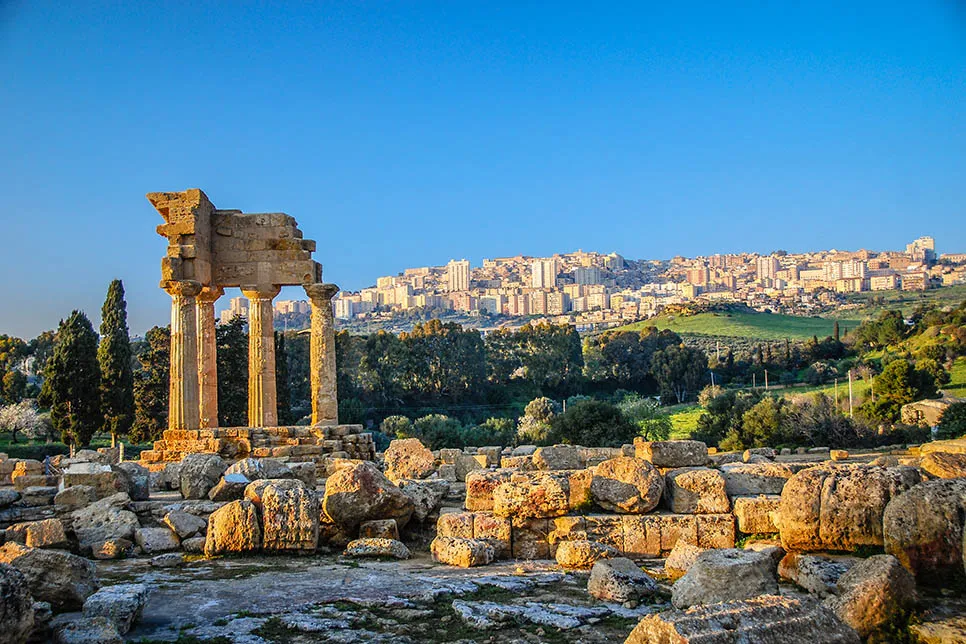




















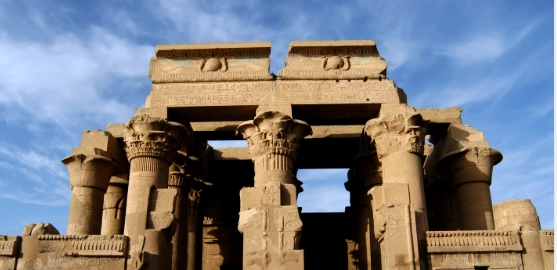

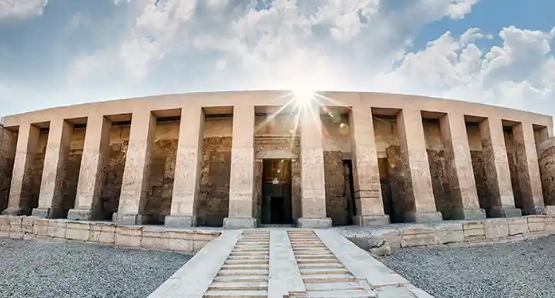
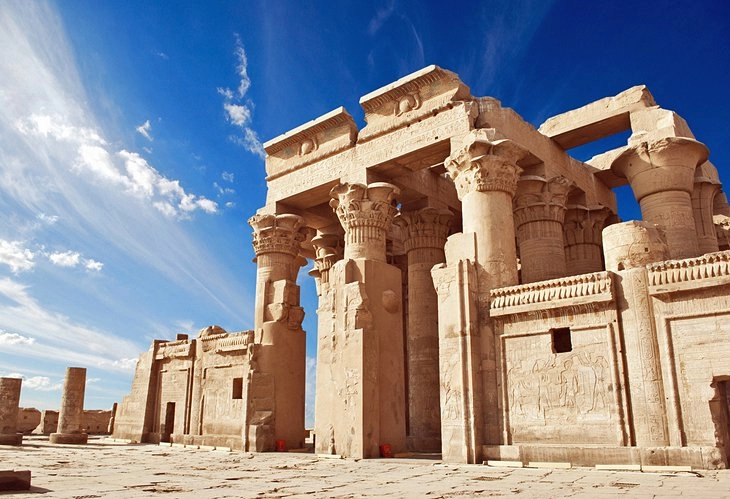
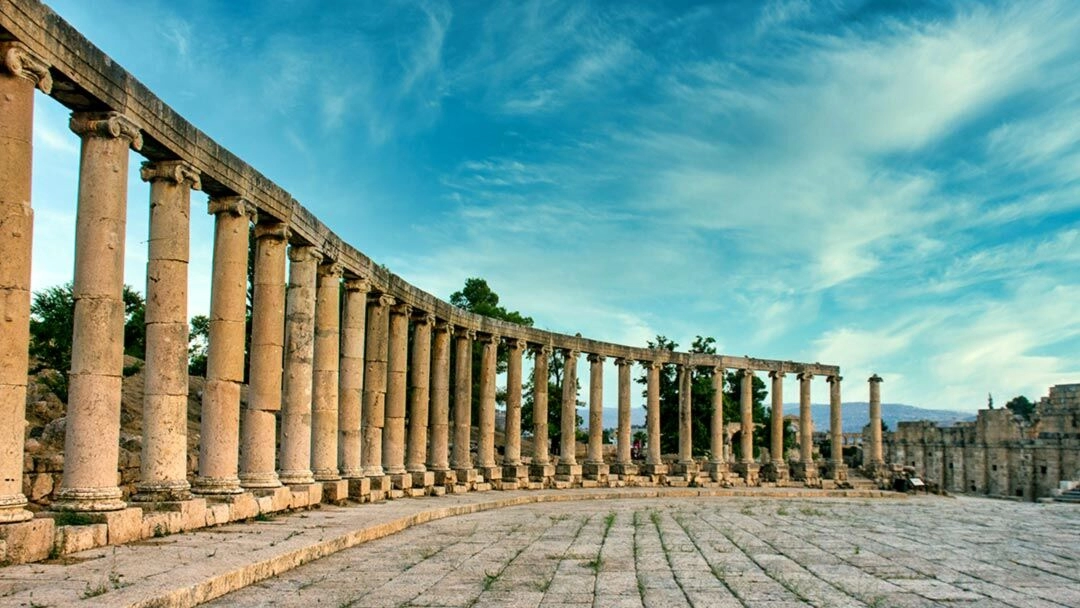
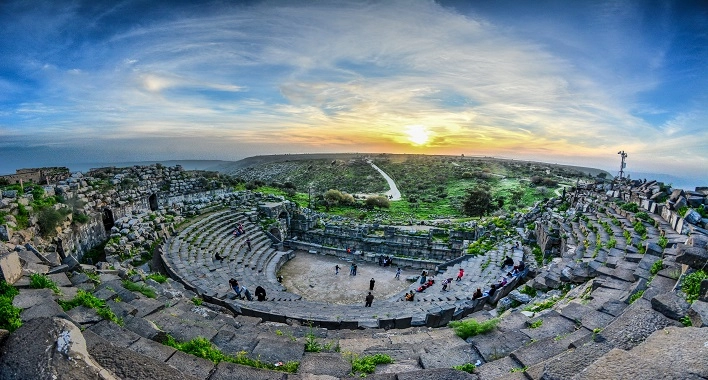
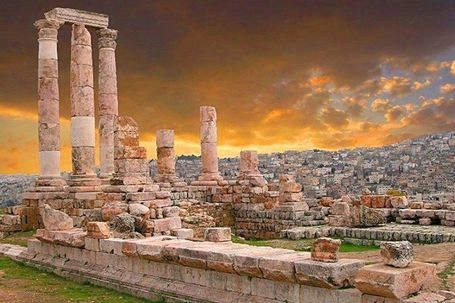
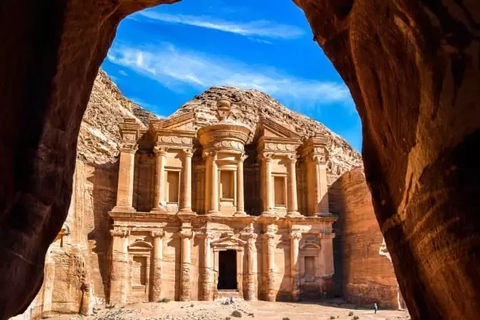
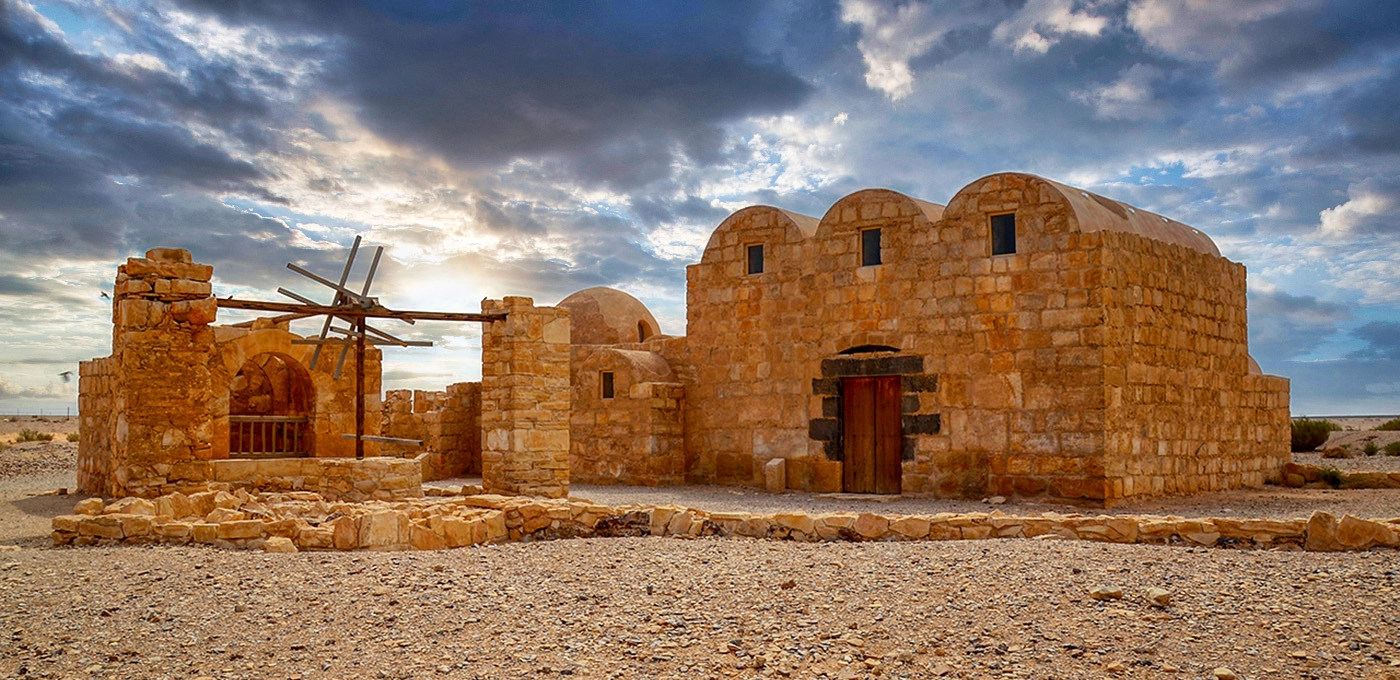
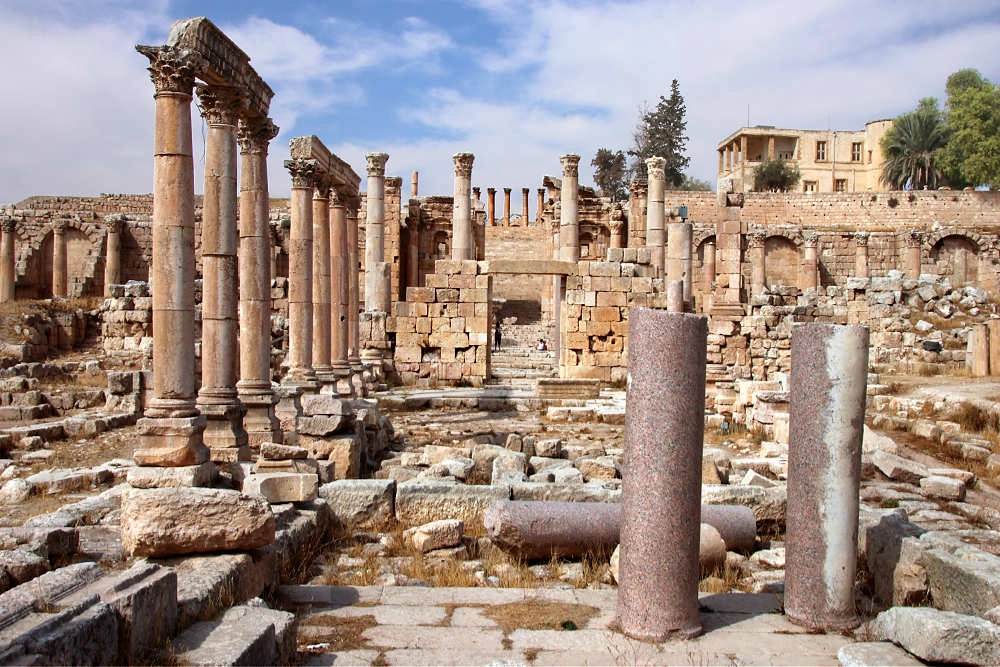
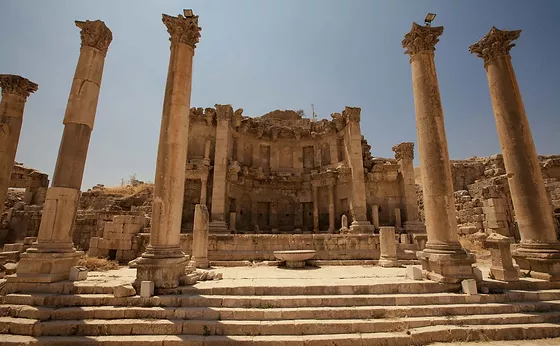
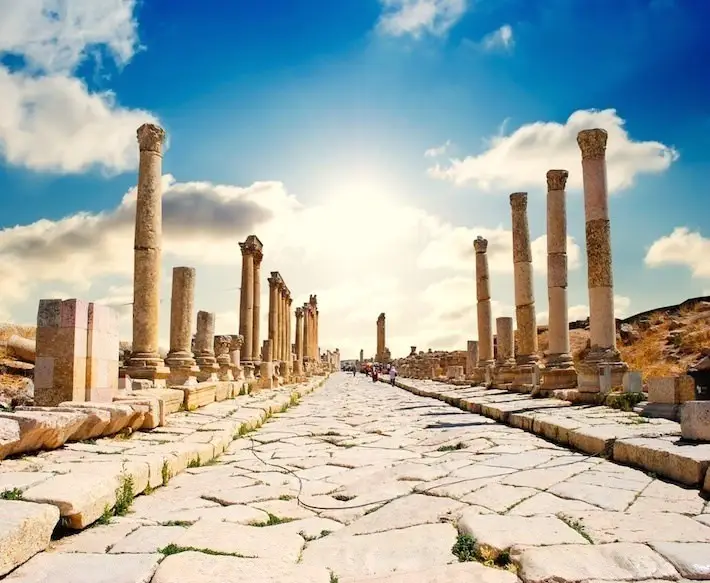
The Temple of Artemis in Jerash is one of the most important places of worship in the city of Gerasa, which used to be the capital of the ancient Roman province of Arabia. Artemis was the goddess of the city, the symbol of protection, fertility, and power, and the temple built in the 2nd century AD was expressly for her. The temple above the city and the highest place with the pillars all around, huge steps going up, and the sanctuary with multicolored decorations were not only visible but also very attractive. The remaining super high columns give today the very good idea about the vastness and the cleverness of Roman engineering. The temple of Artemis is a good point to see how Jerash was instrumental in spiritual, political, and architectural matters during its golden age under Roman rule.
Historical Significance
Construction began around 150 CE under the Romans The temple was dedicated to Artemis, the protector of Gerasa The city and the gods shared the temple as a center for religious and civic activities The temple indicated the city’s affluence and the extent of Roman influence
Architecture & Design
A huge stone podium with a great stairway leading up to it The temple had thirteen Corinthian columns at the front The columns were built high with the intention of giving them earthquake resistance A statue of Artemis would be seen in the holy of holies, which was the inner sanctuary
Engineering Marvel
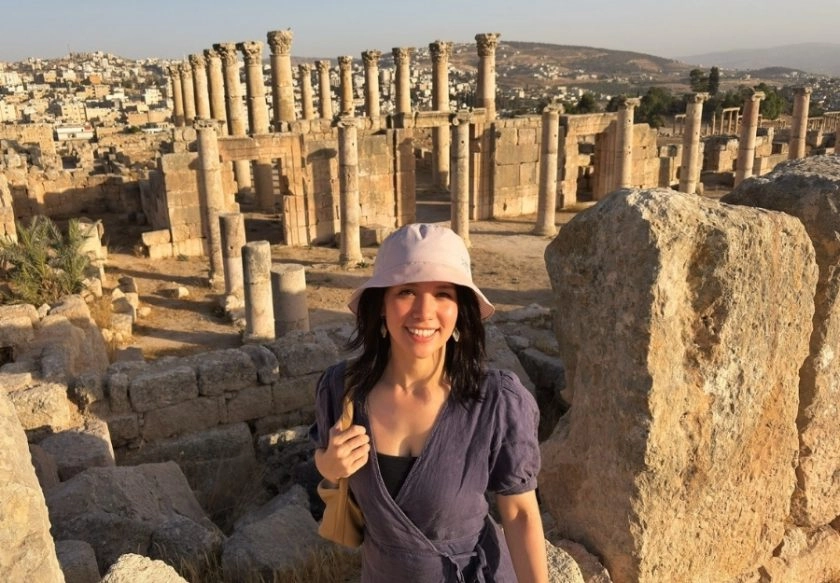
Columns lightly inclined to reduce the effect of earthquakes Perfectly done masonry without the use of mortar Roman temple construction in the region is illustrated by this building as one of the best examples
Visiting the Temple of Artemis
Found at the very north part of Jerash Archaeological Site Reaching it is possible by walking routes from the Cardo Maximus Set aside 30–45 minutes for a tour and taking pictures. as a Part of most Jordan tours it remains a top destination for visitors interested in Roman history.
Scenic Views & Photography
The elevated place gives a full view of Jerash Beautifully lit by the sun during sunrise or sunset Perfect for taking pictures of architecture using wide-angle lens
Visitor Tips
Put on the right footwear for the rocky trails and stairs Have some water and sunscreen with you Don’t you dare climb the columns or ruins The presence of a guide makes the understanding of symbolism and history more invincible.and if you want to visit the Nearby Attractions you can visit North Theater Oval Plaza Cardo Maximus Temple of Zeus South Theater.