 Places to see
 Top Destinations
  Things to do














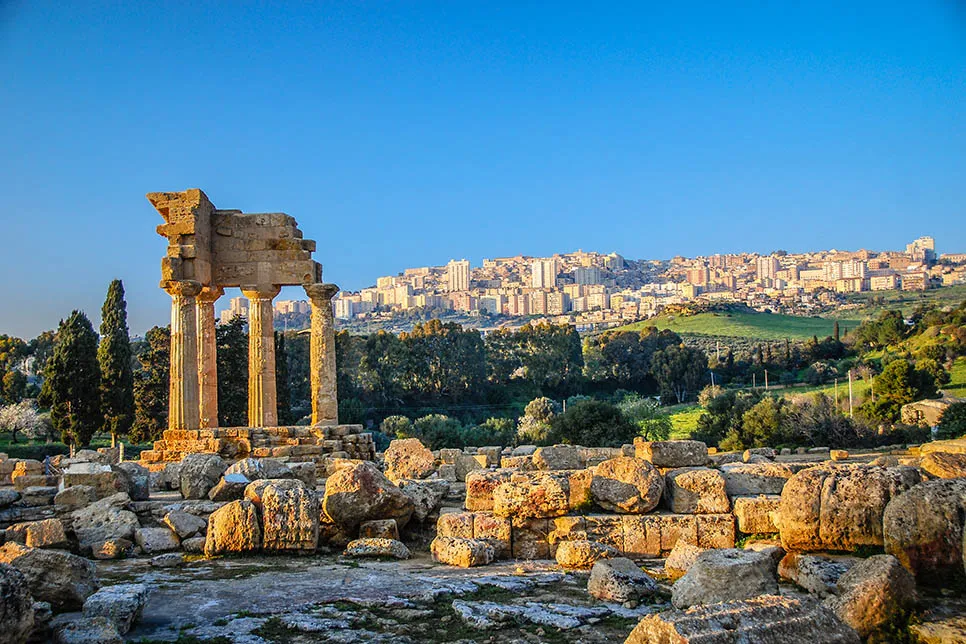
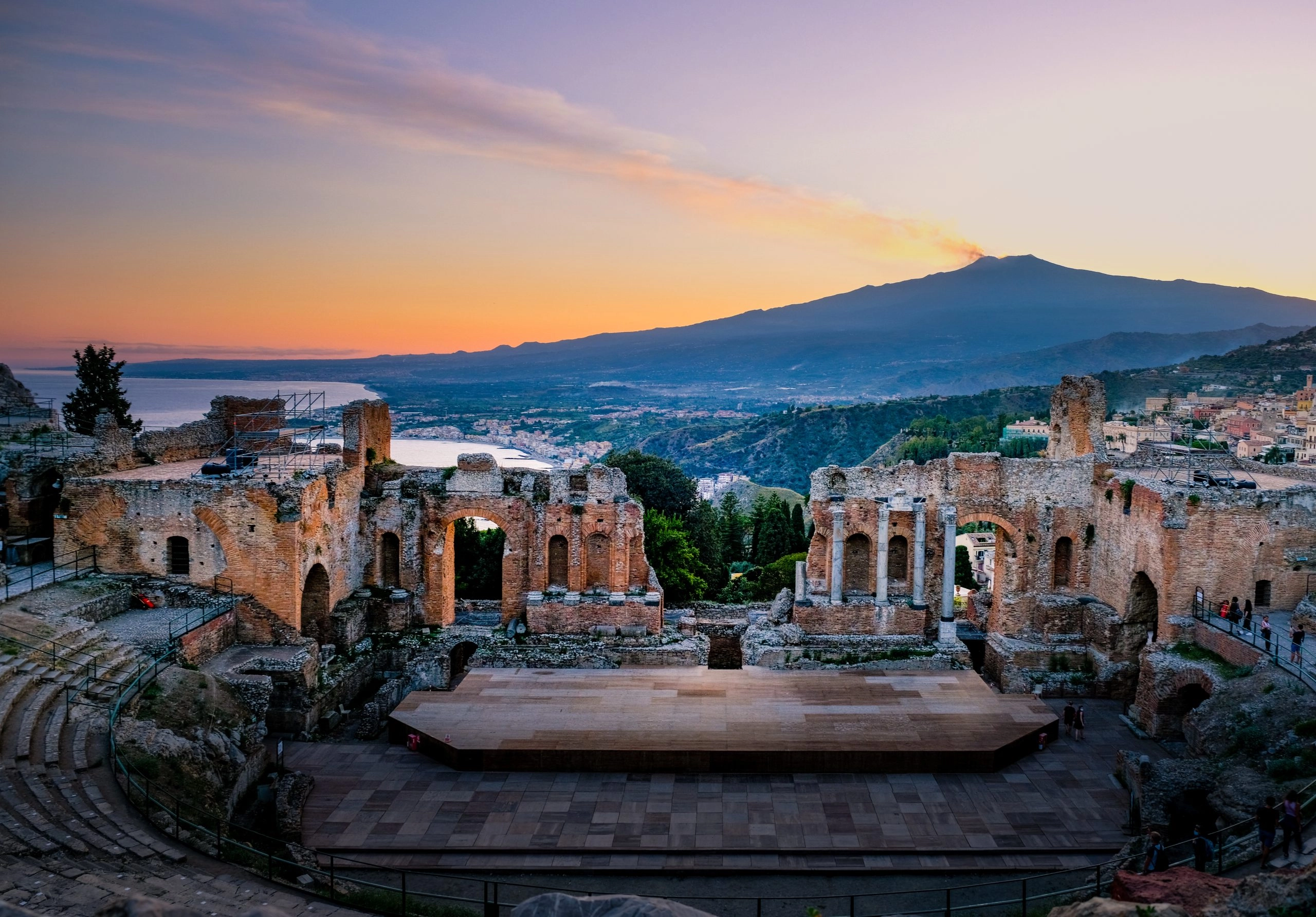






































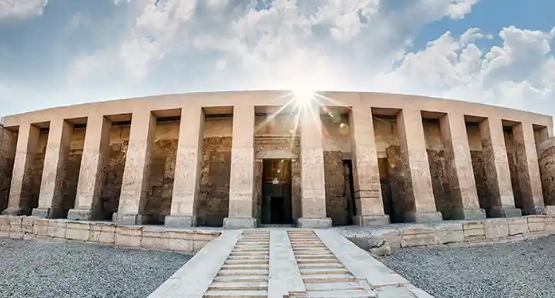
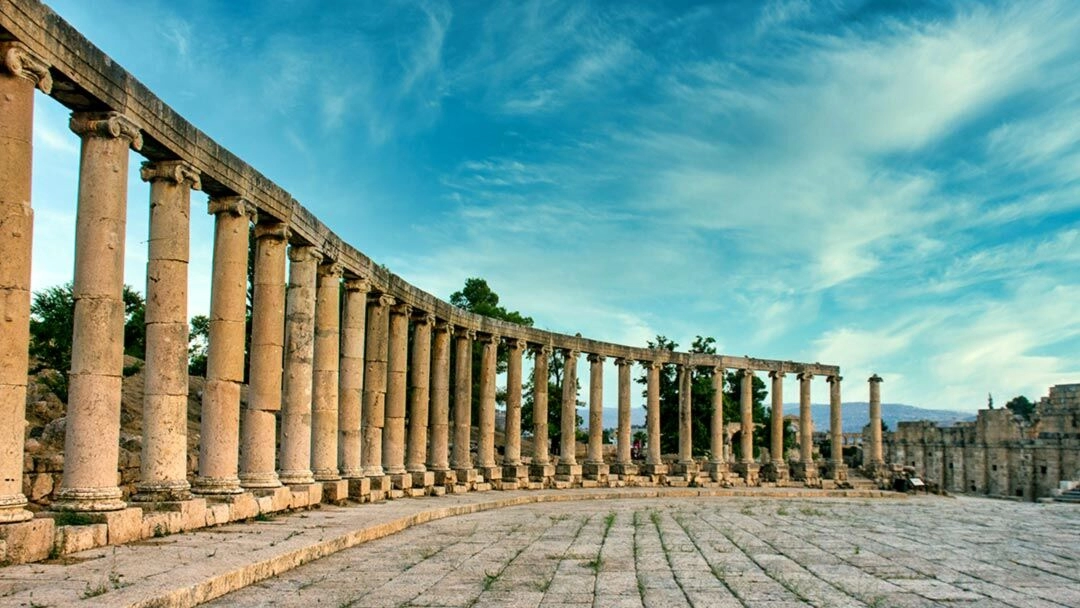
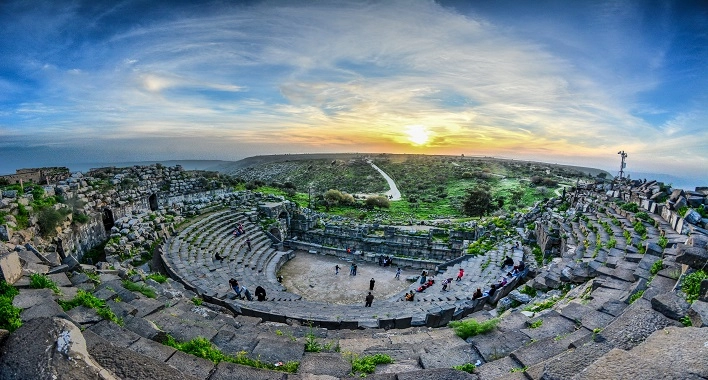
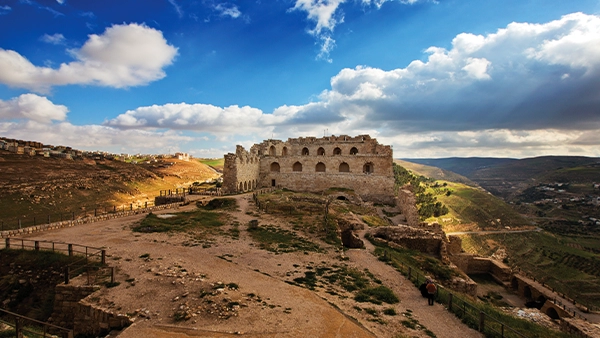
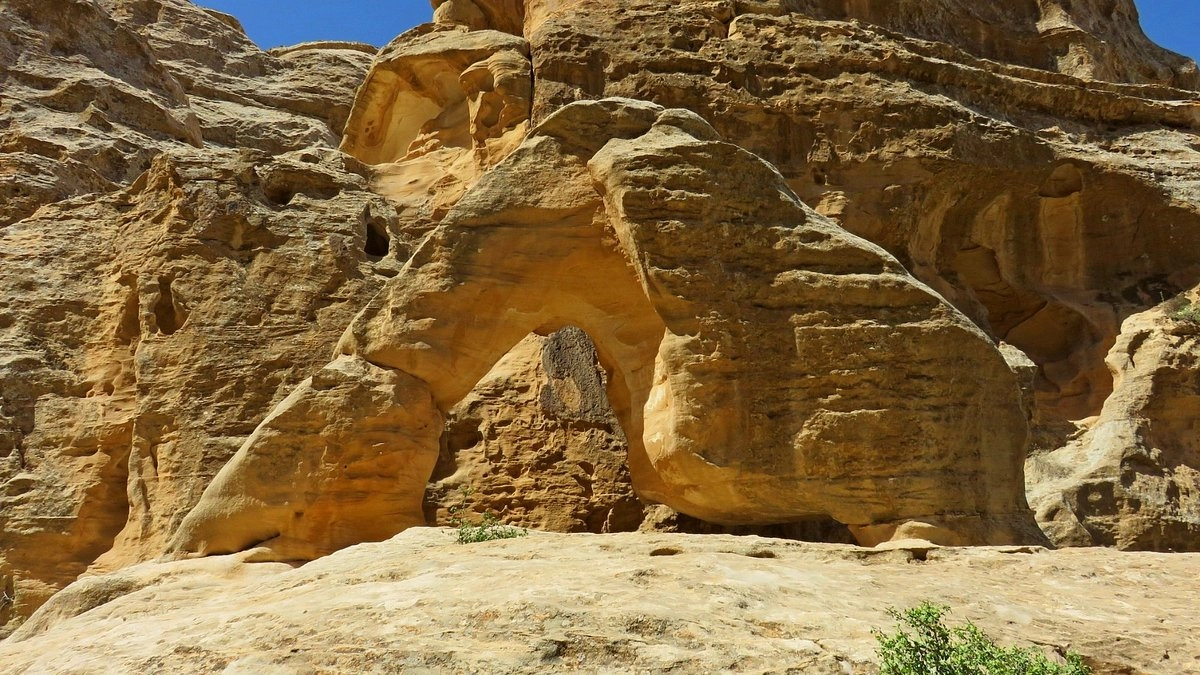
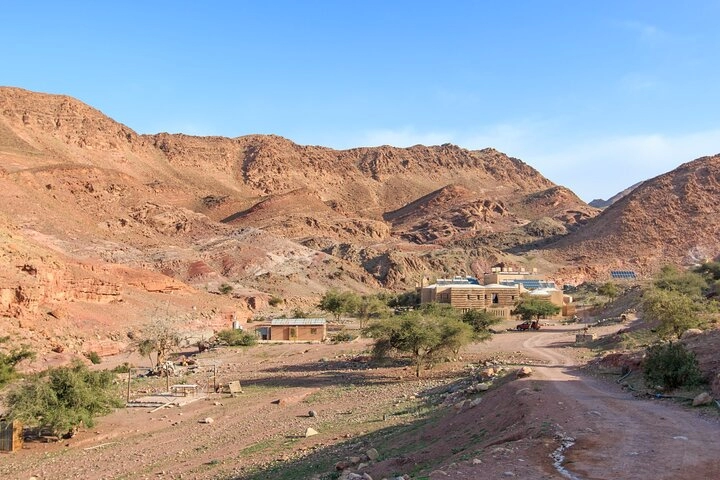
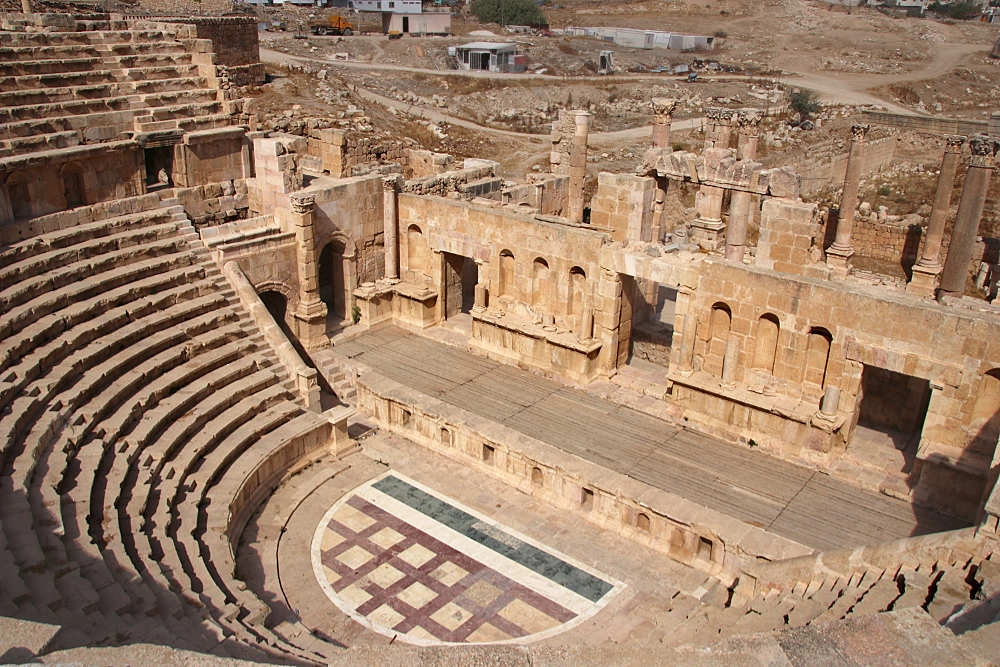
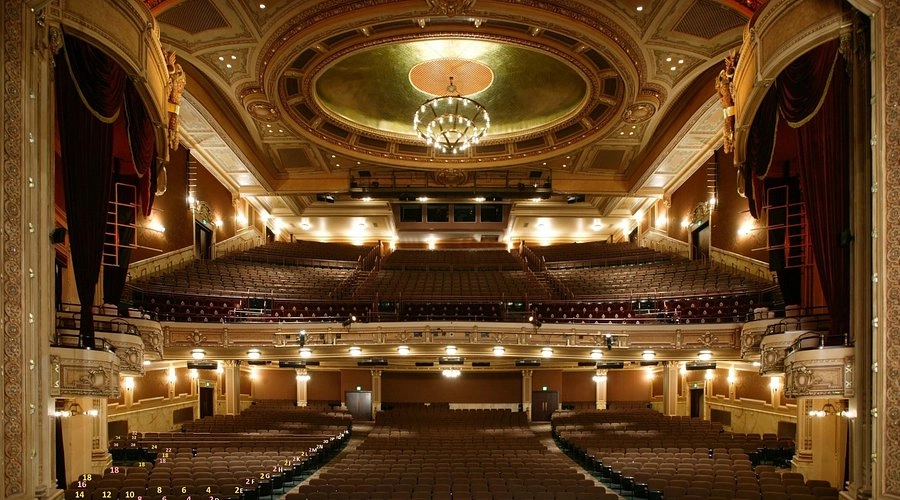
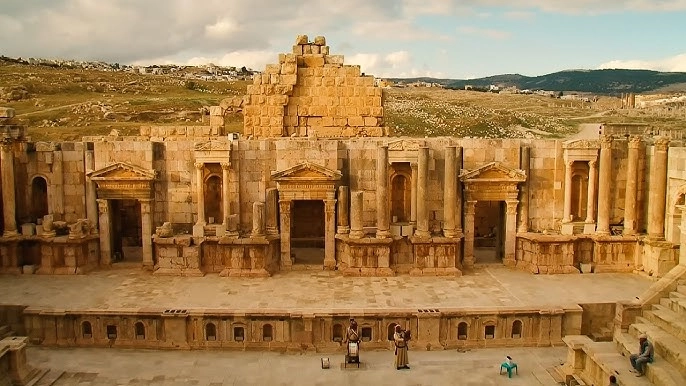
The North Theater of Jerash, known as the Smaller Theater, is one of the extraordinary monuments of the Roman period from Jerash. This theater was built in the second century AD and it was the place for performing plays, delivering speeches, and having public gatherings. Though not as big as the South Theater, the North Theater has somewhat circular stone seating, a stage which is in a very good condition, and the acoustics that are characteristic of Roman theaters. The North Theater lets the people who come to visit learn about the social and cultural aspects of ancient Gerasa (current Jerash) and this theater is located among other historical ruins, such as temples, streets with columns, and arches. It offers a more peaceful and closer experience than the larger theater while still displaying the Roman architectural genius.
Historical Significance
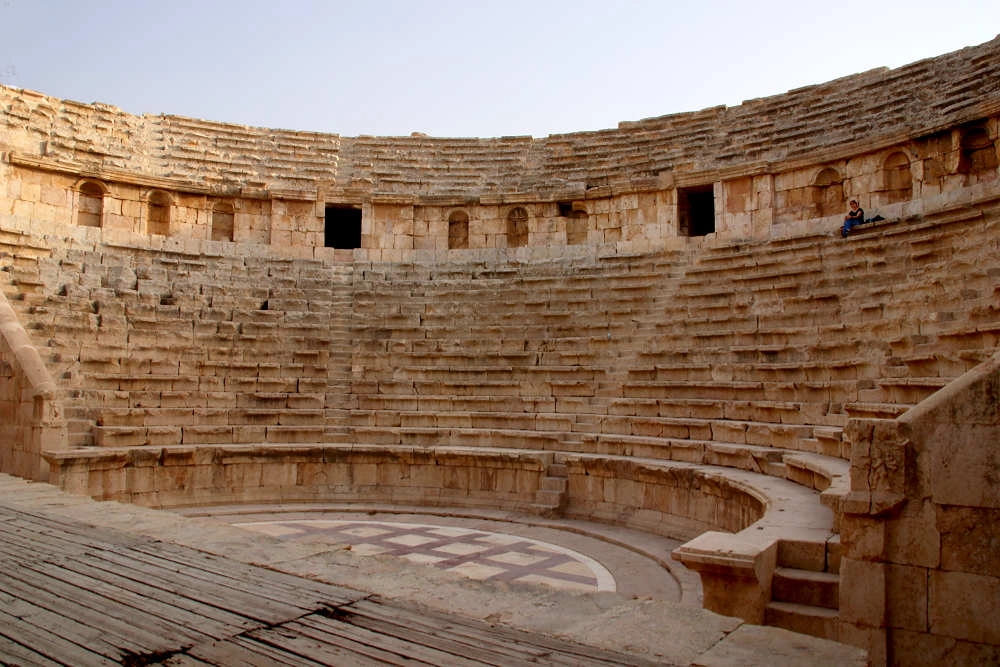
It was constructed during the second century AD when Rome was ruling. Theater was the place for performing arts, public meetings, and festivities. It is an indirect source of the social and cultural life of the ancient city of Gerasa.
Architecture & Design
Seating in a half-moon shape made of stone. Stage area with perfect sound quality. The North Theatre was smaller than the South theatre but enabled more intimate performances. Theater was decorated and built in the Roman style.
Visiting the North Theater
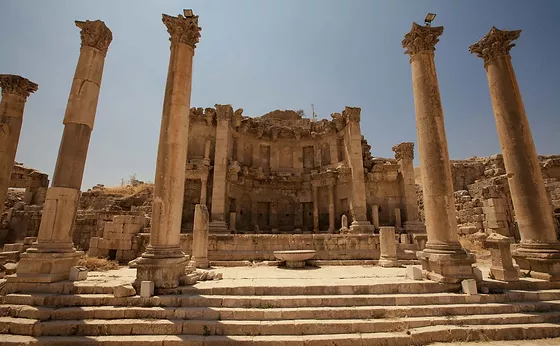
It is possible to visit through the main site of Jerash archaeological area. To the north of the site are the seating, stage, and ancient ruins around. Pictorial boards with information deliver the historical context. Jordan tours normally have the North Theater as one of the main attractions, giving tourists the chance to admire the splendor of Roman architecture and the cultural wealth of the country.
Nearby Attractions & Best Time to Visit
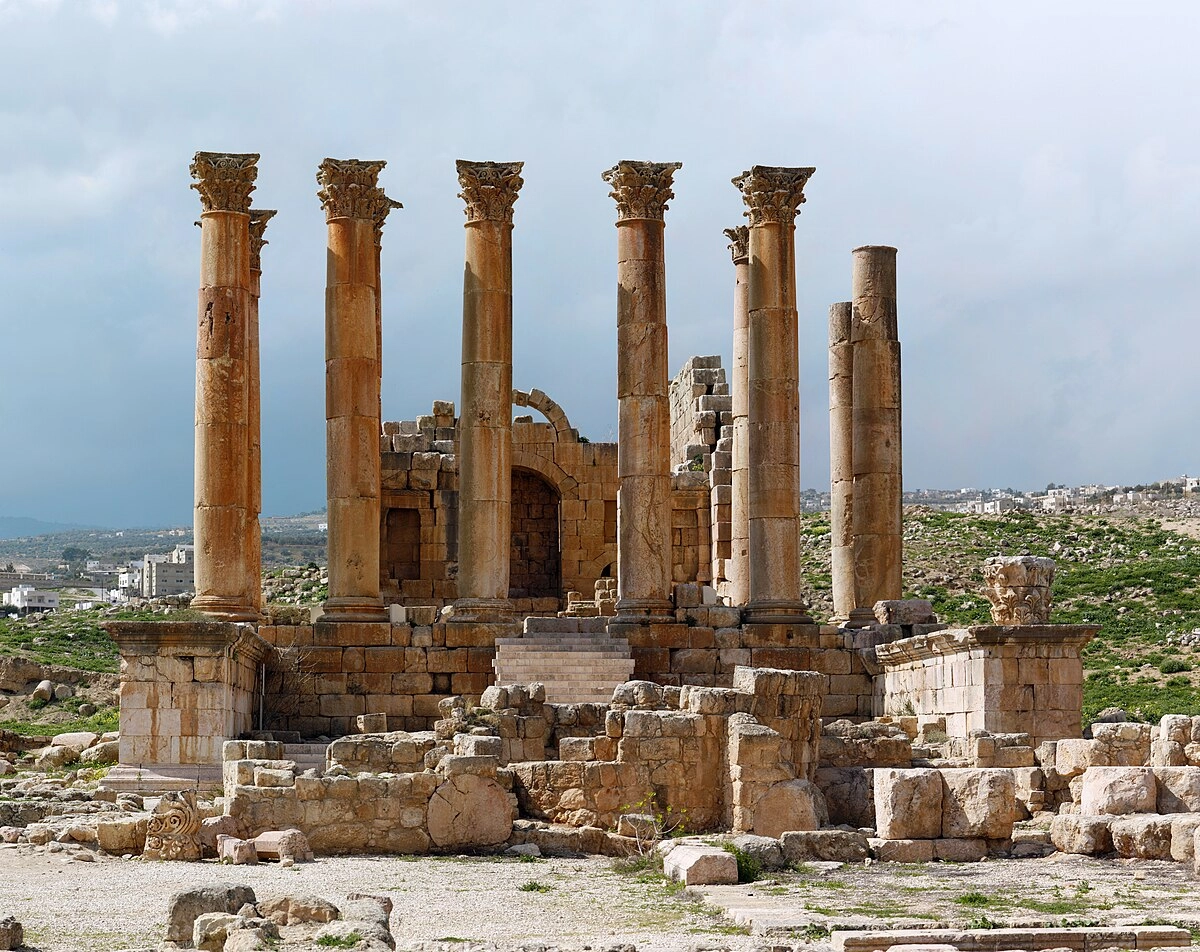
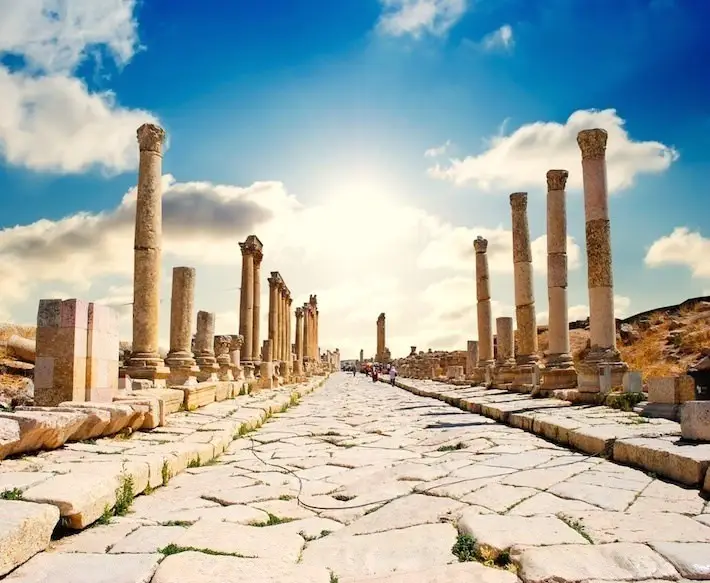
Near the North Theater, tourists are also able to see South Theater, the Oval Plaza, and the Cardo Maximus besides Jerash's larger amphitheater. A few other important locations are the Temples of Artemis and Zeus, Roman gates, and arches. Morning or late afternoon is the perfect time to visit for pictures and pleasant weather, while spring and fall are even better for a slow walk. Moreover, this can be linked to the other sites in Jerash for a full-day trip.
Visitor Tips
Put on the right shoes as the surface is uneven with stones. Take along water, sunscreen, and a hat. Don’t climb on the delicate structures. Having a guide makes the experience more enjoyable due to his/her historical knowledge.